Om Tat Sat is an ancient chant (mantra), that explains the supreme truth, the nature of Param Brahman and our connection with it. Most popularly uttered in the Bhagavad Gita by Sri Krishna to Arjuna, it is a part of Hindu traditions since the Vedic period or even before, from the beginning of culture.
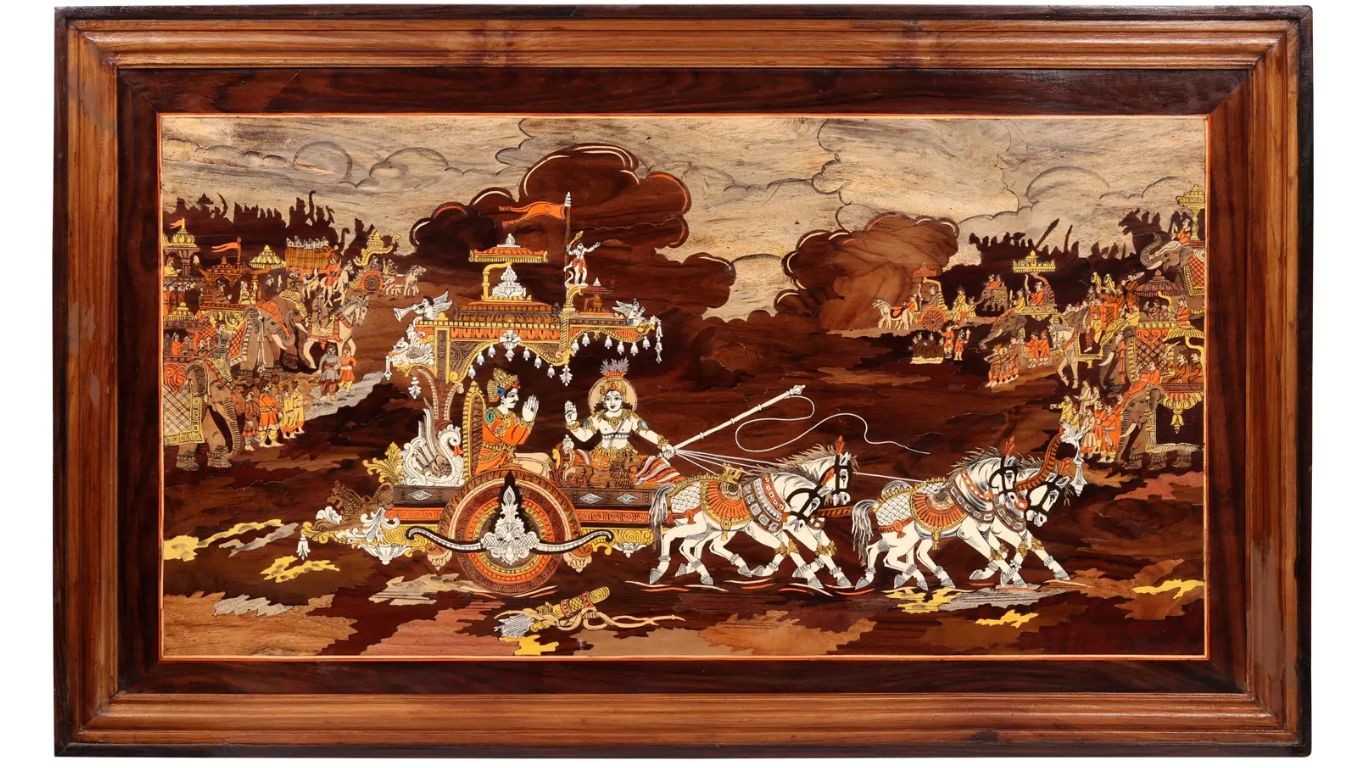
The mantra or syllable goes-
ॐ तत् सदिति निर्देशो ब्रह्मणस्त्रिविधः स्मृतः।
ब्राह्मणास्तेन वेदाश्च यज्ञाश्च विहिताः पुरा॥
Bhagavad Gita (17.23)
“Since the dawn of creation, the sacred syllables Om Tat Sat have been recognized as symbols of the Supreme Absolute Truth. These three divine expressions have traditionally been invoked by Brahmanas while reciting Vedic hymns and performing sacrificial rituals, ensuring that such acts are dedicated to the Supreme and aligned with spiritual purity.”
Breaking Down the Meaning:
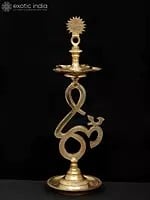
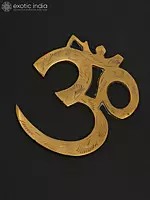
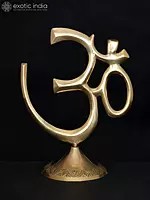
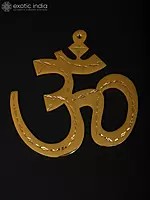
Om (ॐ) – The primordial sound, also called the Pranavakshara or the first syllable, that represents the absolute, Brahman, and the essence of all existence. It is the seed sound of creation and the universe, from it everything and everyone has emerged.
Tat (तत्) – Meaning "That", referring to the ultimate reality which can not be seen through material perception, the formless divine principle that is everywhere, eternally. It signifies detachment from ego and recognition of a higher truth, an existence beyond what we can see.
Sat (सत्) – Meaning "Truth" or "Existence", it denotes the eternal, unchanging reality of human and metaphysical life the gist of purity, righteousness, and the supreme existence that are synonymous to one another.
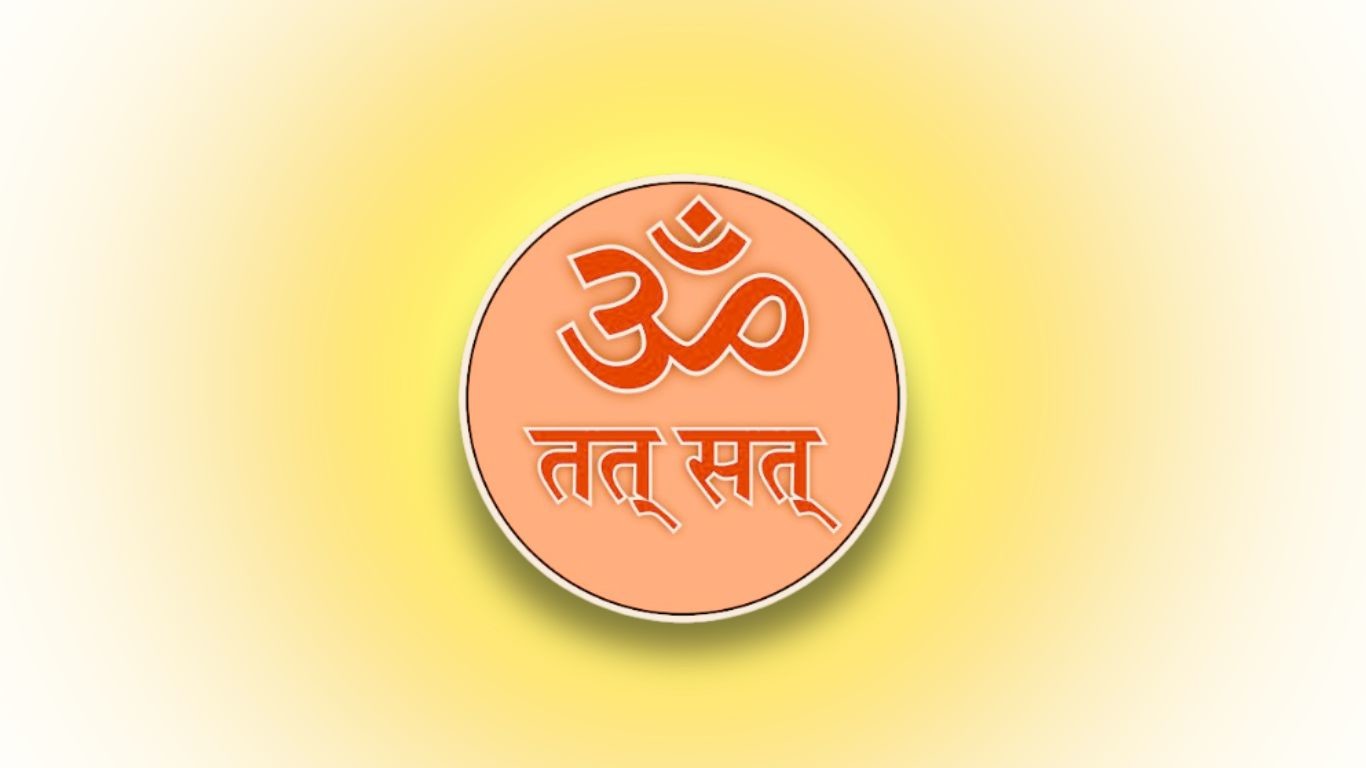
Scriptural references to Om Tat Sat (Beyond Bhagavad Gita 17.23)
While popularized by its mentions in the Bhagavad Gita, that is one of the most widely read Indian texts in the world, “Om Tat Sat” and the unparalleled simplicity with which it states the truth, has been mentioned in several ancient Hindu texts.
1. Vedas and Upanishads
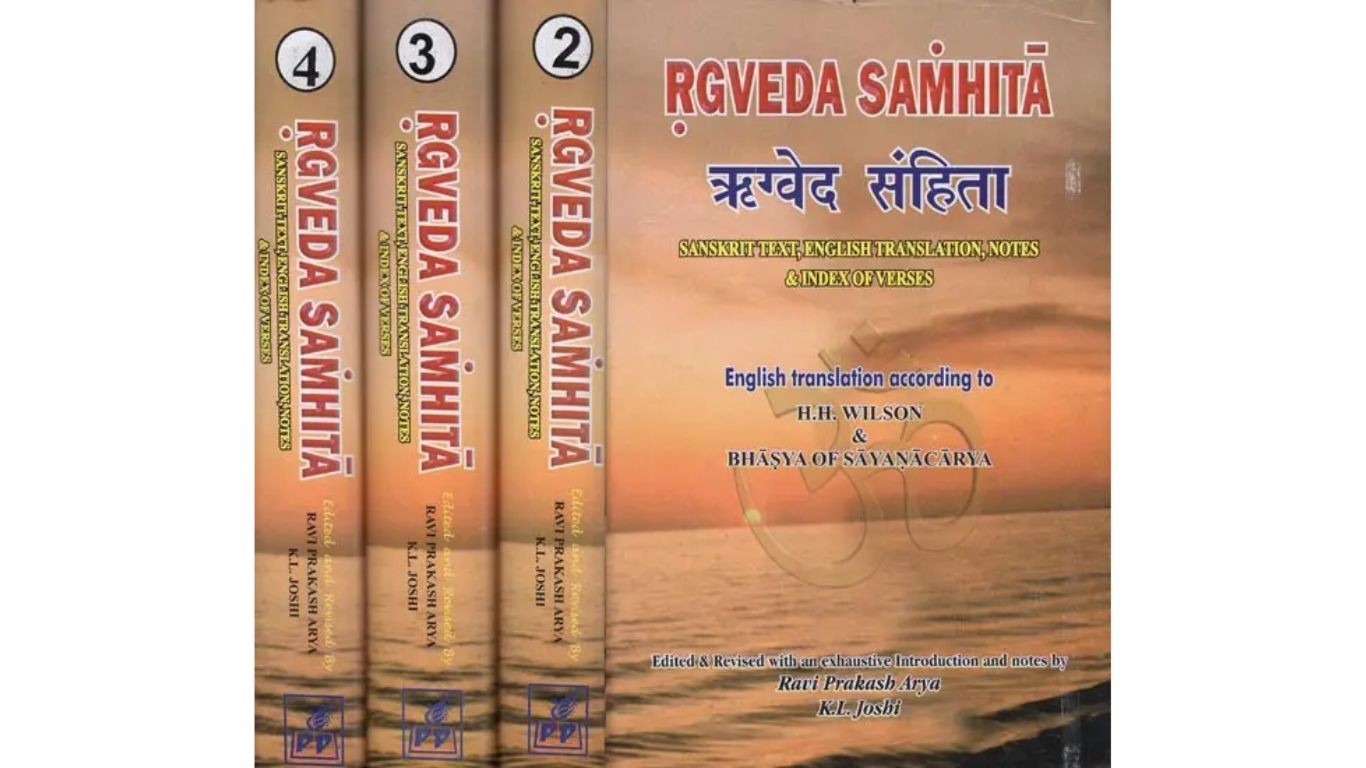
Rig Veda (10.129.1-7): The Nasadiya Sukta (Hymn of Creation) describes the cosmic origins of "Tat" as the fundamental principle in which all human and other life forms are rooted.
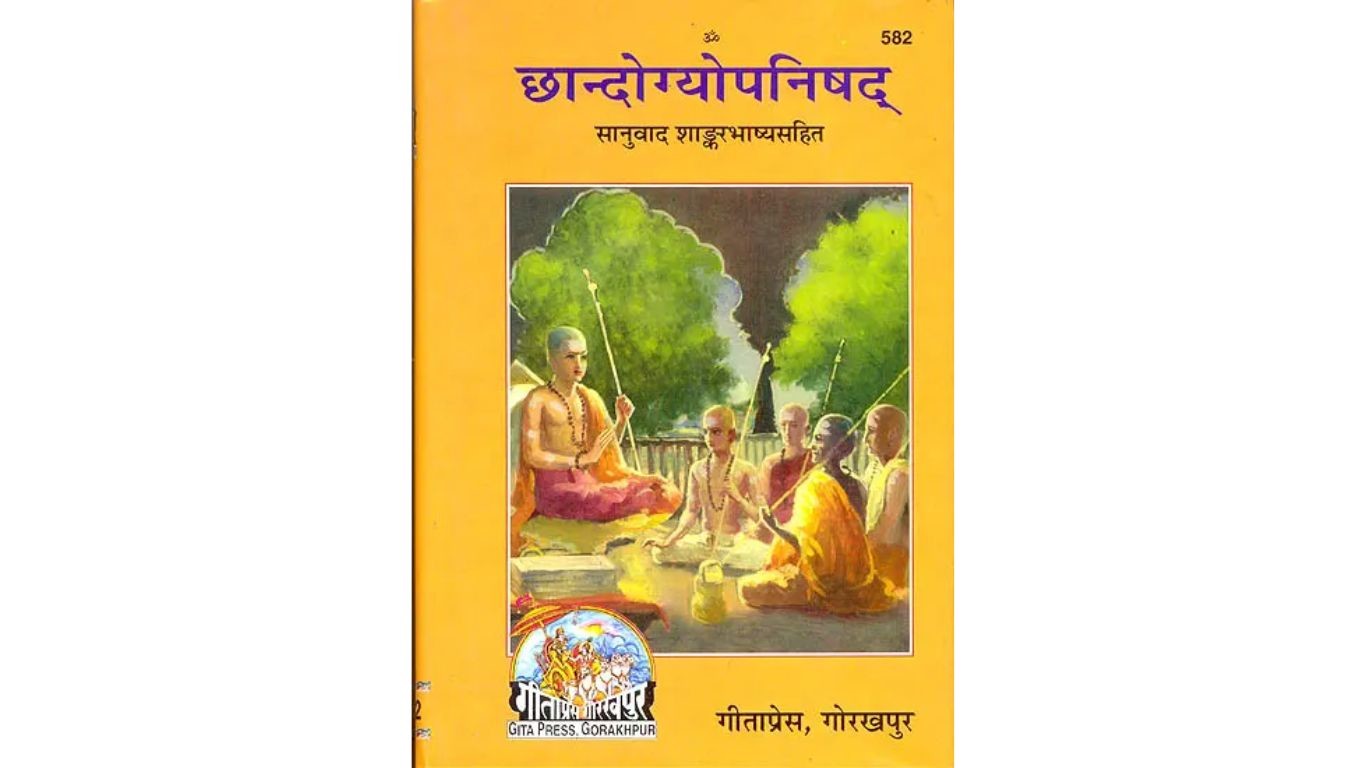
Chandogya Upanishad (6.2.1): This Upanishad states that "Tat" is the cause of creation, from which all beings arise.
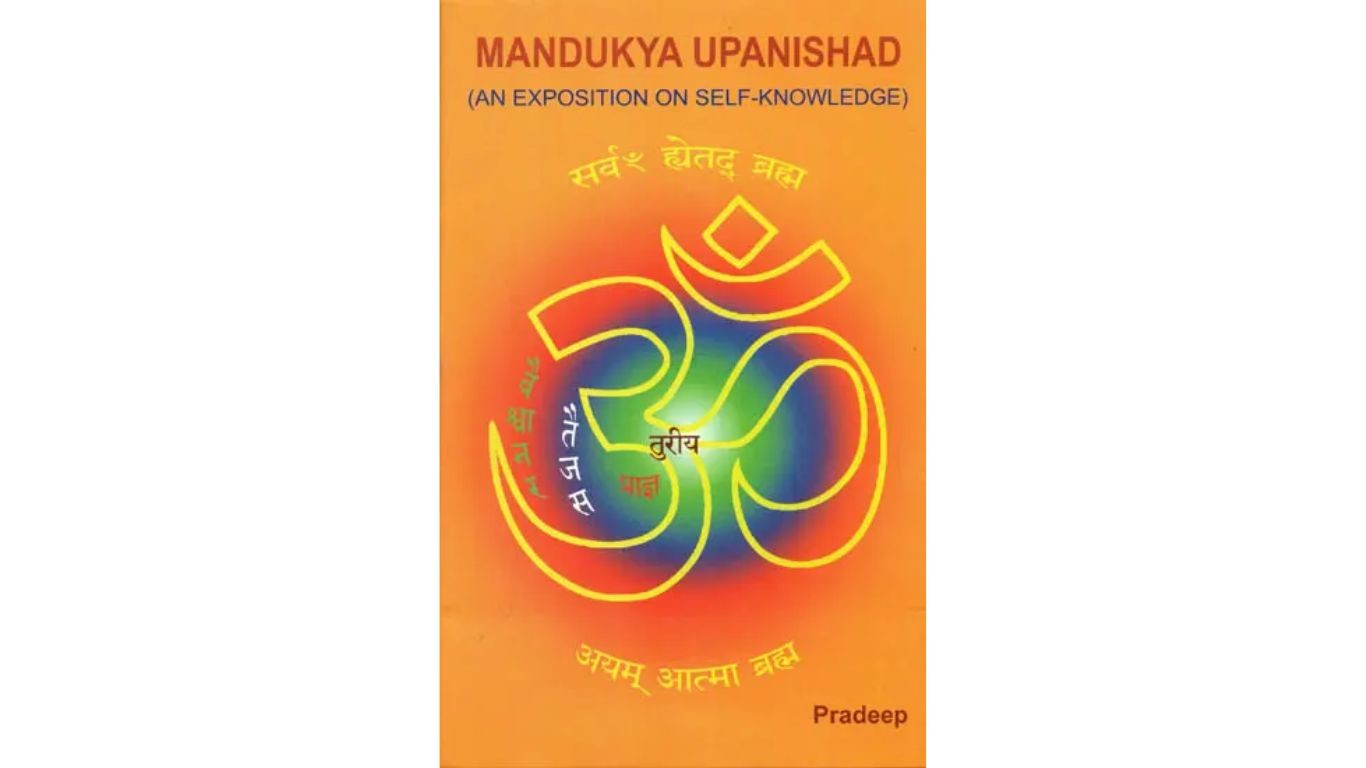
Mandukya Upanishad (1.1.1): Describes "Om" as the all-encompassing symbol of Brahman.
2. Puranas
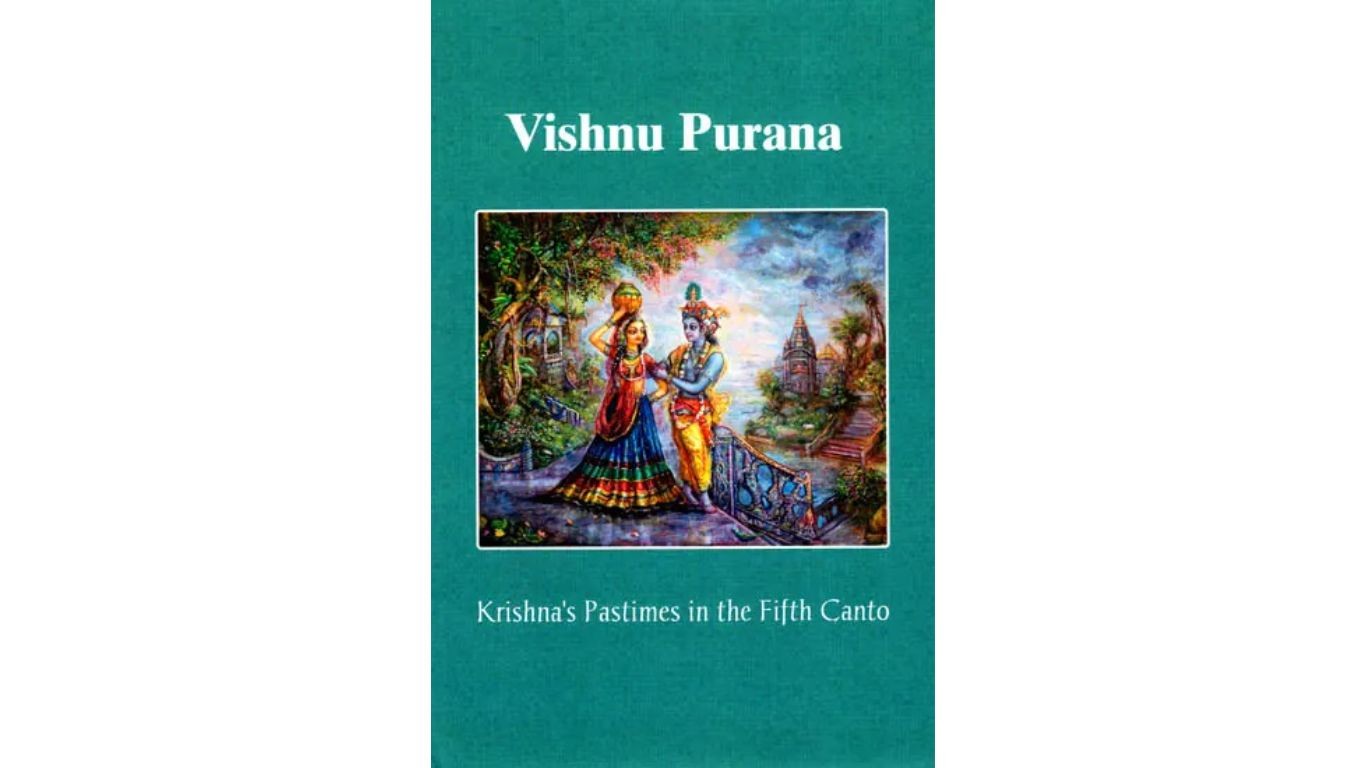
Vishnu Purana (1.2.10): States that the syllable "Om" represents Narayana, while "Tat" refers to His transcendental, omnipresent nature.
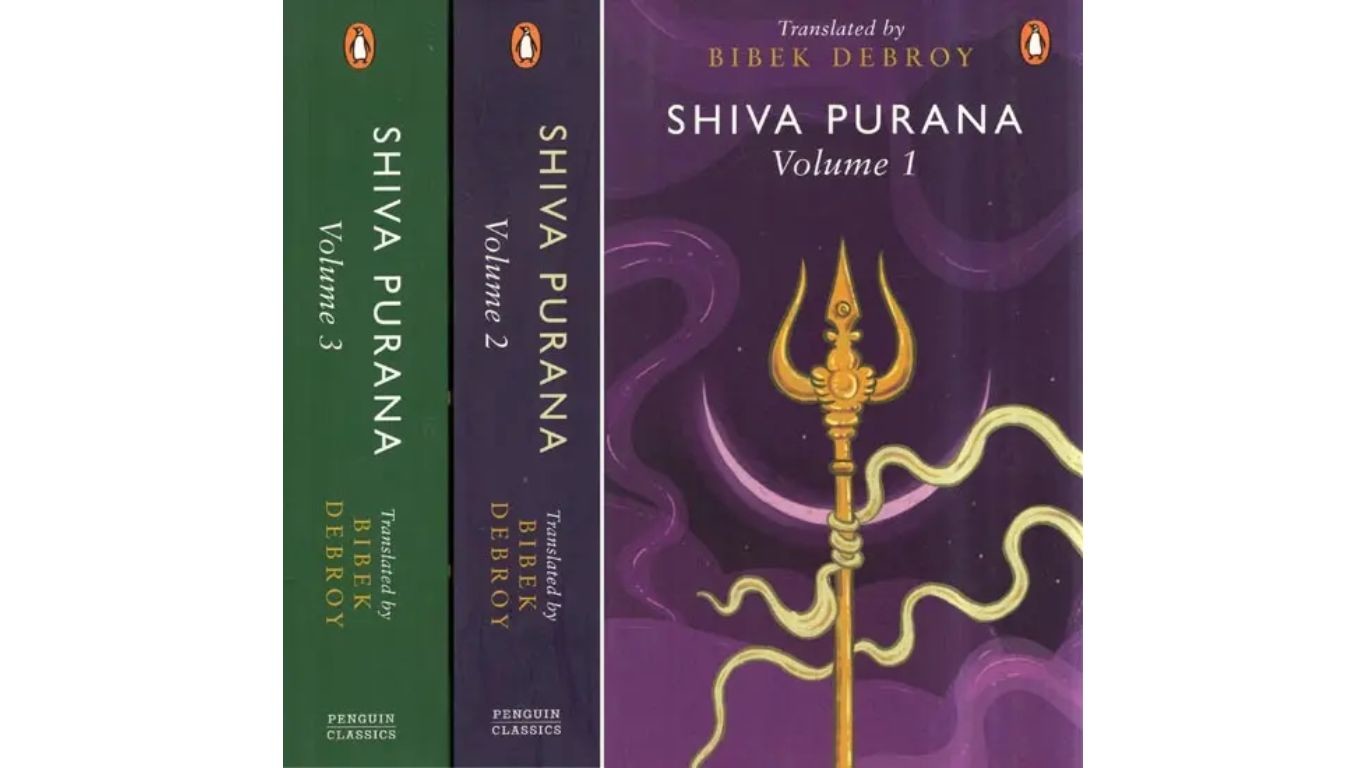
Shiva Purana (Rudra Samhita, 6.12.10): Mentions "Om Tat Sat" as a mantra for liberation and connection to the Supreme.
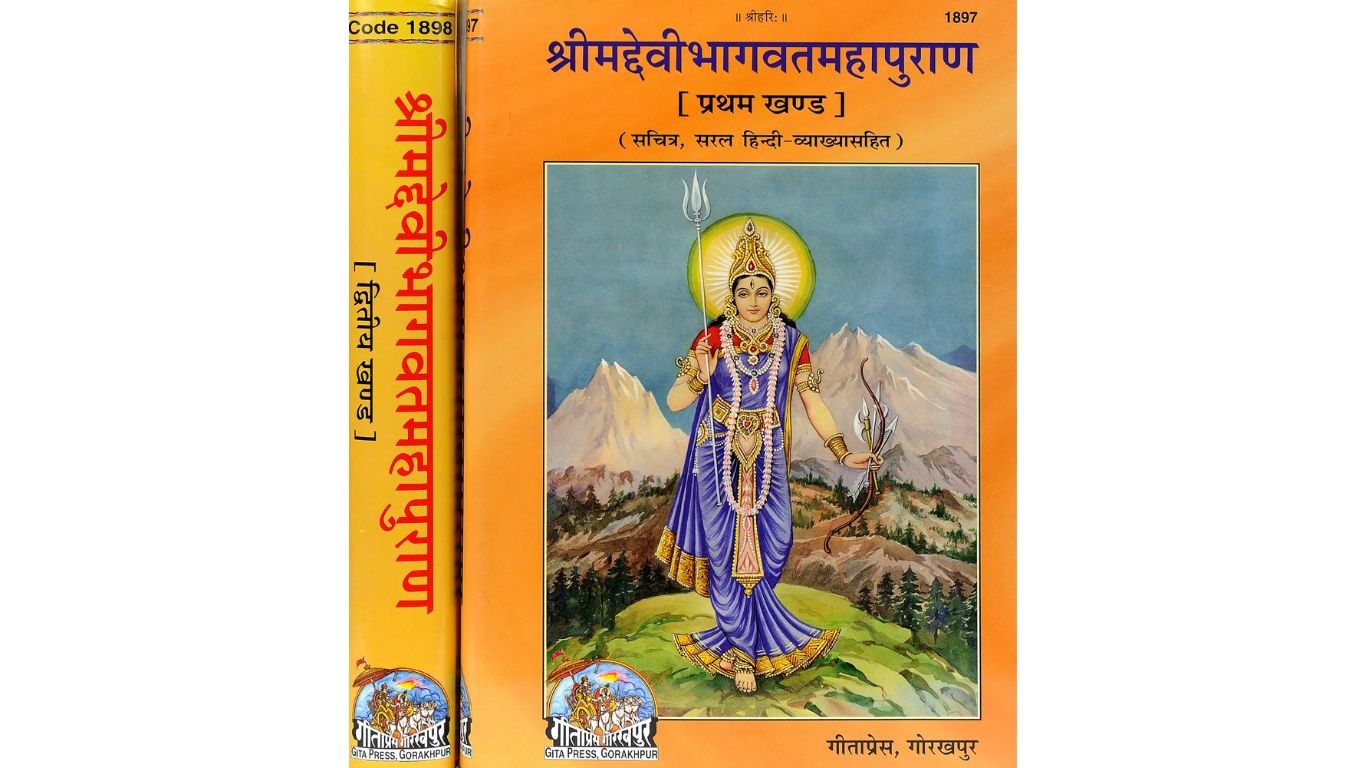
Devi Bhagavata Purana (3.6.10): Identifies "Tat" with the primordial energy of the Divine Mother.
3. Brahma Sutras & Advaita Vedanta
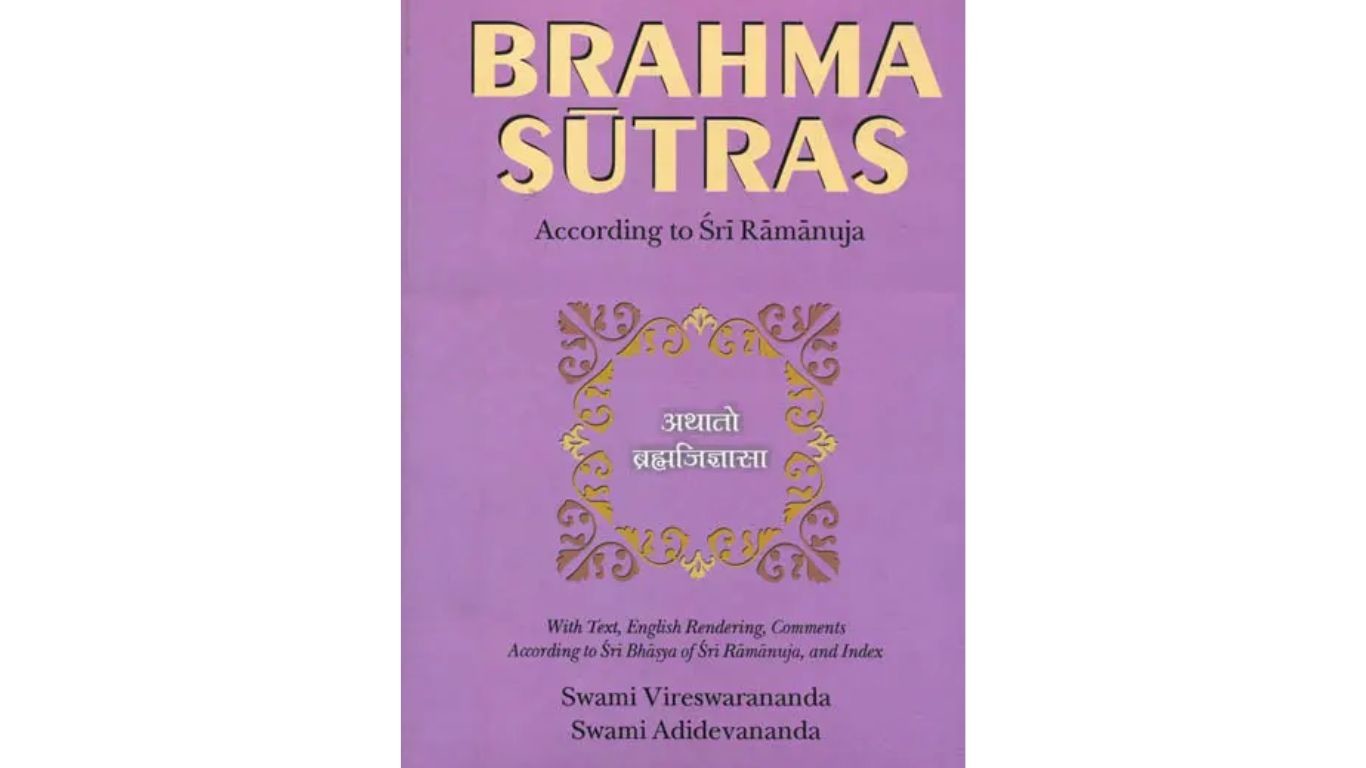
Brahma Sutras (1.1.2): Explains "Tat" as the Ultimate Reality beyond Maya (illusion).
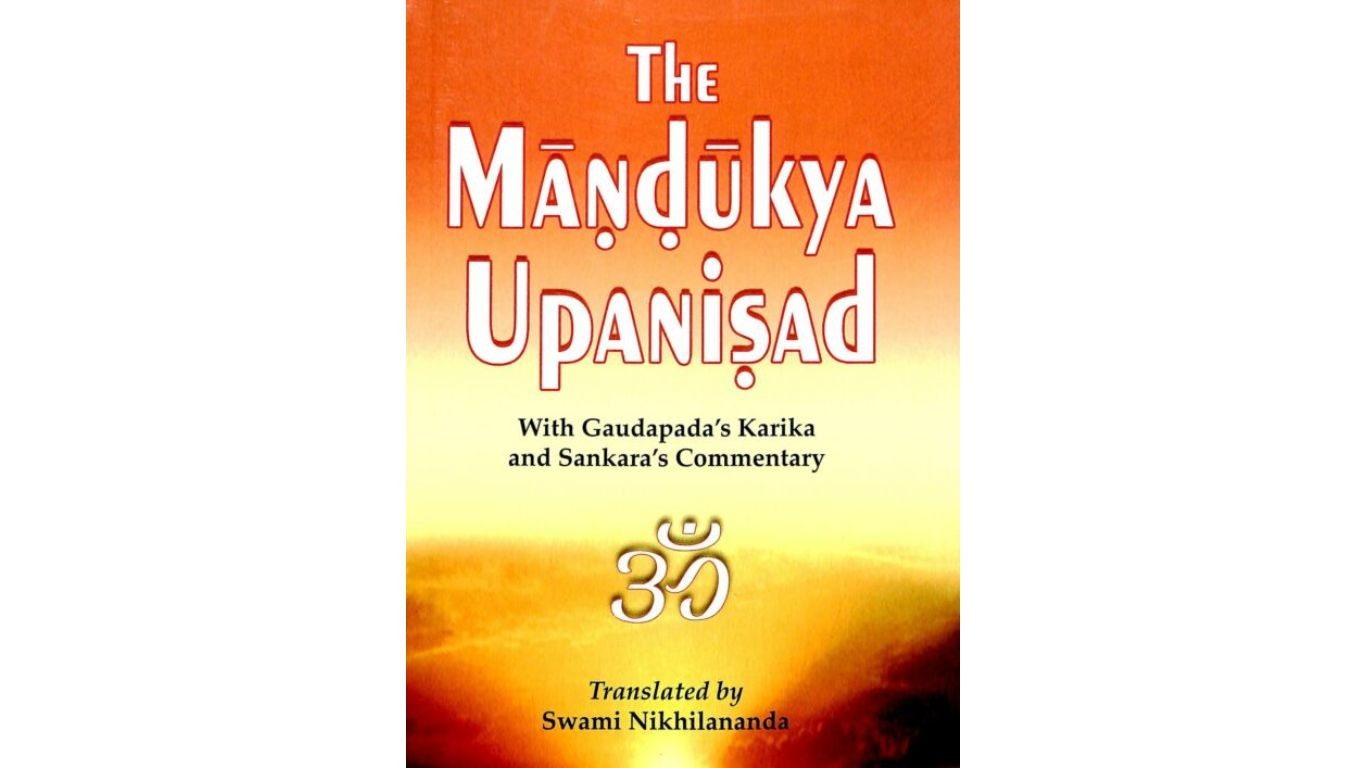
Adi Shankaracharya's Commentary on Mandukya Upanishad: Compares "Om Tat Sat" with the realization of Advaita (Non-duality), the highest stage of a person’s journey towards the ultimate reality.
How to apply "Om Tat Sat" in Daily Life?
Chanting & Meditation
🔸Repeating "Om Tat Sat" in meditation can help center the mind and elevate consciousness over time.
🔸It is often used in Jnana Yoga (Path of Knowledge) to detach from the material illusion.
Intentional Living
🔸Before any action, mentally dedicate it to the Supreme by thinking, "Om Tat Sat", ensuring that it is done with purity and without selfish motives.
🔸This aligns with the concept of Nishkama Karma (Selfless Action) in the Gita.
Spiritual Studies
🔸Reflect on its meaning through the Upanishads, Brahma Sutras, and Advaita texts to deepen understanding.
Conclusion
Om Tat Sat is a cosmic formula, a code to understand the entire philosophy of existence, transcendence, and truth. It teaches us to move beyond the illusion of ego (Ahamkara) and duality (Dvaita), guiding us towards the absolute reality (Brahman). Found in the Vedas, Upanishads, Puranas, and Vedantic scriptures, it remains one of the most profound spiritual principles in Hindu philosophy. To know more about philosophical codes and spiritual principles of Hinduism, visit Exotic India’s online book collection, where each book is selected to answer a hundred questions, and to ignite a thousand more!