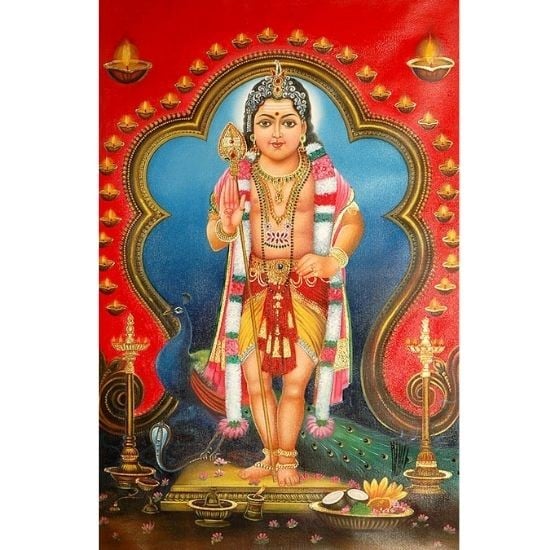
Karttikeya (son of Krittikas, the six mothers), Skanda, Kumara (the eternally young one), and Shanmukha (six-faced), the son of Shiva and Parvati most popularly known in Hindu culture for slaying Tarakasura as the powerful commander-in-chief of Devas (gods), is mentioned in the potent Rudrayamal Tantra (a Shaiva Agam text, Satvik Tantra) as the giver of Pragya (pure, inner wisdom).
The “Pragya Vardhana Stotra”- hymn for increasing inner wisdom, hails the powers of Kumara Karttikeya as a great yogi (master of Yoga) and source of transcendental knowledge. The form of Karttikeya that emerges in the Pragya Vardhana Stotra or Pragya Vardhana Stotram, is that of a great master, similar to the traditions in Southern India, where Subramanyam is worshipped as the knower of truths of three realms, who became the Guru or teacher of Shiva himself. It is a powerful hymn for the seekers of wisdom, students, and people who want guidance in their journey to their inner consciousness.
Meditating
in the form of Karttikeya or Skanda as a Yogi, and welcoming his virtues
within, a person who regularly recites Pragya Vardhana Stotra gains the
stillness and focus of a Yogi in their lives, ensuring virtuous success in
every endeavor undertaken.
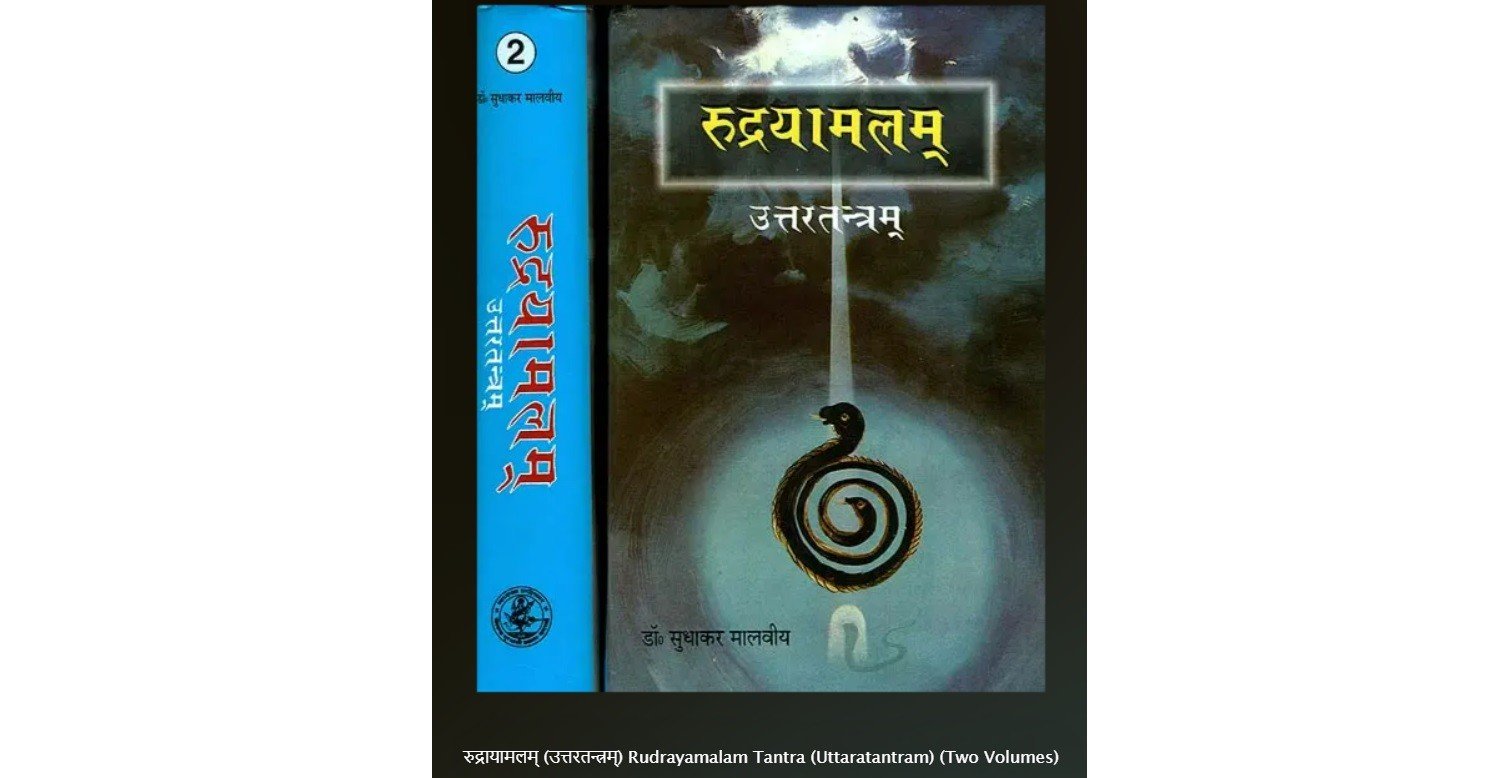
What is Rudrayamala Tantra and Agama?
Rudrayamala Tantra is a text belonging to the Shaiva tradition of Hinduism and is considered one of the Agamas. Agamas are an authority in Hindu culture, a collection of Tantra and philosophical dialogues between Shiva and Parvati, where Mahadeva speaks and goddess Parvati listens to the discourses.
Pragya Vardhana Stotra with English Translation
योगीश्वरो महासेनः कार्तिकेयोऽग्निनंदनः ।
स्कंदः कुमारः सेनानीः स्वामी शंकरसंभवः ॥१॥
“I bow down to the Lord of all Yogis (Yogishwara), Mahasena (he who has a mighty army), Karttikeya who is the son of Agni or God of Fire (who according to the story of Karttikeya’s birth, carried the essence of Shiva, whose unfathomable heat could not be handled by anyone, and was thus, a part of the birth of Skanda). I bow down to Skanda, Kumara (the youthful one), Senani (commander-in-chief), who was born from Shankara or Shiva”
गांगेयस्ताम्रचूडश्च ब्रह्मचारी शिखिध्वजः ।
तारकारिरुमापुत्रः क्रौंचारिश्च षडाननः ॥२॥
“He who is loved by the river goddess Ganga, and his devotee Taamrachuda, who is a celibate or Brahmachari (he who follows the path of Brahma, with abstaining from worldly pleasures), and has the peacock emblem on his flag. He who is the son of Uma (Parvati) and the ari (opponent) of Tarakasura and Kraunchasura, and has Shada (six) anana (faces)”
शब्दब्रह्मसमुद्रश्च सिद्धः सारस्वतो गुहः ।
सनत्कुमारो भगवान् भोगमोक्षफलप्रदः ॥३॥
“He who has measured the ocean (samudra) that is the knowledge of Shabda Brahma or Om (the primordial sound), and has the ability to express Guhya (secret or occult) knowledge with ease. He who is ever-youthful like the Sanat Kumaras, the Lord who gives the fruits of worldly deeds and bestows Moksha or liberation”
शरजन्मा गणाधीश पूर्वजो मुक्तिमार्गकृत् ।
सर्वागमप्रणेता च वांच्छितार्थप्रदर्शनः ॥४॥
“He who is born from Shara (a type of grass), who is Purvaja or elder to Ganadheesha (the Lord of Ganas, Sri Ganesha), and the creator of the path to Mukti (supreme freedom). He is worshipped by all Agamas (religious and spiritual texts) and shows the path toward the object of desire”
अष्टाविंशतिनामानि मदीयानीति यः पठेत् ।
प्रत्यूषं श्रद्धया युक्तो मूको वाचस्पतिर्भवेत् ॥५॥
“A devotee of mine who chants the twenty-eight names and meditates on Kumara with dedication, will become skilled in the art of speech even if he is unable to speak (Mooka)”
महामंत्रमयानीति मम नामानुकीर्तनम् ।
महाप्रज्ञामवाप्नोति नात्र कार्या विचारणा ॥६॥
“The chant of these names and focusing on my divine form will be as powerful as Maha-mantras. Meditating on my heavenly actions will serve as a source of wisdom or Maha-pragya for the devotees”
इति श्री रुद्रयामल रहस्ये प्रज्ञावर्धन स्तोत्रम् सम्पूर्णम्
“Thus ends the Pragya-vardhana Stotram mentioned in the Sri Rudrayamala Rahasyam”
Phala Shruti or the Fruit of Listening or Chanting the Pragya Vardhana Stotra
The phala-shruti of a hymn in Hinduism is mentioned at the end of the Stotra, to let the listener and chanter know about the fruits of their devotion. The Pragya-Vardhana Stotra is a powerful hymn narrated by Lord Shiva, the Adideva (primordial god), as a key to the Sadhaka (practitioner) of Yoga and seekers of pure wisdom to unlock their inner reservoirs of Pragya or brilliance.
It is a great hymn for students and creatives, who
want to get in touch with their untapped wisdom and skills. Bestowed by Shiva
himself, Pragya Vardhana Stotra gives the armor of Karttikeya to the devotees,
guarding them against ill thoughts and negativity and leading them to a life of
greatness, one similar to the illustrious son of Uma-Maheshwara.
Sources
Rudrayamala Tantra