Embodiment of Healing and Compassion
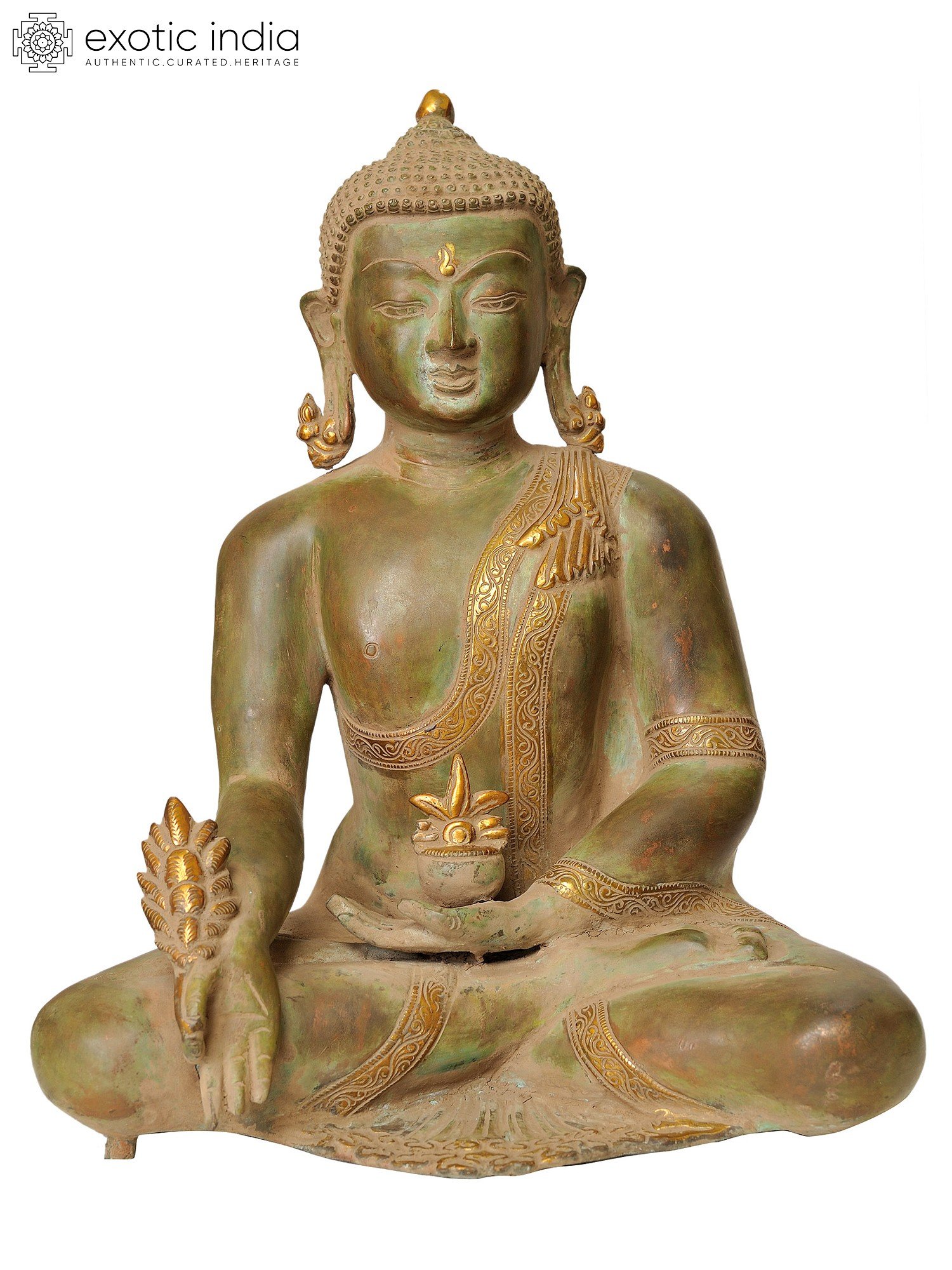
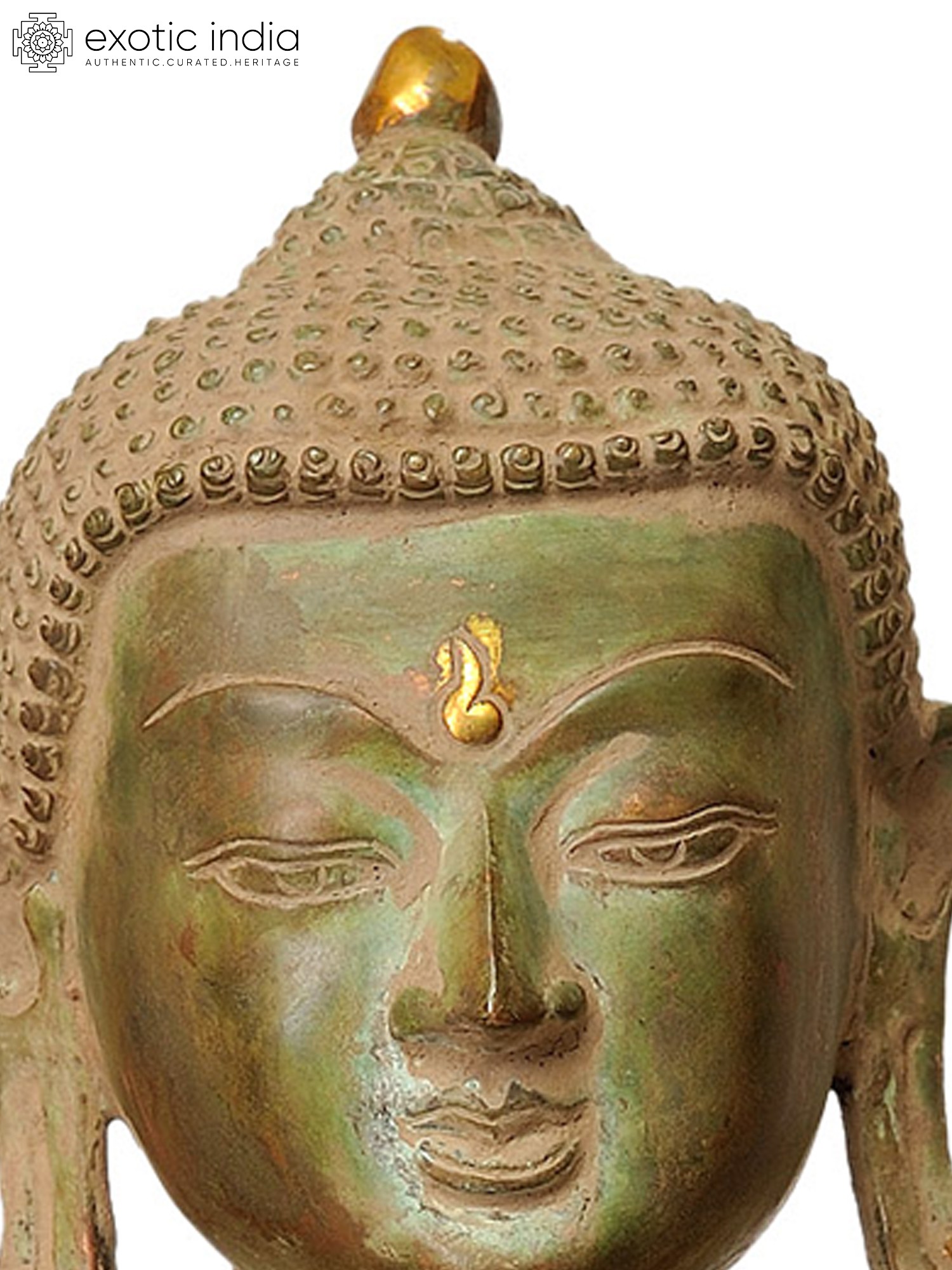
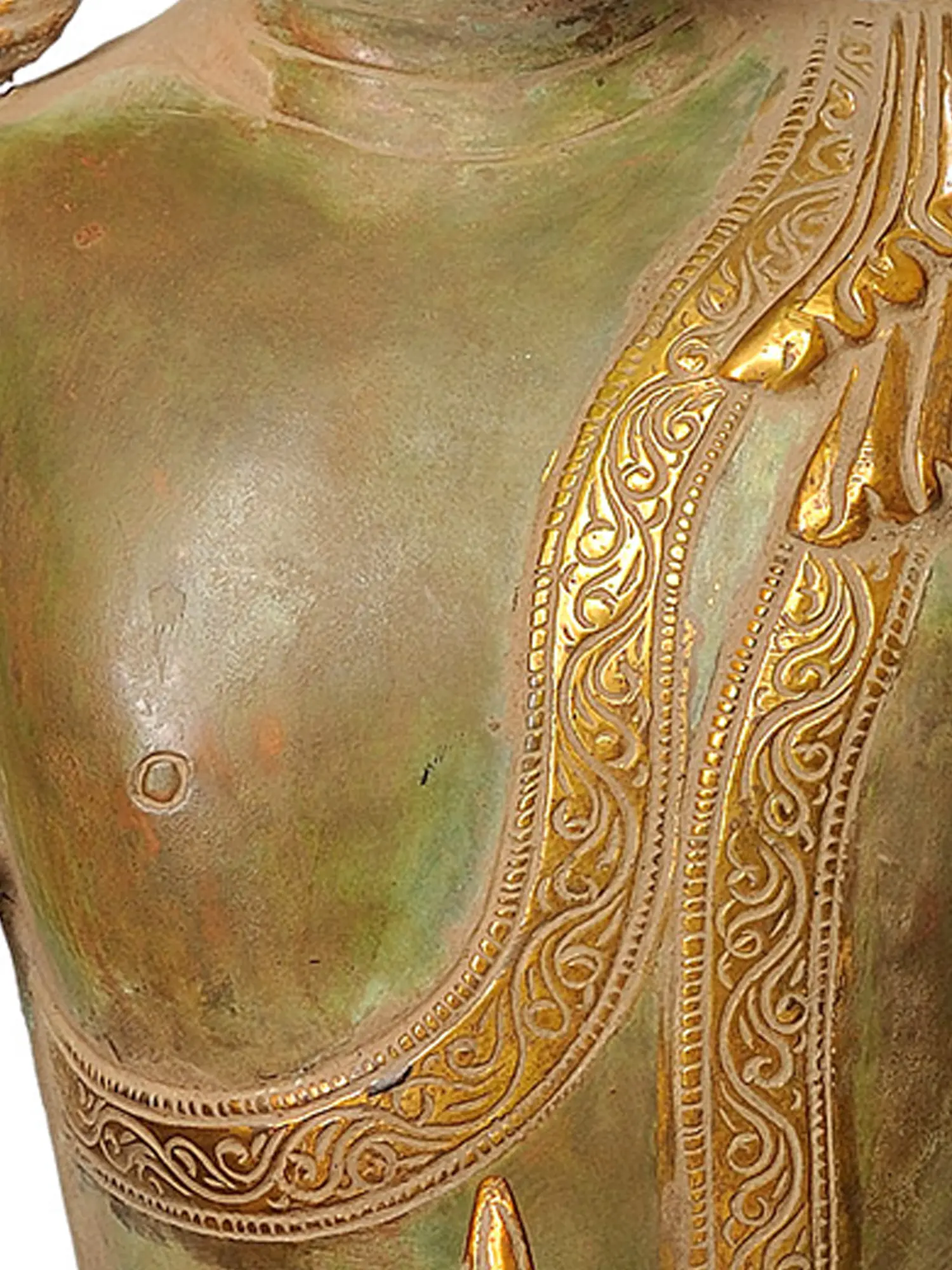
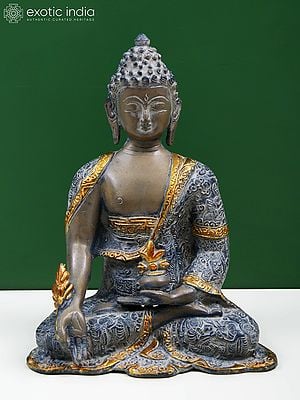
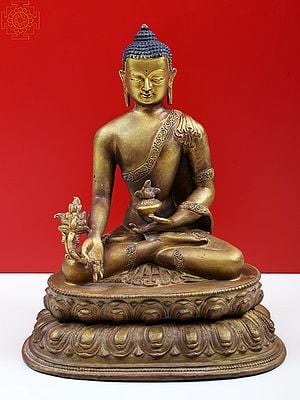
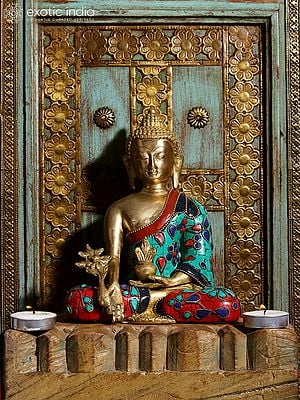
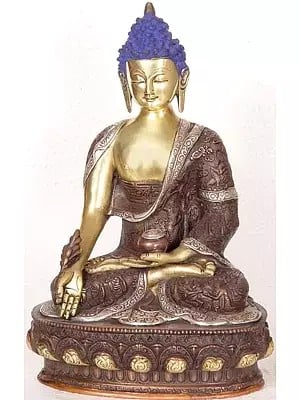
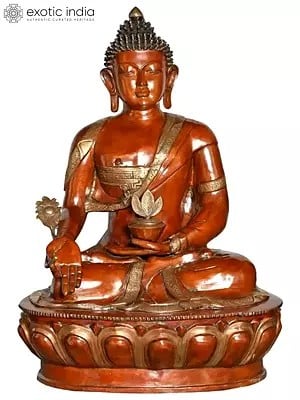
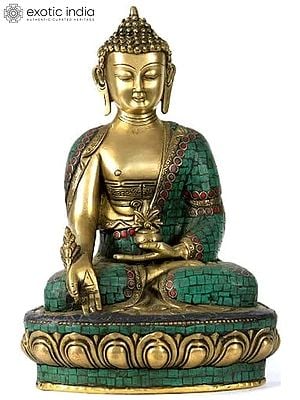
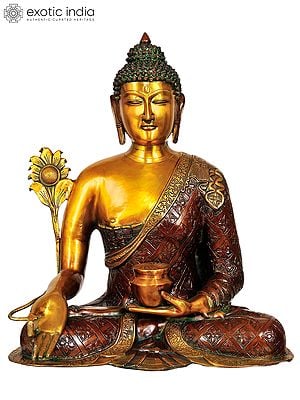
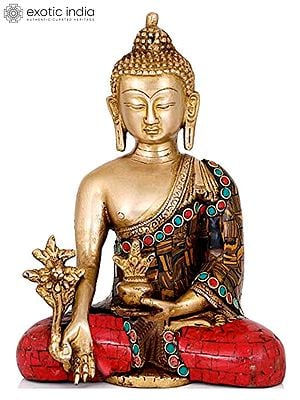
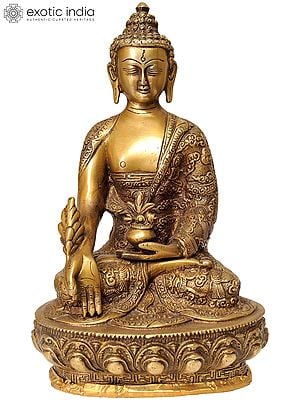
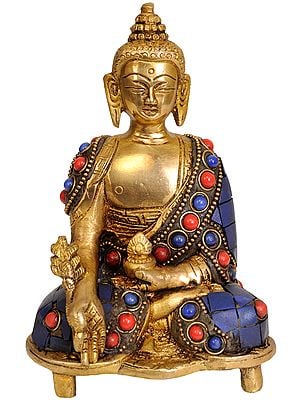
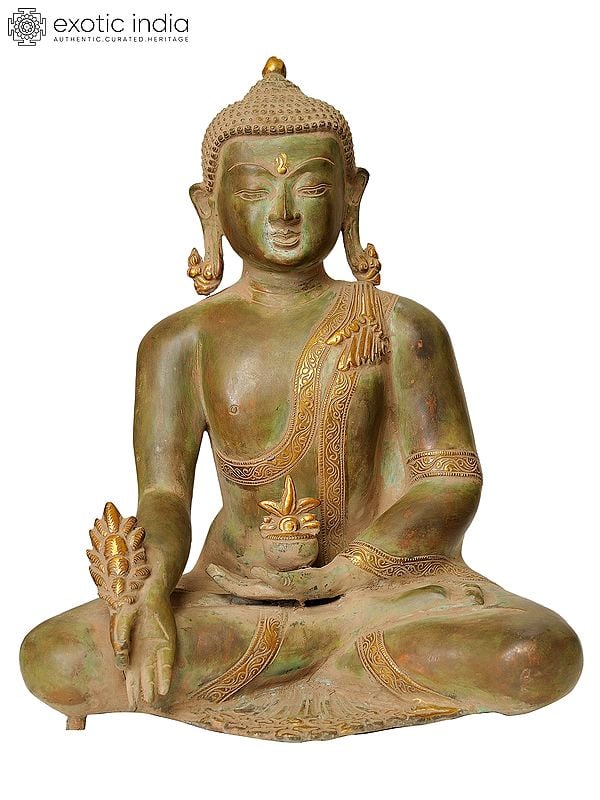
This exquisite brass sculpture captures the serene essence of the Medicine Buddha, Bhaisajyaguru, a revered deity in Tibetan Buddhism. In this profound representation, the Buddha is depicted in the traditional posture of meditation, seated gracefully with legs crossed, embodying tranquility and profound wisdom. The lustrous brass, with its subtle patina, lends an aura of ancient reverence to the deity, making it a focal point of spiritual contemplation and aesthetic delight. Each intricate detail, from the gentle curve of his lips to the urna on his forehead, speaks to the meticulous craftsmanship that has gone into its creation, a testament to the enduring artistic traditions of India.The Physician of the Mind and Body
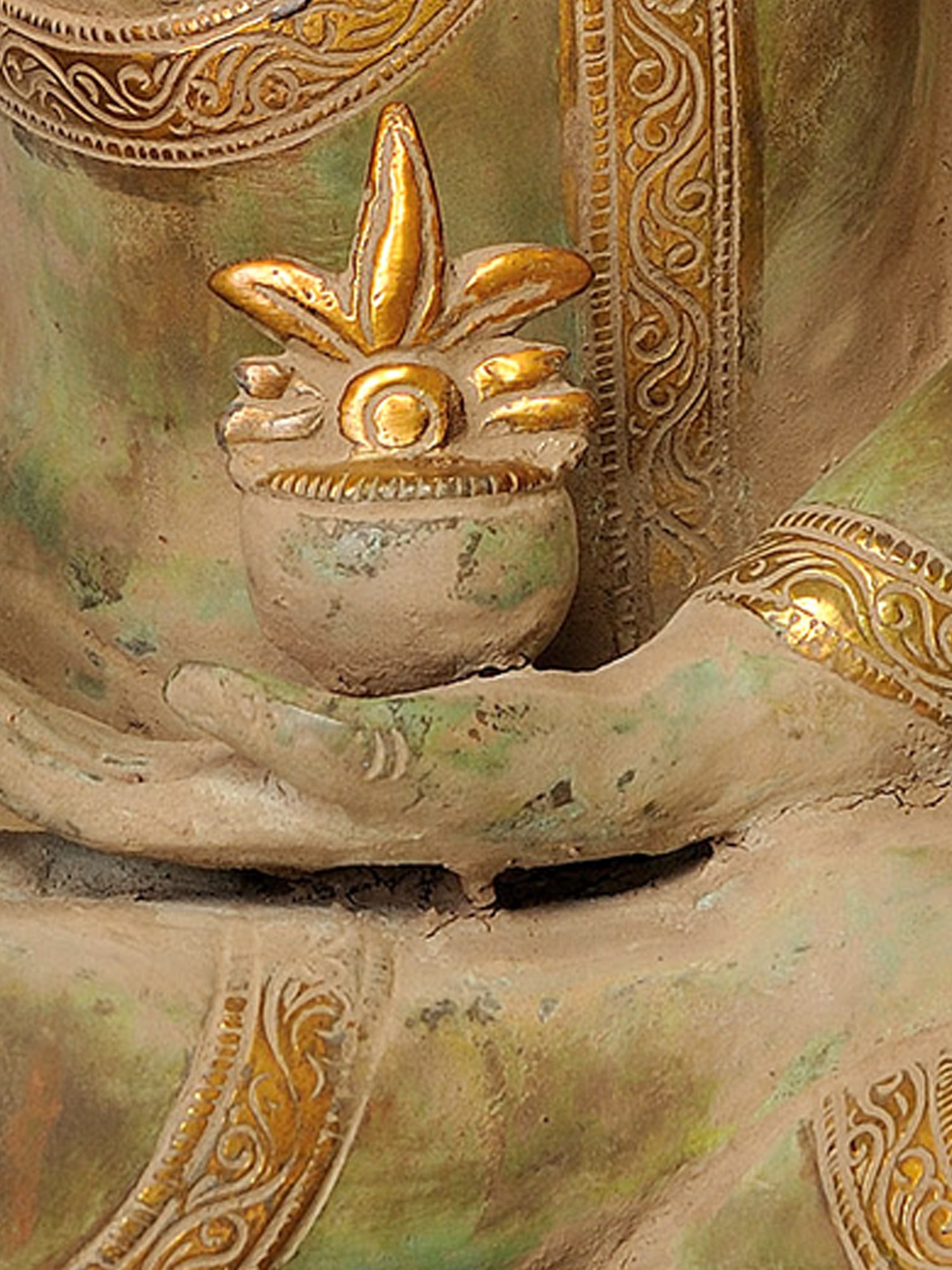
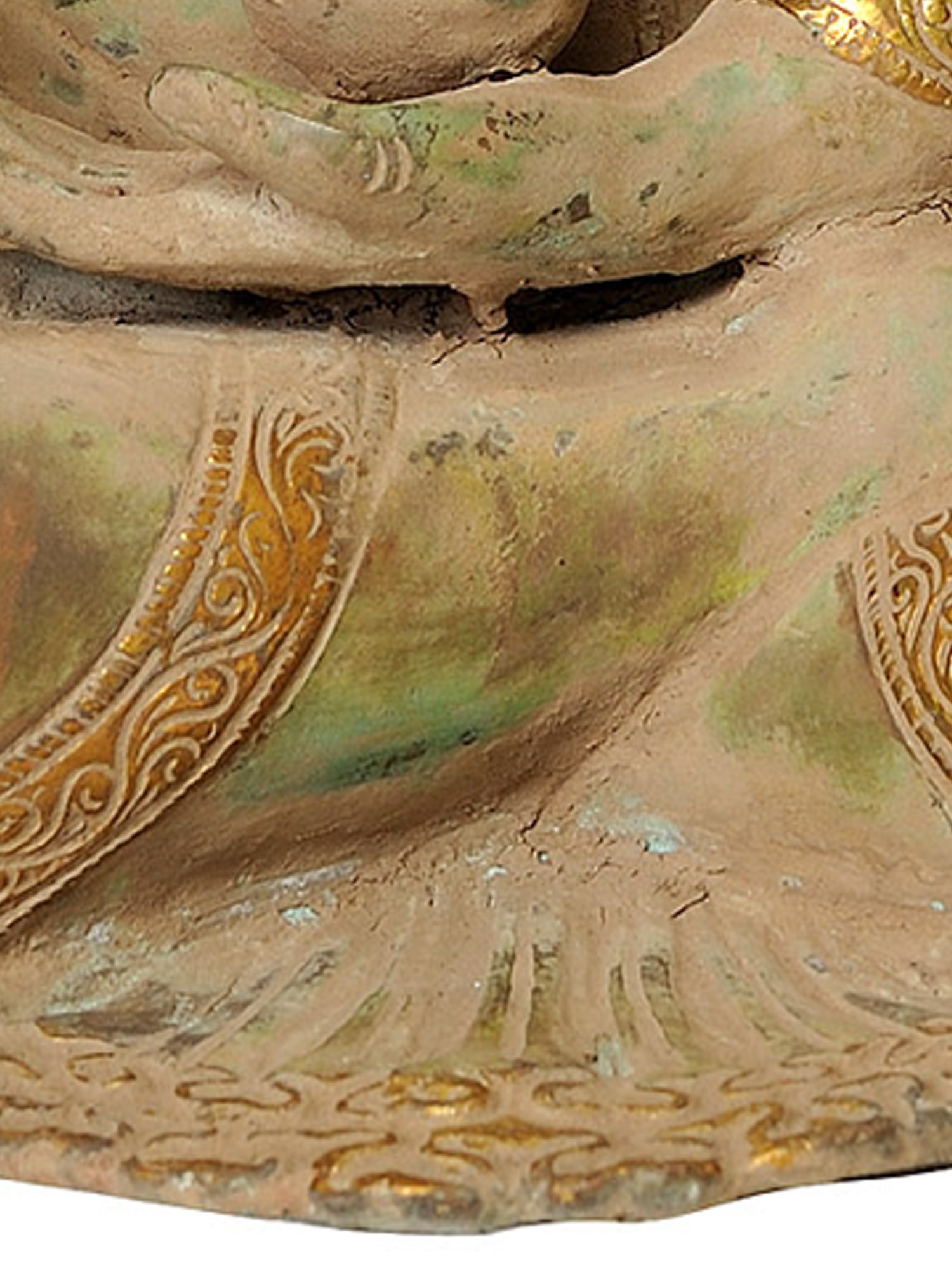
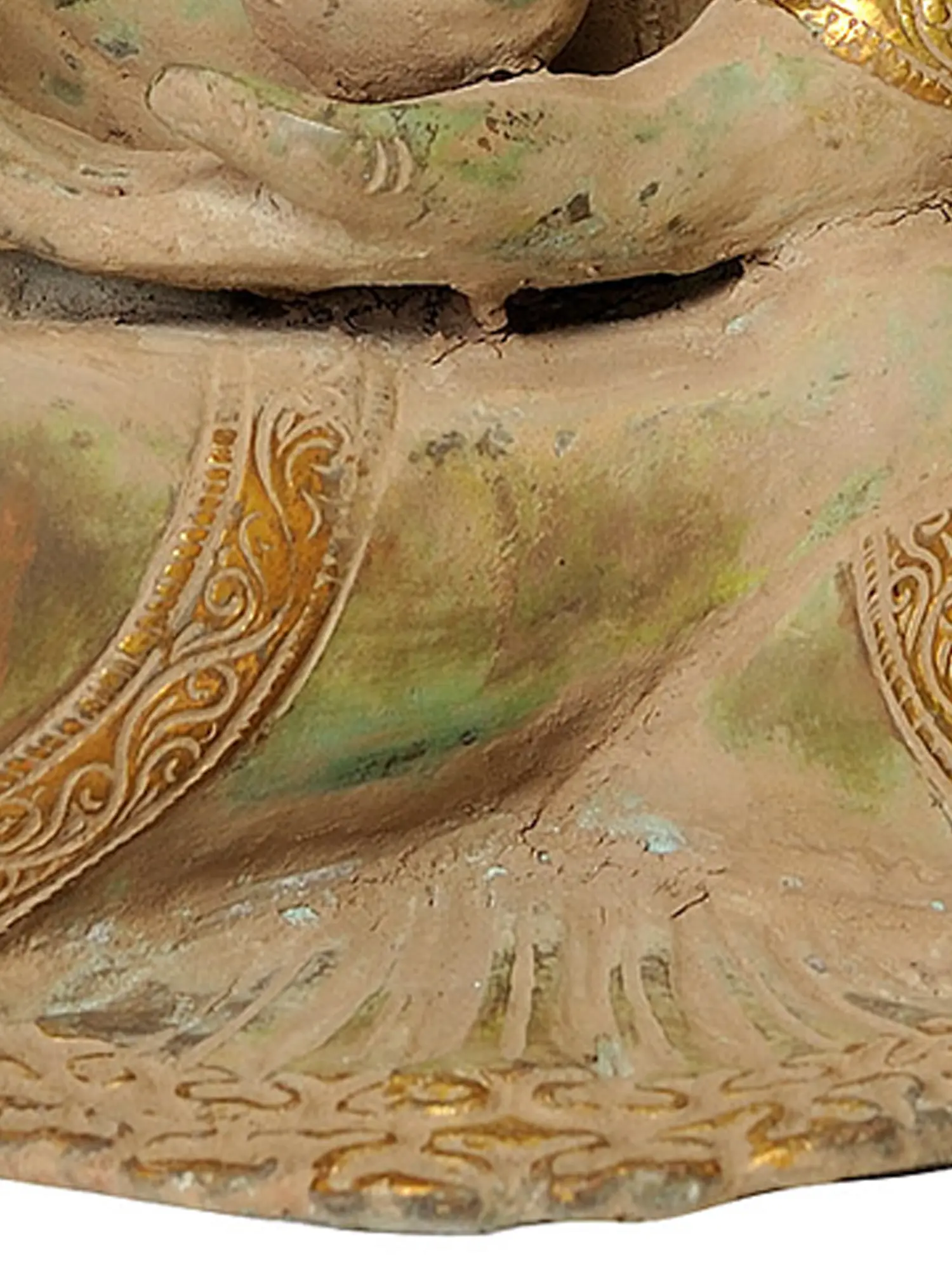
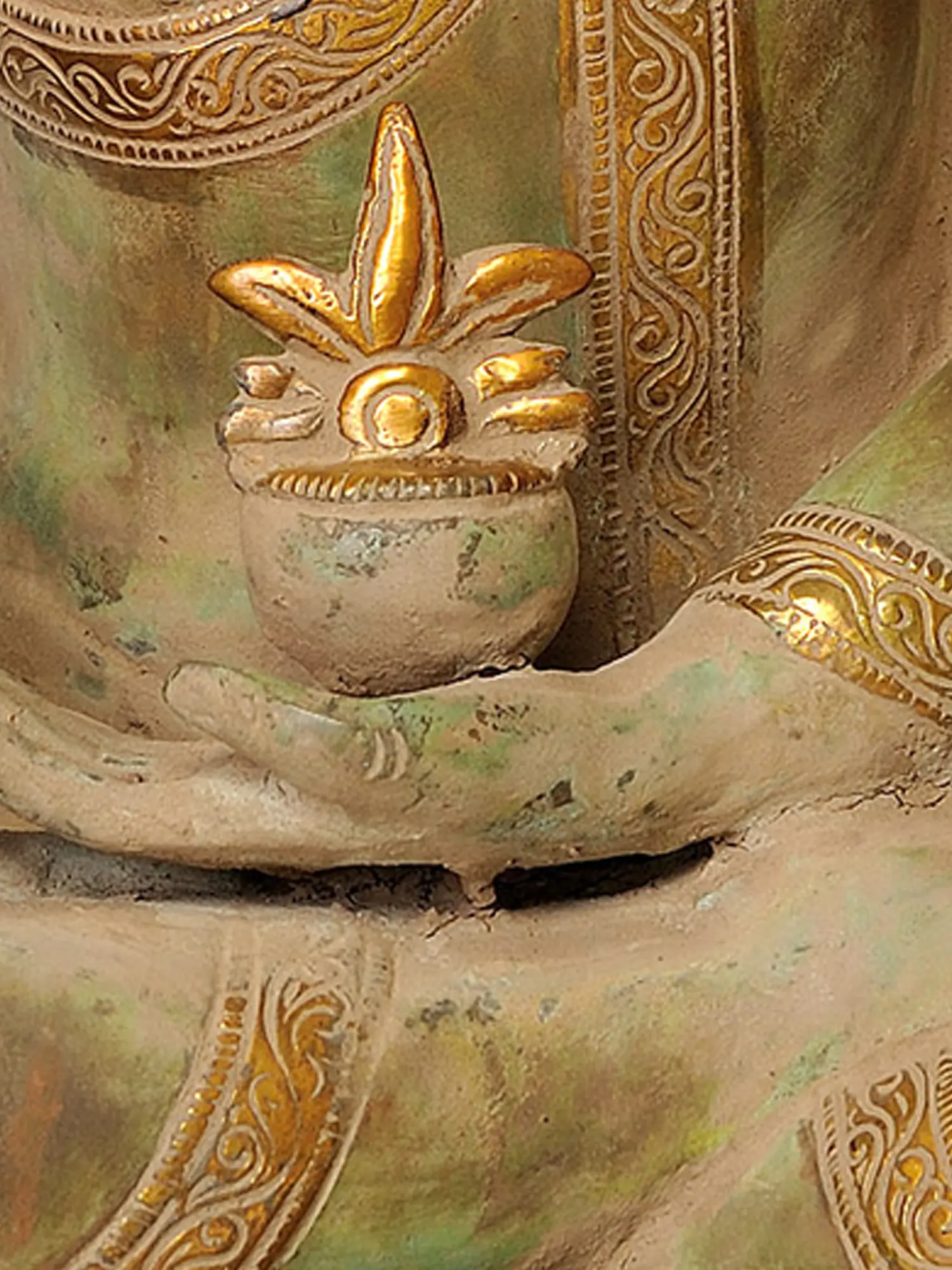
The Medicine Buddha is the manifestation of the healing power of all Buddhas, and his practice is dedicated to alleviating suffering, both physical and mental. Legend has it that the Medicine Buddha made twelve great vows, one of which was to heal all beings from illness and the causes of illness, including ignorance and attachment. In this statue, he holds a medicinal herb, often depicted as the Aruna flower, in his left hand, symbolizing his ability to cure diseases and grant long life. His right hand rests on his knee, palm facing outward, in the gesture of generosity (varada mudra), offering blessings and protection to all who seek his aid. This posture signifies his readiness to respond to the prayers and needs of sentient beings, dispelling fear and bestowing courage.Artistry Rooted in Tradition
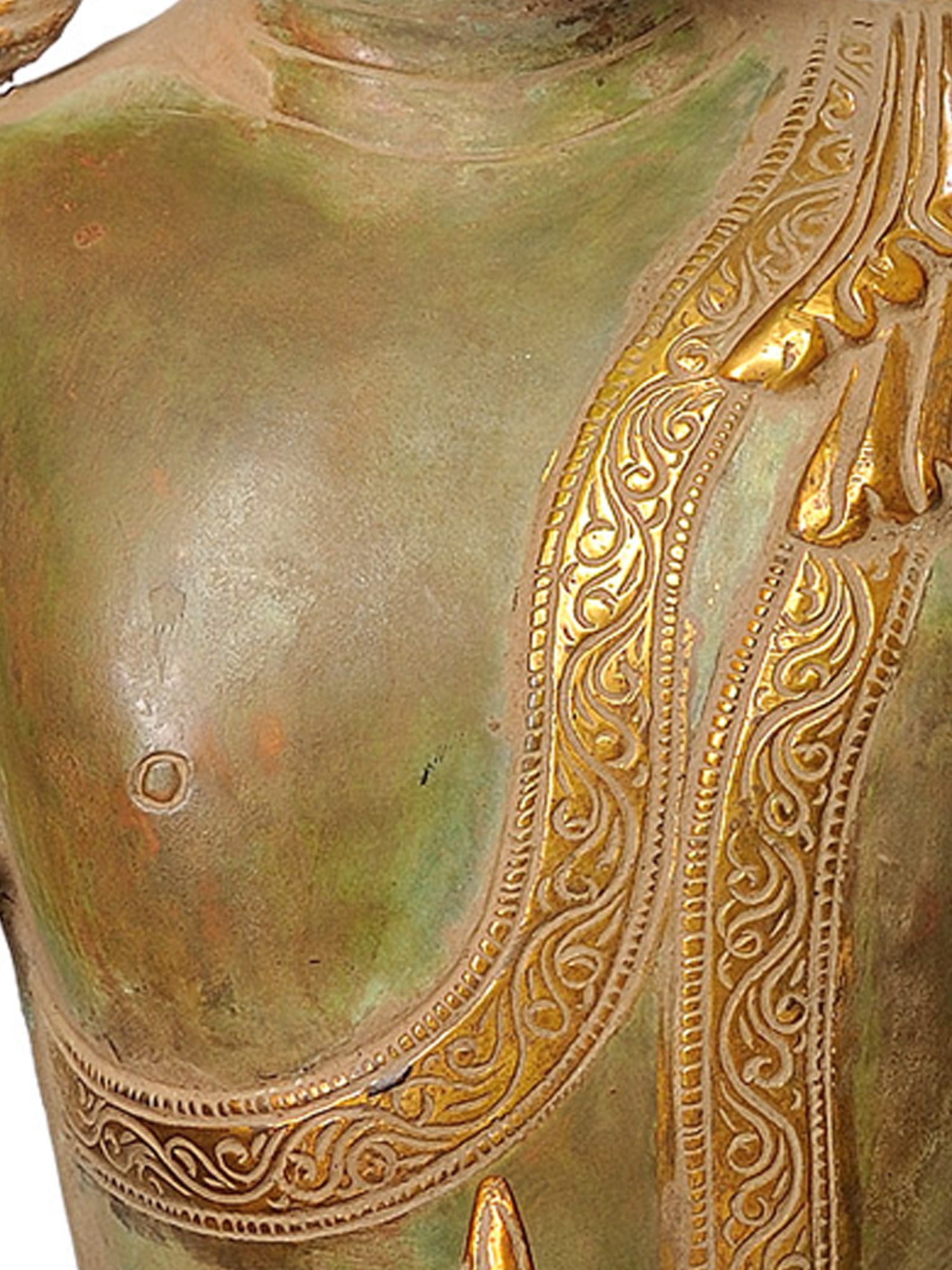
Hand-crafted in India by skilled artisans, this statue is more than just a decorative object; it is a conduit for spiritual energy and a masterpiece of devotional art. The traditional methods of brass casting, passed down through generations, ensure that each piece possesses a unique character and soul. The subtle green patina that graces the surface evokes the verdant growth of the healing plants the Medicine Buddha is associated with, while the finely etched gold accents highlight the divine radiance and ornate robes of the deity. This sculpture is an invitation to cultivate inner peace, promote well-being, and connect with the boundless compassion of the Medicine Buddha. It is a powerful reminder that true healing comes from within, guided by wisdom and sustained by mindful practice.How to keep a Brass statue well-maintained?
Brass statues are known and appreciated for their exquisite beauty and luster. The brilliant bright gold appearance of Brass makes it appropriate for casting aesthetic statues and sculptures. Brass is a metal alloy composed mainly of copper and zinc. This chemical composition makes brass a highly durable and corrosion-resistant material. Due to these properties, Brass statues and sculptures can be kept both indoors as well as outdoors. They also last for many decades without losing all their natural shine.
Brass statues can withstand even harsh weather conditions very well due to their corrosion-resistance properties. However, maintaining the luster and natural beauty of brass statues is essential if you want to prolong their life and appearance.
- The best and simplest way to maintain a brass statue is to clean it at least twice a week using a soft cloth or cotton rag. This will prevent dust from accumulating on the surface. Dusting is especially important for outdoor statues since it is prone to dust accumulation much more than indoors.
- To give a natural shine and luster to the statue, you may apply coconut or olive oil using cotton on every portion. You can use a toothbrush to get to the small crevices but do not be too harsh. This will make the brass statue appear fresh and new with a polished look.
In case you have a colored brass statue, you may apply mustard oil using a soft brush or clean cloth on the brass portion while for the colored portion of the statue, you may use coconut oil with a cotton cloth.
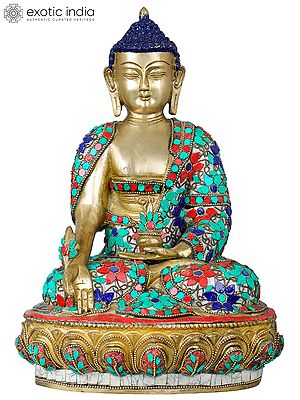
Brass idols of Hindu Gods and Goddesses are especially known for their intricate and detailed work of art. Nepalese sculptures are famous for small brass idols portraying Buddhist deities. These sculptures are beautified with gold gilding and inlay of precious or semi-precious stones. Religious brass statues can be kept at home altars. You can keep a decorative brass statue in your garden or roof to embellish the area and fill it with divinity.







 Upload an Image