Embodiment of Divine Power and Cosmic Cycles
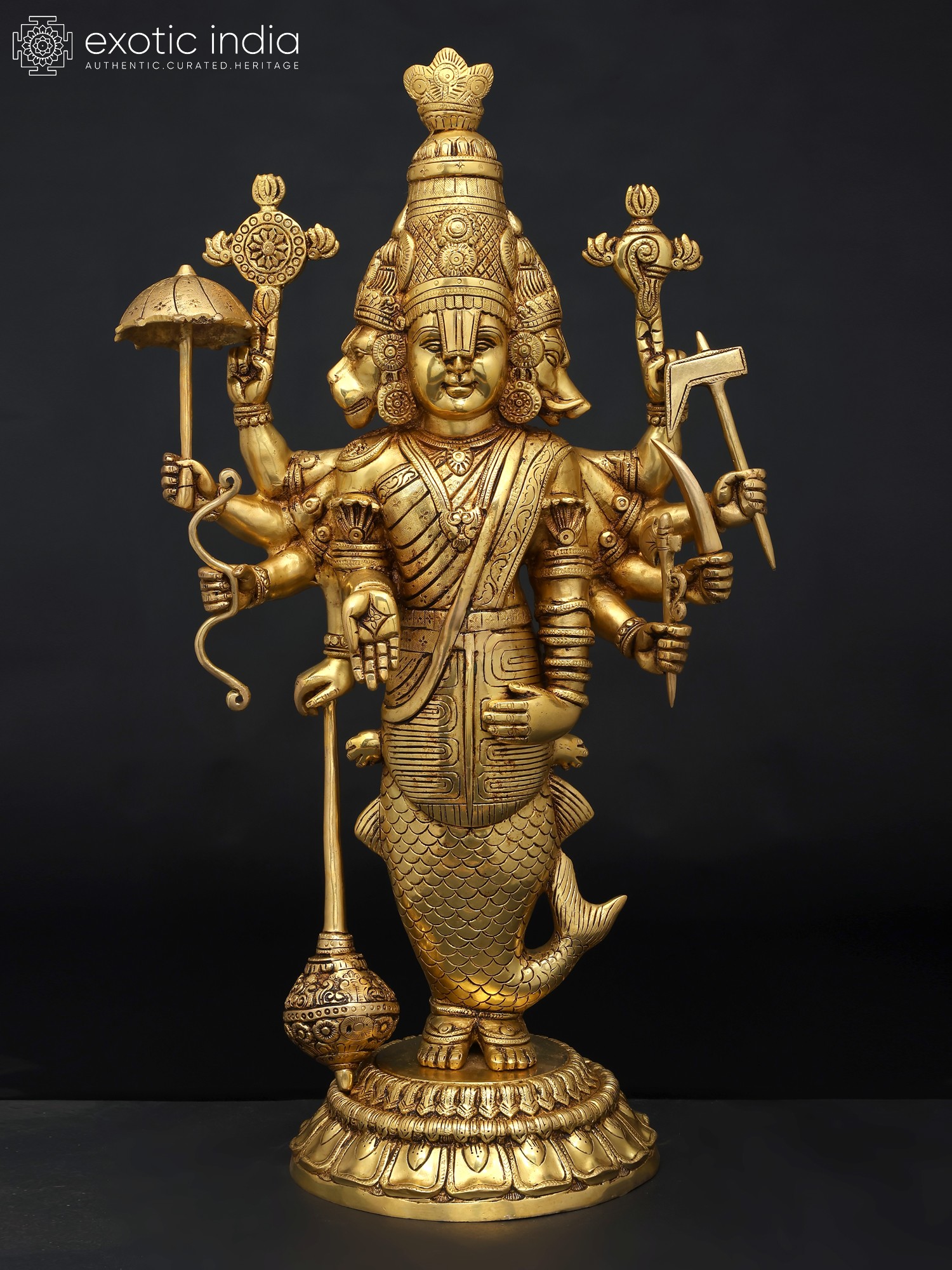
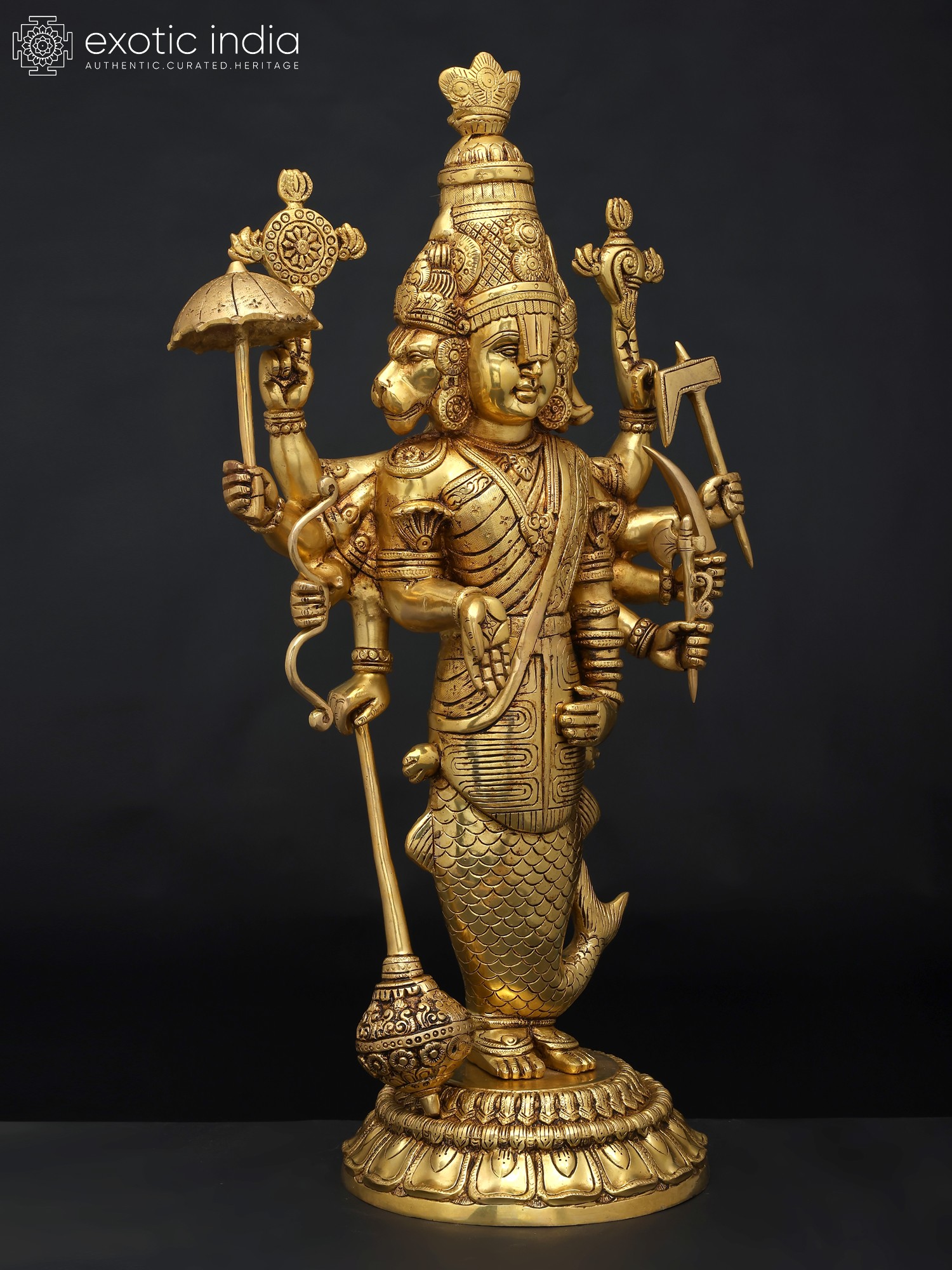
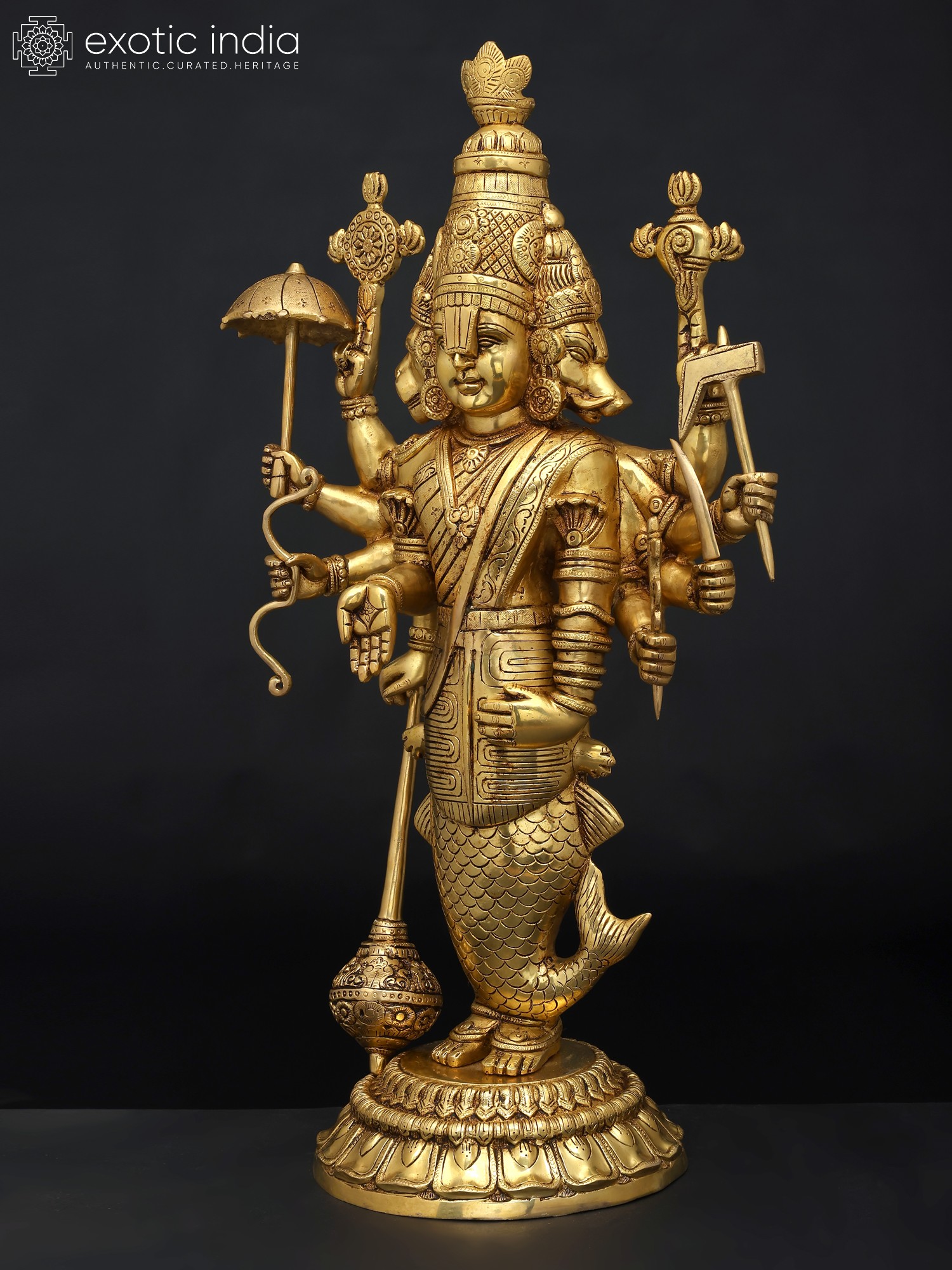
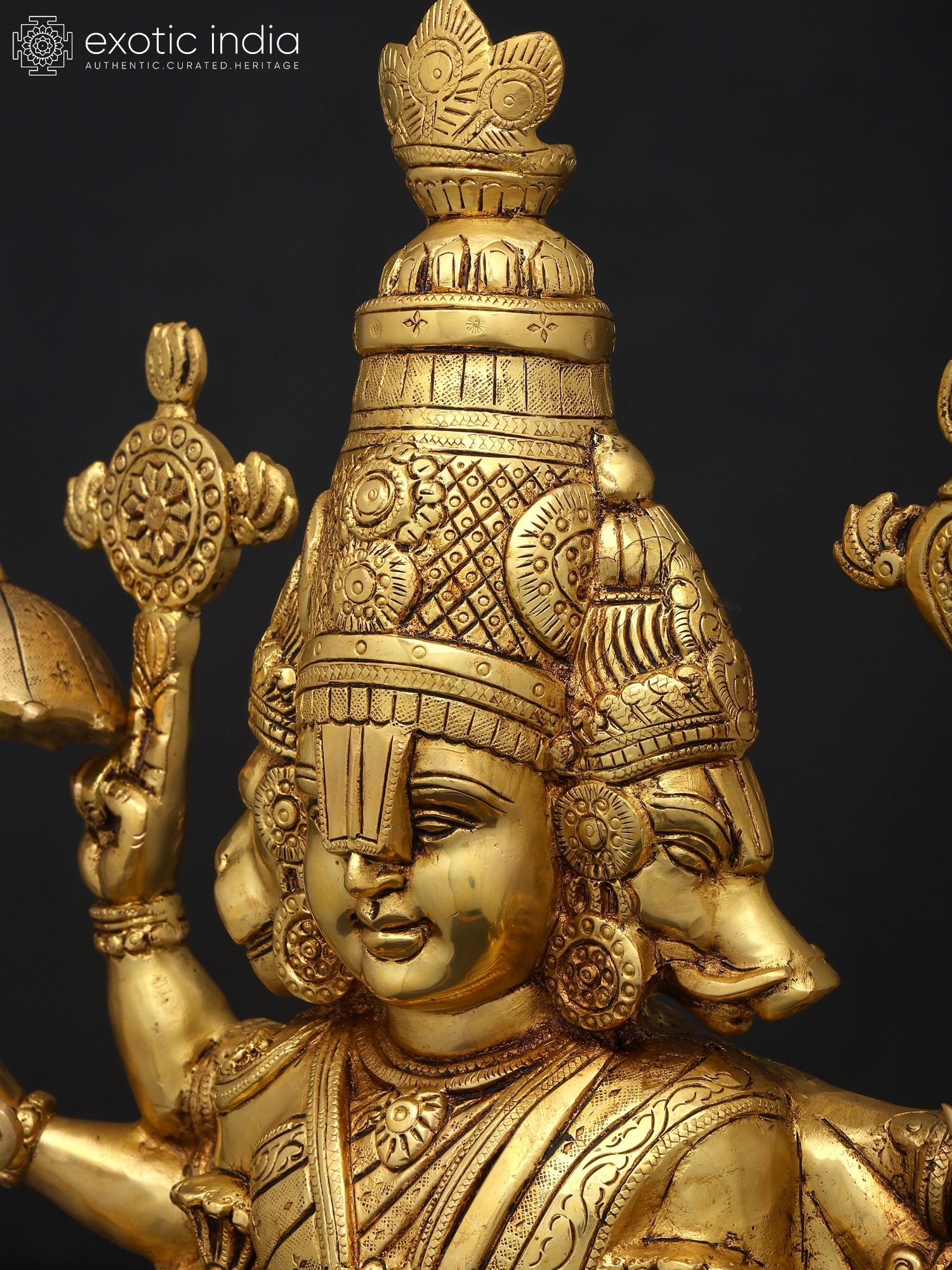
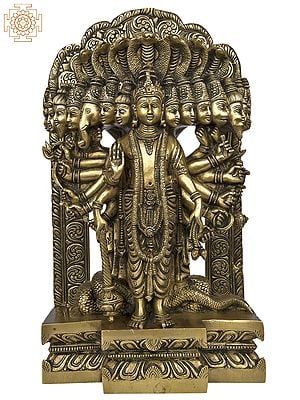
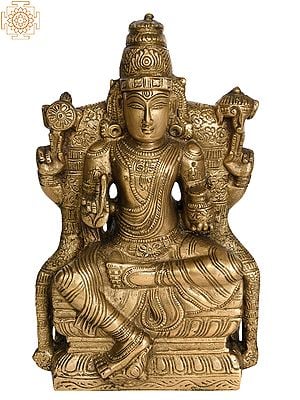
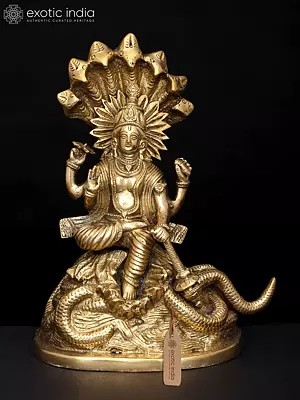
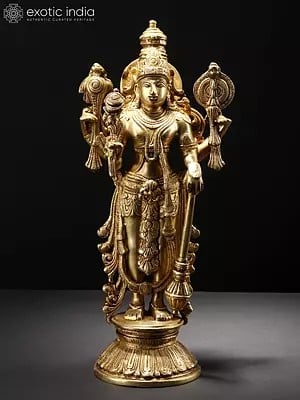
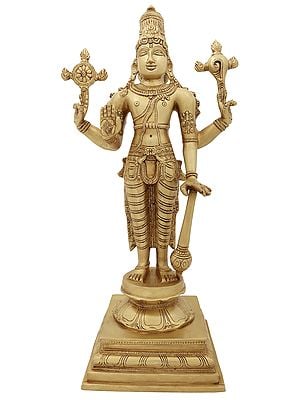
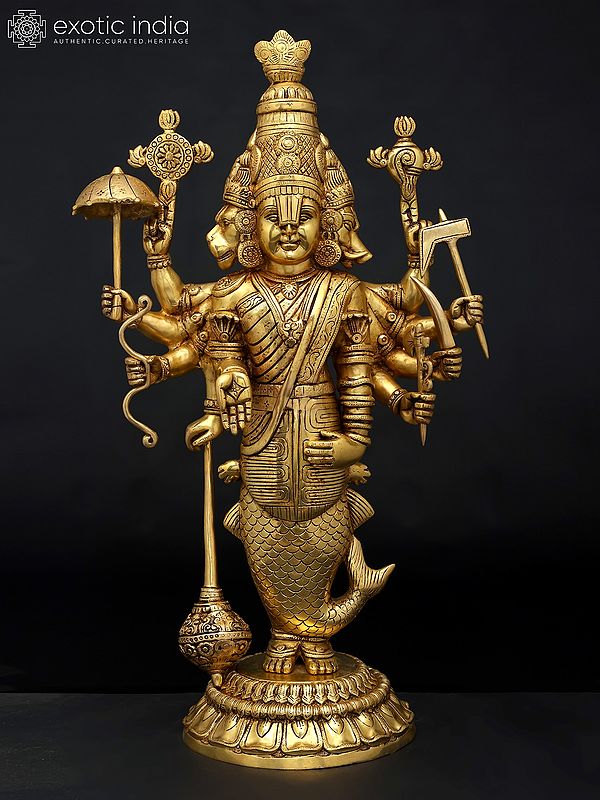
This magnificent brass statue captures the essence of Lord Vishnu in his supreme, cosmic form, a powerful depiction of the preserver and protector of the universe. Crafted with exceptional detail, this piece stands as a testament to ancient artistry and deep spiritual significance. Lord Vishnu, revered in Hinduism, is the embodiment of order and righteousness, whose divine interventions are crucial for the sustenance and balance of all creation.
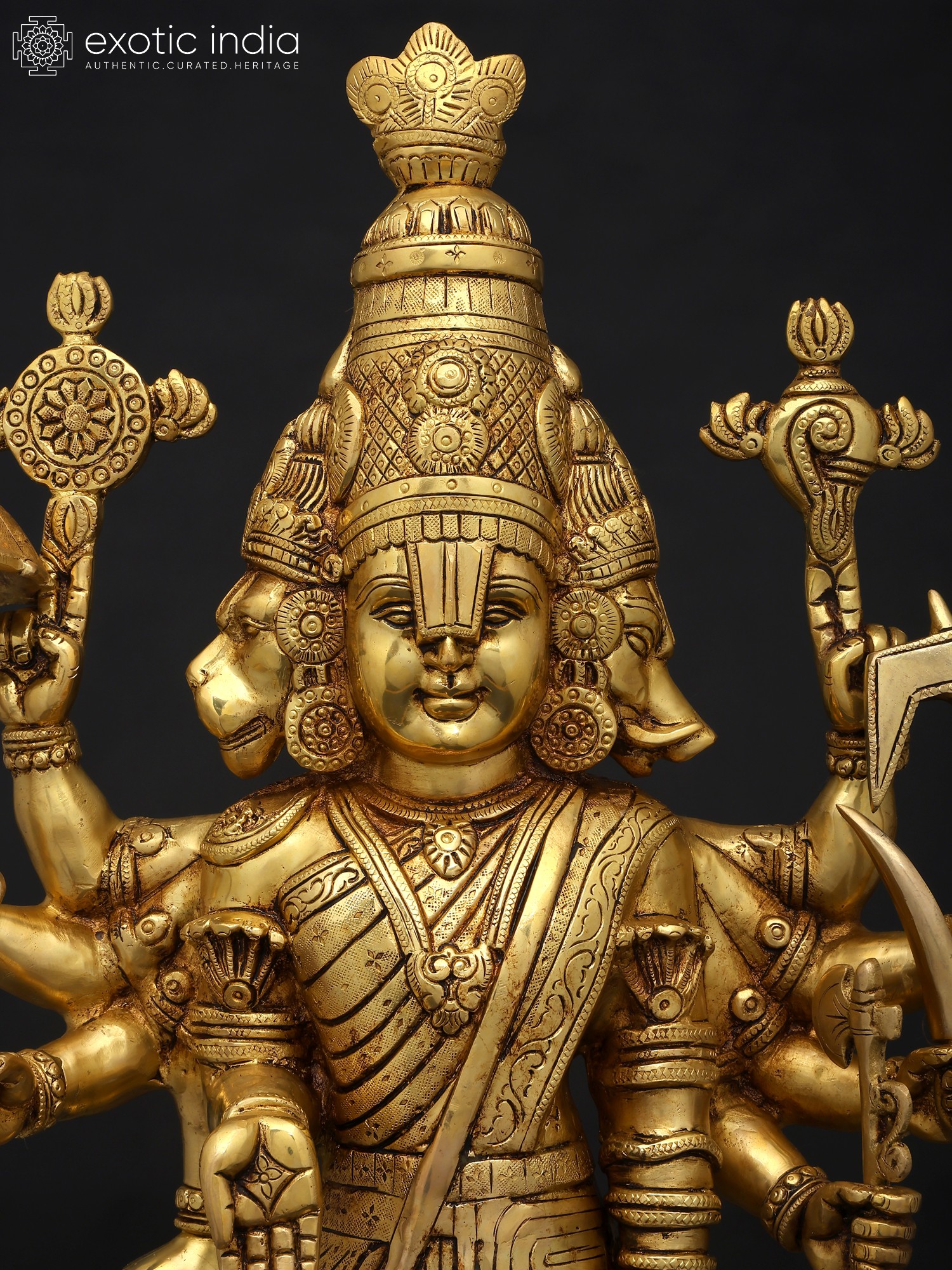
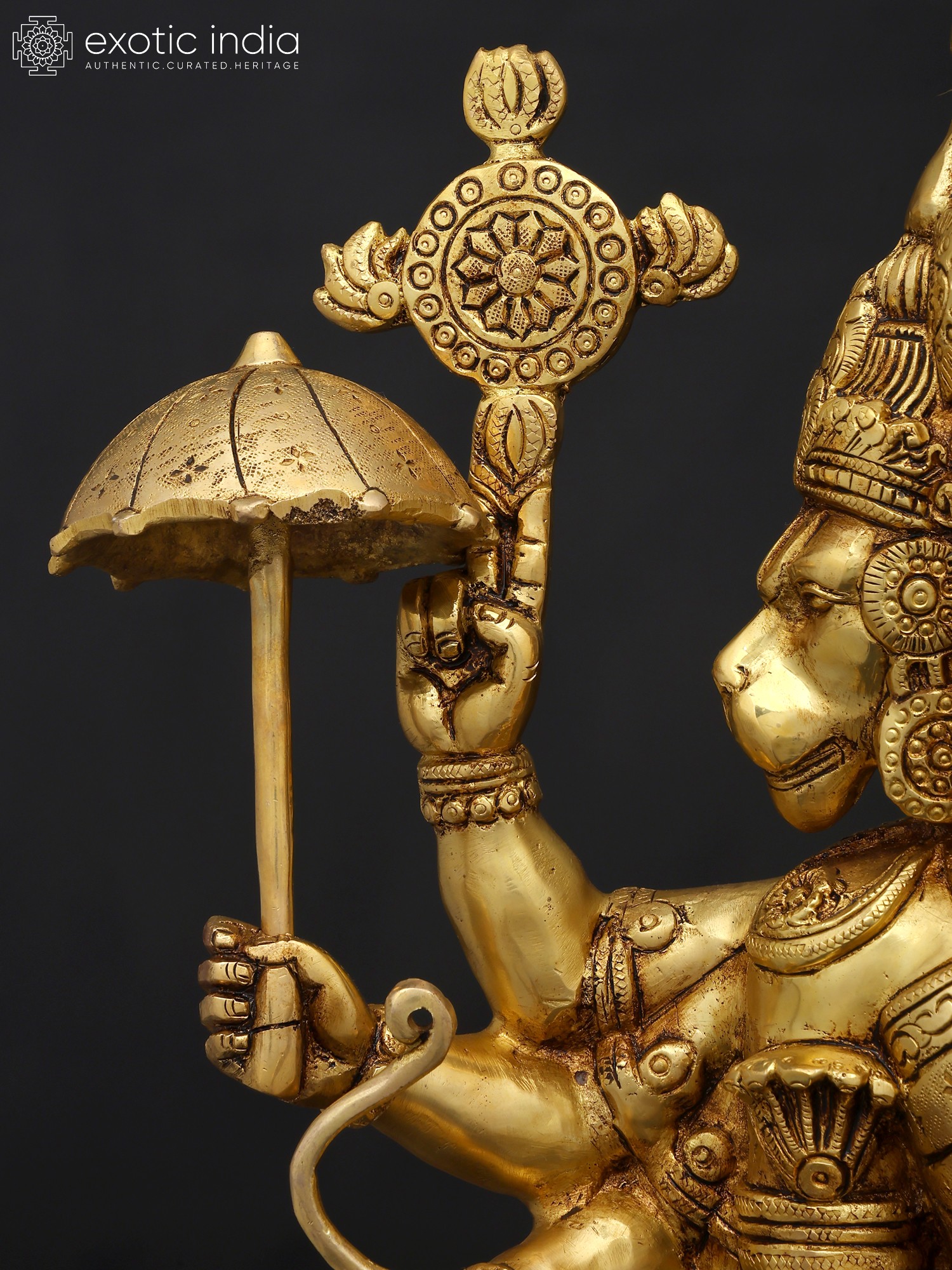
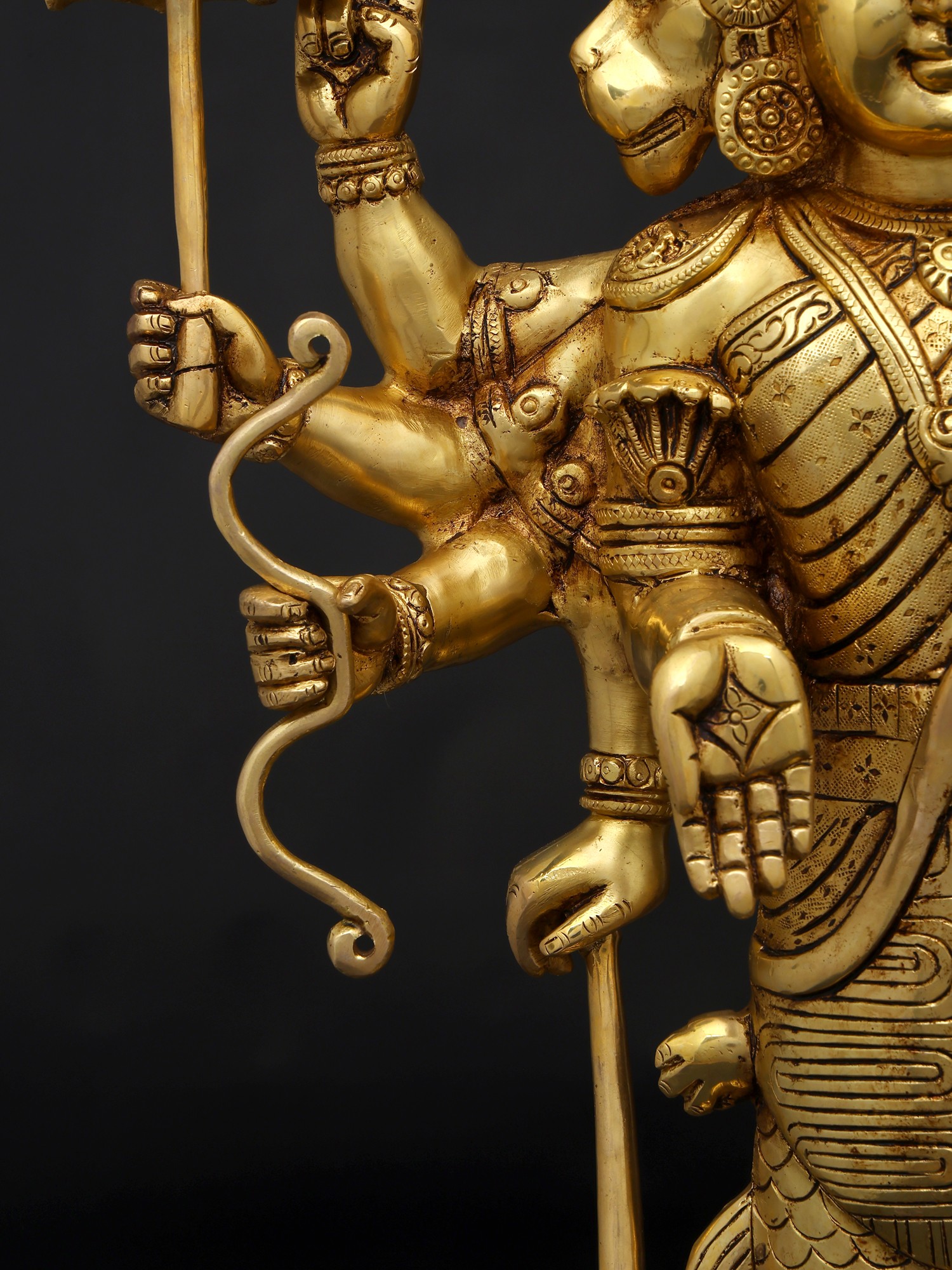
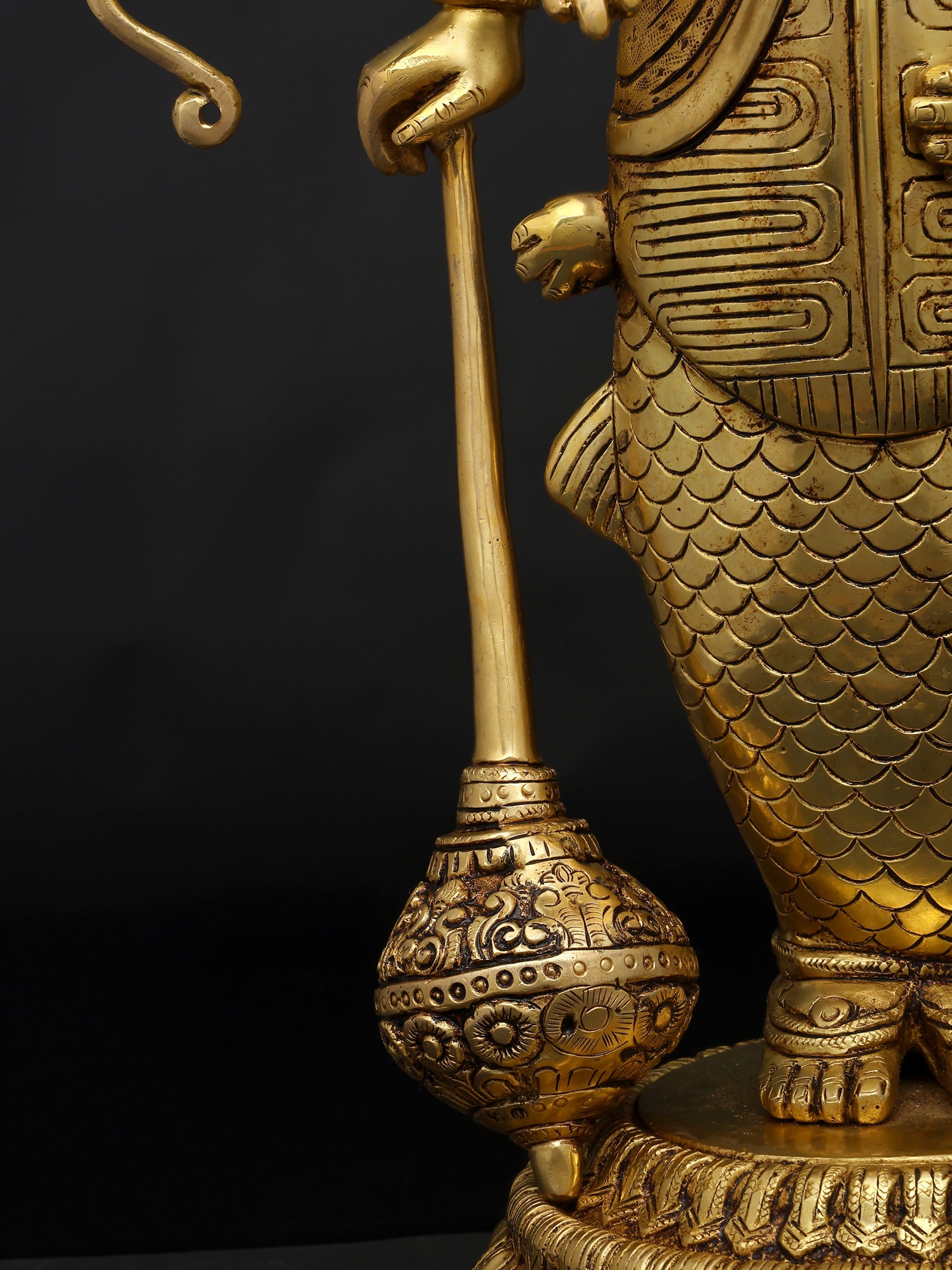
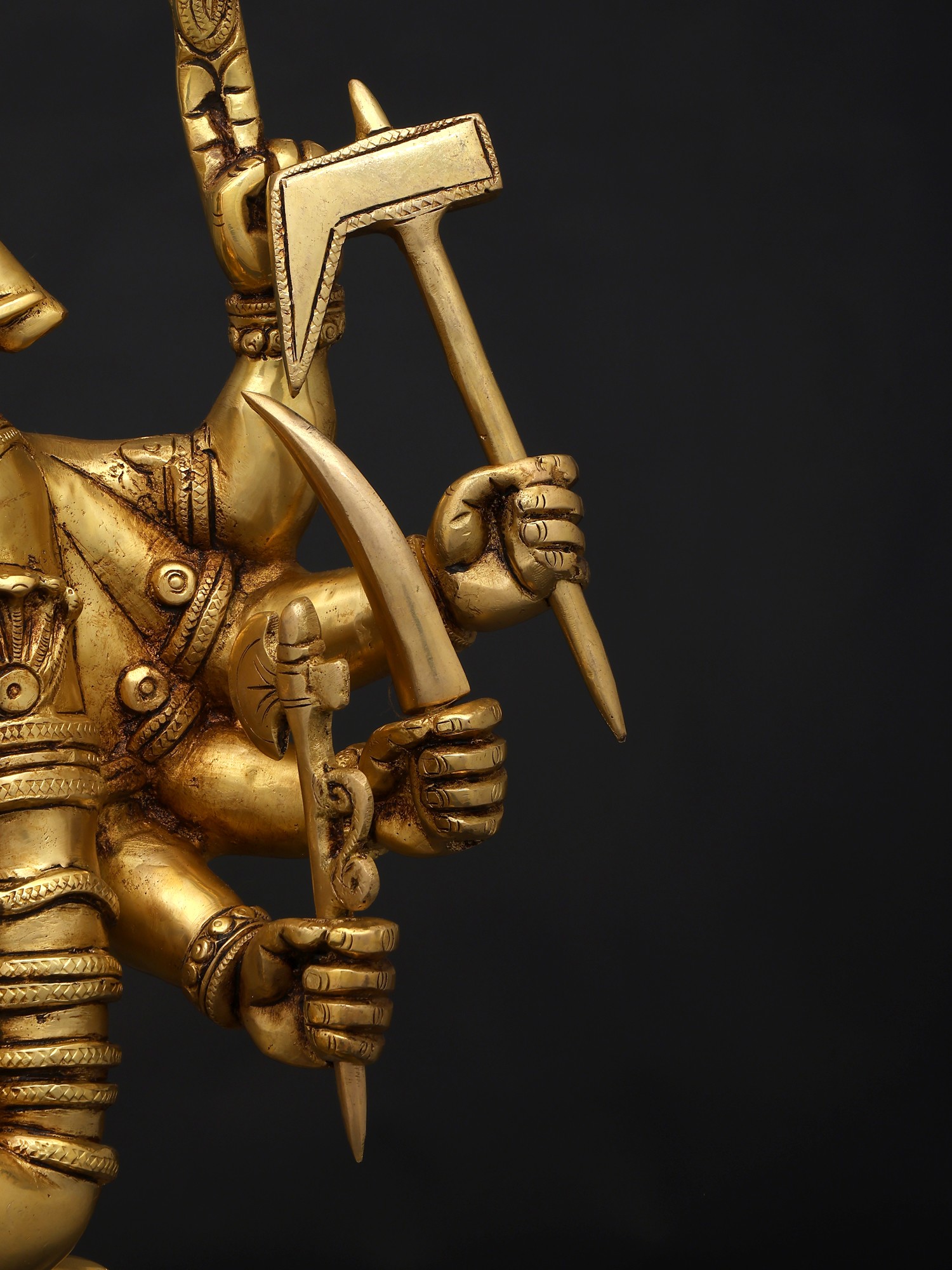
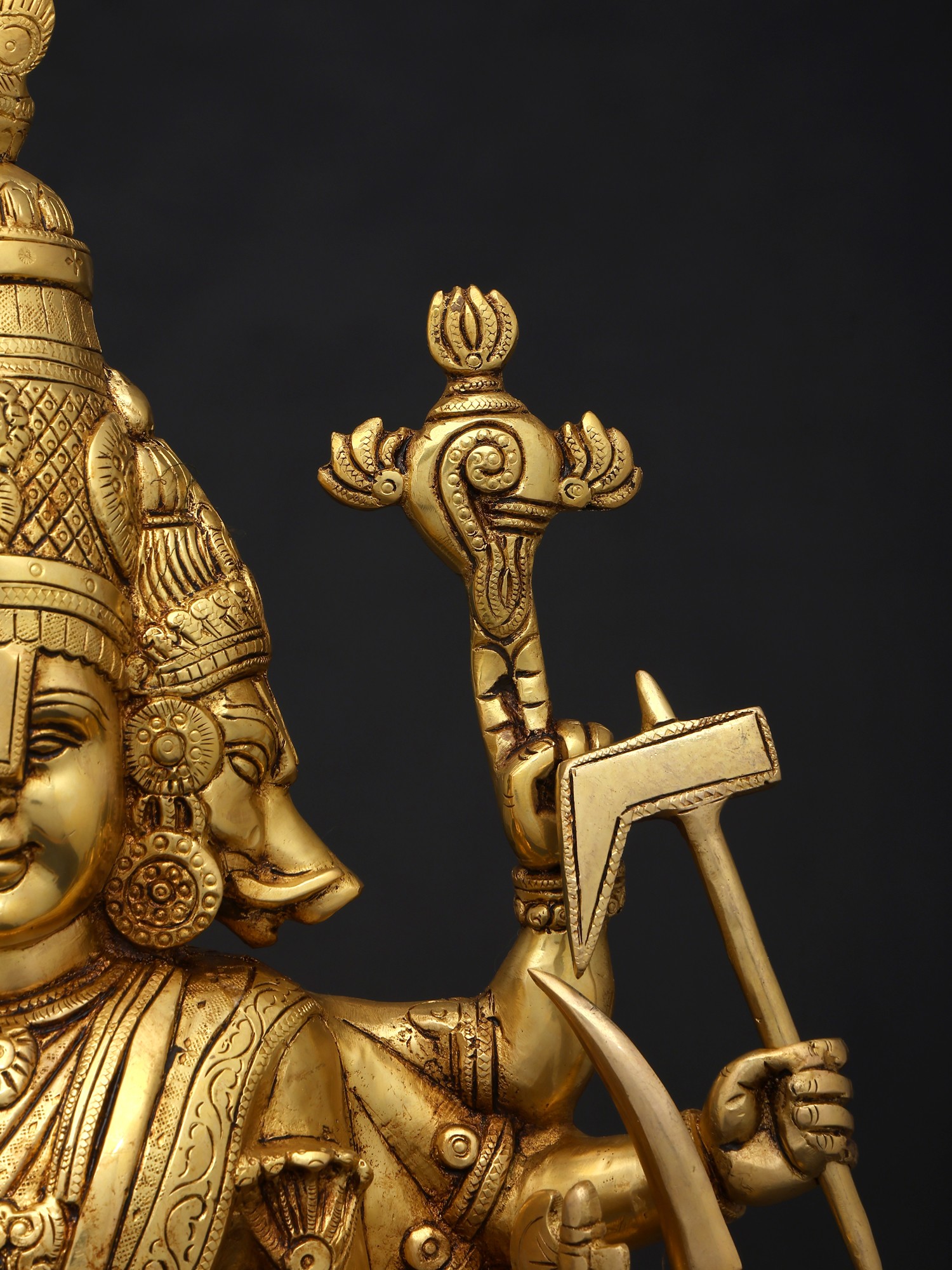
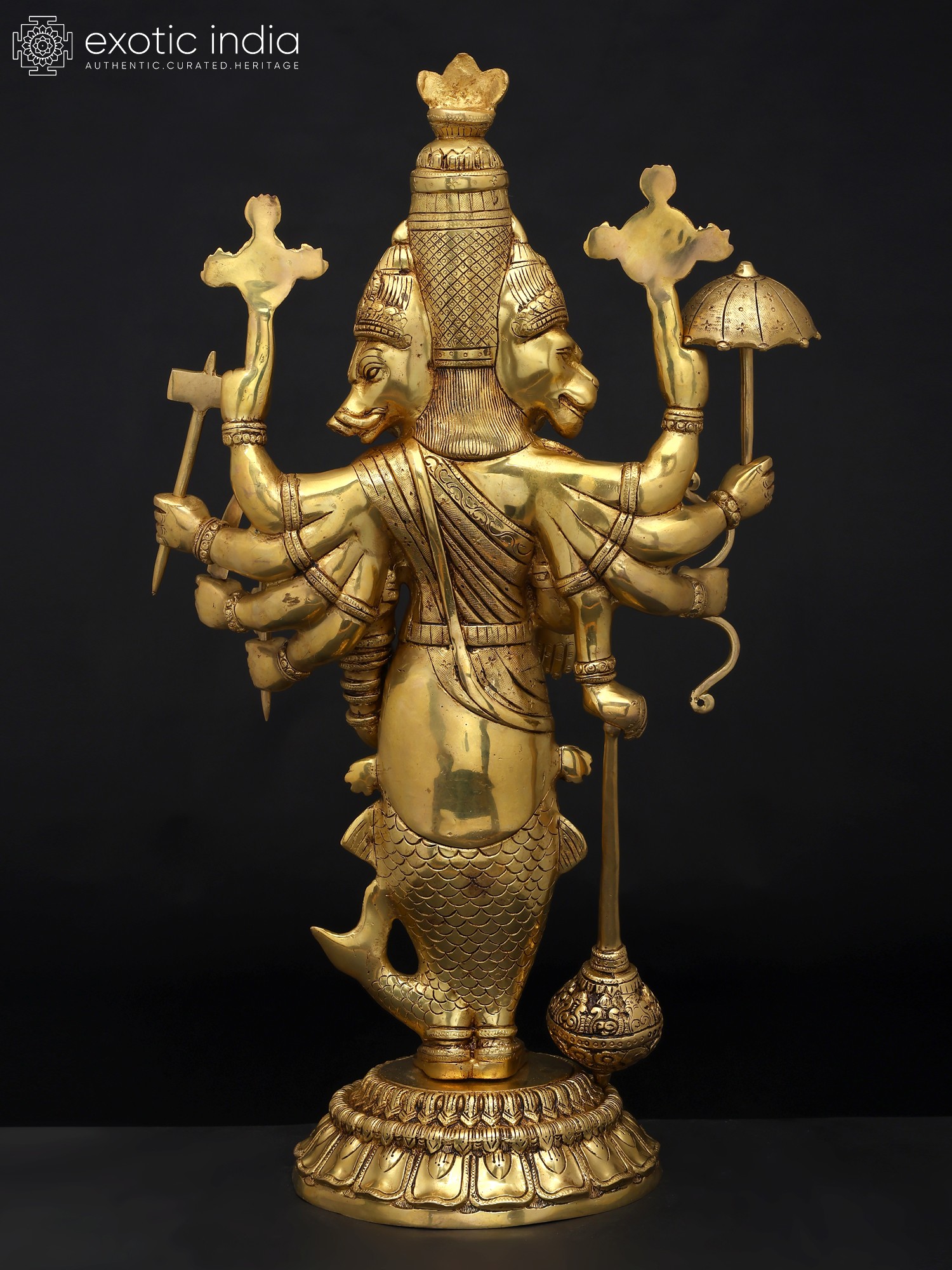
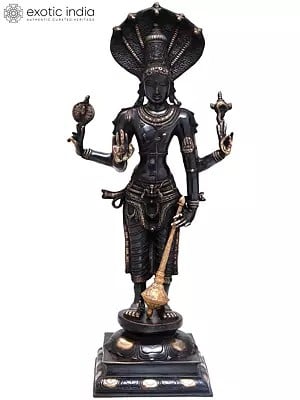
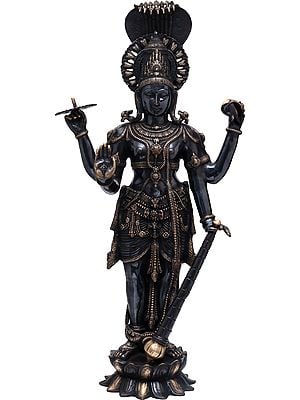
The sculpture showcases Vishnu with a multiplicity of arms, each poised to wield a divine implement. The sheer number of hands signifies his omnipresence and his ability to simultaneously manage the myriad aspects of existence. From the graceful curve of the bow and arrow to the formidable mace, each attribute represents a facet of his cosmic power. Notice the subtle yet powerful depiction of the Chakra, his divine discus, a symbol of his ceaseless vigilance and the cyclical nature of time.
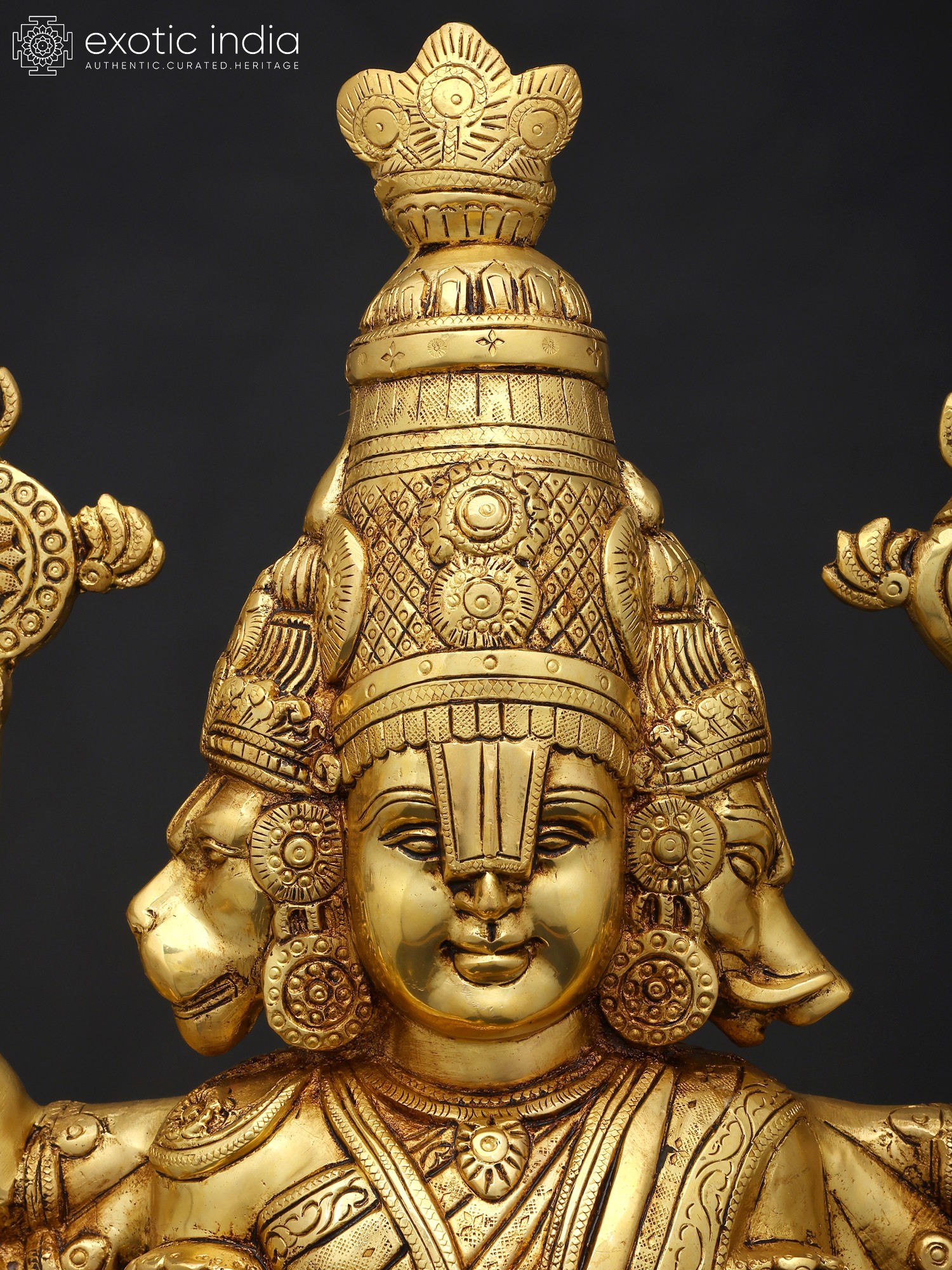
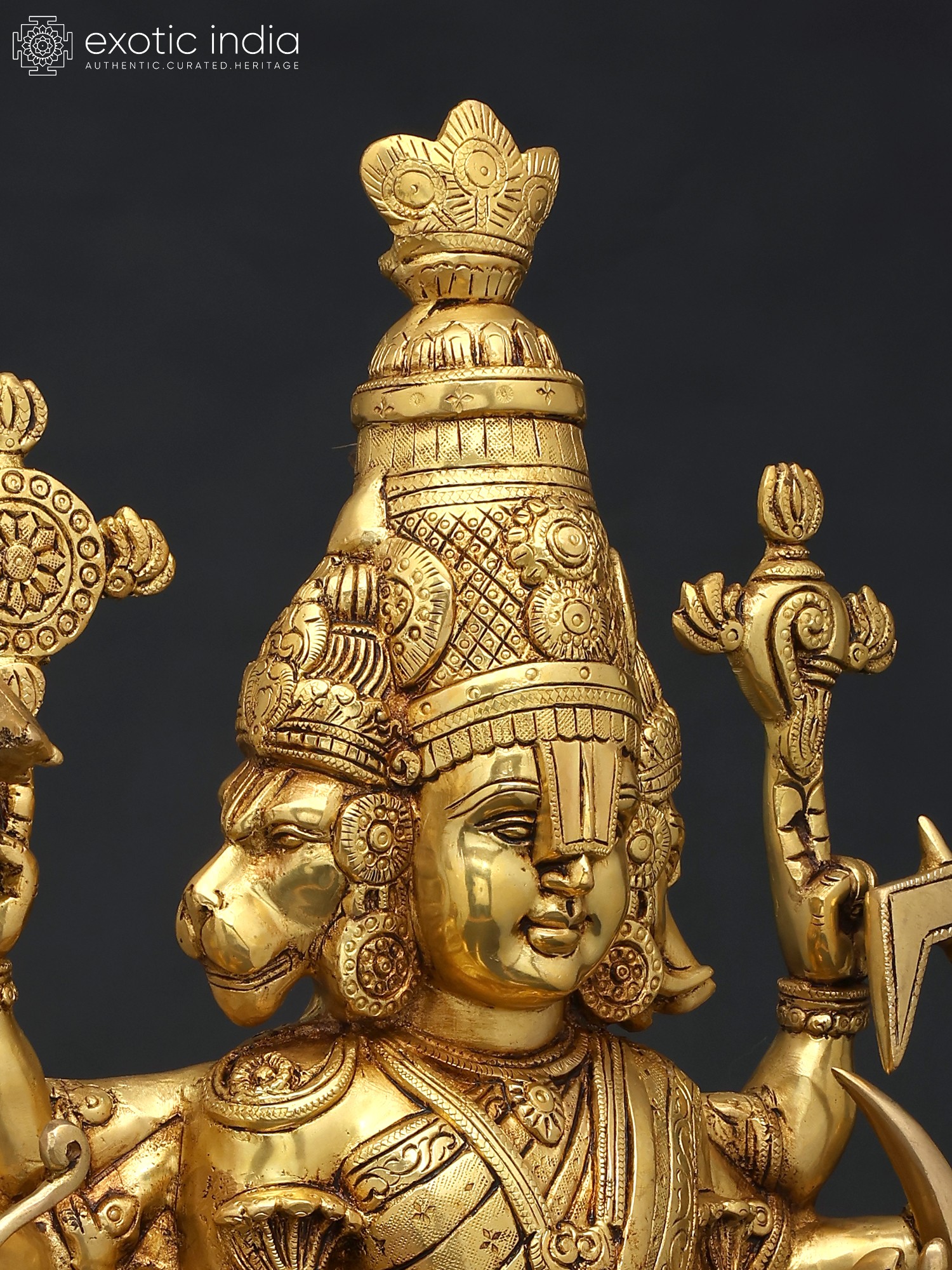
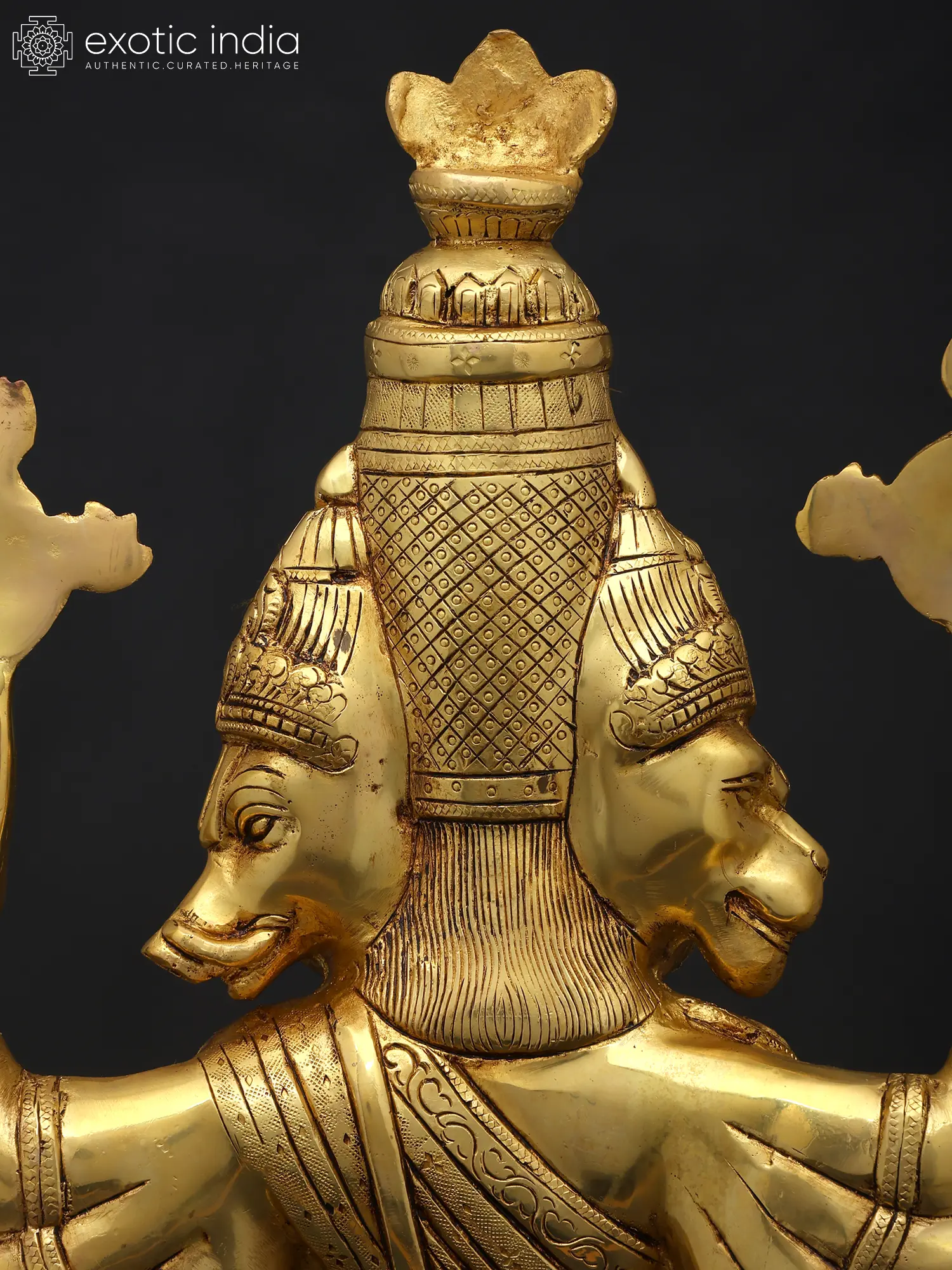
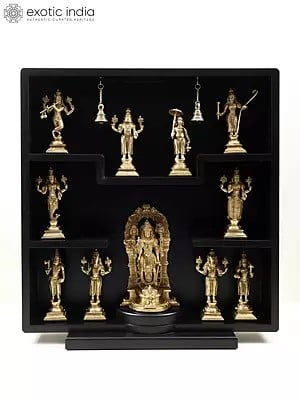
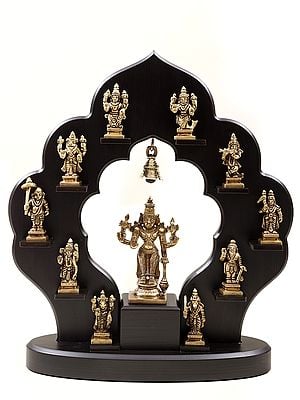
Central to this representation is the inclusion of the Dashavatara, the ten principal avatars or incarnations of Vishnu. Though not explicitly delineated as individual figures, their cumulative presence and the celestial aura surrounding this form allude to these crucial manifestations. The Dashavatara are the divine ten, each appearing in different epochs to restore dharma (righteousness) when the world is threatened by chaos. From the aquatic Matsya to the boar Varaha, the man-lion Narasimha, the dwarf Vamana, the axe-wielding Parashurama, the kingly Rama, the blue-skinned Krishna, the enlightened Buddha, and the yet-to-come Kalki, each avatar plays a unique role in the grand cosmic drama. The fusion of these forms into a singular, awe-inspiring entity speaks to the interconnectedness of all divine actions and the ultimate unity of Vishnu's power.
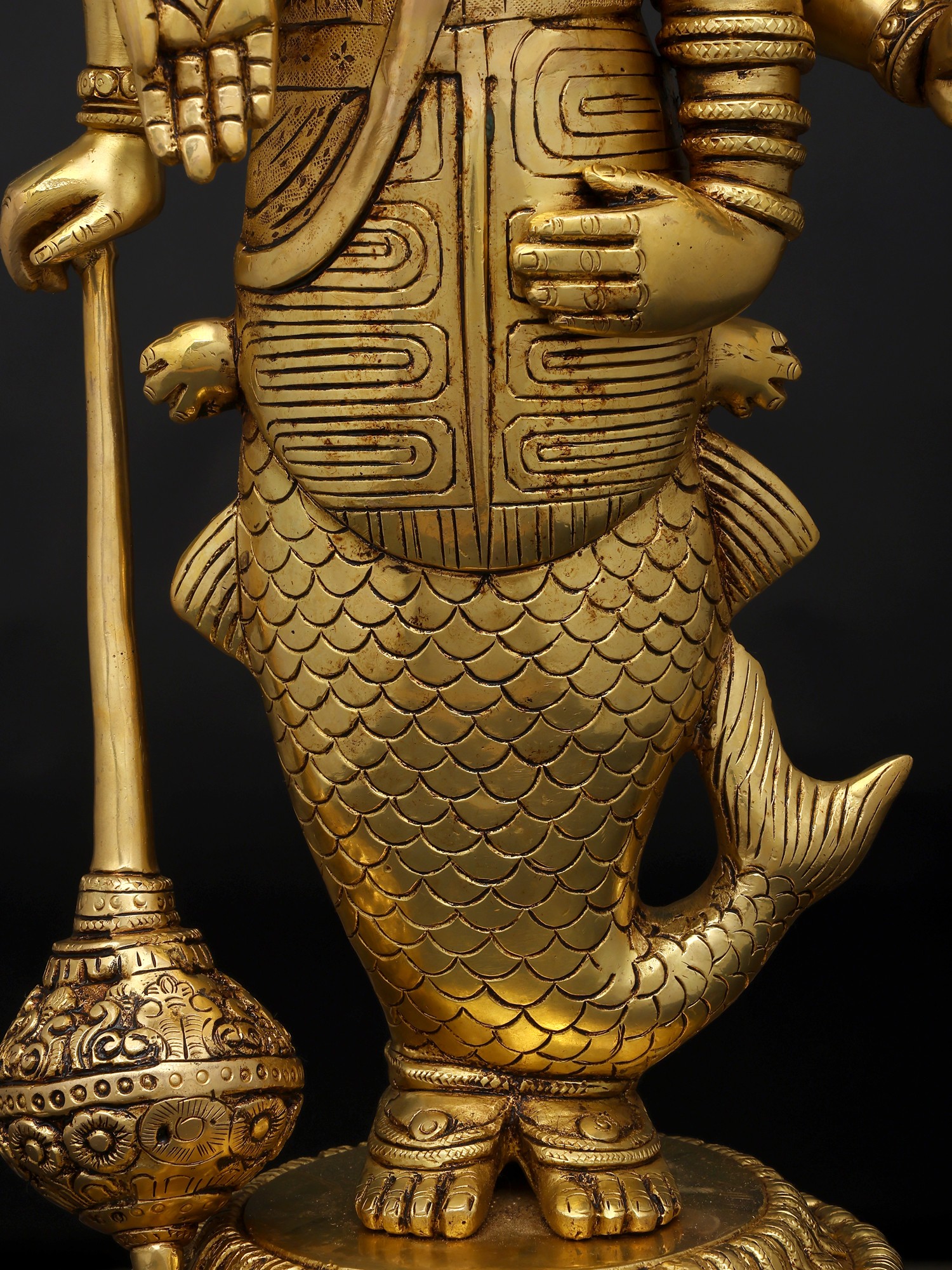
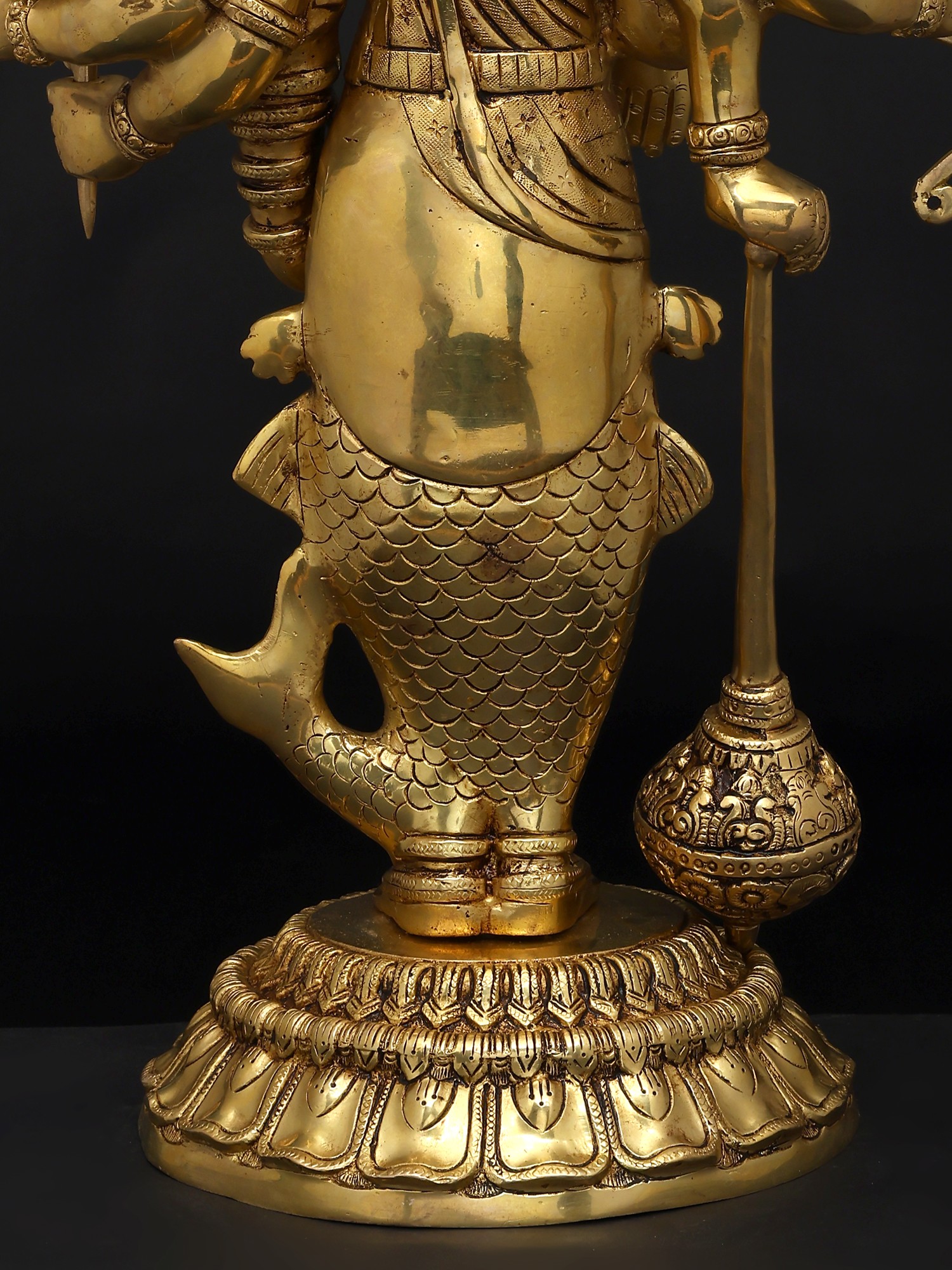
The lower portion of the statue elegantly transitions into the form of Matsya, the fish avatar. This foundational incarnation marks the beginning of Vishnu's cosmic interventions, where he saved humanity and the Vedas from the deluge. The intricate scales and the dynamic posture of the fish are rendered with remarkable skill, symbolizing the primal waters from which life emerges and the protective embrace of the divine. The entire figure rests upon an ornate lotus pedestal, a universal symbol of purity, spiritual awakening, and divine beauty, emanating from the primordial waters.
The radiant brass finish imbues the statue with an eternal glow, reflecting the divine light of Lord Vishnu. This piece is not merely a decorative item but a profound spiritual artifact, intended to inspire devotion, contemplation, and a connection to the eternal principles of dharma and cosmic order. It serves as a constant reminder of the divine presence that pervades all of existence and the cyclical nature of creation, preservation, and renewal.














 Upload an Image