The Divine Dancer of Auspicious Beginnings
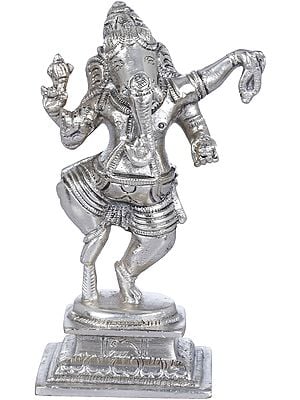
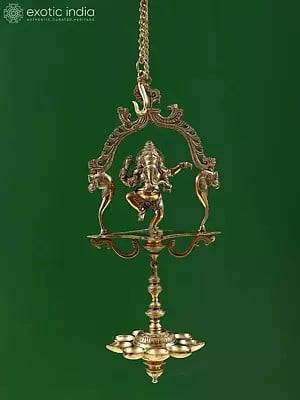
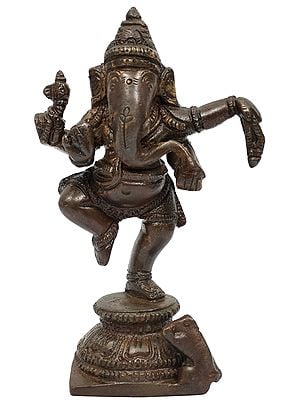
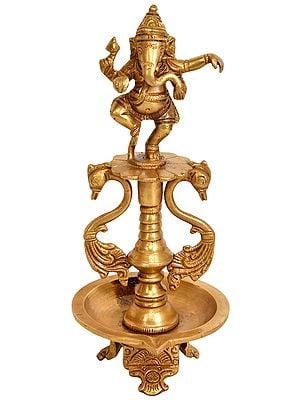
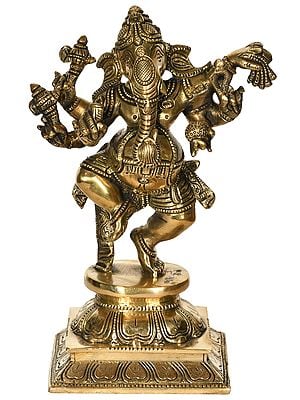
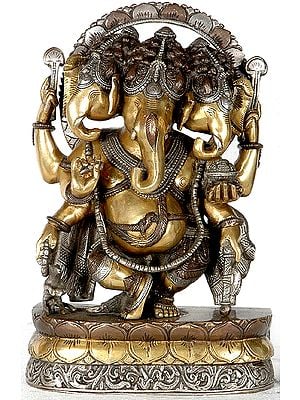
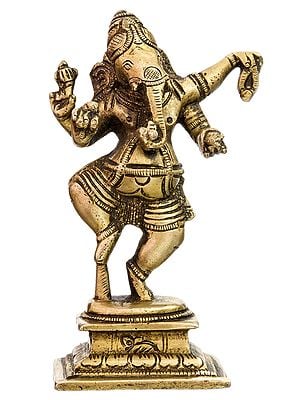
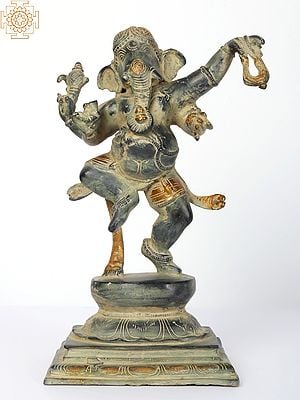
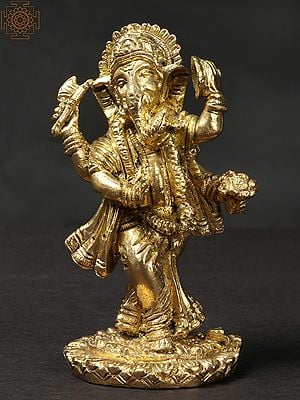
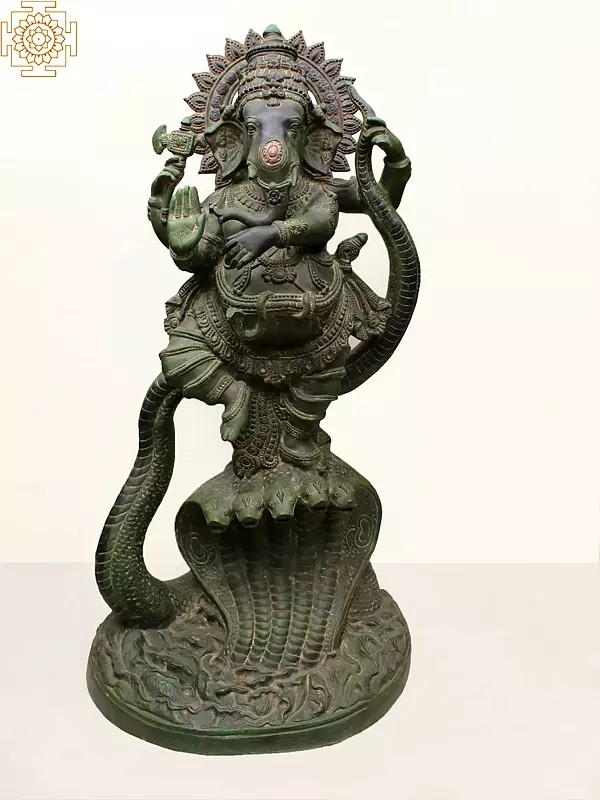
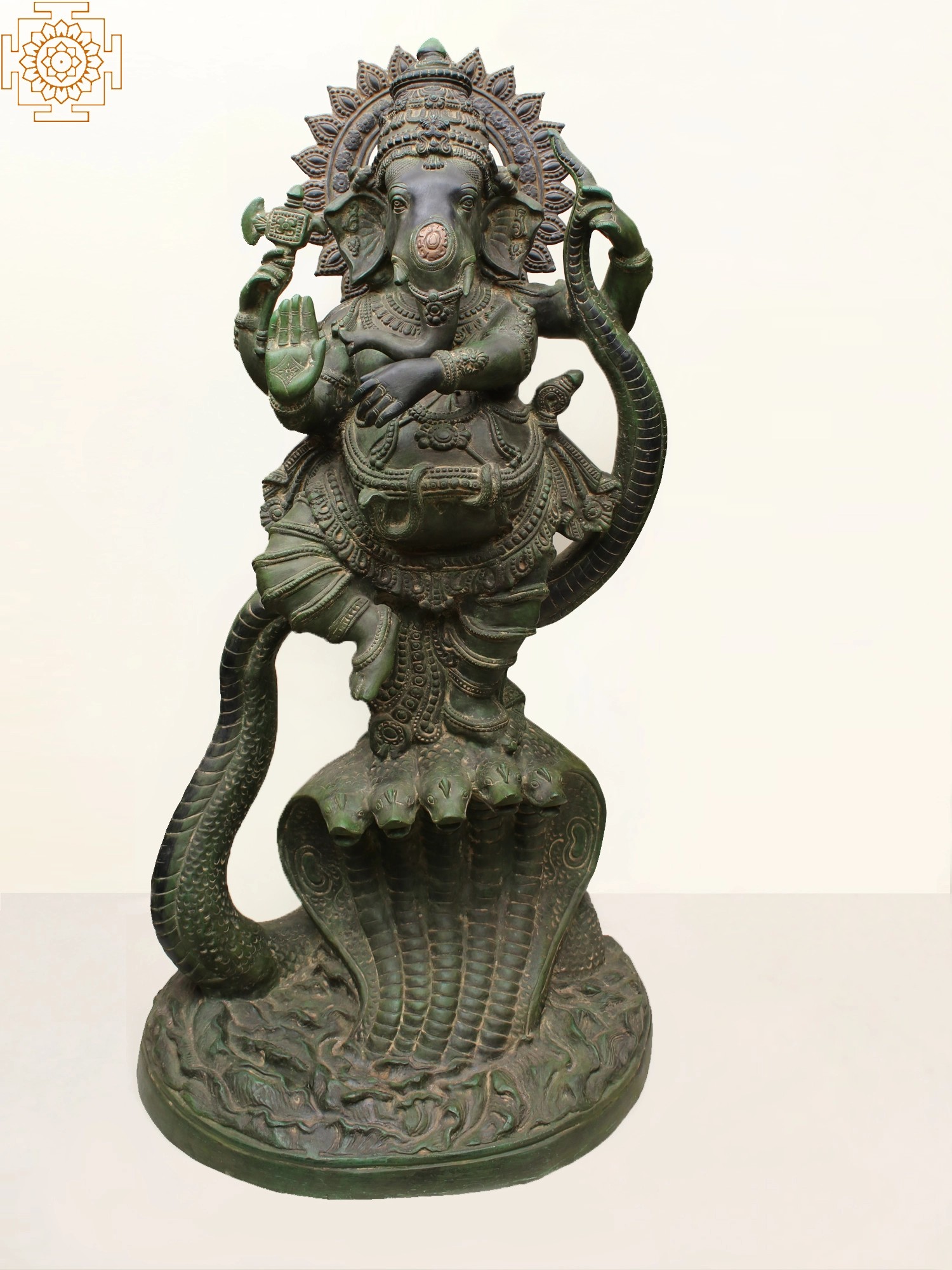
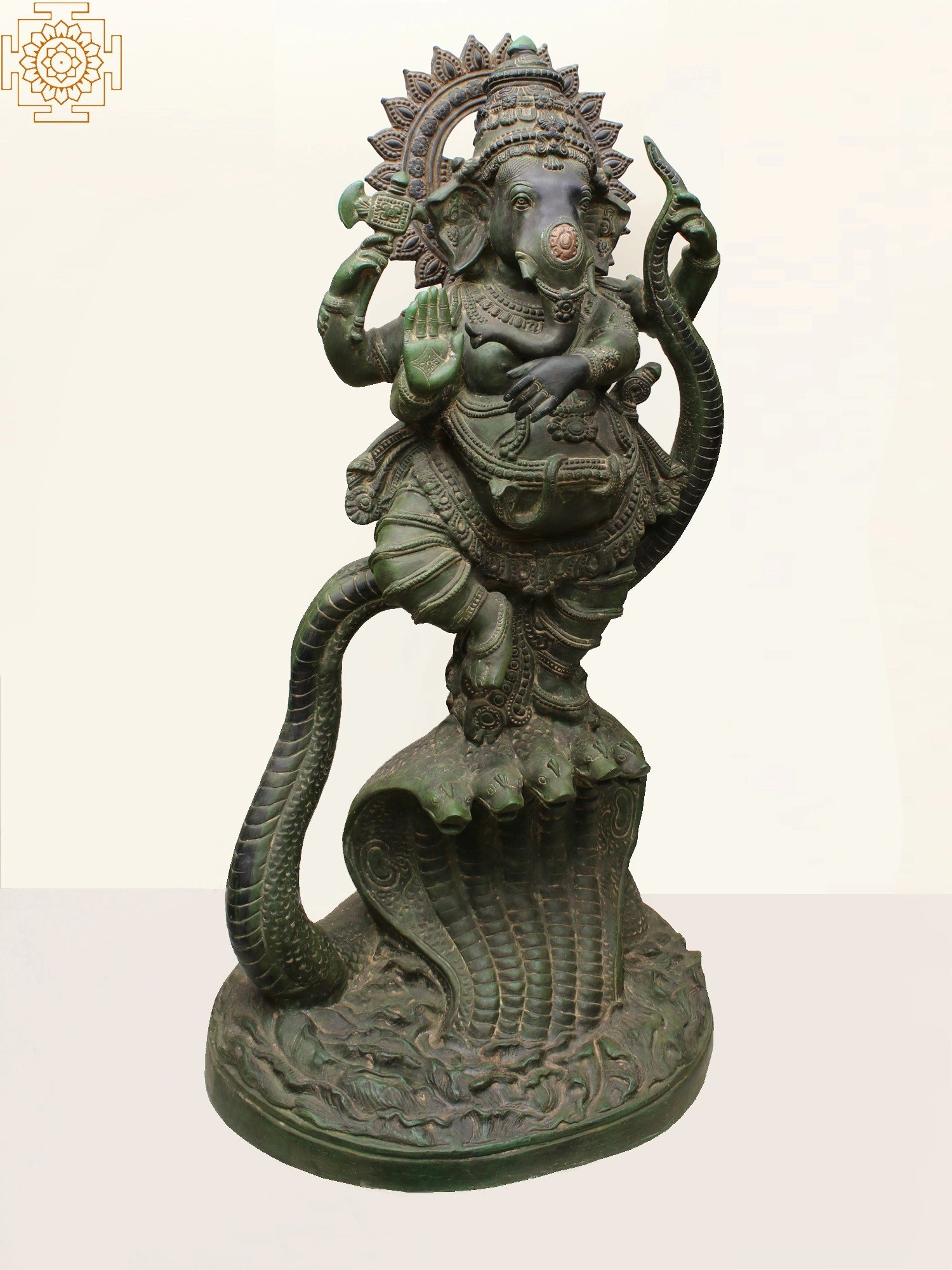
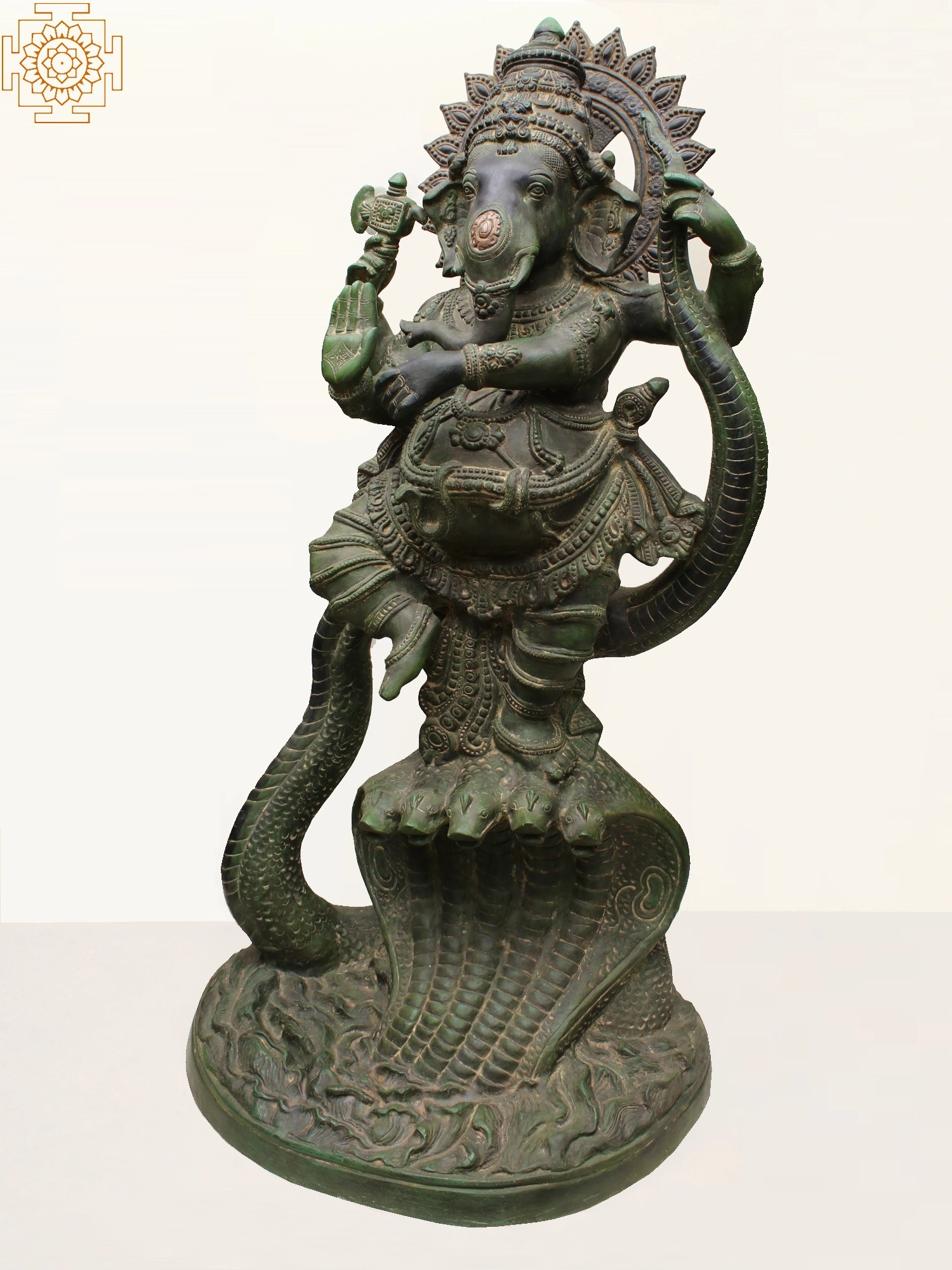
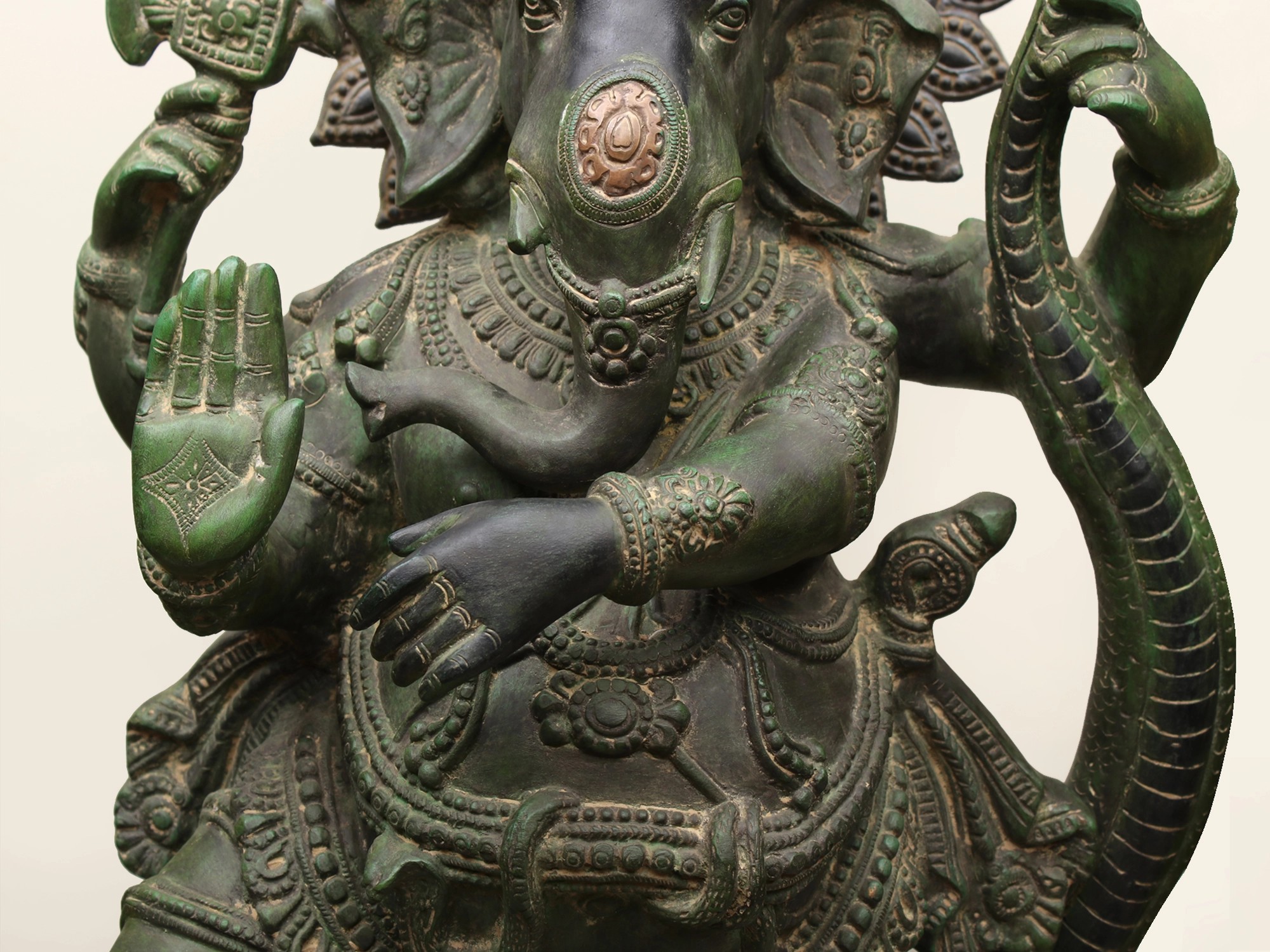
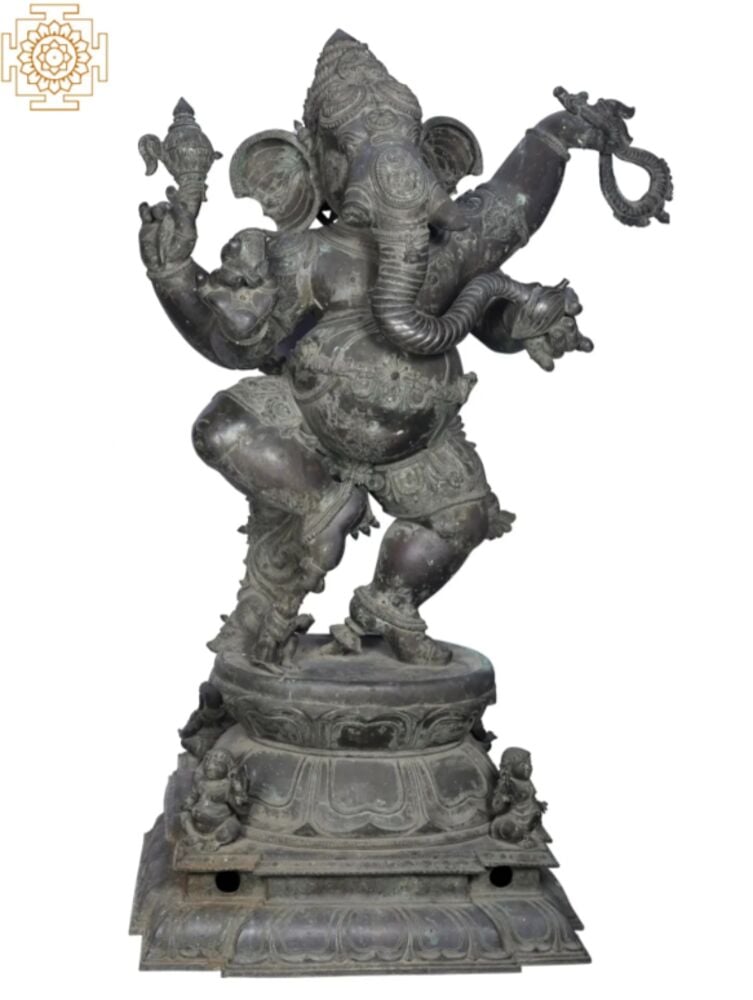
Immerse your space in divine energy with this magnificent brass sculpture of Lord Ganesha, the beloved remover of obstacles and bestower of good fortune. This imposing piece captures the dynamic essence of Ganesha in his dancing form, a representation of cosmic creation, joy, and the vibrant rhythm of life. Standing tall at an impressive 45 inches, this statue is not merely an ornament but a powerful symbol to invoke blessings and overcome challenges.
––––––––––A Symphony of Form and Mythology
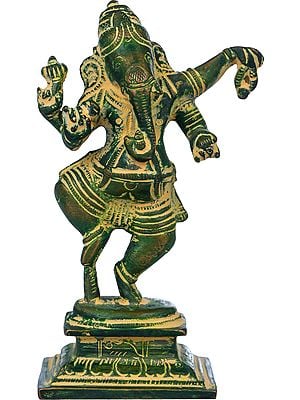
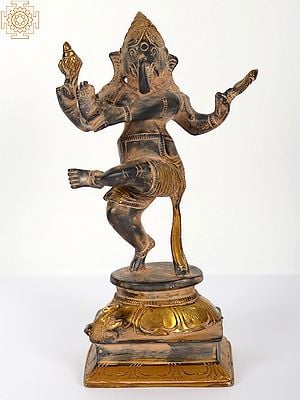
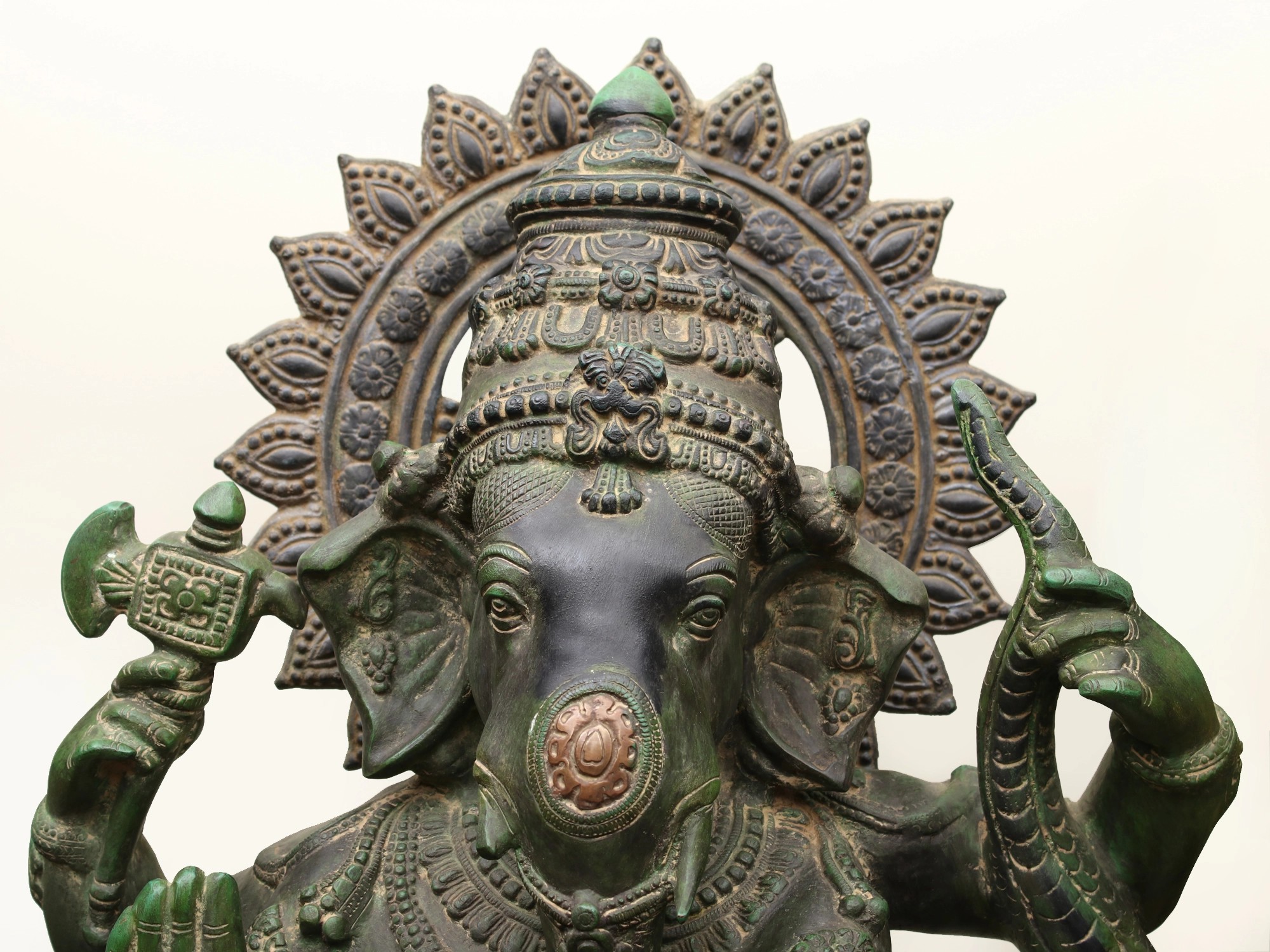
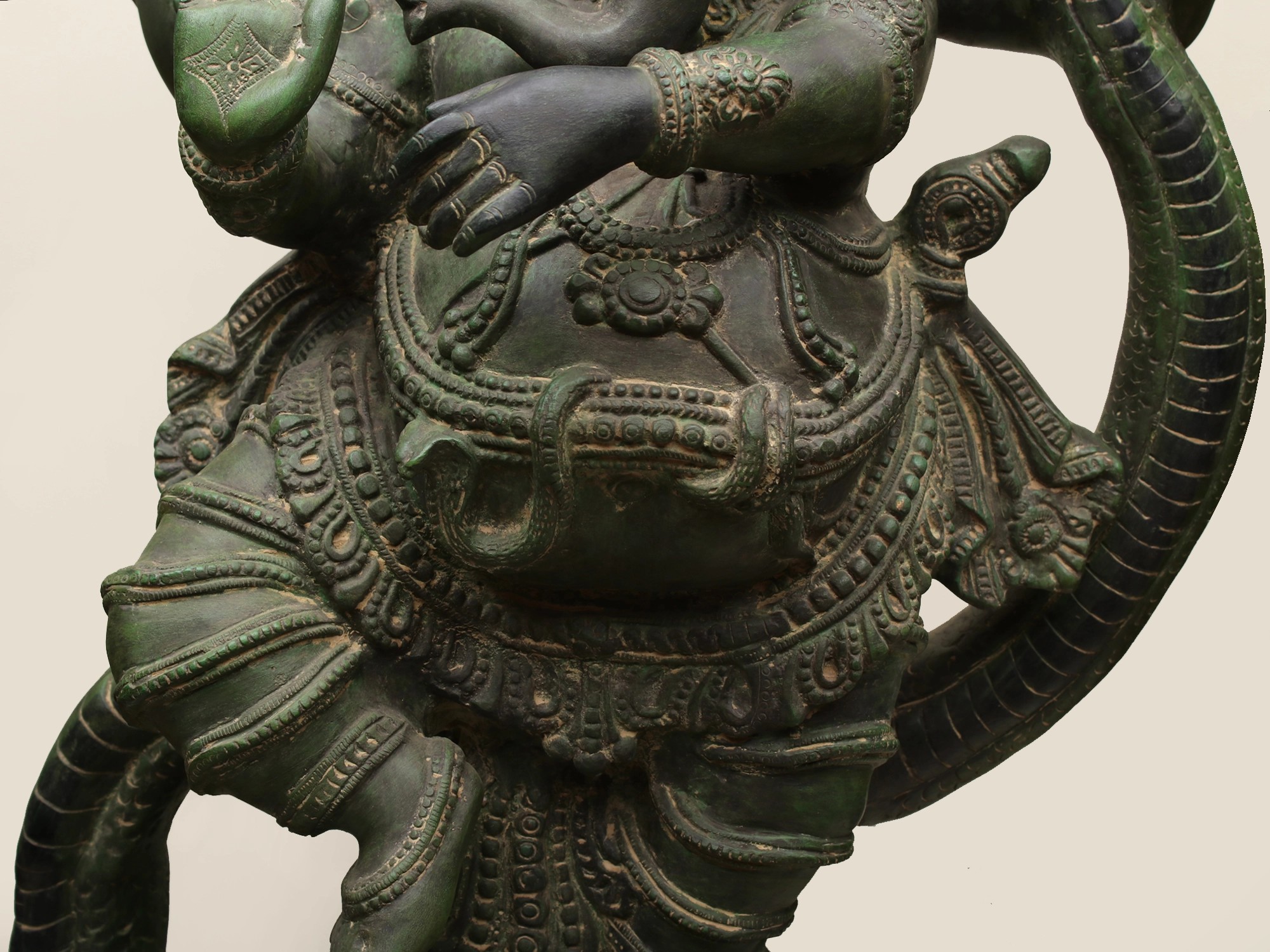
The dance of Ganesha, known as "Nritta Ganapati," is a profound depiction. It signifies the dissolution of all impediments to spiritual progress and material prosperity. In this captivating sculpture, Lord Ganesha is shown in a vibrant posture, his body fluid and energetic, suggesting an unstoppable force of divine grace. The intricately detailed carvings on his attire speak of royal opulence and celestial grandeur. His iconic elephant head, a symbol of wisdom and strength, is adorned with a radiant halo, signifying his divine radiance and illuminating presence.
––––––––––The Serpent's Embrace: A Symbol of Power and Protection
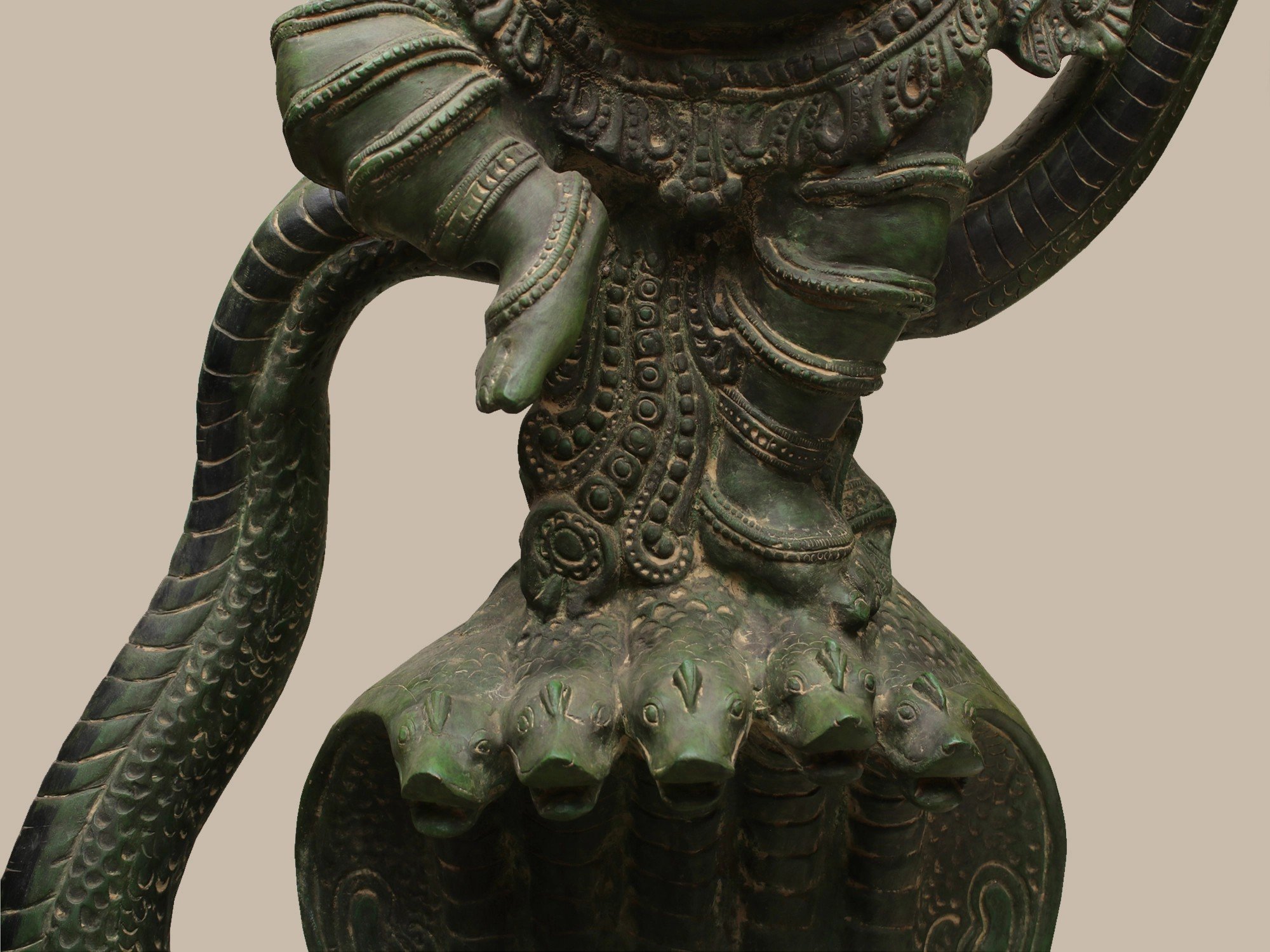
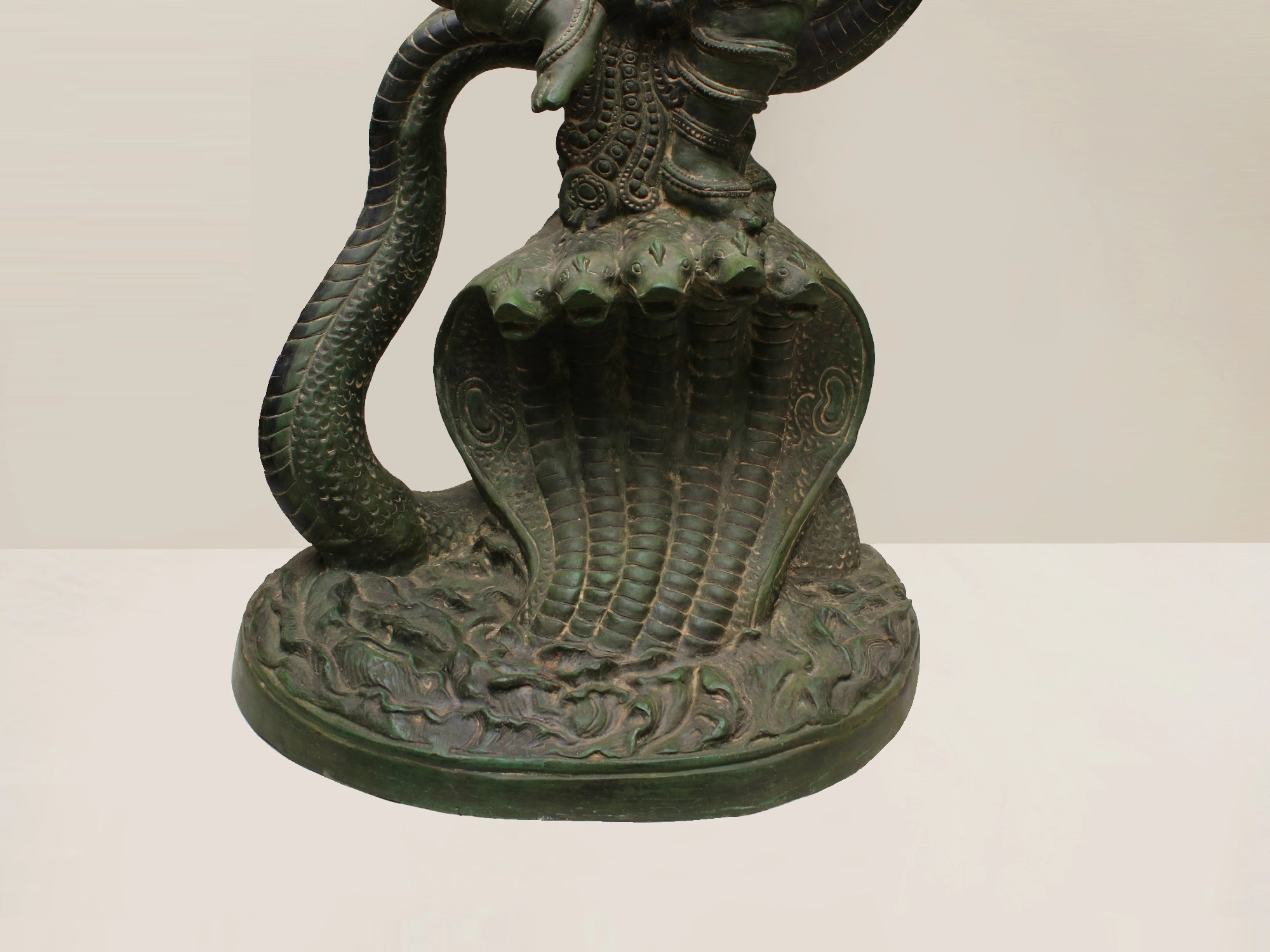
Uniquely, this portrayal features Lord Ganesha playfully entwined with a serpent. The serpent, or 'Naga,' holds deep significance in Hindu mythology. It represents Kundalini energy, the primordial cosmic power that lies dormant within all beings, and also signifies control over primal forces. In some narratives, the serpent Shesha, upon whom Lord Vishnu reclines, symbolizes eternity and the foundation of the universe. Here, Ganesha's mastery over such potent energy is showcased, emphasizing his role as the divine controller who can channel and direct these forces for the benefit of his devotees. The multi-headed cobra supporting his stance further enhances the sculpture's majestic aura, symbolizing protection and dominion. This powerful imagery offers a compelling reminder of Ganesha's omnipotence and his benevolent oversight.
––––––––––Crafted for Enduring Divinity
Fashioned from high-quality brass, this statue possesses a timeless appeal and durability. The aged patina finish lends an air of antiquity and spiritual depth, making it a striking centerpiece for any home, temple, or sacred space. The sheer scale and intricate craftsmanship of this piece make it a truly statement-making artifact, designed to inspire awe and reverence. Whether you are a devoted follower of Lord Ganesha or an admirer of exquisite art, this dancing Ganesha on a serpent is sure to bring an unparalleled sense of peace, prosperity, and spiritual upliftment to your surroundings.
The Graceful Expressions of Dancing Ganesha: A Symbol of
Abundance and Prosperity
Lord Ganesha is also known as “Vignha-harta Shri Ganesha” as he
removes all the obstacles from the path of prosperity and
fortune in the lives of his worshipers. He is the younger son of
Lord Shiva and Goddess Parvati and has a special form. He bears
the head of an elephant and the body of a human. Lord Ganesha is
the head of all the associates (Gana) of Lord Shiva and for this
reason, he is also known by the name “Ganpati”.
He not only is the remover of obstacles but is also the lord of
science and art. He is an exquisite dancer and it seems he
inherited the dance styles from his glorious parents. His
father, Lord Shiv, assumes a special form known as Nataraja and
performs the Tandava dance and his mother, Goddess Parvati, is
the presiding deity of the graceful Lasya dance. Most of the
traditional dances such as Bharatnatyam and Kathak in theater
start with the glorification and worship of Lord Ganesha as he
is associated with dancing and music.
What does dancing Ganesha mean?
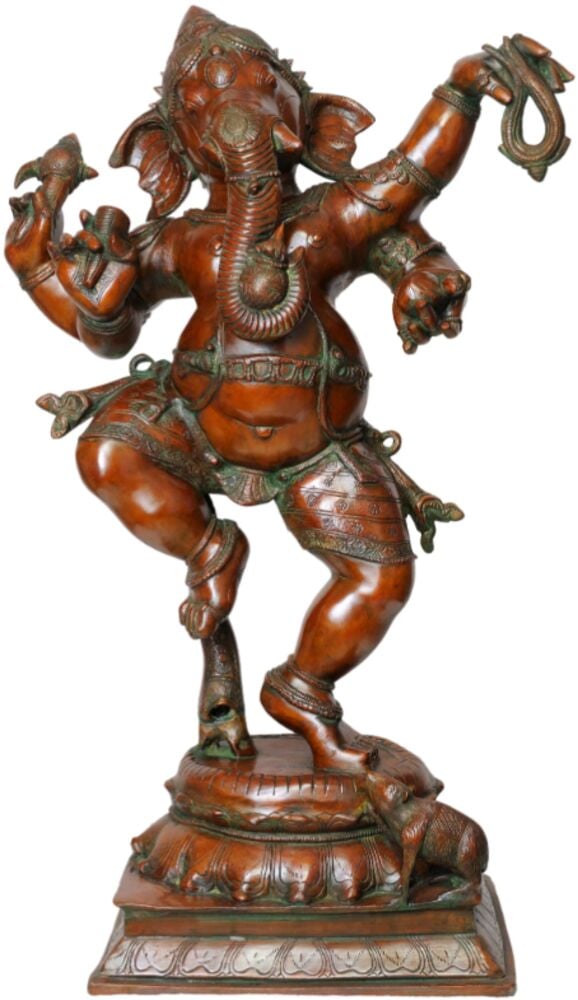
Dancing Ganesha is the form of Lord Ganesha in which he is
depicted dancing gracefully by lifting one of his legs up and
his four hands are arranged in different mudras. He also plays
musical instruments such as Mridanga. This form of Ganesha
emphasizes his playful and exuberant nature. A special name has
been given to Lord Ganesha for his dancing form. When he dances
in ecstasy, he is called “Rangaraj”.
Is Dancing Ganesha statue good for home?
Since the dancing Ganesha is associated with bliss and ecstasy,
it is believed that keeping its statue at home helps in blocking
any negative forces or influences from entering the home. It
also helps in overcoming financial troubles or debts and blesses
the family with material prosperity. Lord Ganesha removes all
troubles in the lives of his worshipers.
Where to keep the dancing Ganesha statue at home?
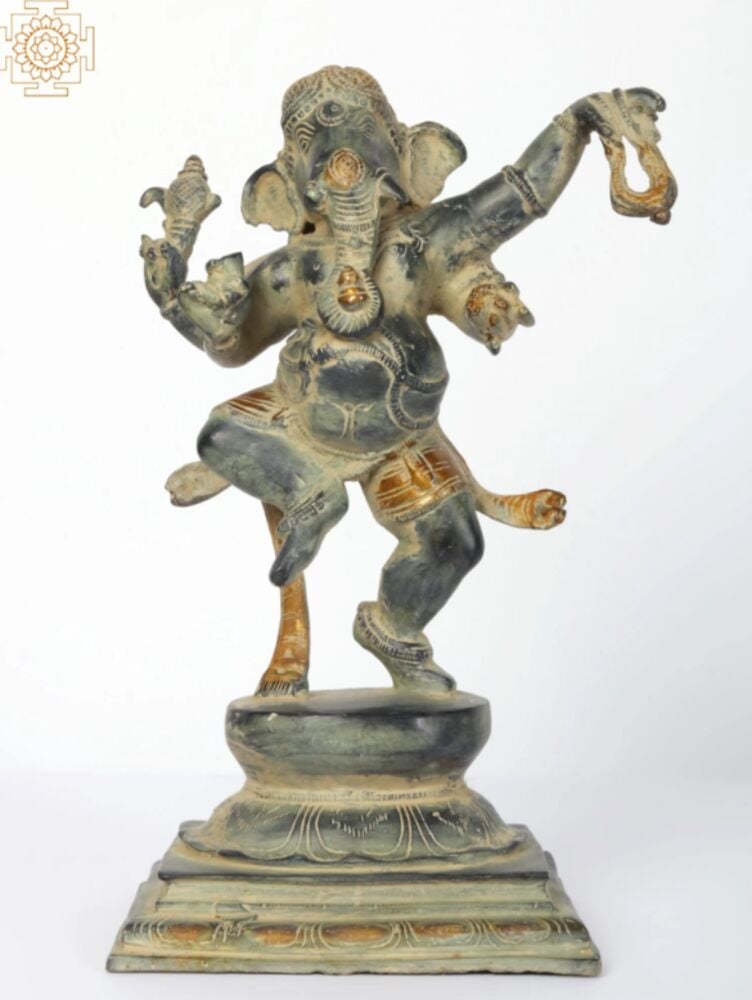
Many people prefer to keep the statue of the dancing form of
Ganesha at home as it attracts a lot of positivity. One may keep
the statue in any room such as the living room or bedroom. But
it should not be dealt with in a casual attitude, forgetting the
exalted position of Lord Ganesha. If you place the statue in the
living room, keep it in such a way that the lord faces the main
door. This will help in the protection of your home.
How to keep a Brass statue well-maintained?
Brass statues are known and appreciated for their exquisite beauty and luster. The brilliant bright gold appearance of Brass makes it appropriate for casting aesthetic statues and sculptures. Brass is a metal alloy composed mainly of copper and zinc. This chemical composition makes brass a highly durable and corrosion-resistant material. Due to these properties, Brass statues and sculptures can be kept both indoors as well as outdoors. They also last for many decades without losing all their natural shine.
Brass statues can withstand even harsh weather conditions very well due to their corrosion-resistance properties. However, maintaining the luster and natural beauty of brass statues is essential if you want to prolong their life and appearance.
- The best and simplest way to maintain a brass statue is to clean it at least twice a week using a soft cloth or cotton rag. This will prevent dust from accumulating on the surface. Dusting is especially important for outdoor statues since it is prone to dust accumulation much more than indoors.
- To give a natural shine and luster to the statue, you may apply coconut or olive oil using cotton on every portion. You can use a toothbrush to get to the small crevices but do not be too harsh. This will make the brass statue appear fresh and new with a polished look.
In case you have a colored brass statue, you may apply mustard oil using a soft brush or clean cloth on the brass portion while for the colored portion of the statue, you may use coconut oil with a cotton cloth.
Brass idols of Hindu Gods and Goddesses are especially known for their intricate and detailed work of art. Nepalese sculptures are famous for small brass idols portraying Buddhist deities. These sculptures are beautified with gold gilding and inlay of precious or semi-precious stones. Religious brass statues can be kept at home altars. You can keep a decorative brass statue in your garden or roof to embellish the area and fill it with divinity.