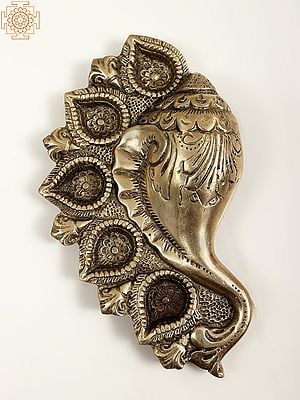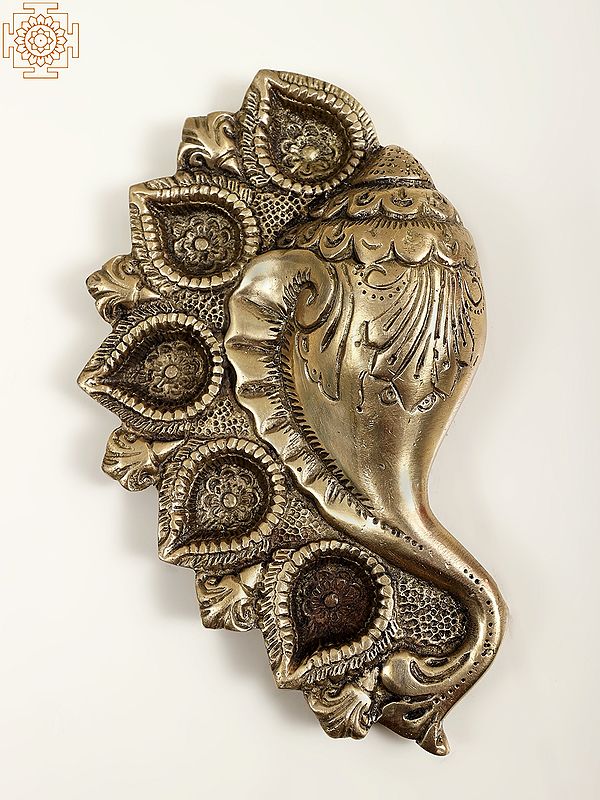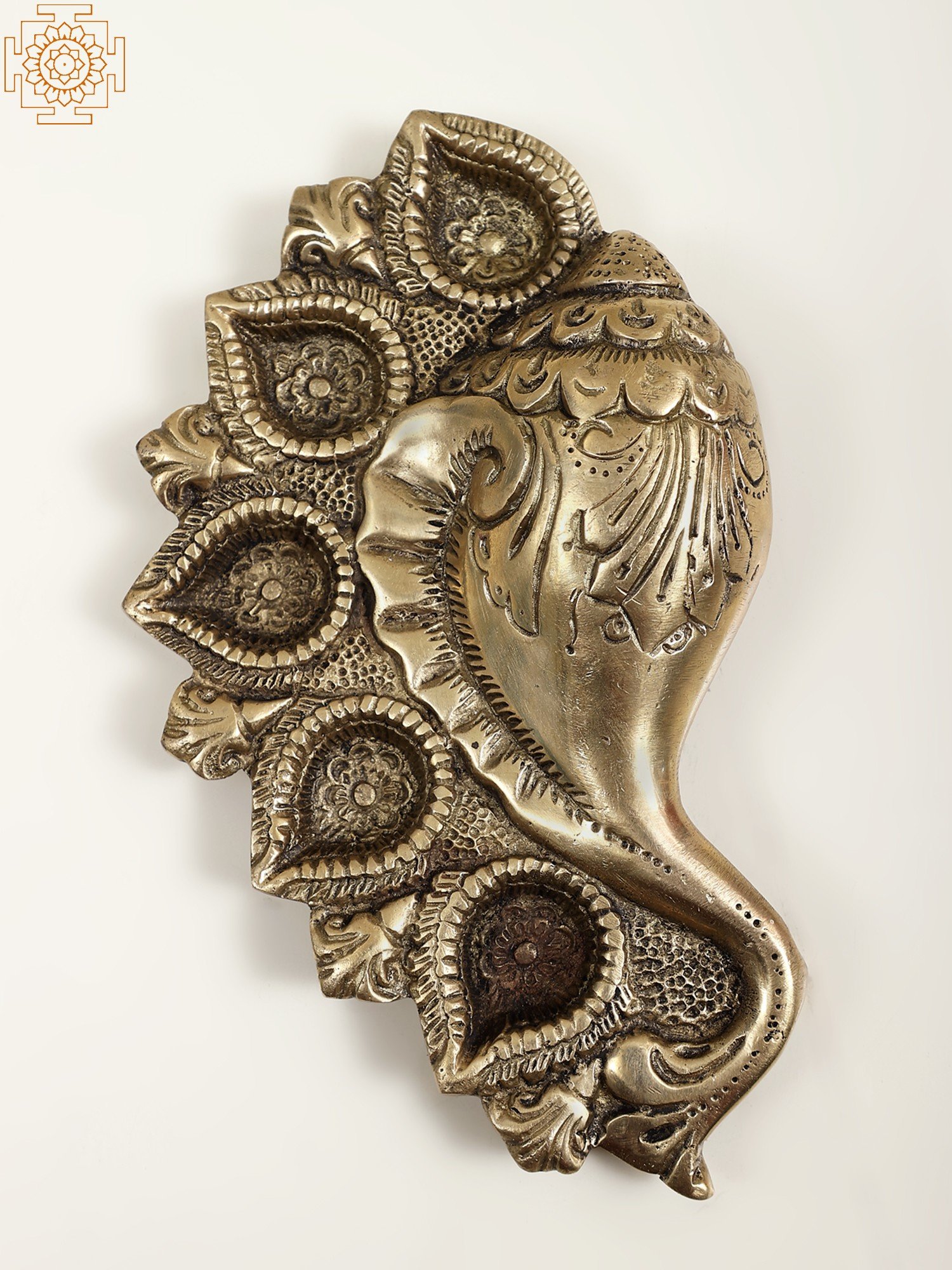
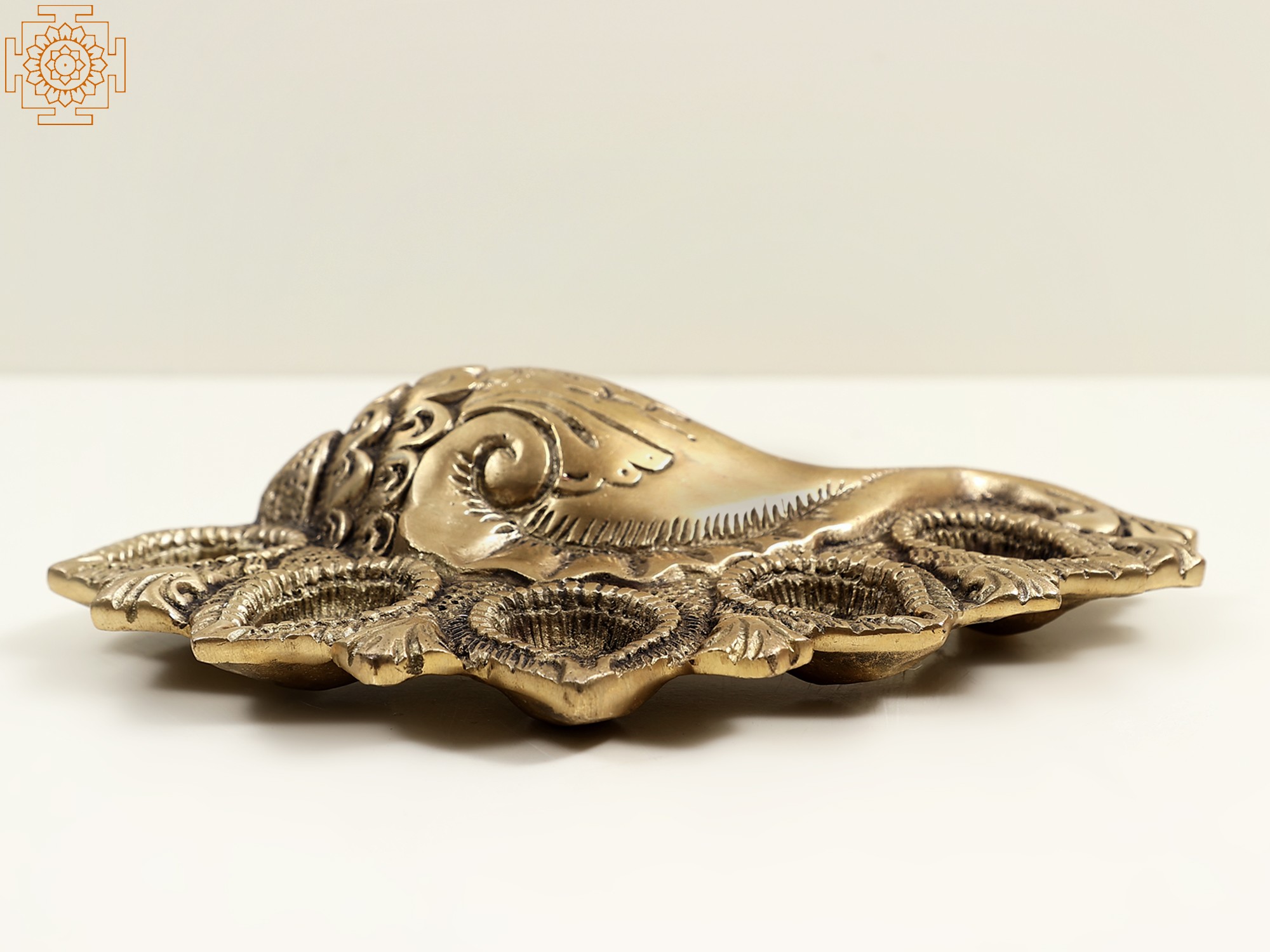


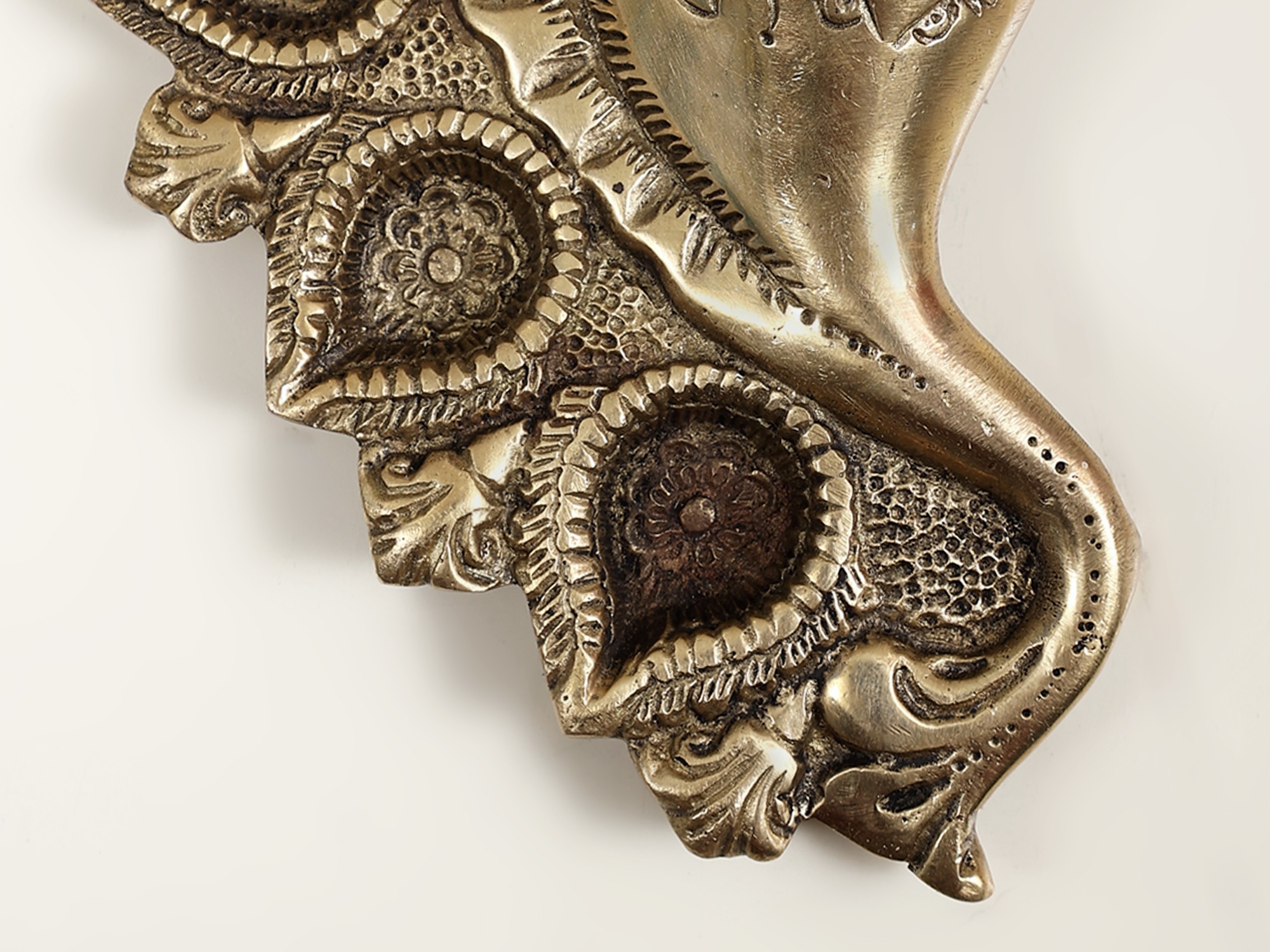
8" Brass Conch Oil Diya Lamp
$114
Includes any tariffs and taxes

Protective Lacquer Coating
Protective Lacquer Coating

Get your Statue - Lacquer Polish Protection
Lacquer Polish Protection is a protective coating of lacquer that is applied on the statue to protect it from tarnishing and dirt.
Notify me when this item is available
| Specifications |
 |
ZDZ846 |
 |
Brass |
 |
Height: 1.74 inch |
| Width: 8.15 inch | |
| Depth: 4.75 inch | |
 |
Weight 790 gm |
| About the Item |
|
| Delivery and Return Policies |
 |
Usually ships in 10 days |
 |
Returns and Exchanges accepted within 7 days |
 |
Free Delivery |

Easy Returns

Fully Insured

100% Handmade
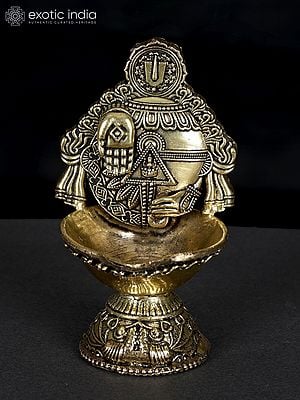
This brass
lamp, which has a creative rendition of the Vaamvarti conch, combines the
holiness of a conch, a method for sending great vibes, with the holiness of
lamps, a medium for providing holy warmth to the deities and receiving their
blessings. The entryway of the Vaamvarti conches is on the left side (facing
north). The unique shape of a natural shank generates a positive energy field
that aids in the removal of bad energy from an area. The lamp's major
characteristic is its brownish tone, as well as the intricate carvings on the
lamp's body. During the aarti, the side of the conch serves as a handle,
allowing the devotee to conduct the aarti without difficulty.
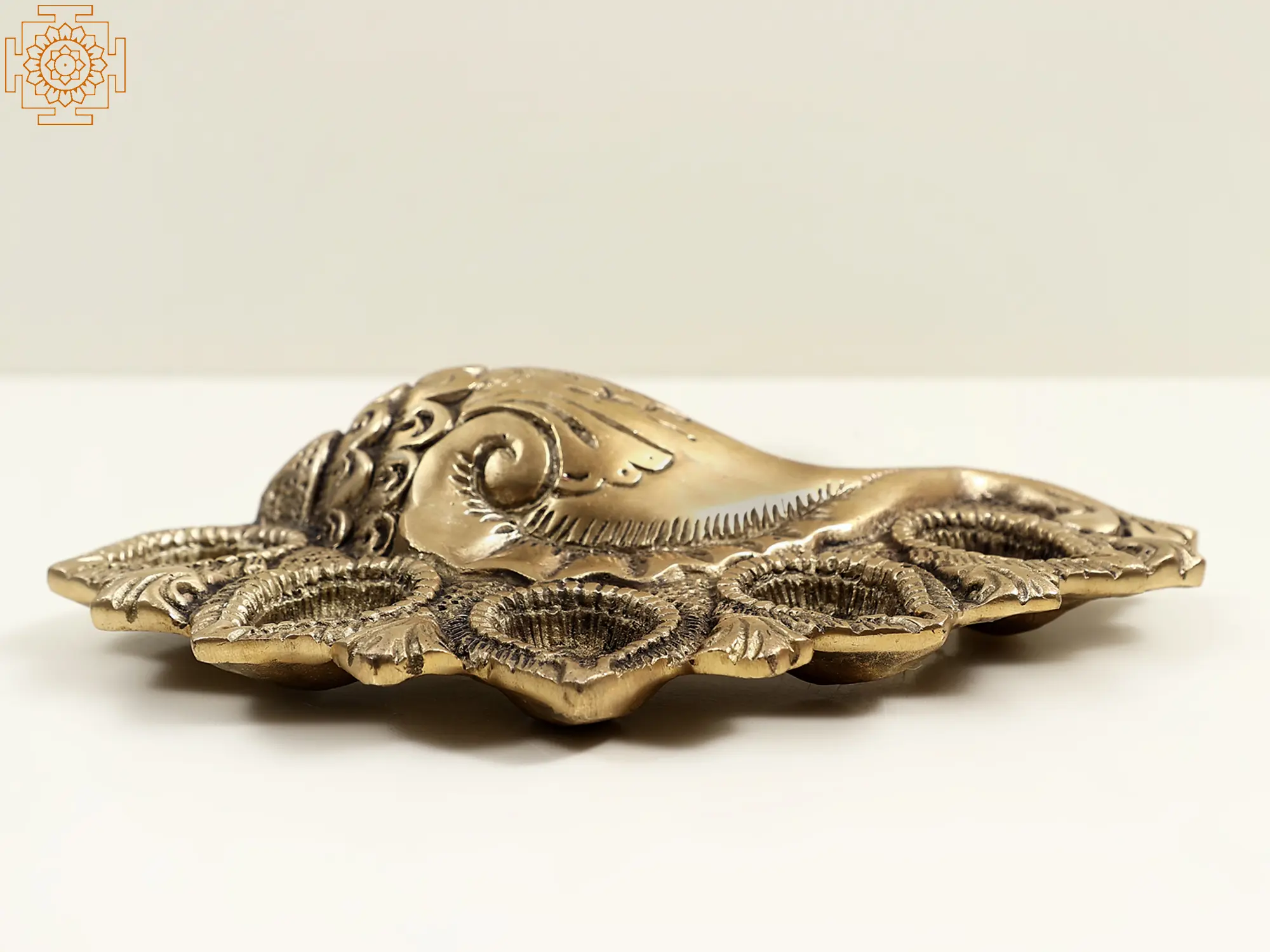
Symbol of Auspicious Beginnings and Divine Light
This exquisite brass oil diya is more than just a source of illumination; it is a conduit to ancient traditions and spiritual resonance. Crafted in the form of a Shankha, or conch shell, it embodies a profound symbolism that has been revered in Hindu culture for millennia. The Shankha is not merely an object of beauty but a sacred instrument, often sounded to mark auspicious occasions, dispel evil spirits, and invite divine blessings. Its spiraling form is said to represent the cosmic egg, the origin of all creation, and its sound is believed to carry the vibrations of the universe. ––––––––––Artistry and Intricacy in Brass
The artistry of this diya is evident in its intricate detailing. The surface is adorned with ornate patterns reminiscent of blooming lotuses and peacock feathers, two motifs deeply interwoven with divinity and beauty in Indian mythology. The lotus, a symbol of purity, enlightenment, and prosperity, signifies growth and spiritual awakening. The peacock, the celestial bird, is often associated with deities like Kartikeya, the god of war, and Goddess Saraswati, the patron of arts and knowledge, representing grace, beauty, and immortality. Each petal and curve is meticulously rendered in brass, a metal historically valued for its purity, durability, and auspicious properties in religious rituals. The warm, golden hue of the brass adds a regal touch, enhancing its devotional appeal. ––––––––––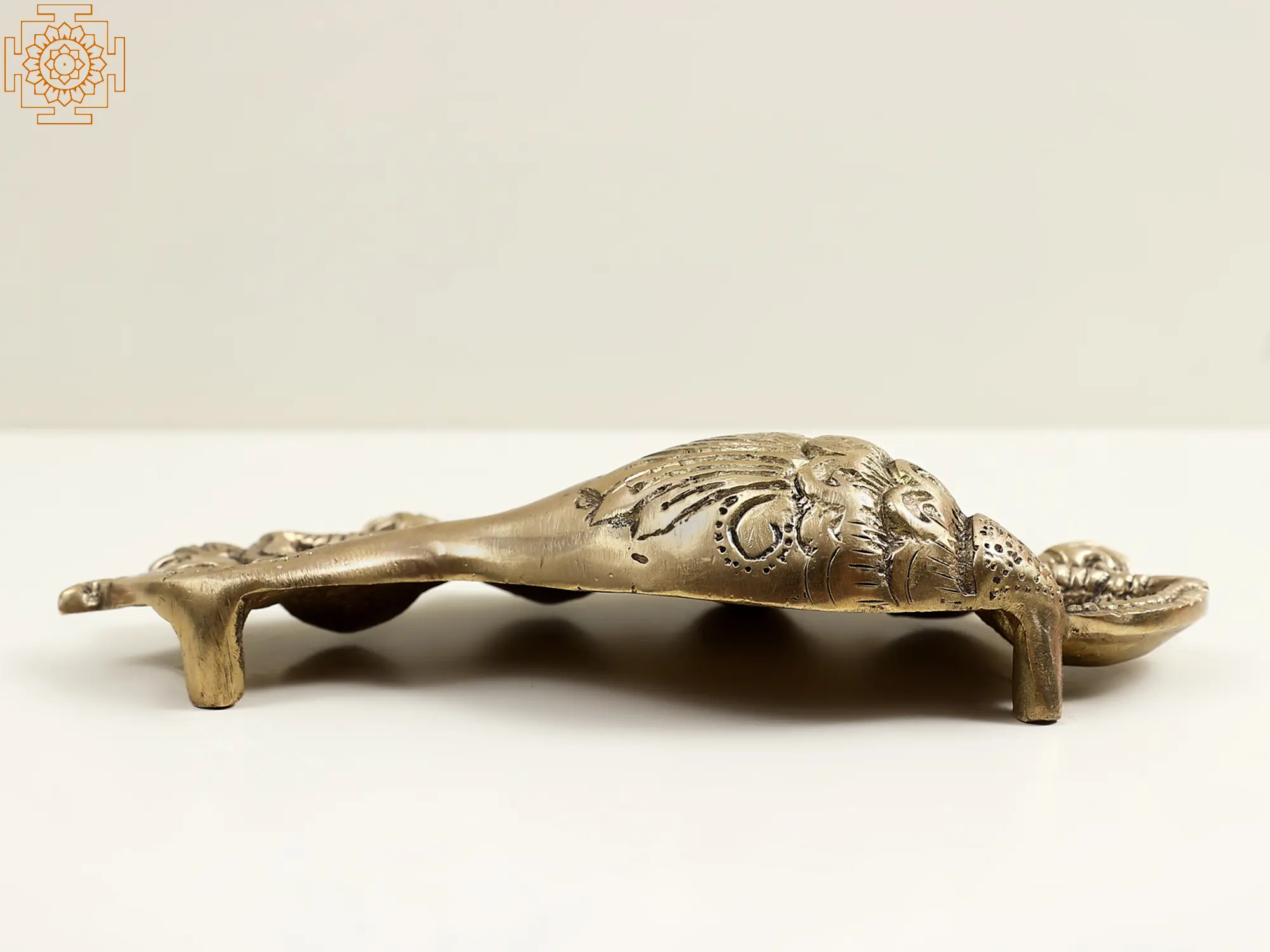
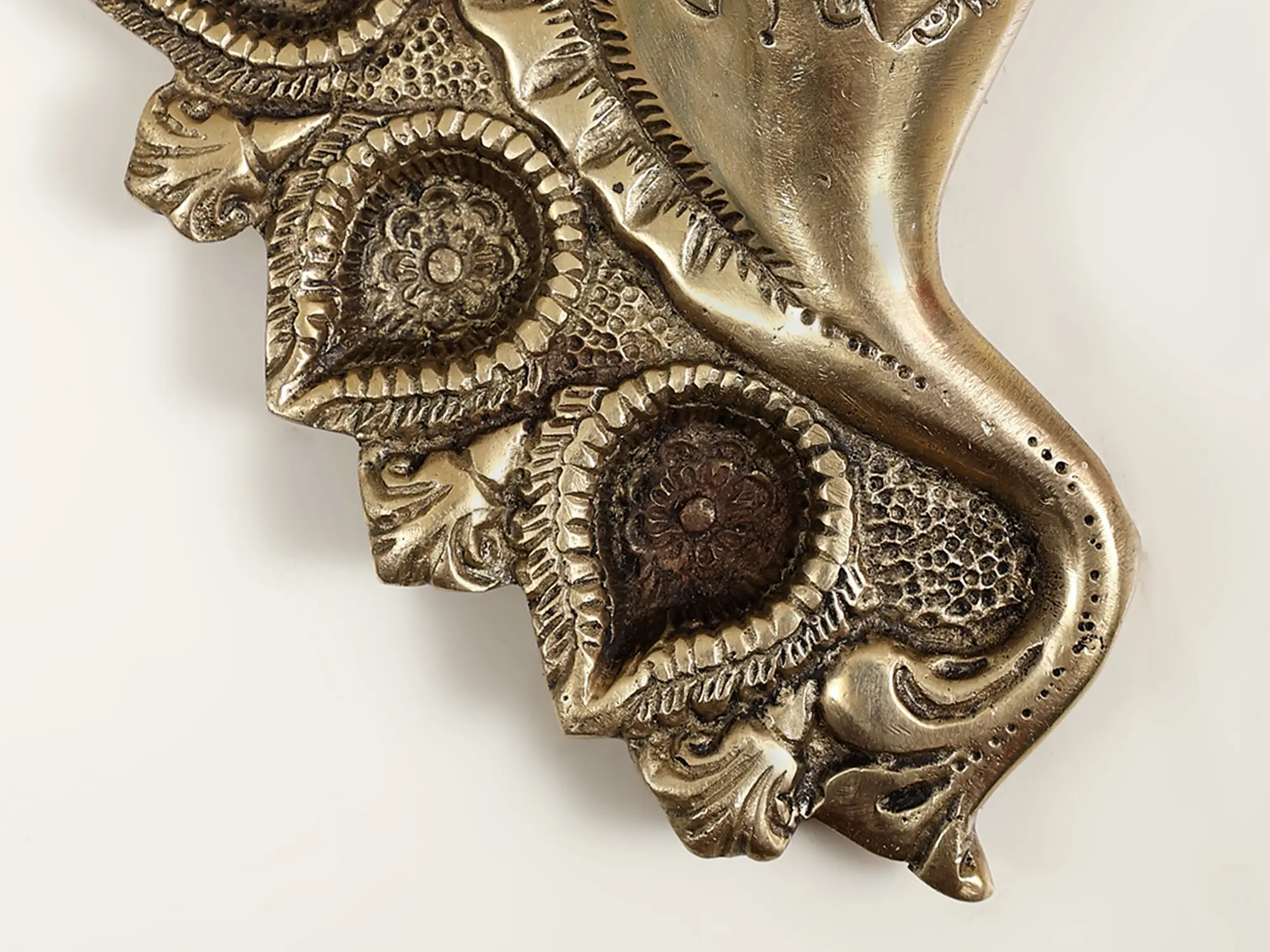
A Sacred Glow for Your Sacred Spaces
This Shankha diya is designed to hold oil and a wick, casting a gentle, flickering light that is central to many Hindu rituals and prayers. The act of lighting a diya is a symbolic offering to the divine, dispelling darkness and ushering in knowledge, truth, and prosperity. It is an integral part of daily puja (worship), festivals like Diwali (the festival of lights), and other ceremonies. Its presence in your home or puja room creates an atmosphere of serenity and devotion, inviting positive energy and spiritual solace. Whether used for daily prayer, meditation, or simply as a beautiful decorative piece that carries deep cultural significance, this brass Shankha oil diya offers a timeless connection to the spiritual heart of India.The Power of Light: Understanding the Role of Oil Lamps in
Hinduism
Hinduism is a boon to human society for it guides everyone to
follow their Dharma and rise above the material concept of life.
Hinduism is also known as “Sanatan Dharma”. These are Sanskrit
terms in which Sanatan means “eternal” and Dharma means “Intrinsic
nature or occupation”. Thus it deals with the intrinsic nature or
the real identity of the living entities; that which can never be
taken away from them. The principles of Hinduism are given in the
Vedic literature or scriptures that are considered “Apaurusheya”;
they have not been written by any ordinary person but have been
compiled by Vyasadev, the literary incarnation of the Supreme Lord
Krishna. The word “Veda” means complete knowledge, both material
and spiritual. The knowledge in Vedic literature is so vast and
precise that if one looks carefully, he will notice that nothing
is sentimental or imaginary but is based on facts and truth. There
is a clear description and information about the identity of all
living beings, the nature of the Absolute Truth, the reason for
the existence of this world, the information about the world
beyond this universe, and the relationship between us and God, the
Absolute Truth.
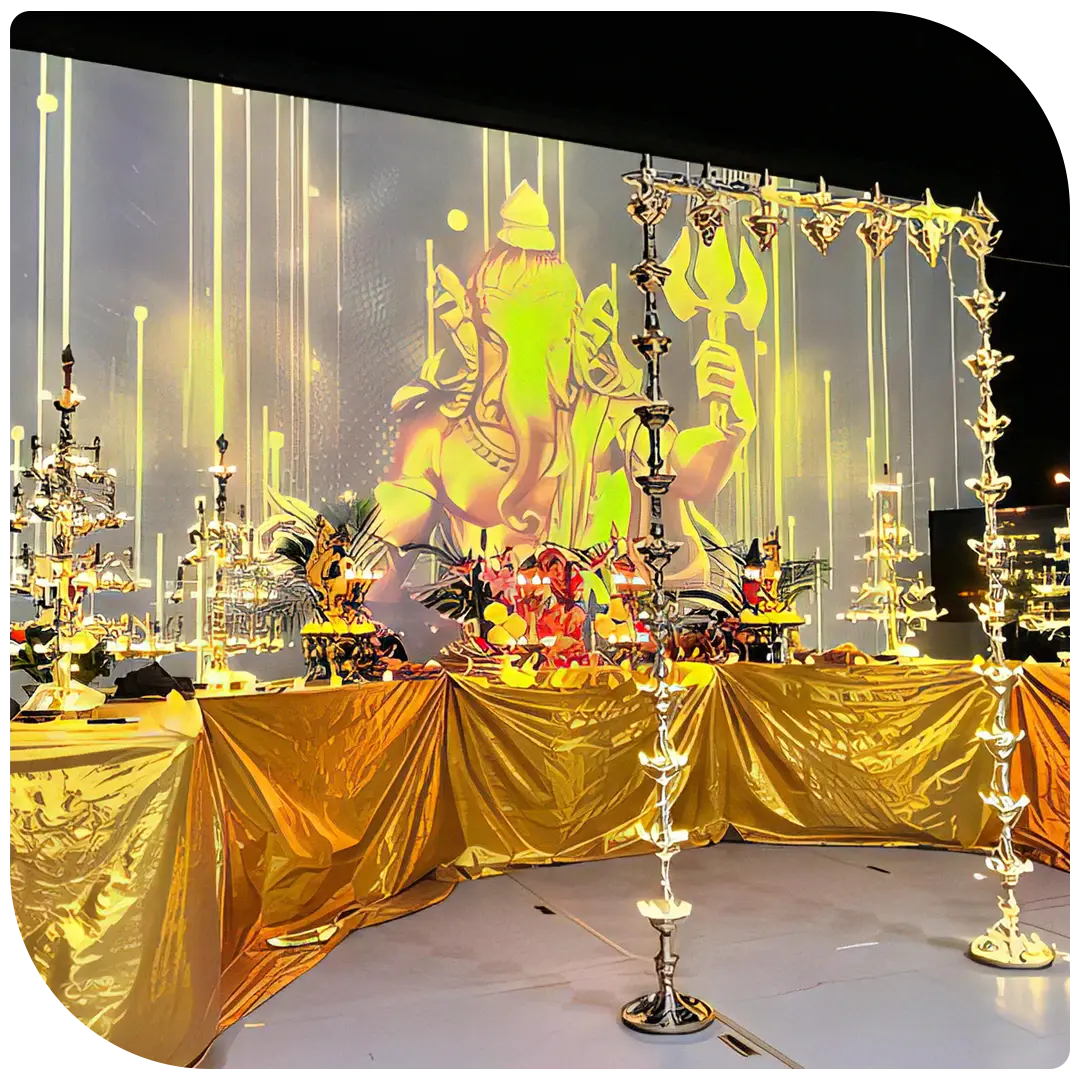
Why do we light a lamp?
There are many rituals recommended in the Vedas for engaging our body and mind in the service of God. One of them is the lighting of ghee or oil lamps before the deity. According to the Vedic injunctions, all auspicious functions begin with lighting a lamp. It has a great spiritual significance. It is believed that the light of the lamp symbolizes “knowledge”, the wick symbolizes the false ego of the living entity, and ghee (clarified butter) or oil symbolizes all the negative tendencies (Anarthas) accumulated in the heart such as greed, lust, anger, and envy. When the lamp is lit by spiritual knowledge, all the Anarthas are exhausted, and the false ego, which is the root cause of conditional life, is also burnt. Therefore, the lamp is lit before the Lord as a sacrifice of our false ego in His service. Just as the light of the lamp dissipates all darkness, similarly, the light of knowledge dissipates ignorance of the Jivas and enables us to realize our real identity and purpose of life.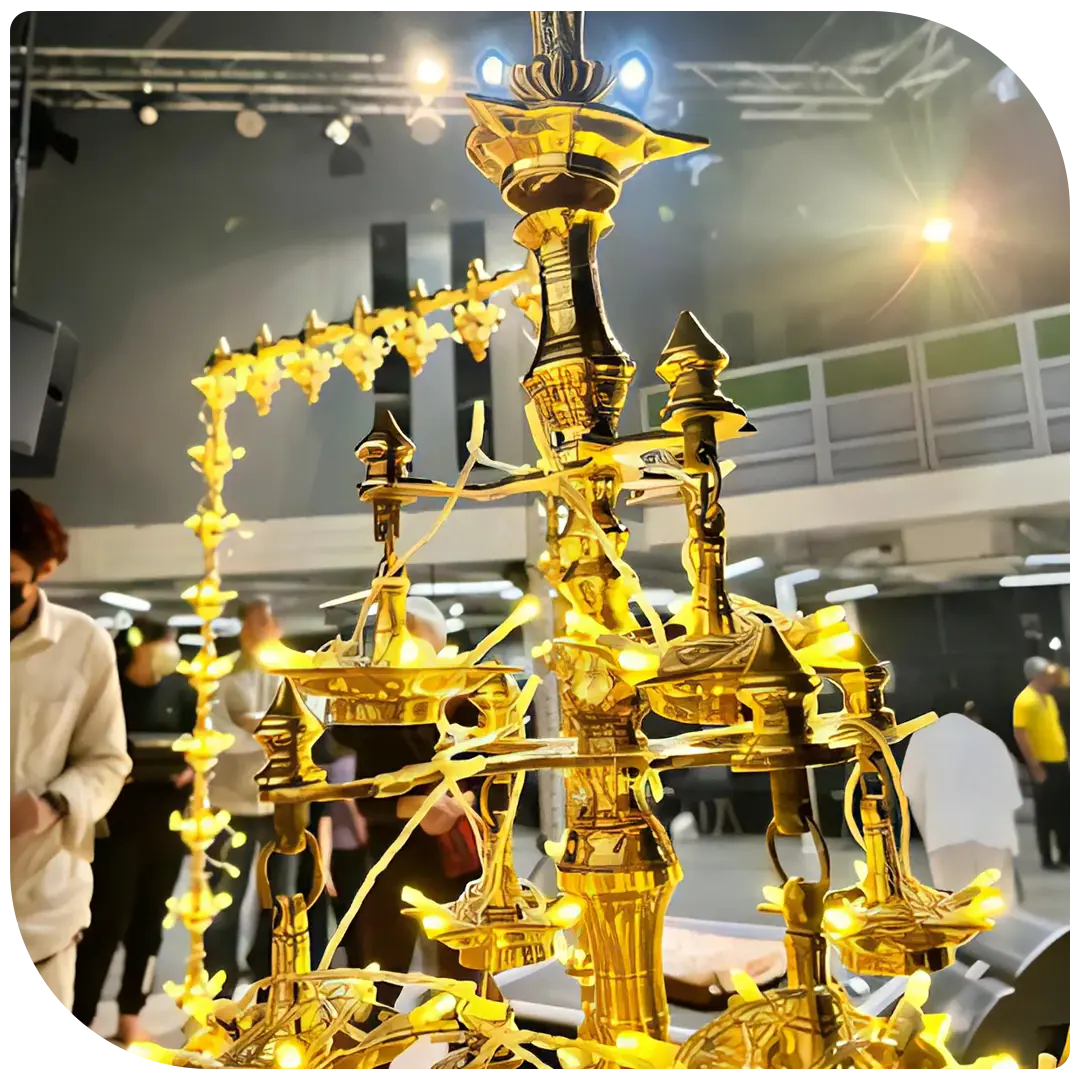
Why only an oil or ghee lamp?
One may question why only an oil lamp is lit before the Lord and why not an artificial light source. This may sound logical but lighting a lamp has a further spiritual significance. The flame of the light in a lamp always burns upwards indicating that by cultivating spiritual knowledge, one achieves the highest perfection of life and is always victorious. Also, a traditional lamp is the purest form of offering.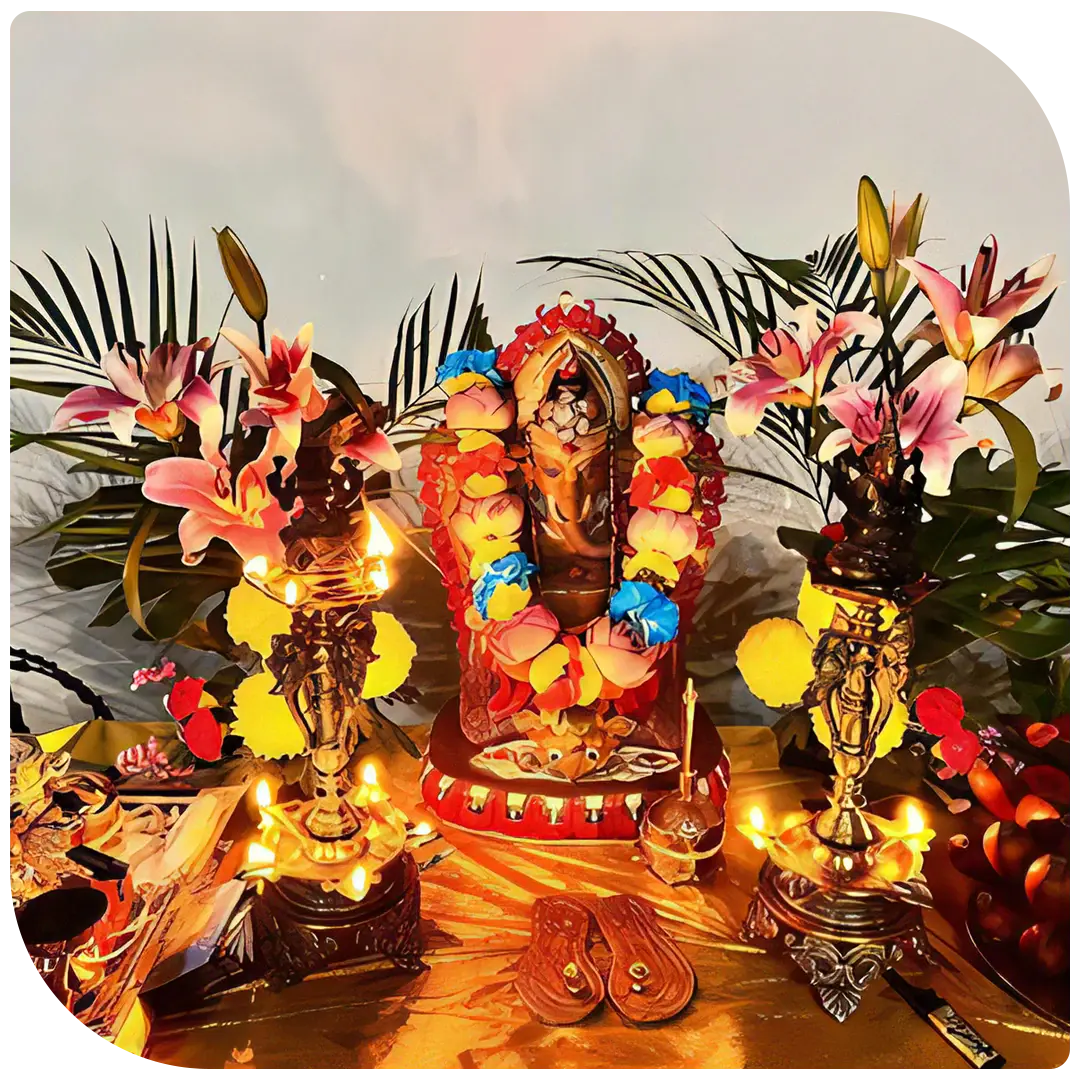
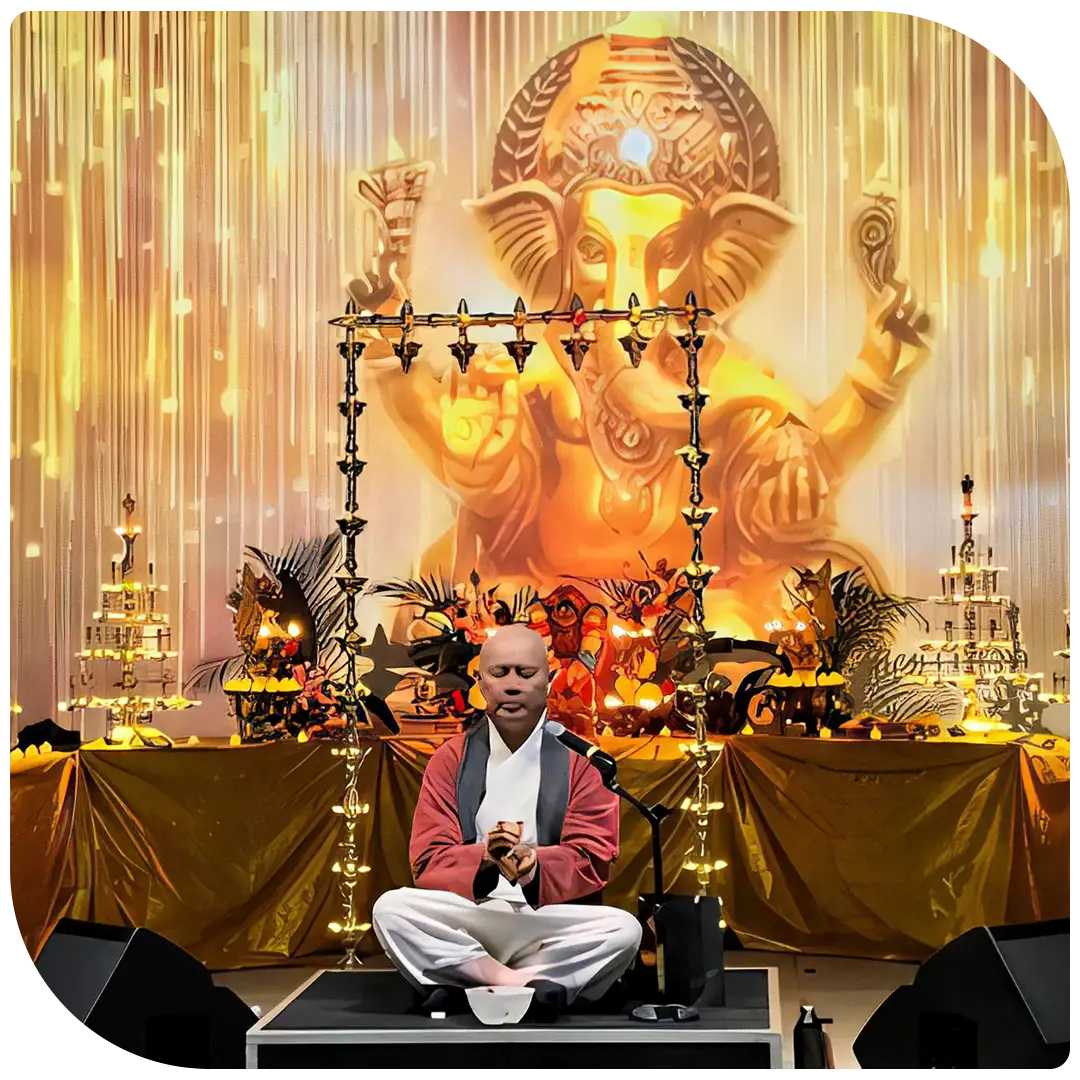
In almost every house of a follower of Sanatan Dharma, an oil or
ghee lamp is lit before the altar of the Lord or before the Tulsi
plant. Some people light it at dawn, some at dusk, and some people
prefer to light it at dawn and dusk. Either ghee or sesame oil can
be used to burn the wick. Vaishnavas (devotees of Lord Vishnu or
Krishna) especially light a ghee lamp every day in the month of
Kartik to offer their love and devotion to the Lord.
Products related to this item
4 inch Height X 2.5 inch Width X 2.5 inch Length
$46
Express Shipping
Includes any tariffs and taxes
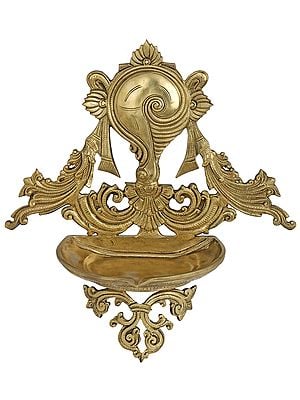
15.00 inch Height X 14.20 inch Width x 7.20 inch Depth
$200.40
Express Shipping
$334 40% off
Includes any tariffs and taxes
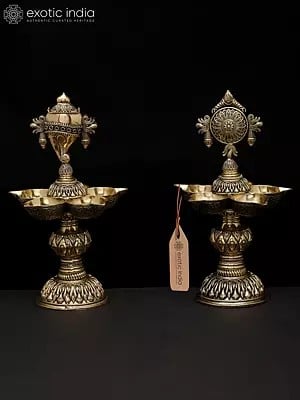
8 inch Height X 4.5 inch Width X 4.5 inch Length
$201
Express Shipping
Includes any tariffs and taxes
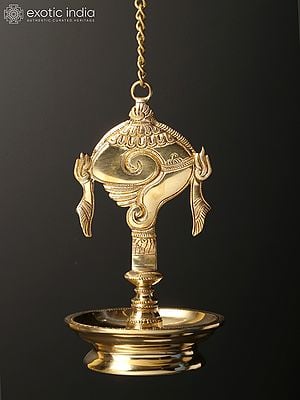
8.30 inch Height X 4.80 inch Width X 4.80 inch Depth
$144
Express Shipping
Includes any tariffs and taxes
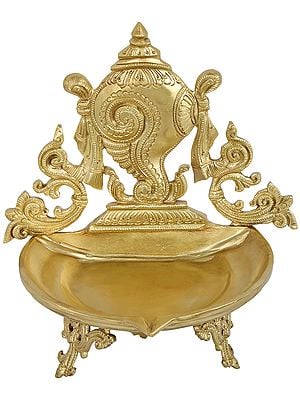
11.00 inch Height X 9.90 inch Width x 7.50 inch Depth
$282
Includes any tariffs and taxes
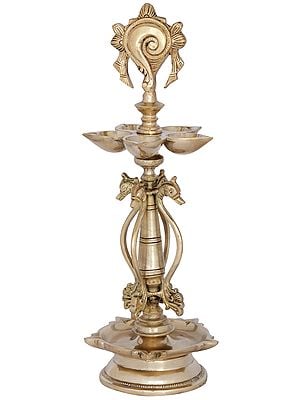
15.00 inch Height X 5.00 inch Width x 5.00 inch Depth
$207
Best Seller
Includes any tariffs and taxes
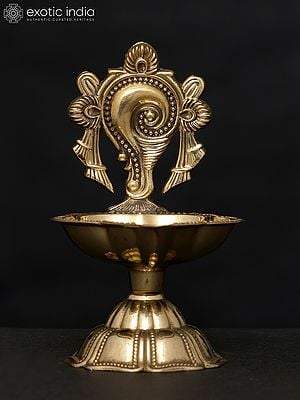
3.5 inch Height X 2 inch Width X 2 inch Length
$29
Best Seller
Express Shipping
Includes any tariffs and taxes
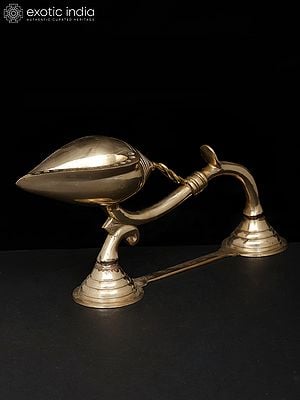
6 inch Height X 12 inch Width X 3.2 inch Length
$109
Includes any tariffs and taxes
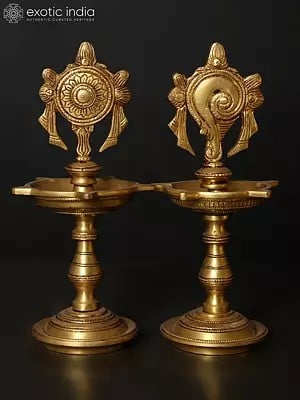
8.7 inch Height X 4.2 inch Width X 4.2 inch Length
$178
Express Shipping
Includes any tariffs and taxes
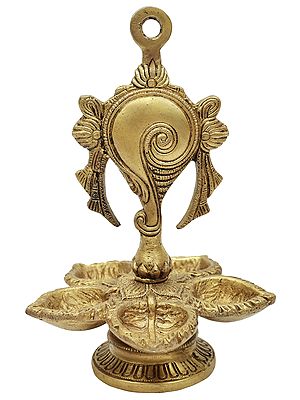
7 inch x 5.0 inch x 5.0 inch
$144
Best Seller
Express Shipping
Includes any tariffs and taxes
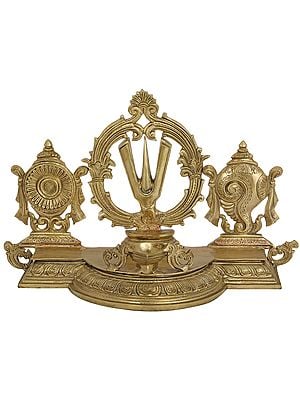
12.20 inch Height X 17.50 inch Width x 7.50 inch Depth
$445.20
Express Shipping
$742 40% off
Includes any tariffs and taxes