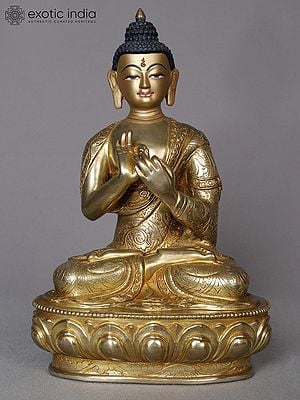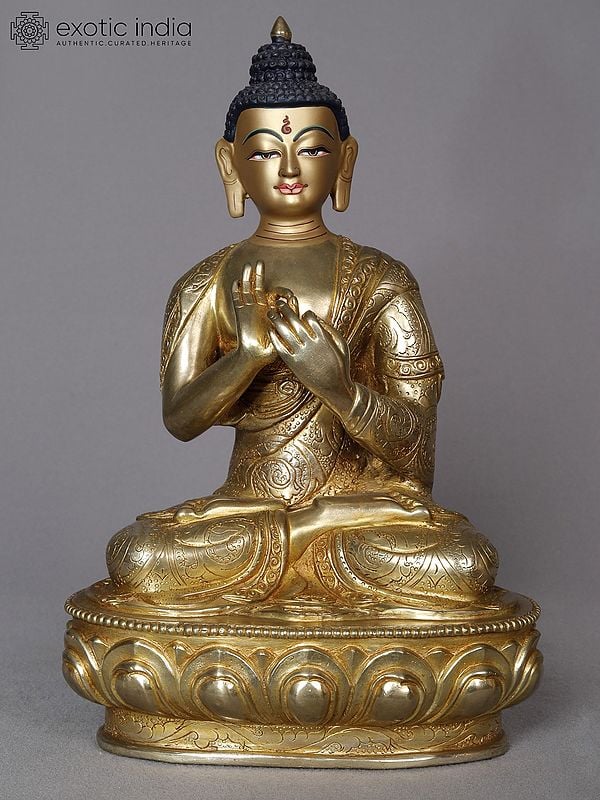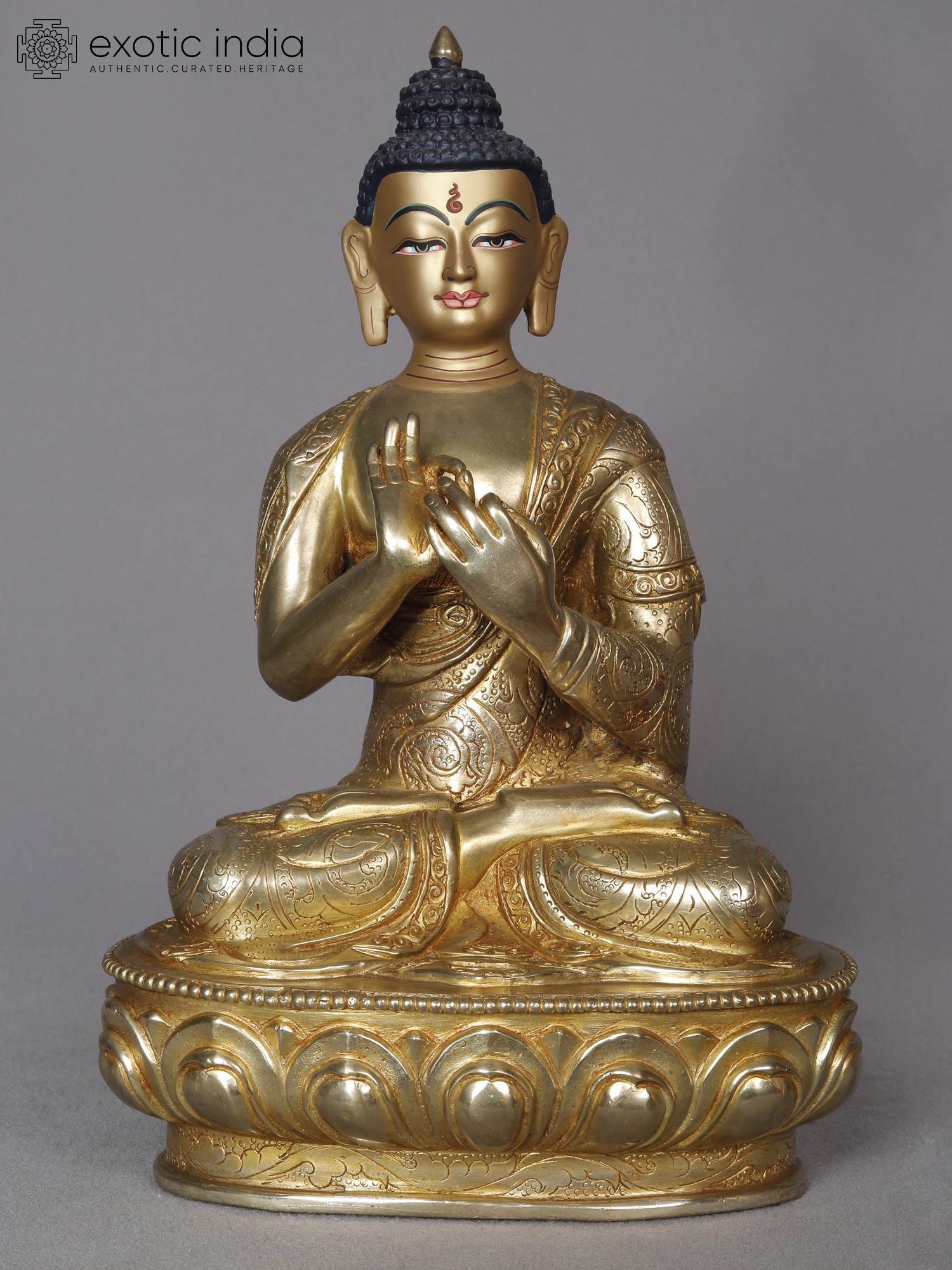
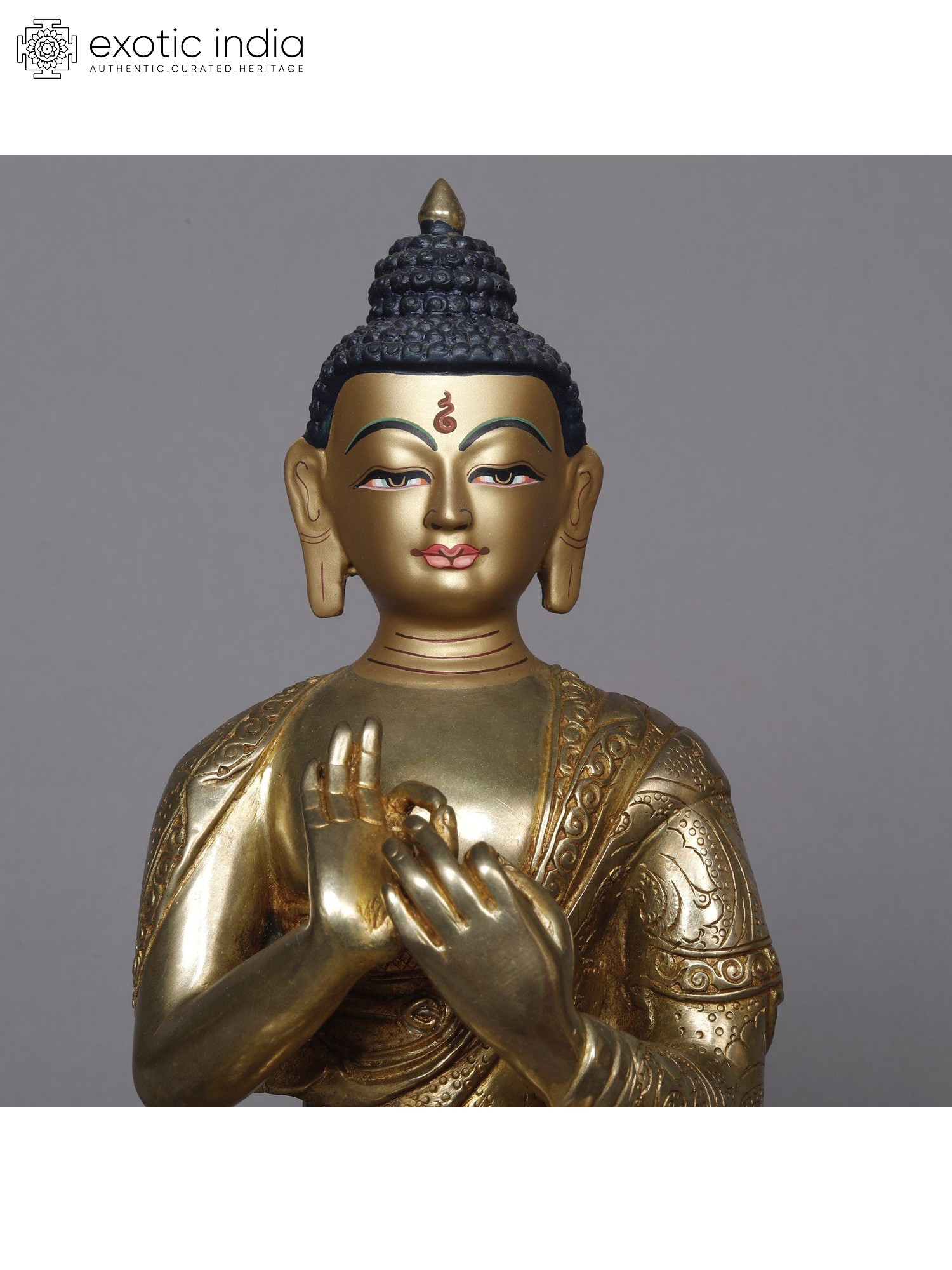
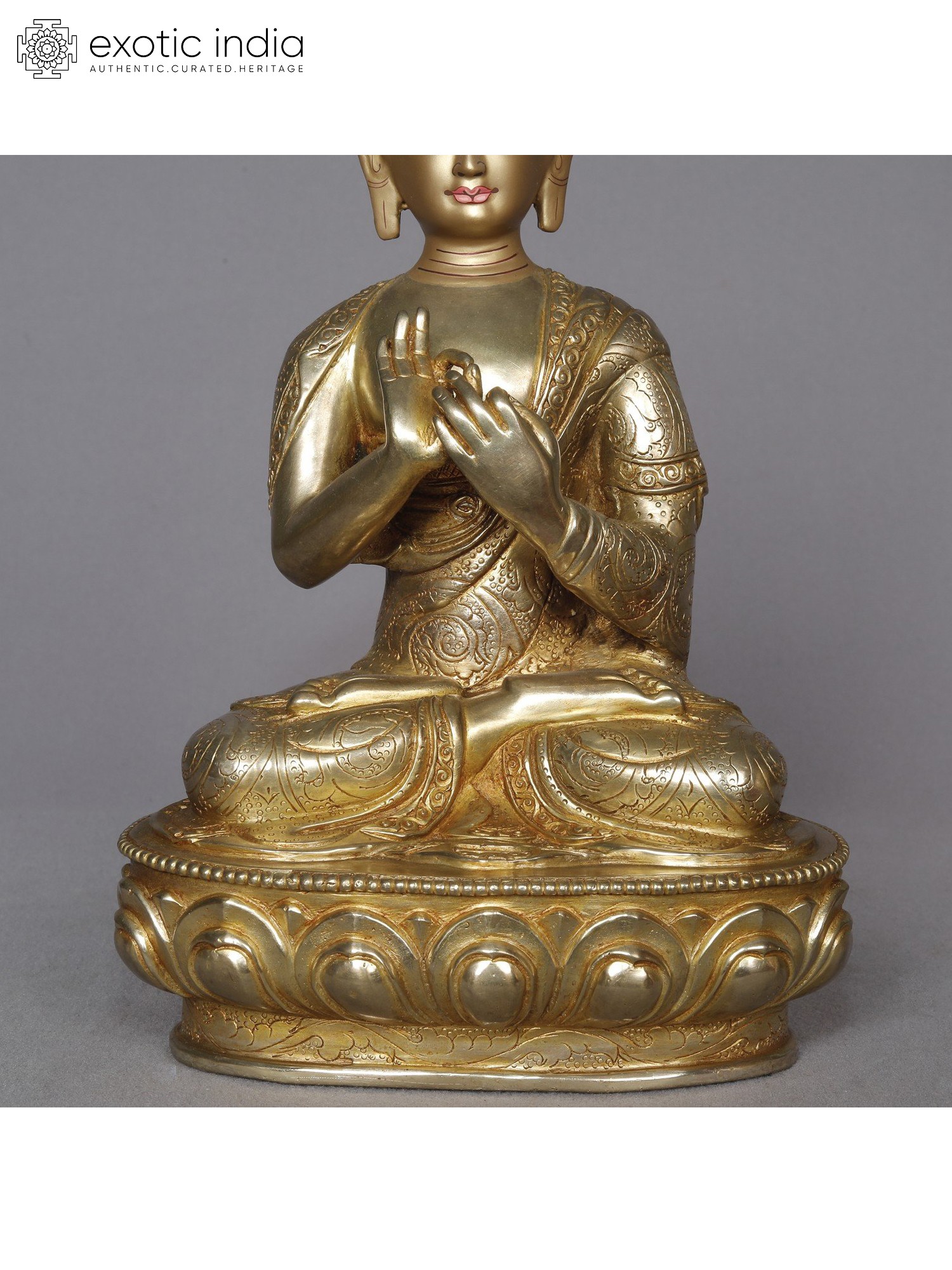
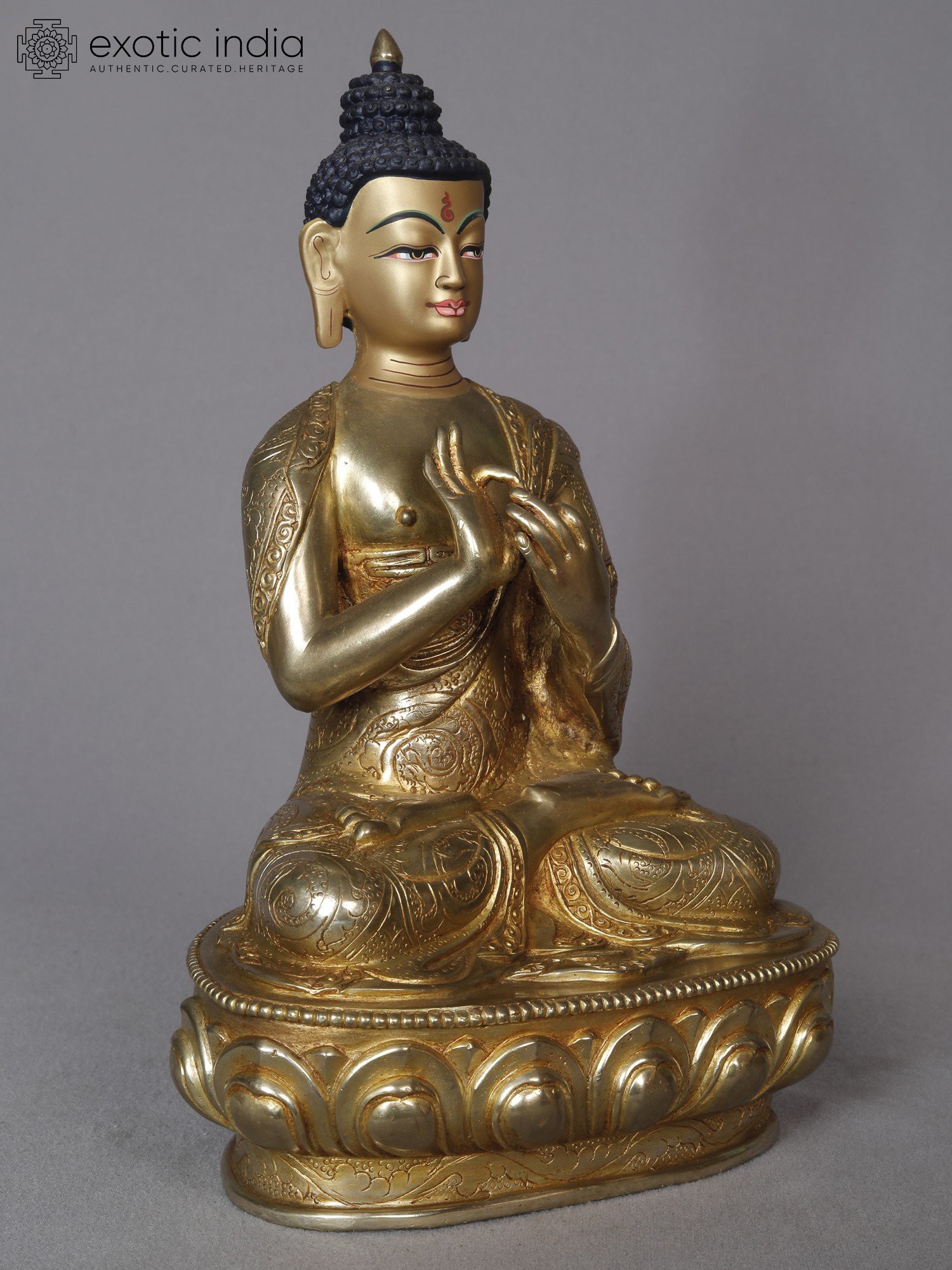
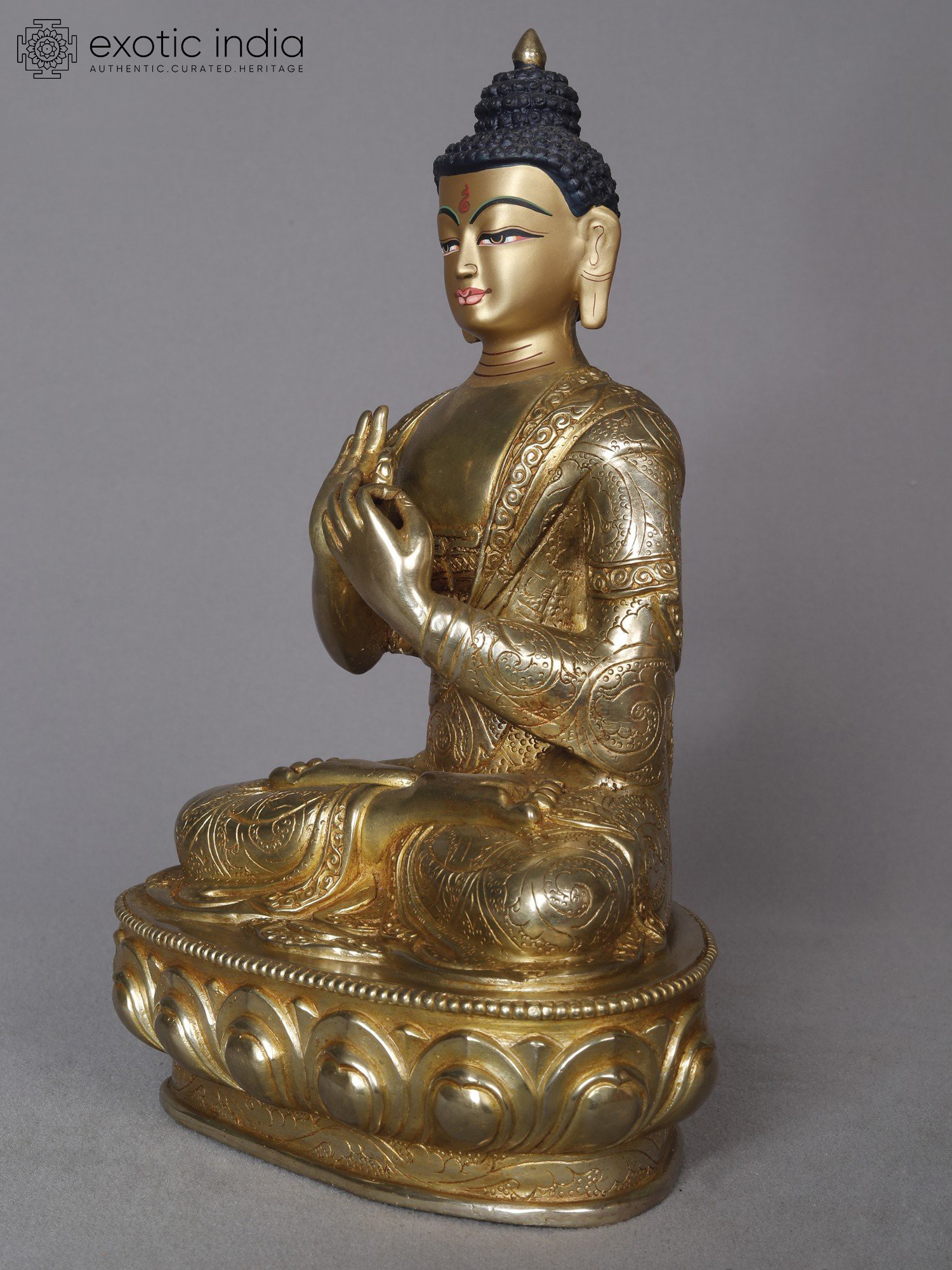
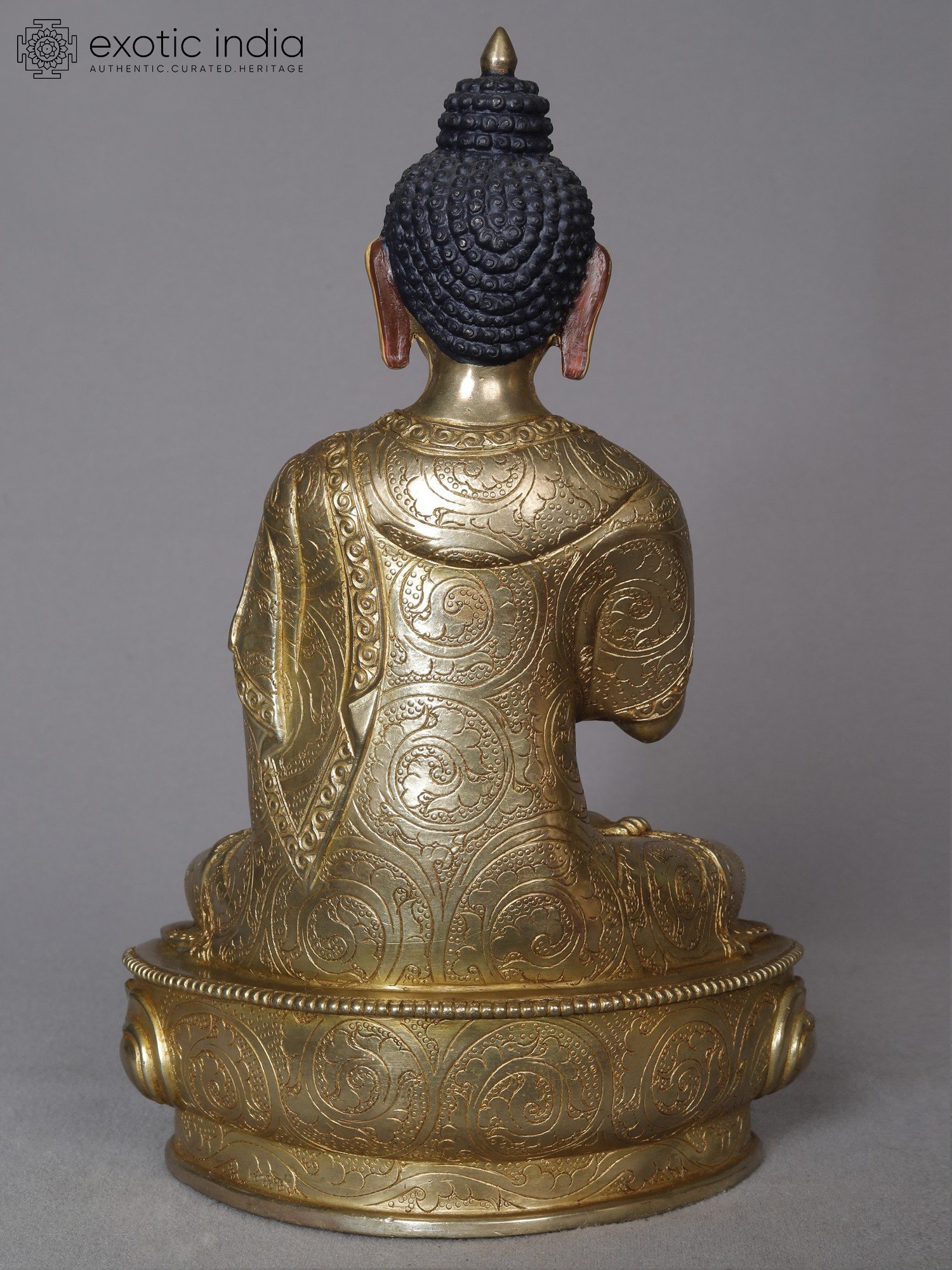
Shakyamuni Buddha Copper Sculpture with Dharmachakra Mudra
$656
Includes any tariffs and taxes

Only 1 available
Notify me when this item is available
| Specifications |
 |
CAA125 |
 |
Copper With Gold |
 |
Height: 9 inch |
| Width: 6 inch | |
| Depth: 4 inch | |
 |
Weight 1.60 kg |
| About the Item |
|
| Delivery and Return Policies |
 |
Usually ships in 6 days |
 |
Returns and Exchanges accepted within 7 days |
 |
Free Delivery |

Easy Returns

Fully Insured

100% Handmade
Shakyamuni
Buddha, often referred to as the historical Buddha, is depicted in a statue
capturing the moment of his enlightenment at the sacred site of Bodh Gaya in
India. Distinctive physical traits aid in identifying representations of the
Buddha. He sits in the Padmasana of meditation, his legs crossed at the ankles
with soles facing upward, and his posture exudes perfect alignment. Adorned in
a simple, lightweight monk's robe, it drapes over his left shoulder and arm
while leaving his right side exposed.
A prominent
protuberance crowns the Buddha's head, symbolizing his transcendent wisdom. His
hair is depicted as tightly curled, reminiscent of a compact mass.
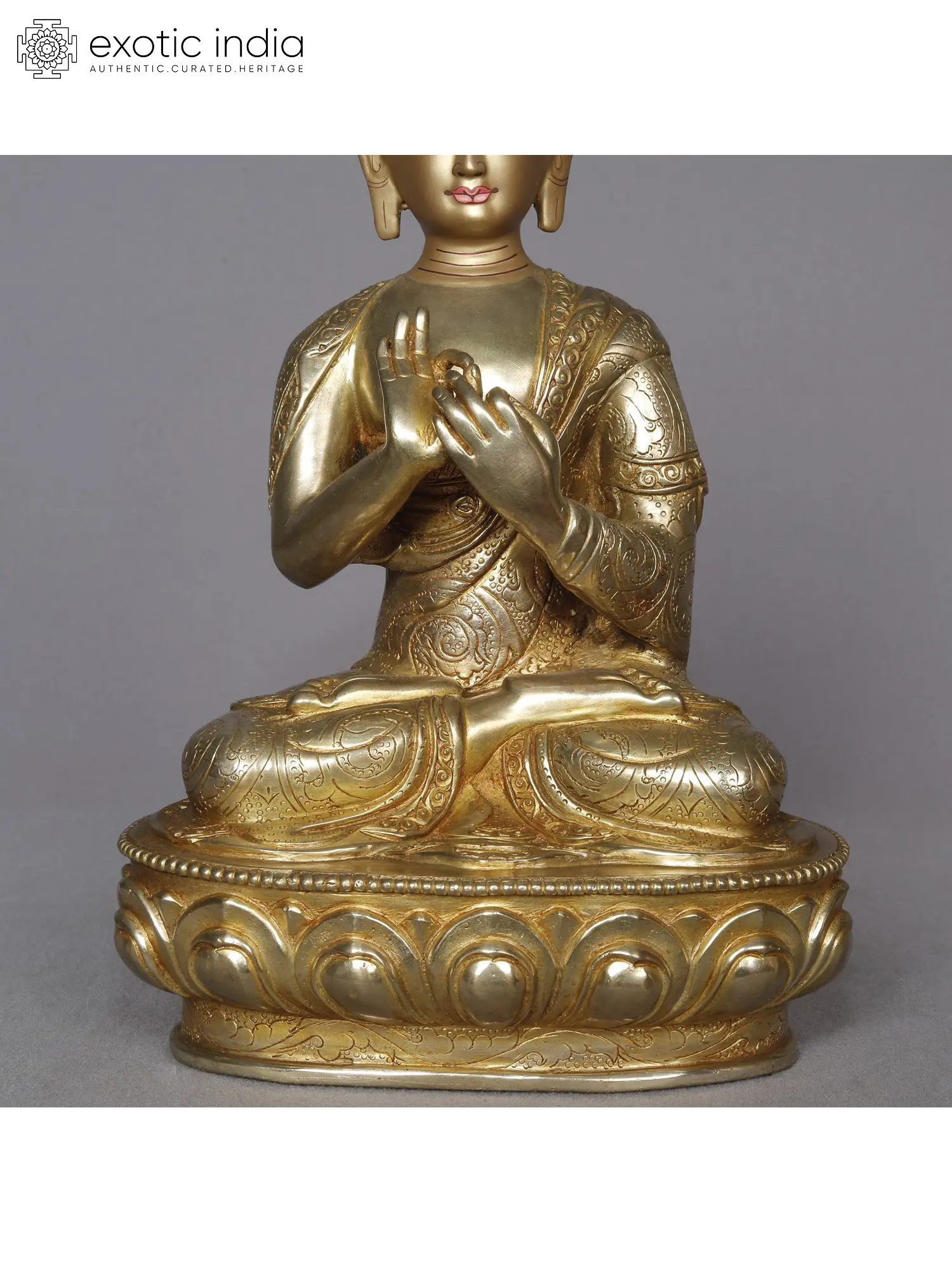
A Beacon of Enlightenment: The Shakyamuni Buddha Statue
Immerse yourself in the serene presence of Lord Shakyamuni Buddha, meticulously crafted from copper and adorned with a rich gold finish. This exquisite statue, originating from Nepal, is more than just an object of art; it is a conduit to profound spiritual reflection and a testament to centuries of devotional artistry. As you gaze upon its form, you are invited to connect with the legacy of Siddhartha Gautama, the prince who renounced his worldly possessions to seek enlightenment and ultimately become the Buddha.The Essence of Shakyamuni
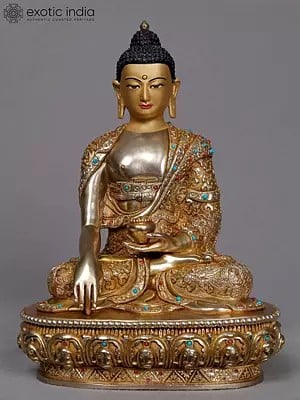
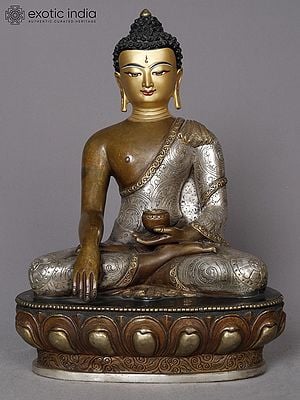
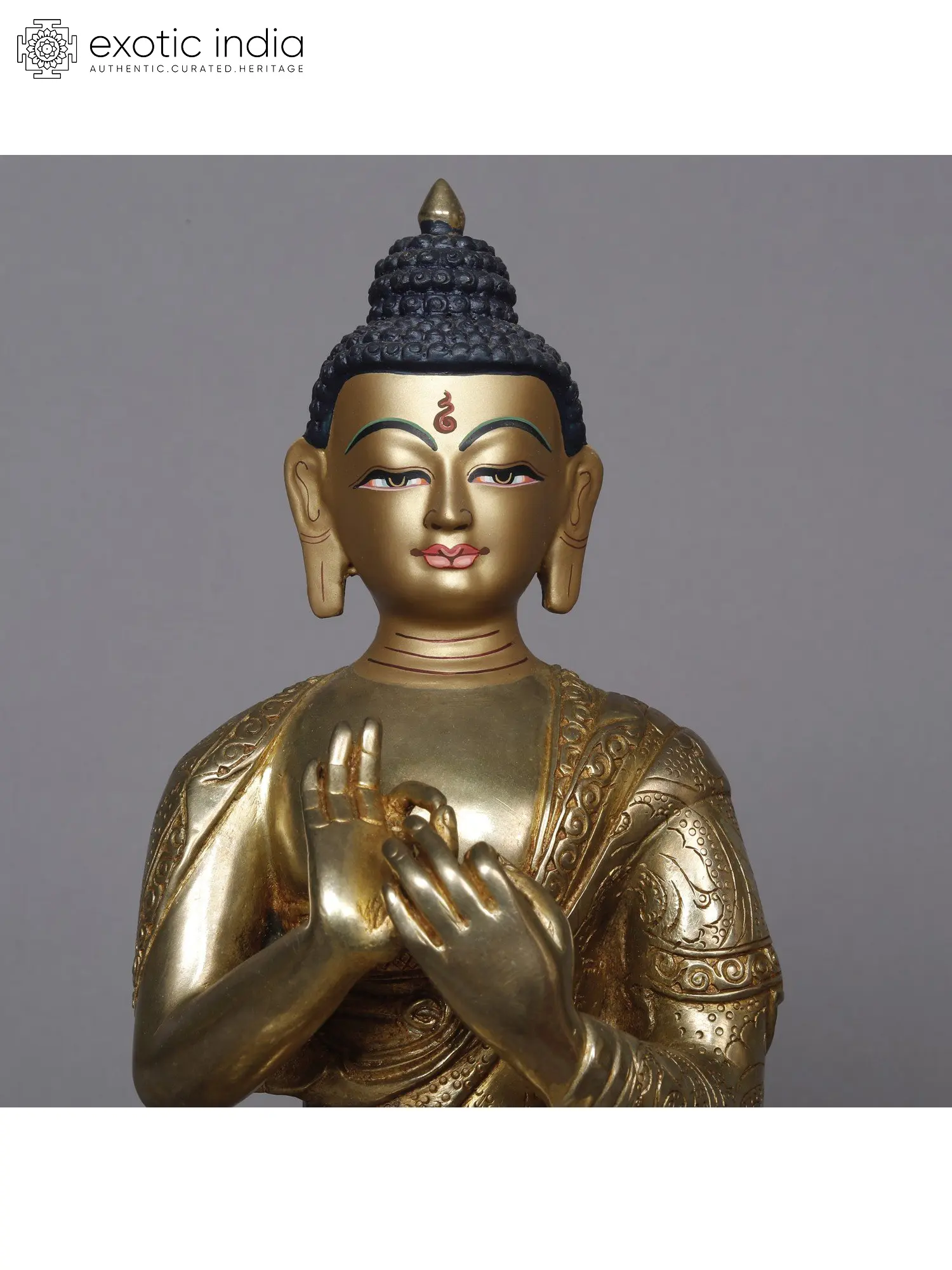
The iconography of this statue captures a pivotal moment in the Buddha's journey. Shakyamuni, meaning "Sage of the Shakya clan," is depicted here in a meditative posture, seated upon a lotus throne. The lotus, a symbol deeply rooted in Buddhist philosophy, represents purity, detachment from worldly desires, and the blossoming of wisdom from the mud of existence. His hands are raised in a gesture that signifies the turning of the Dharma wheel, the spreading of his teachings throughout the world. This mudra, the Dharmachakra mudra, is iconic and directly associated with his first sermon at Sarnath, where he expounded the Four Noble Truths. The gentle smile and compassionate gaze emanating from his face are intended to evoke a sense of peace and inner stillness in the viewer. The urna, the dot between his eyebrows, is considered a third eye, symbolizing spiritual insight and the ability to see beyond the ordinary.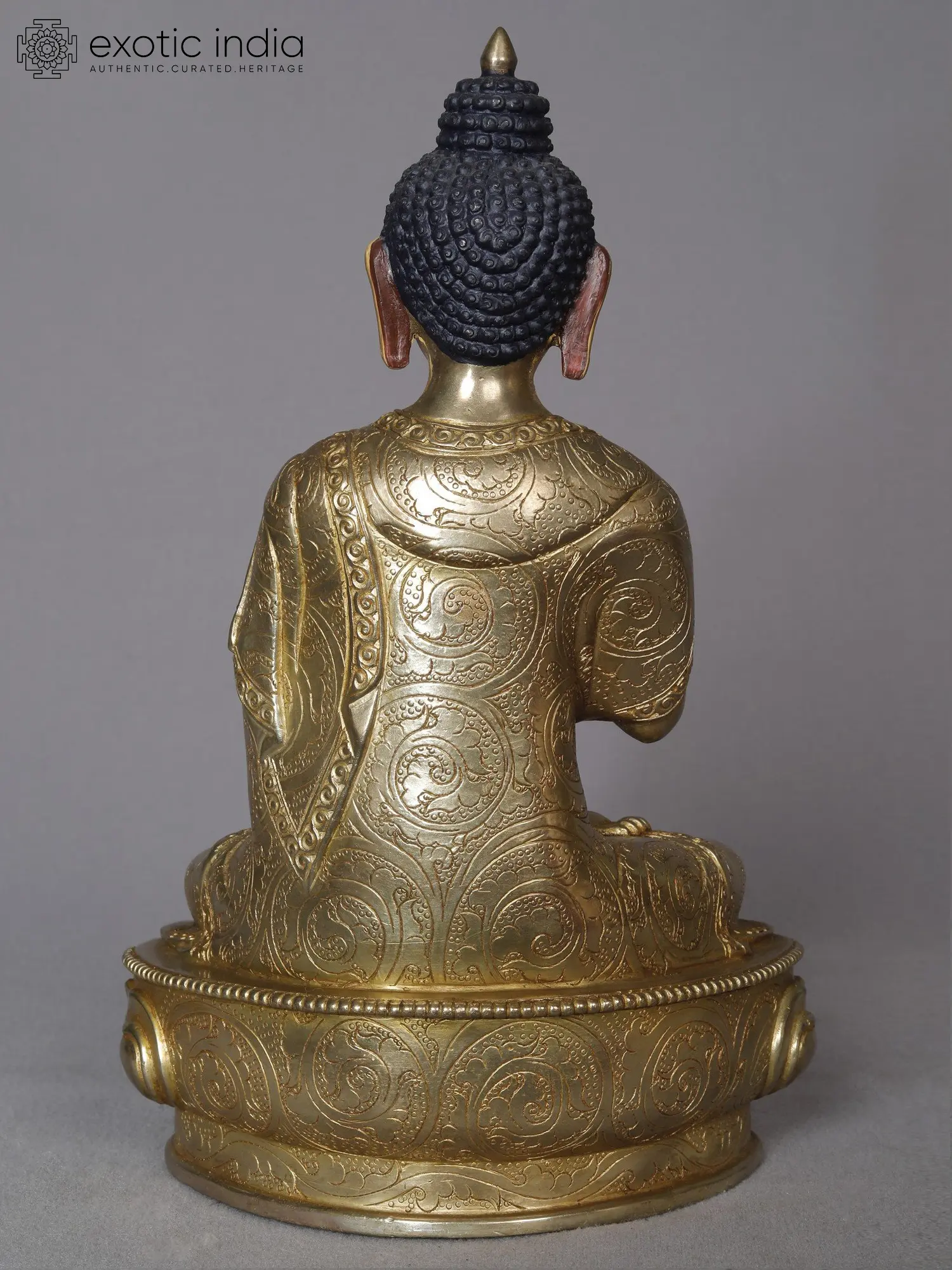
Artistry Rooted in Tradition
Crafted by skilled artisans in Nepal, a land steeped in Buddhist tradition, this statue embodies the meticulous techniques passed down through generations. The use of copper as a base material provides a durable and resonant foundation, while the application of gold lends it a divine radiance, reflecting the spiritual brilliance of the Buddha. The intricate detailing on the robe, with its delicate patterns, speaks to the reverence and dedication invested in its creation. Each fold of cloth, each nuance of expression, is rendered with a precision that honors the sacred nature of the subject. The dark, textured hair, arranged in tight curls, is characteristic of depictions of the Buddha, symbolizing his ascetic practices and renunciation.A Sacred Addition to Your Space
Whether you are a devoted practitioner of Buddhism or an admirer of sacred art, this Shakyamuni Buddha statue serves as a powerful reminder of the path to awakening. Its presence can transform any space into a sanctuary of peace and contemplation. Imagine this radiant figure gracing your altar, study, or meditation room, its golden aura filling the air with a sense of tranquility. It is a piece that invites introspection, encouraging the cultivation of mindfulness, compassion, and wisdom within your own life, echoing the timeless teachings of the Enlightened One.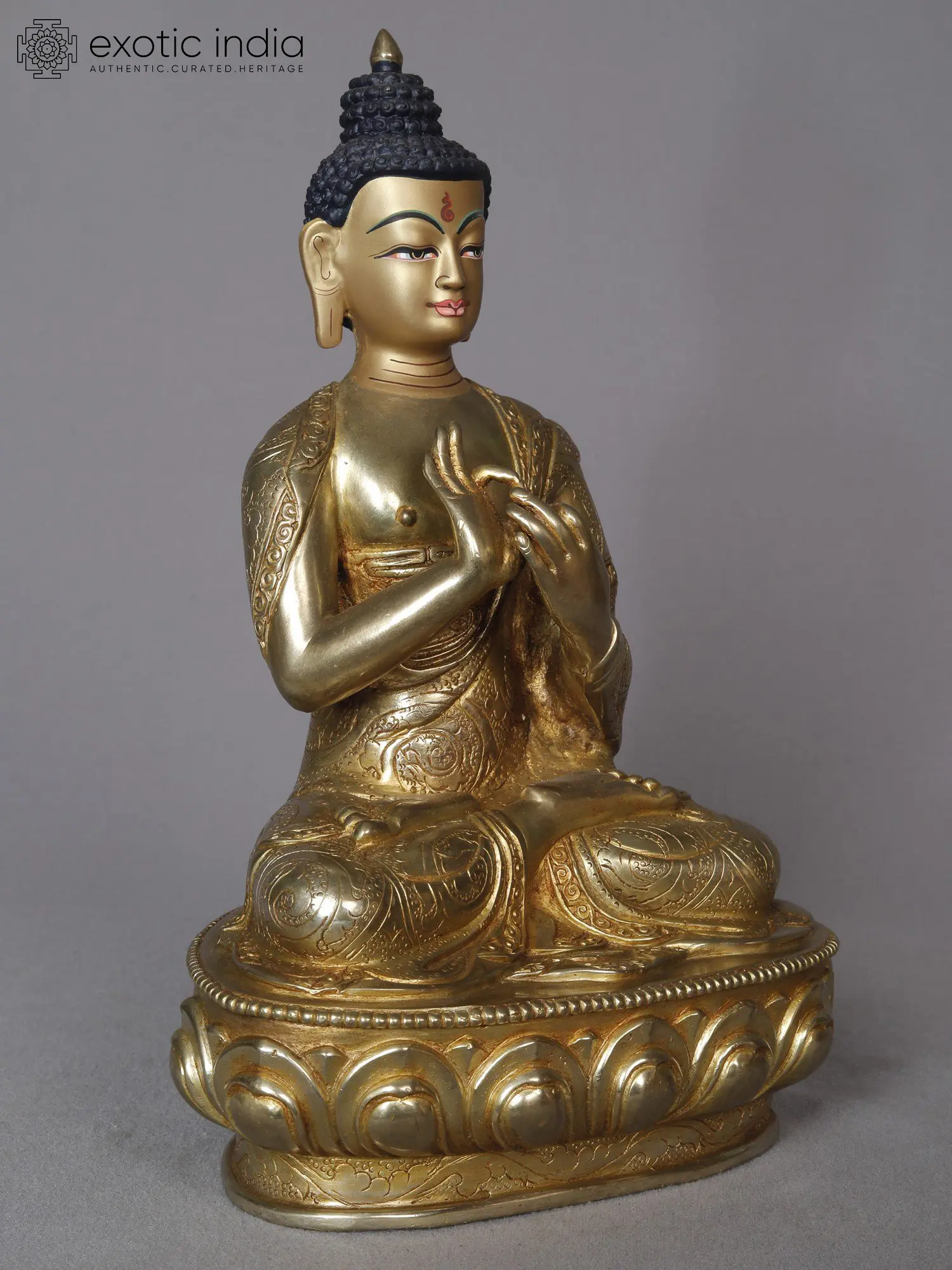
How are Nepalese copper statues made?
Nepalese statues and sculptures are best known for their unique
small religious figures and ritual paraphernalia for over two
thousand years. These are mainly cast in copper alloy. Nepal draws
influences from the artistic styles of Buddhism and Hinduism, and
therefore the sculptors of the country specialize in making the
icons of both these religions. Over the years, Nepalese sculptures
evolved into their own distinctive iconography. Some
characteristic features of these sculptures that differ from other
pieces are exaggerated physical postures, youthful and sensual
features, languid eyes, wider faces having serene expressions, and
ornate flourishes. The Buddhist deity icons of Nepal have
tremendous demand in countries such as China and Tibet for ritual
purposes in their temples and monasteries.
Nepalese statues and sculptures have a high copper content and therefore develop a slightly reddish patina on the surface as they age. However, the most unique feature of Nepalese copper statues is their decorative detailing. The pieces are heavily gilded and sometimes inlaid with semi-precious stones. This embellishment protects them from getting tarnished. The traditional lost-wax method for casting Nepalese copper statues remains the most practiced technique in Nepal for many centuries. This process involves many steps and requires skilled artists.
The first step in lost-wax sculpting is to make a wax replica of the desired Buddhist deity to be cast in copper. This replica is created by hand and therefore needs excellent artistic skills otherwise fine features will be lacking.
Once the wax replica is made, it is then coated with a special mixture of clay with a brush. This layer of clay is hardened when left to dry. A small hole is made on the base of the wax mould so that the wax flows away when it is heated.
Nepalese statues and sculptures have a high copper content and therefore develop a slightly reddish patina on the surface as they age. However, the most unique feature of Nepalese copper statues is their decorative detailing. The pieces are heavily gilded and sometimes inlaid with semi-precious stones. This embellishment protects them from getting tarnished. The traditional lost-wax method for casting Nepalese copper statues remains the most practiced technique in Nepal for many centuries. This process involves many steps and requires skilled artists.
The first step in lost-wax sculpting is to make a wax replica of the desired Buddhist deity to be cast in copper. This replica is created by hand and therefore needs excellent artistic skills otherwise fine features will be lacking.
Once the wax replica is made, it is then coated with a special mixture of clay with a brush. This layer of clay is hardened when left to dry. A small hole is made on the base of the wax mould so that the wax flows away when it is heated.
At this stage, a hollow mould in the shape of the deity is
obtained.
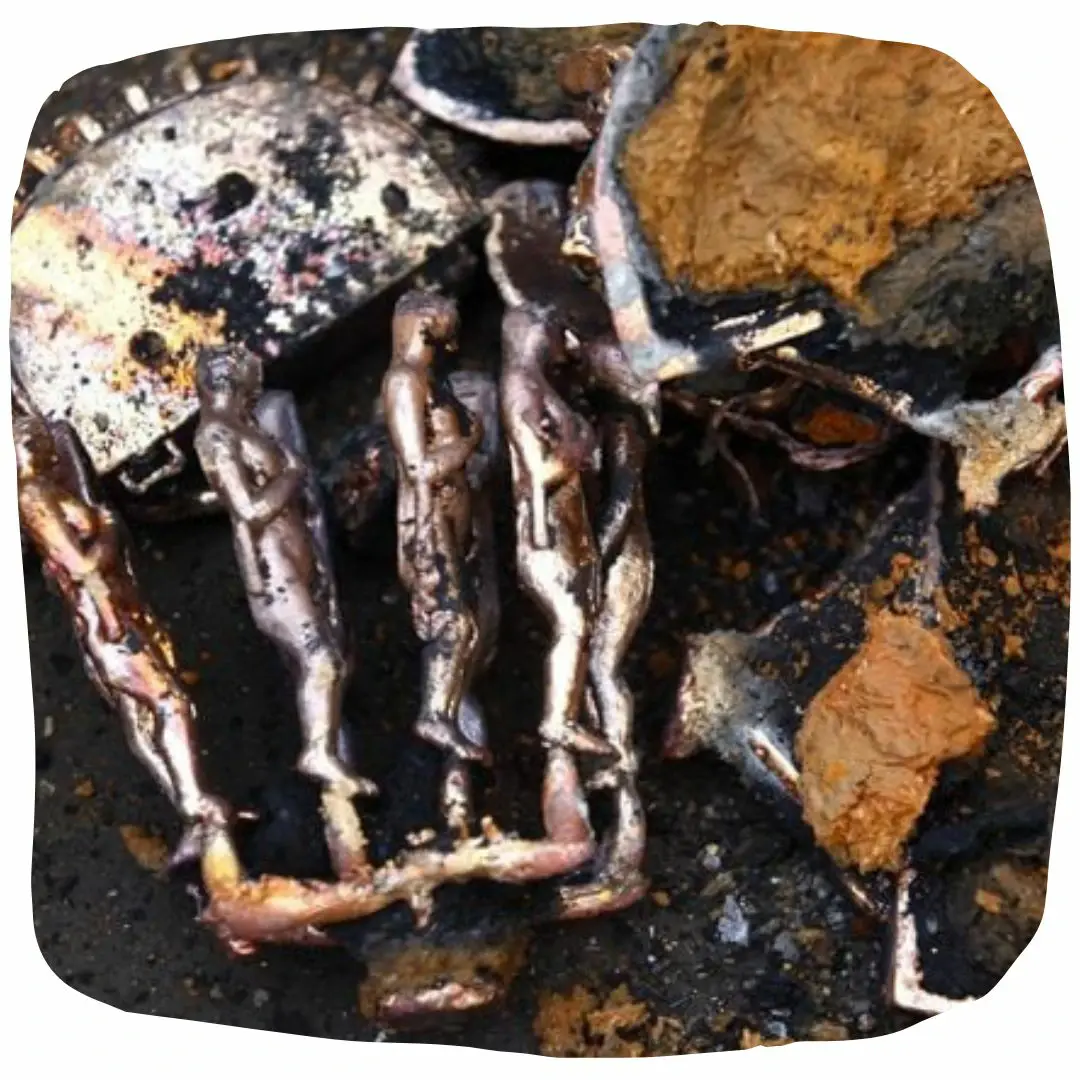
This is the time to pour liquid copper into the hollow mould which is then allowed to cool and harden inside a container of cold water. When the liquid metal has hardened, the mould is removed and the statue within is revealed.
This is the time to pour liquid copper into the hollow mould which is then allowed to cool and harden inside a container of cold water. When the liquid metal has hardened, the mould is removed and the statue within is revealed.
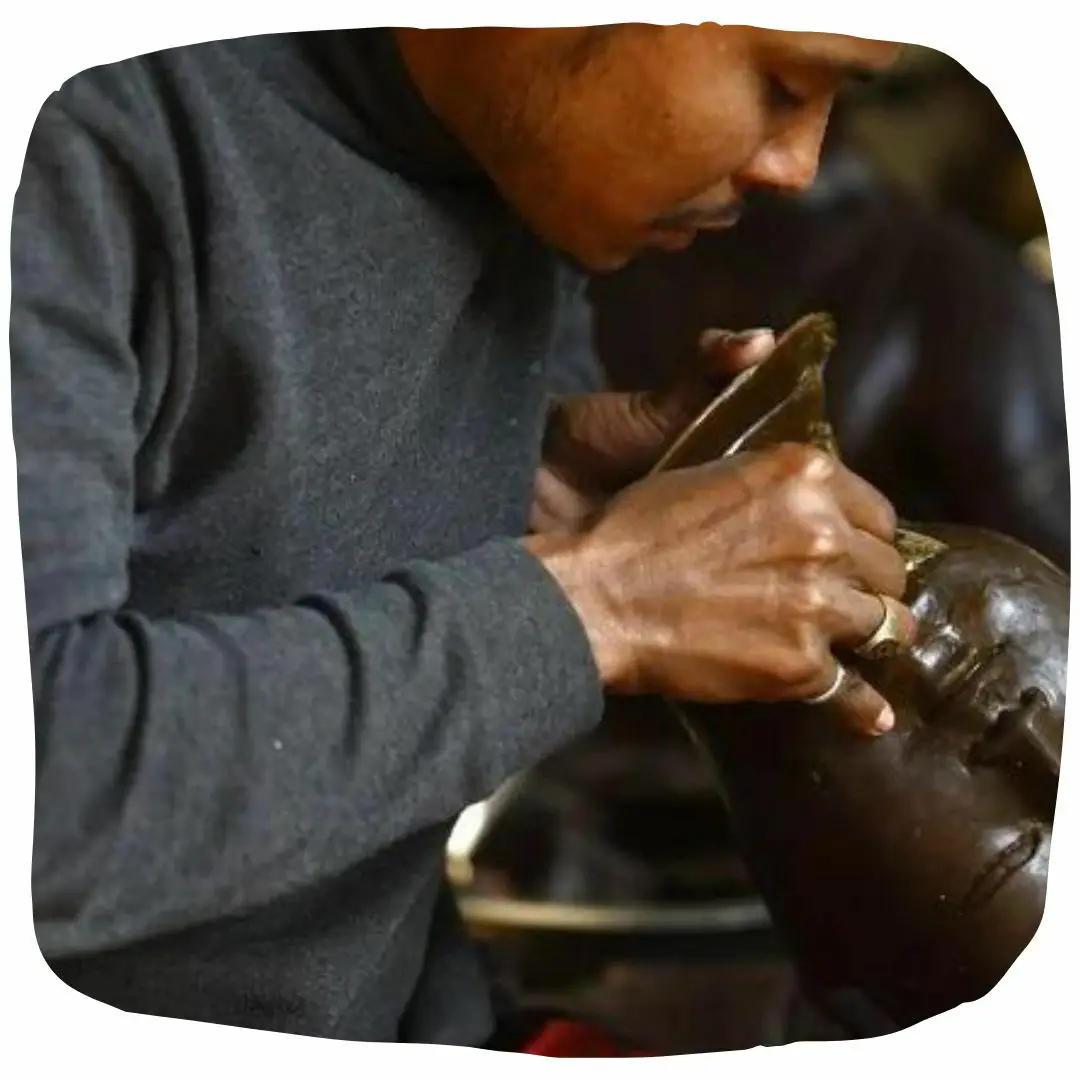
The artist works on the details of the statue using various tools.
It is then polished to get a shiny and lustrous surface.
Now comes the most important part of Nepalese art which is gold gilding. This is done by the traditional fire gilding method. A mixture of mercury and 18K gold is applied on the surface of the statue and heat is applied using a flame torch. The result is that mercury evaporates along with impurities, leaving a pure 24K gold finish.
Now comes the most important part of Nepalese art which is gold gilding. This is done by the traditional fire gilding method. A mixture of mercury and 18K gold is applied on the surface of the statue and heat is applied using a flame torch. The result is that mercury evaporates along with impurities, leaving a pure 24K gold finish.
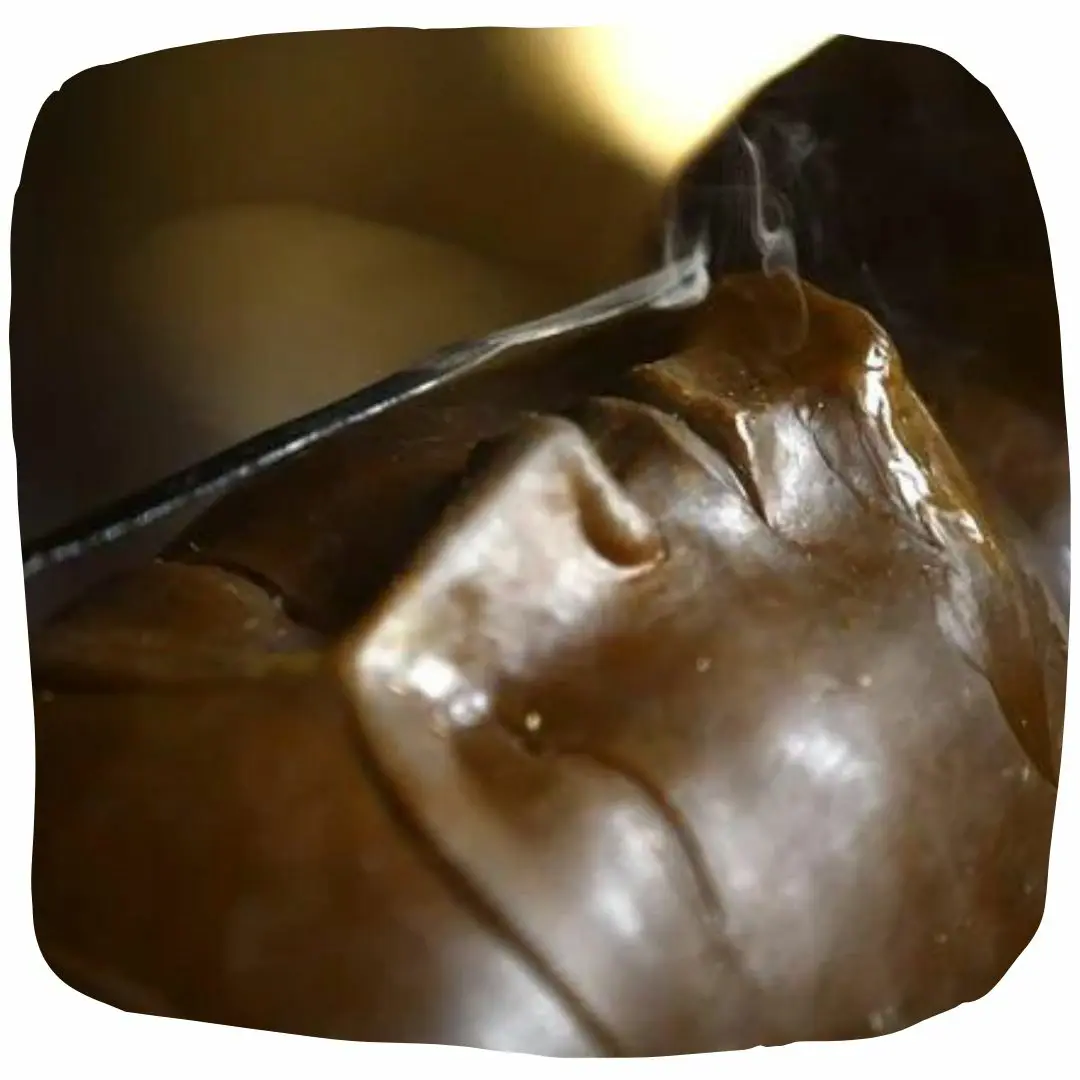
The lost-wax method of sculpting is the most preferred technique
for artists to cast a metallic statue having intricate details. Since Nepalese copper sculptures require extraneous effort for giving a majestic look by adding special embellishments, it takes several weeks to complete one masterpiece. A 24K gold gilded copper sculpture retains its brilliant luster for many years and appears as like before. Nepalese sculptures continue to remain one of the finest specimens of the art of the East that have a strong aesthetic appeal that other sculptures cannot match.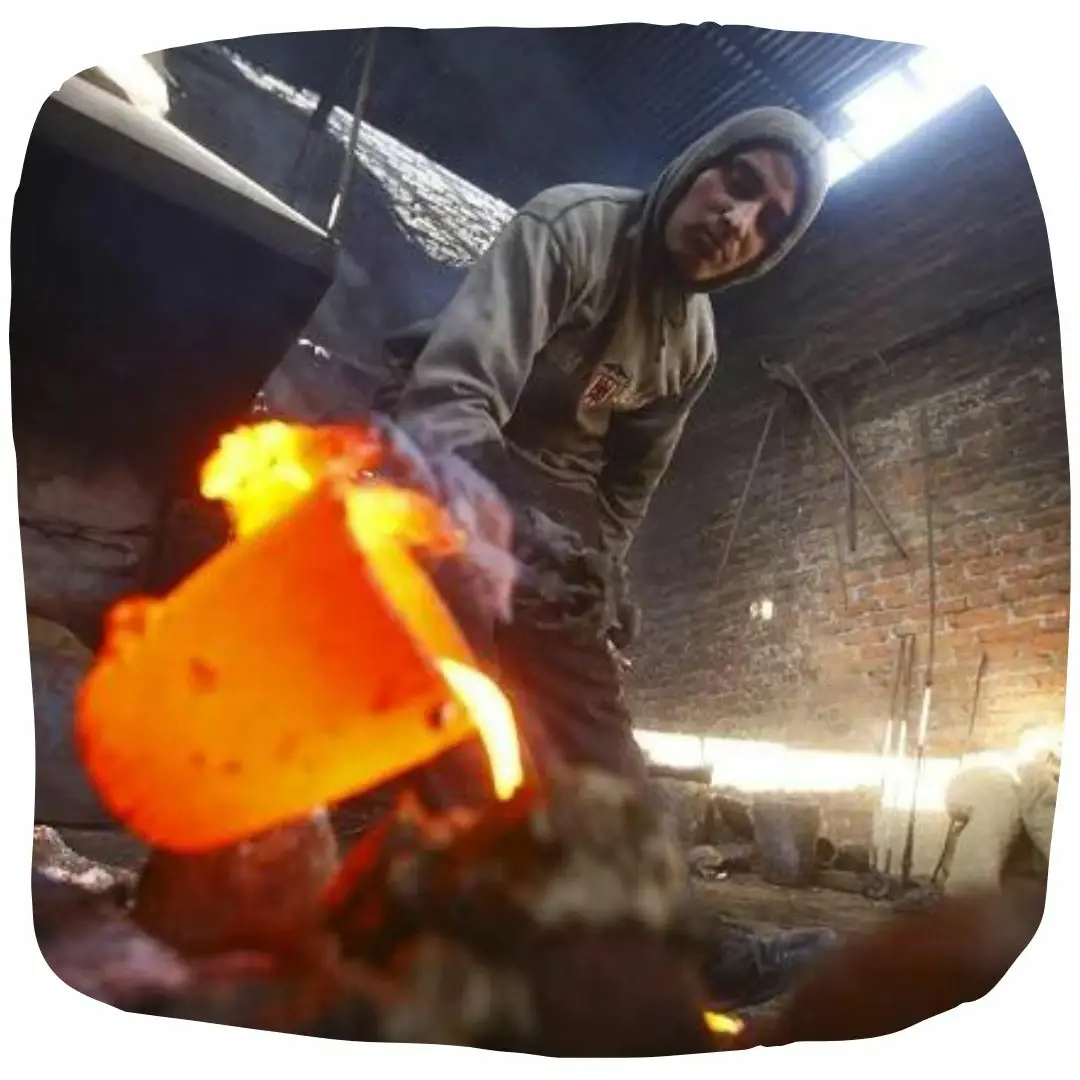
Products related to this item
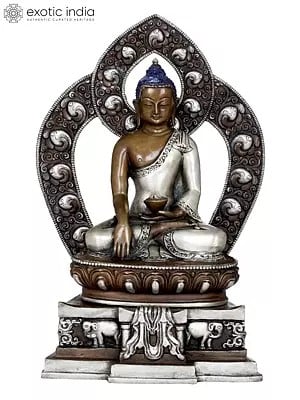
7.70 inch Height x 5.00 inch Width x 3.00 inch Depth
$607.20
Express Shipping
$759 20% off
Includes any tariffs and taxes
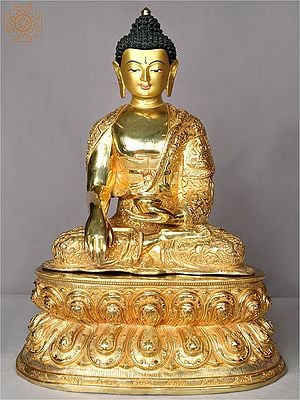
19.00 inch Height X 13.00 inch Width X 10.00 inch Depth
$4617
Includes any tariffs and taxes
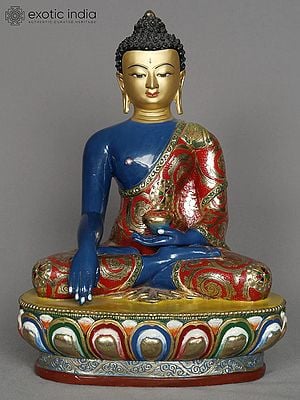
11.5 inch Height X 8 inch Width X 4.5 inch Depth
$863
Includes any tariffs and taxes
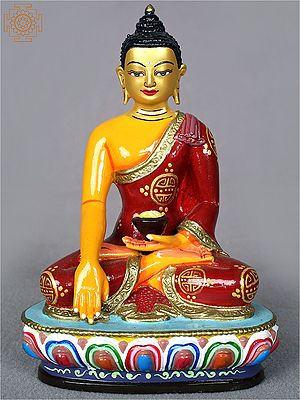
5.50 inch Height X 4.00 inch Width X 2.50 inch Depth
$305
Includes any tariffs and taxes
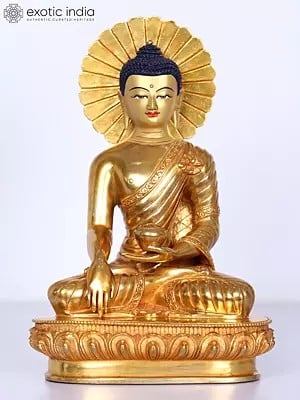
10 inch Height X 7 inch Width X 4 inch Depth
$1392
Sold Out
Includes any tariffs and taxes
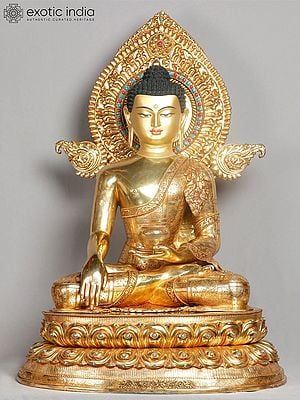
29 inch Height X 20.5 inch Width X 14 inch Depth
$10,143
Includes any tariffs and taxes
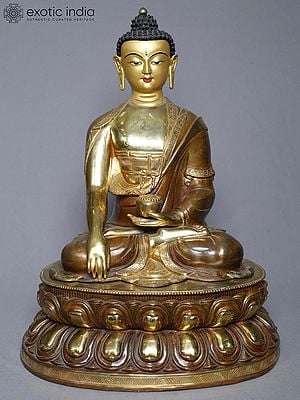
18 inch Height X 14 inch Width X 11 inch Length
$2846
Includes any tariffs and taxes
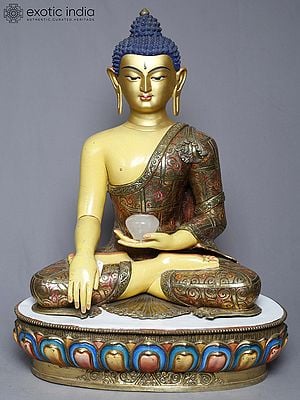
25 inch Height X 19 inch Width X 14 inch Length
$9016
Includes any tariffs and taxes
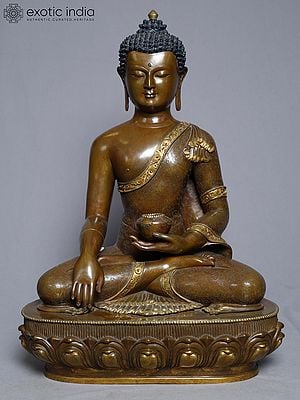
11 inch Height X 9 inch Width X 5 inch Length
$3669
Includes any tariffs and taxes
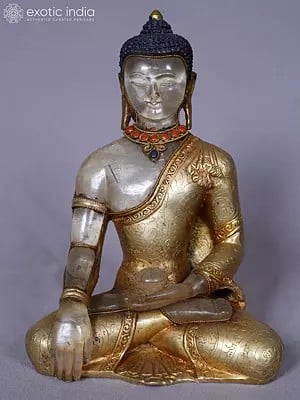
9.5 inch Height X 4.5 inch Width X 6.5 inch Length
$1006
Includes any tariffs and taxes
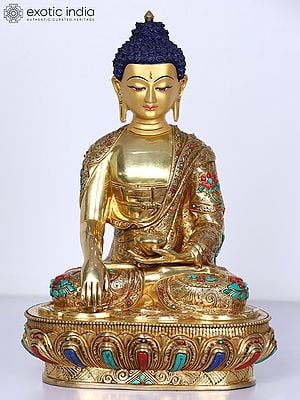
13 inch Height X 9 inch Width X 6 inch Depth
$3554
Includes any tariffs and taxes
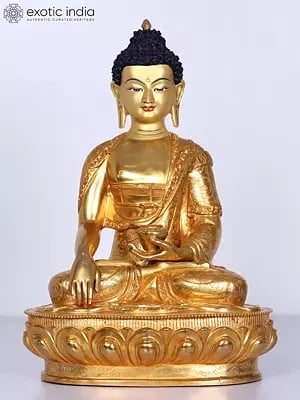
13 inch Height X 9 inch Width X 6 inch Depth
$1754
Includes any tariffs and taxes