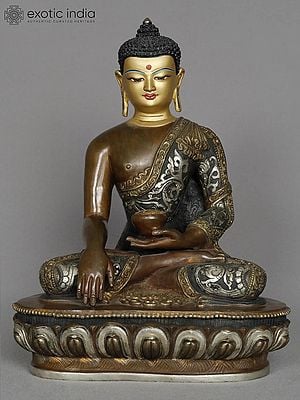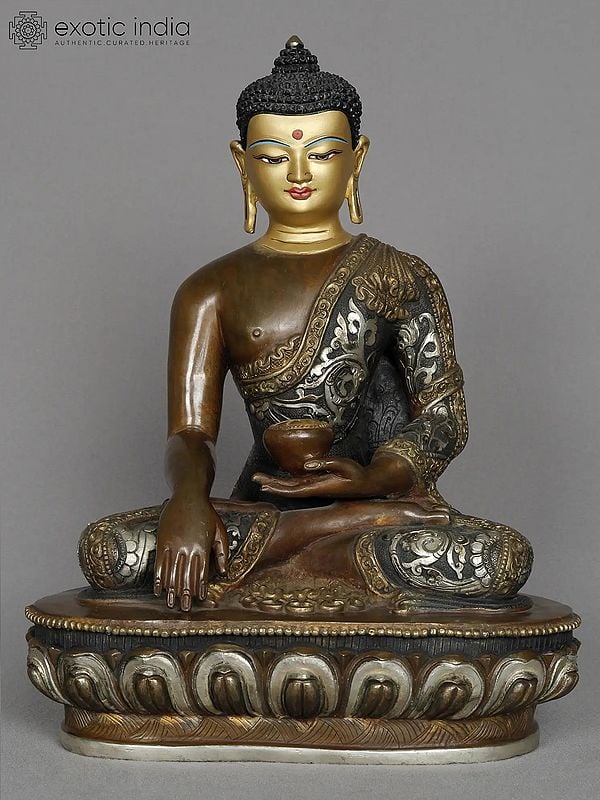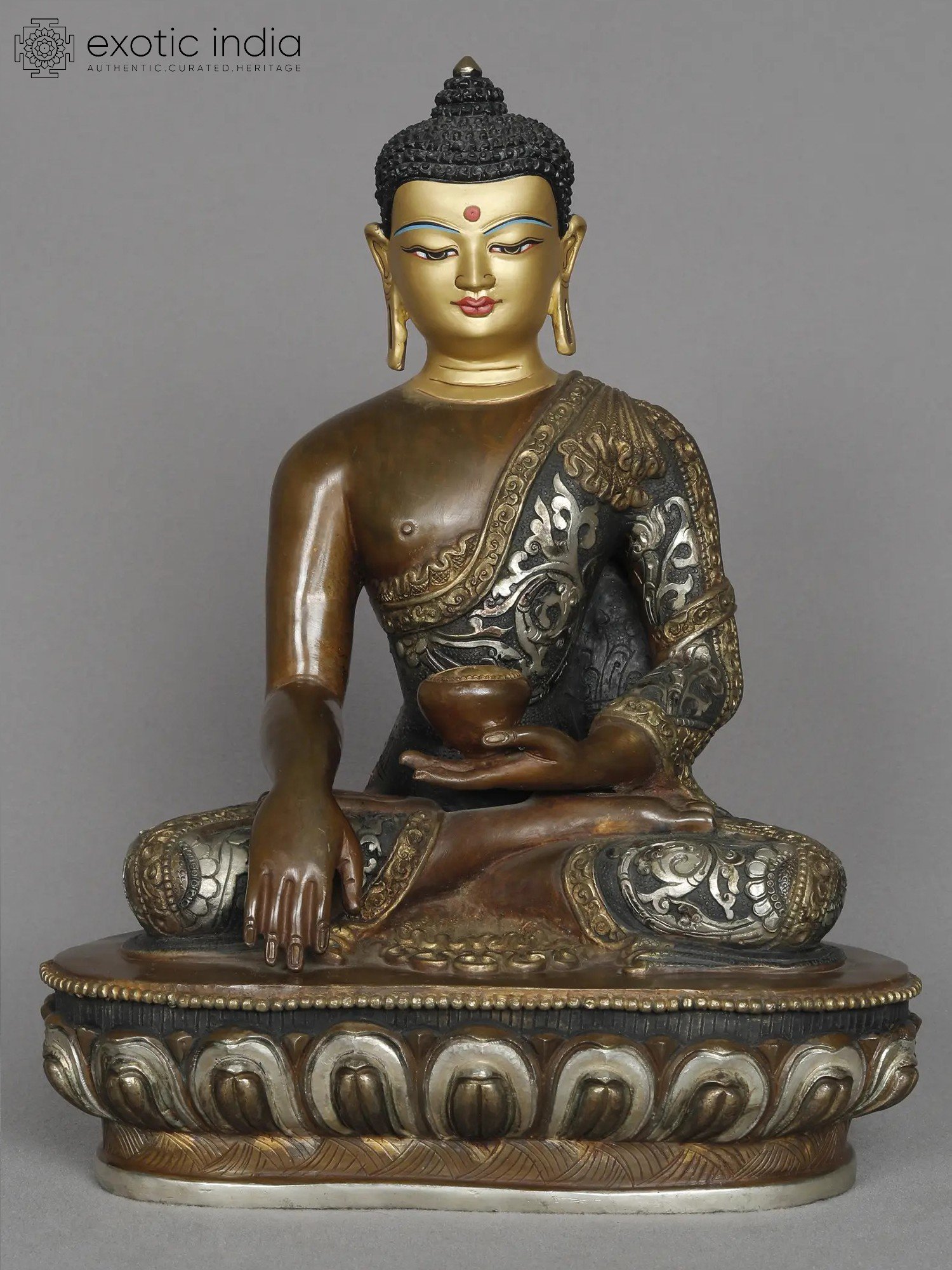
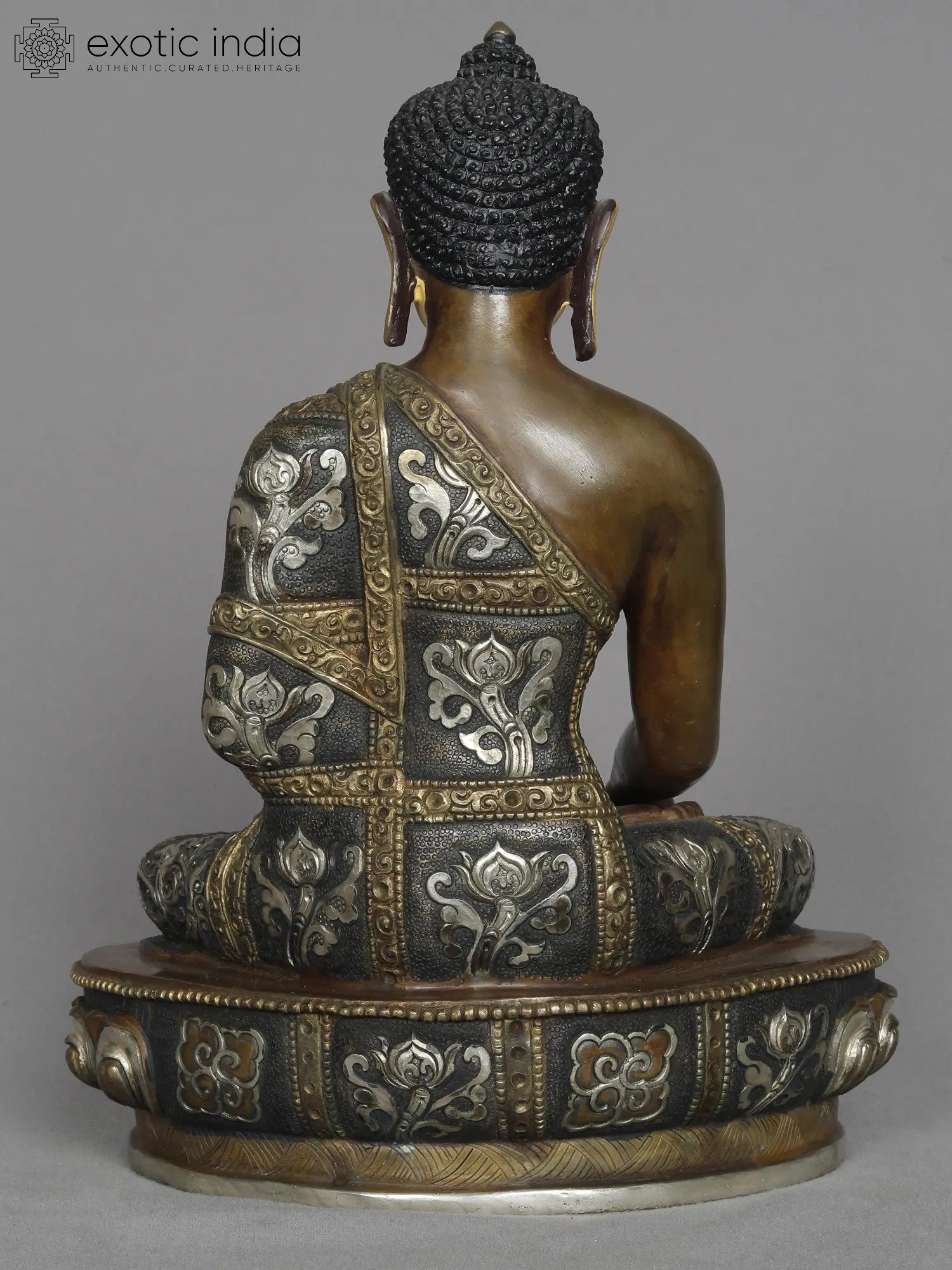
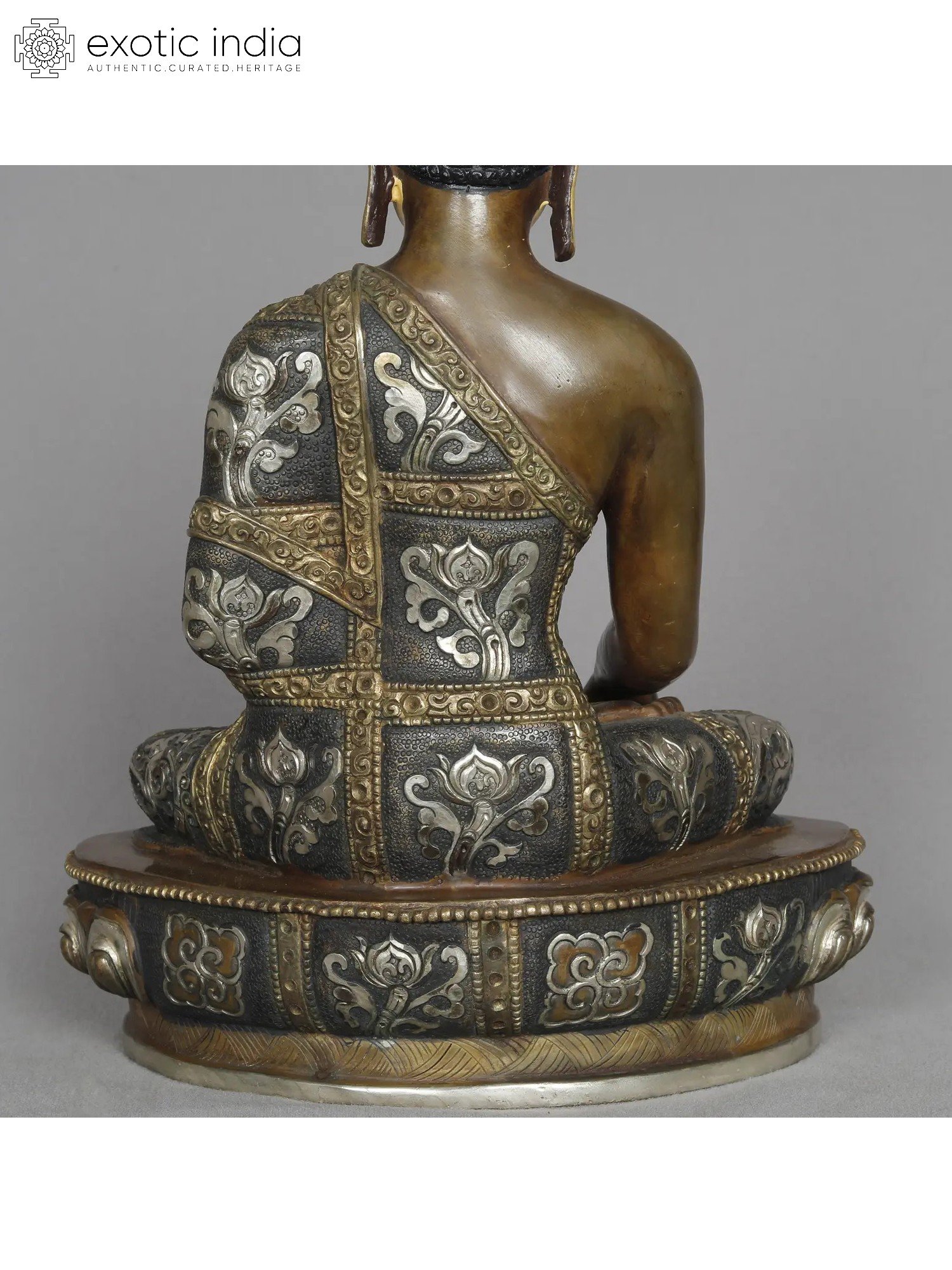
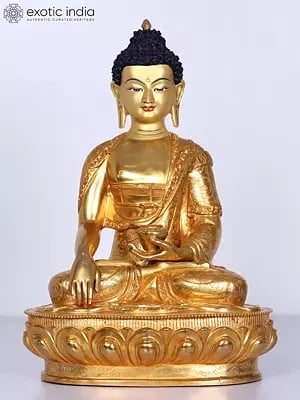
Shakyamuni Buddha Sculpture: 10" Meditative Pose
$1018
Includes any tariffs and taxes

Only 1 available
Notify me when this item is available
| Specifications |
 |
CAA025 |
 |
Copper With Gold |
 |
Height: 10 inch |
| Width: 8 inch | |
| Depth: 4 inch | |
 |
Weight 2.60 kg |
| About the Item |
|
| Delivery and Return Policies |
 |
Usually ships in 6 days |
 |
Returns and Exchanges accepted within 7 days |
 |
Free Delivery |

Easy Returns

Fully Insured

100% Handmade
The Enlightened One: A Nepalese Masterpiece
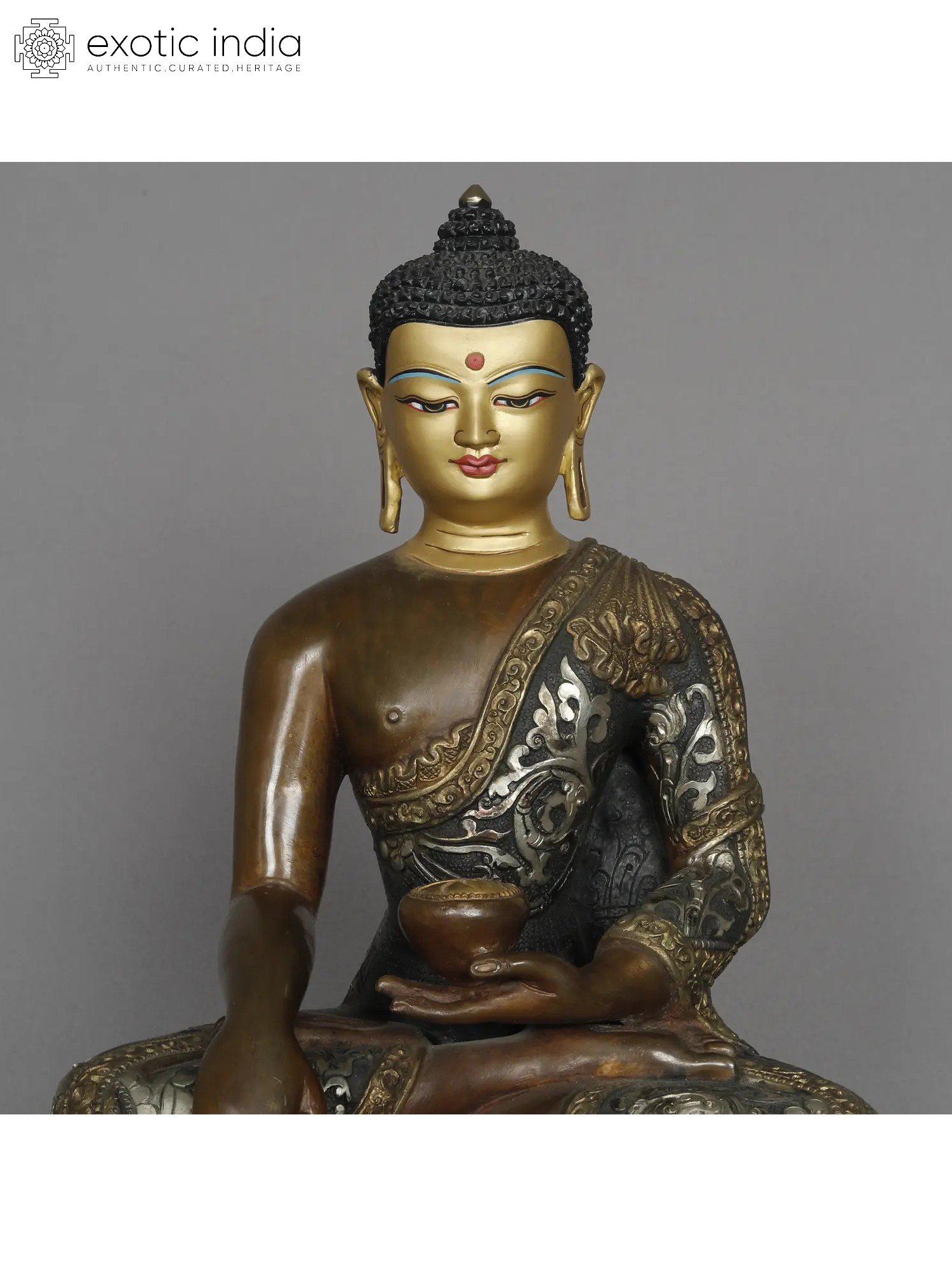
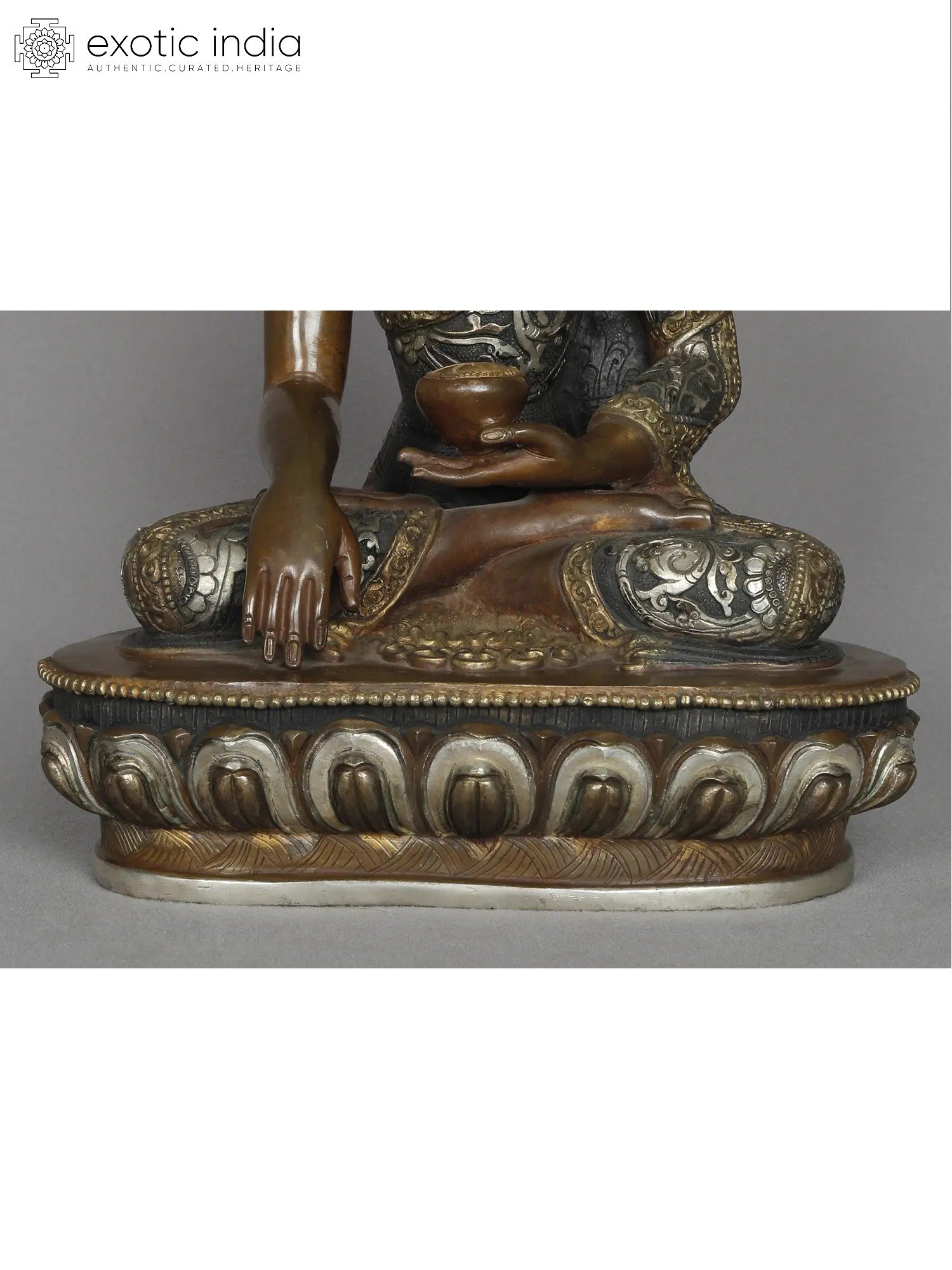
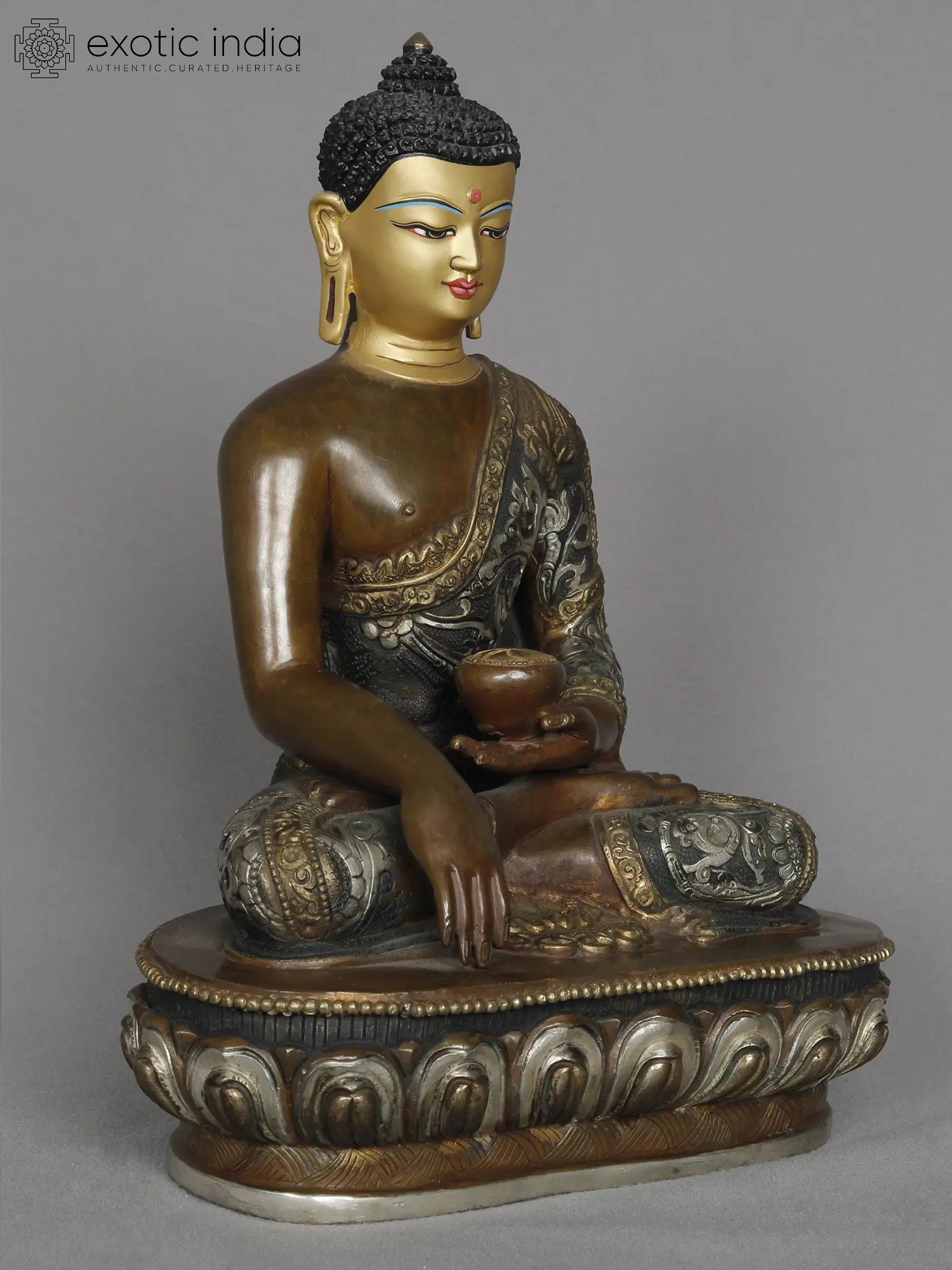
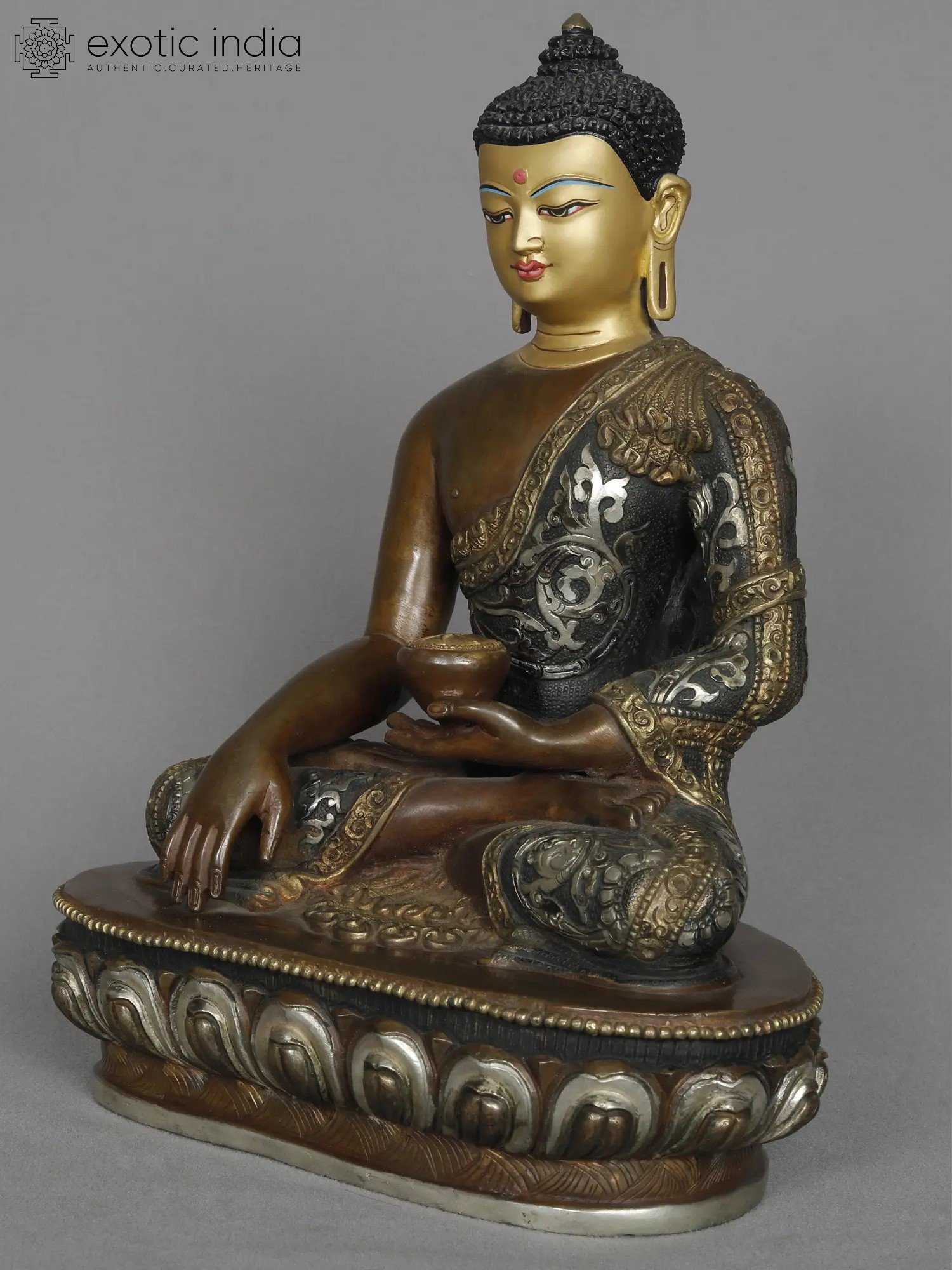
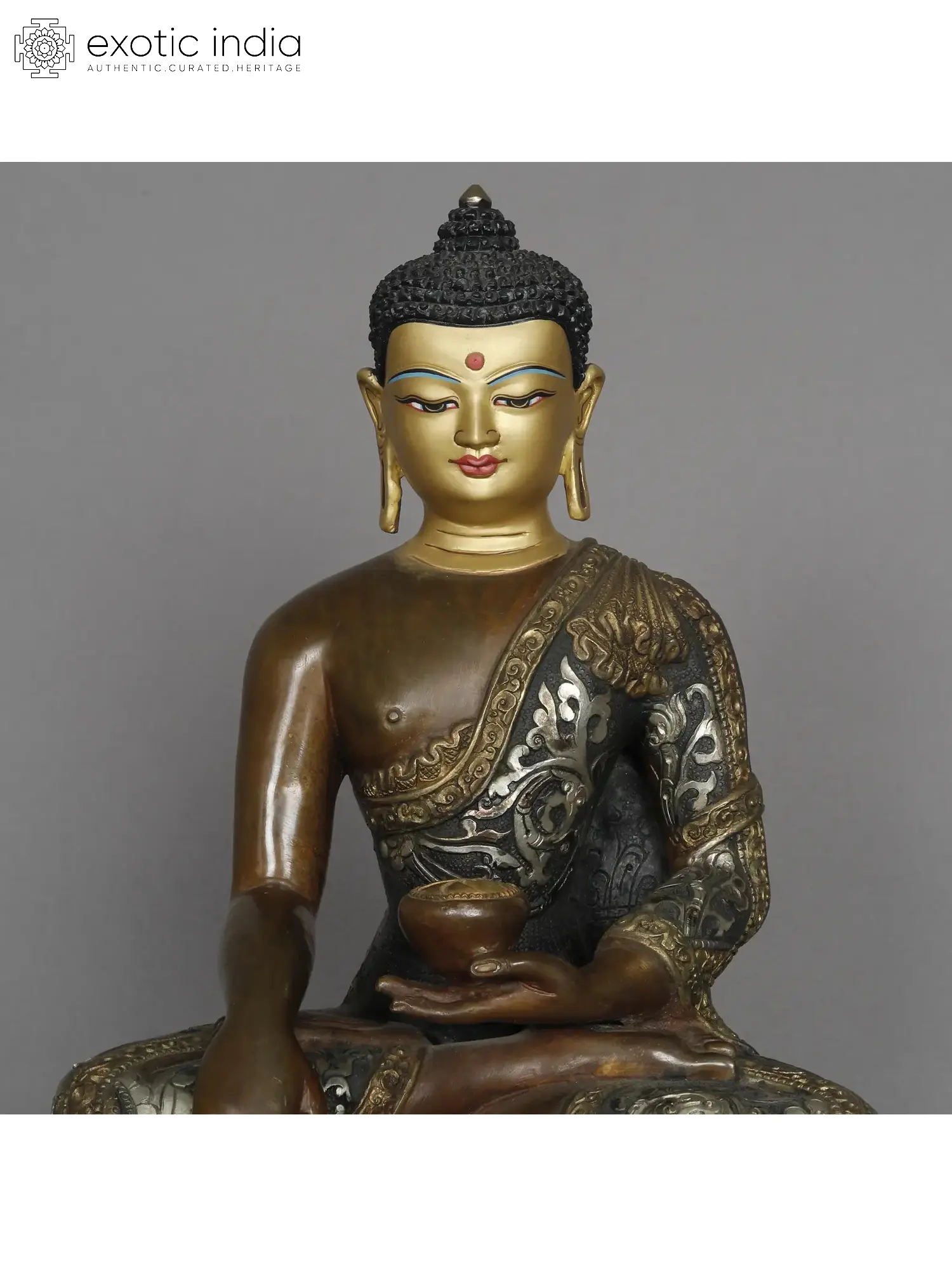
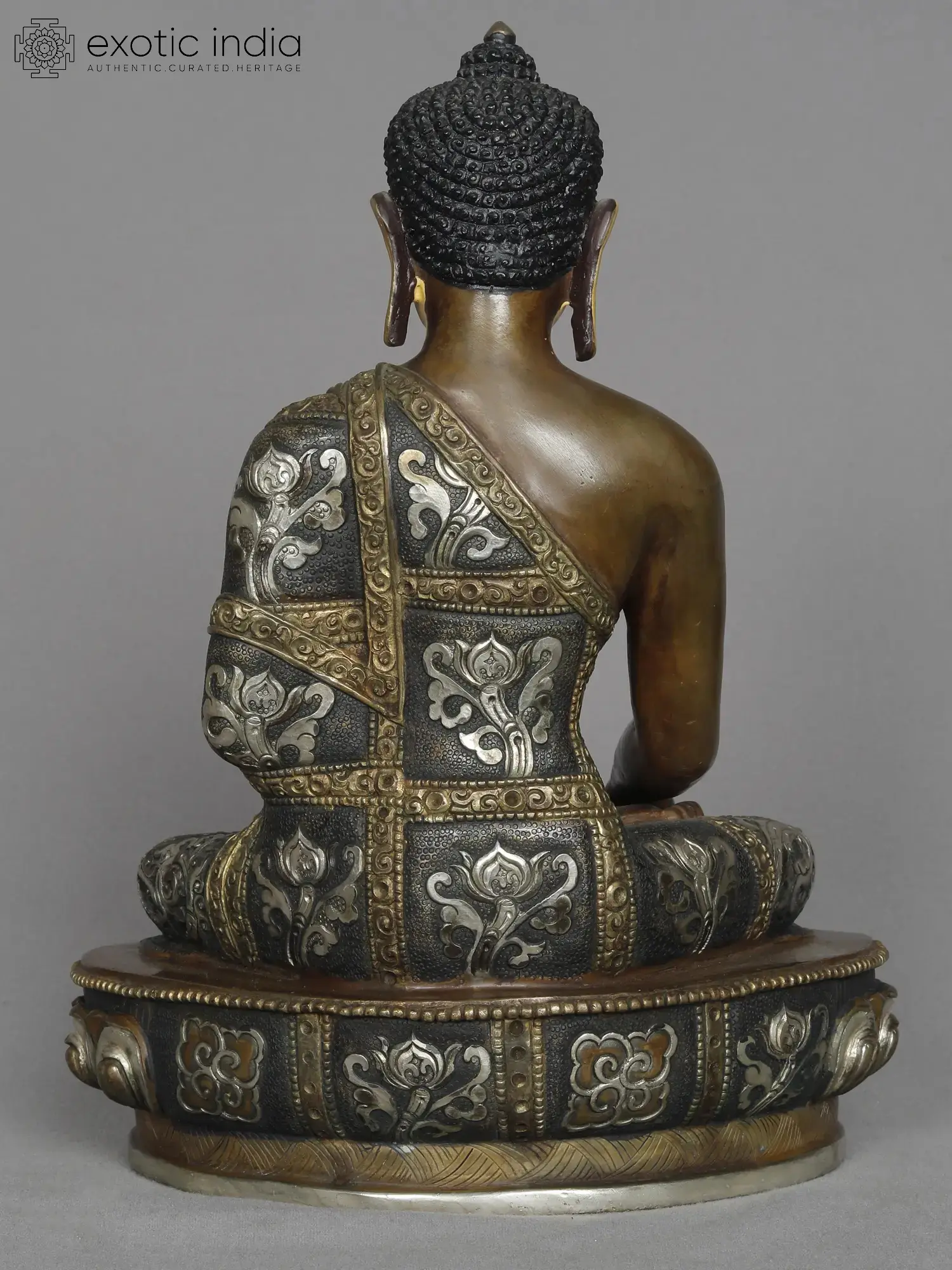
This exquisite statue captures the serene essence of Lord Shakyamuni Buddha, the founder of Buddhism. Crafted in Nepal, a land steeped in spiritual tradition, this representation embodies centuries of artistic devotion and profound wisdom. The Buddha is depicted in a meditative pose, seated in the lotus posture, a symbol of spiritual purity and enlightenment. His right hand rests gently on his knee, palm facing downwards, a gesture known as Bhumisparsha Mudra, or the Earth-Touching gesture. This powerful mudra signifies the moment of his enlightenment, where he called upon the Earth as a witness to his overcoming of Mara, the demon of illusion and desire, beneath the Bodhi tree. The meticulous craftsmanship is evident in every detail. The copper base provides a rich, warm tone, beautifully complemented by the application of gold to key areas, highlighting the Buddha's benevolent countenance and regal attire. His face radiates a profound sense of peace and compassion, with finely rendered eyes, arched eyebrows, and a gentle smile. The urna, a traditional mark of spiritual insight, is centered on his forehead, while his hair is depicted in tight curls, a common representation of the Buddha's physical characteristics.Symbolism and Artistic Excellence
The robe draped over the Buddha's left shoulder and arm is adorned with intricate patterns, possibly inlaid or worked with contrasting metals to create a striking visual texture. This detail suggests the wealth and status of Prince Siddhartha before his renunciation, a reminder of the journey from worldly life to spiritual awakening. The base on which the Buddha is seated is a lotus pedestal, a universal symbol of purity and enlightenment, often depicted as blooming from muddy waters, representing the ability to rise above worldly suffering and achieve spiritual clarity. The layered design of the pedestal, with its alternating metallic hues, adds to the statue's grandeur and visual appeal. Nepal has a long and revered history in Buddhist art, serving as a vital center for the dissemination of Buddhist teachings and iconography across Asia. Statues from this region are renowned for their spiritual aura and artistic precision, often passed down through generations as sacred objects and cherished heirlooms. This particular sculpture, with its substantial size and opulent materials, speaks to the skill of the artisans who created it, capturing not just a likeness, but the very spirit of the Buddha's teachings on mindfulness, compassion, and the path to liberation.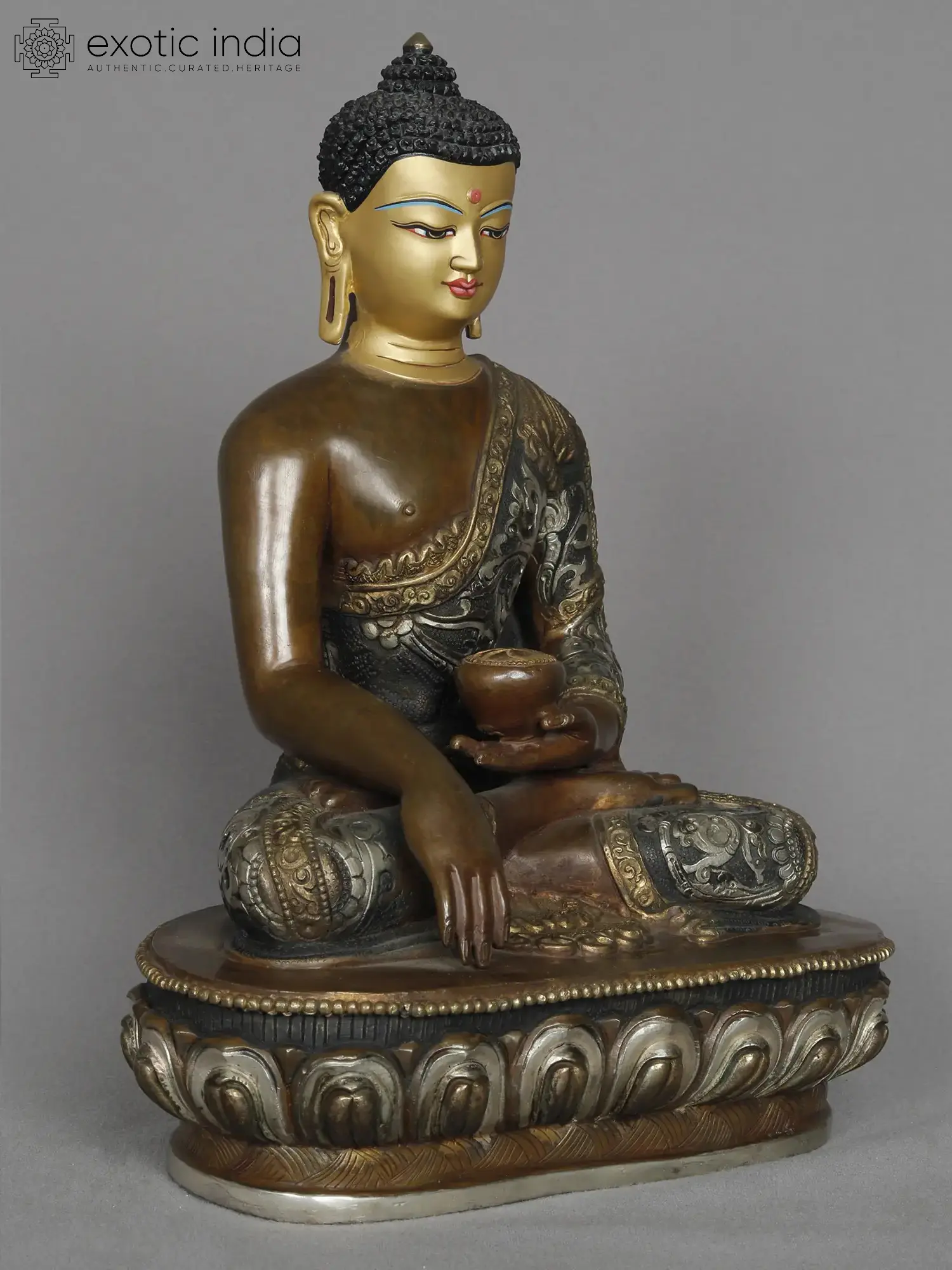
A Beacon of Serenity for Your Sacred Space
This 10-inch tall statue of Lord Shakyamuni Buddha is more than just an artistic object; it is an invitation to introspection and a reminder of the timeless principles of wisdom and kindness. It would be a magnificent centerpiece for any altar, meditation room, or quiet corner dedicated to spiritual practice. Its presence can inspire a sense of calm, peace, and mindfulness in your surroundings. The combination of copper and gold offers a lasting beauty that will age gracefully, becoming an even more treasured possession over time. Bring the profound presence of the Enlightened One into your home and cultivate an atmosphere of spiritual tranquility and enlightened awareness.How are Nepalese copper statues made?
Nepalese statues and sculptures are best known for their unique
small religious figures and ritual paraphernalia for over two
thousand years. These are mainly cast in copper alloy. Nepal draws
influences from the artistic styles of Buddhism and Hinduism, and
therefore the sculptors of the country specialize in making the
icons of both these religions. Over the years, Nepalese sculptures
evolved into their own distinctive iconography. Some
characteristic features of these sculptures that differ from other
pieces are exaggerated physical postures, youthful and sensual
features, languid eyes, wider faces having serene expressions, and
ornate flourishes. The Buddhist deity icons of Nepal have
tremendous demand in countries such as China and Tibet for ritual
purposes in their temples and monasteries.
Nepalese statues and sculptures have a high copper content and therefore develop a slightly reddish patina on the surface as they age. However, the most unique feature of Nepalese copper statues is their decorative detailing. The pieces are heavily gilded and sometimes inlaid with semi-precious stones. This embellishment protects them from getting tarnished. The traditional lost-wax method for casting Nepalese copper statues remains the most practiced technique in Nepal for many centuries. This process involves many steps and requires skilled artists.
The first step in lost-wax sculpting is to make a wax replica of the desired Buddhist deity to be cast in copper. This replica is created by hand and therefore needs excellent artistic skills otherwise fine features will be lacking.
Once the wax replica is made, it is then coated with a special mixture of clay with a brush. This layer of clay is hardened when left to dry. A small hole is made on the base of the wax mould so that the wax flows away when it is heated.
Nepalese statues and sculptures have a high copper content and therefore develop a slightly reddish patina on the surface as they age. However, the most unique feature of Nepalese copper statues is their decorative detailing. The pieces are heavily gilded and sometimes inlaid with semi-precious stones. This embellishment protects them from getting tarnished. The traditional lost-wax method for casting Nepalese copper statues remains the most practiced technique in Nepal for many centuries. This process involves many steps and requires skilled artists.
The first step in lost-wax sculpting is to make a wax replica of the desired Buddhist deity to be cast in copper. This replica is created by hand and therefore needs excellent artistic skills otherwise fine features will be lacking.
Once the wax replica is made, it is then coated with a special mixture of clay with a brush. This layer of clay is hardened when left to dry. A small hole is made on the base of the wax mould so that the wax flows away when it is heated.
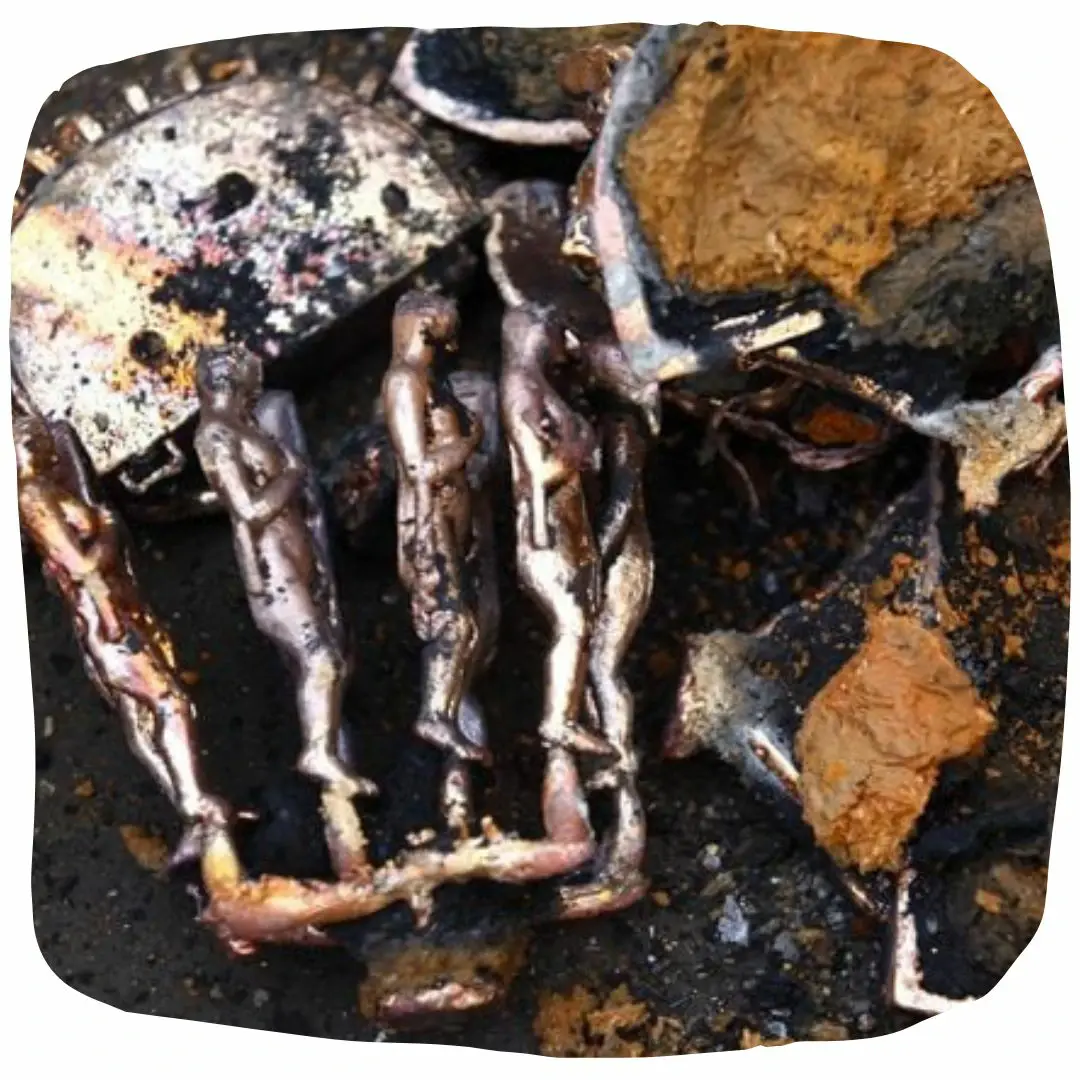
At this stage, a hollow mould in the shape of the deity is
obtained.
This is the time to pour liquid copper into the hollow mould which is then allowed to cool and harden inside a container of cold water. When the liquid metal has hardened, the mould is removed and the statue within is revealed.
This is the time to pour liquid copper into the hollow mould which is then allowed to cool and harden inside a container of cold water. When the liquid metal has hardened, the mould is removed and the statue within is revealed.
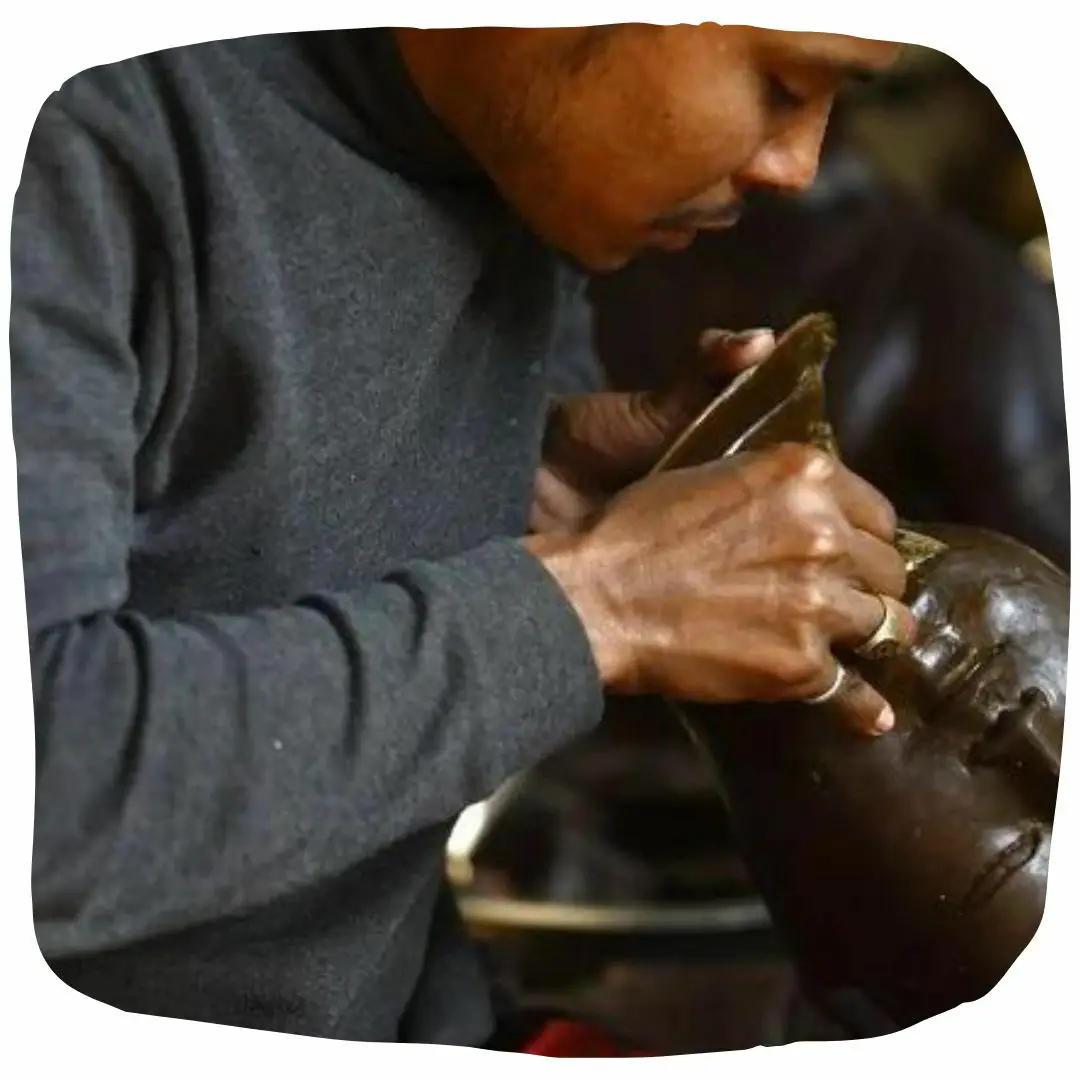
The artist works on the details of the statue using various tools.
It is then polished to get a shiny and lustrous surface.
Now comes the most important part of Nepalese art which is gold gilding. This is done by the traditional fire gilding method. A mixture of mercury and 18K gold is applied on the surface of the statue and heat is applied using a flame torch. The result is that mercury evaporates along with impurities, leaving a pure 24K gold finish.
Now comes the most important part of Nepalese art which is gold gilding. This is done by the traditional fire gilding method. A mixture of mercury and 18K gold is applied on the surface of the statue and heat is applied using a flame torch. The result is that mercury evaporates along with impurities, leaving a pure 24K gold finish.
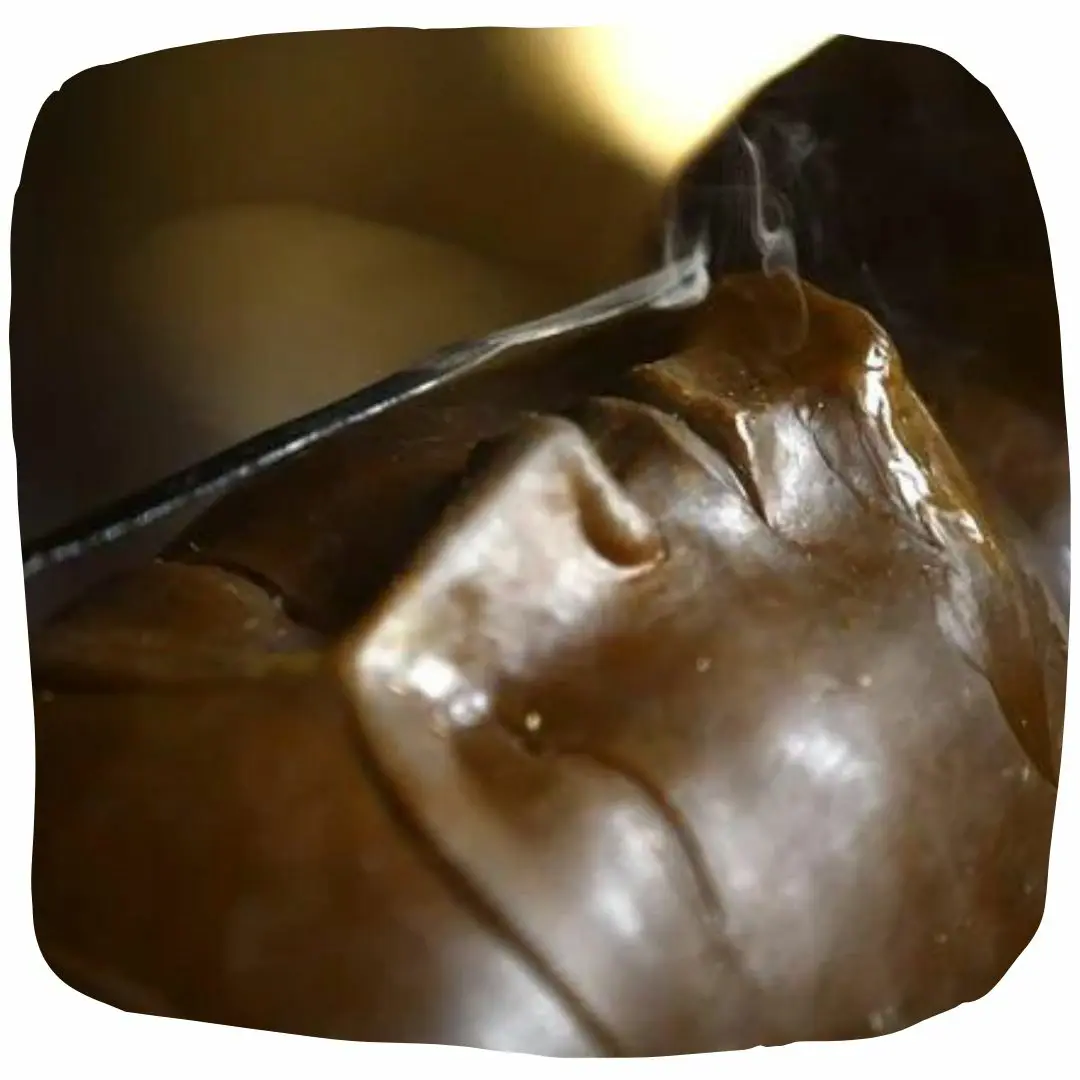
The lost-wax method of sculpting is the most preferred technique
for artists to cast a metallic statue having intricate details. Since Nepalese copper sculptures require extraneous effort for giving a majestic look by adding special embellishments, it takes several weeks to complete one masterpiece. A 24K gold gilded copper sculpture retains its brilliant luster for many years and appears as like before. Nepalese sculptures continue to remain one of the finest specimens of the art of the East that have a strong aesthetic appeal that other sculptures cannot match.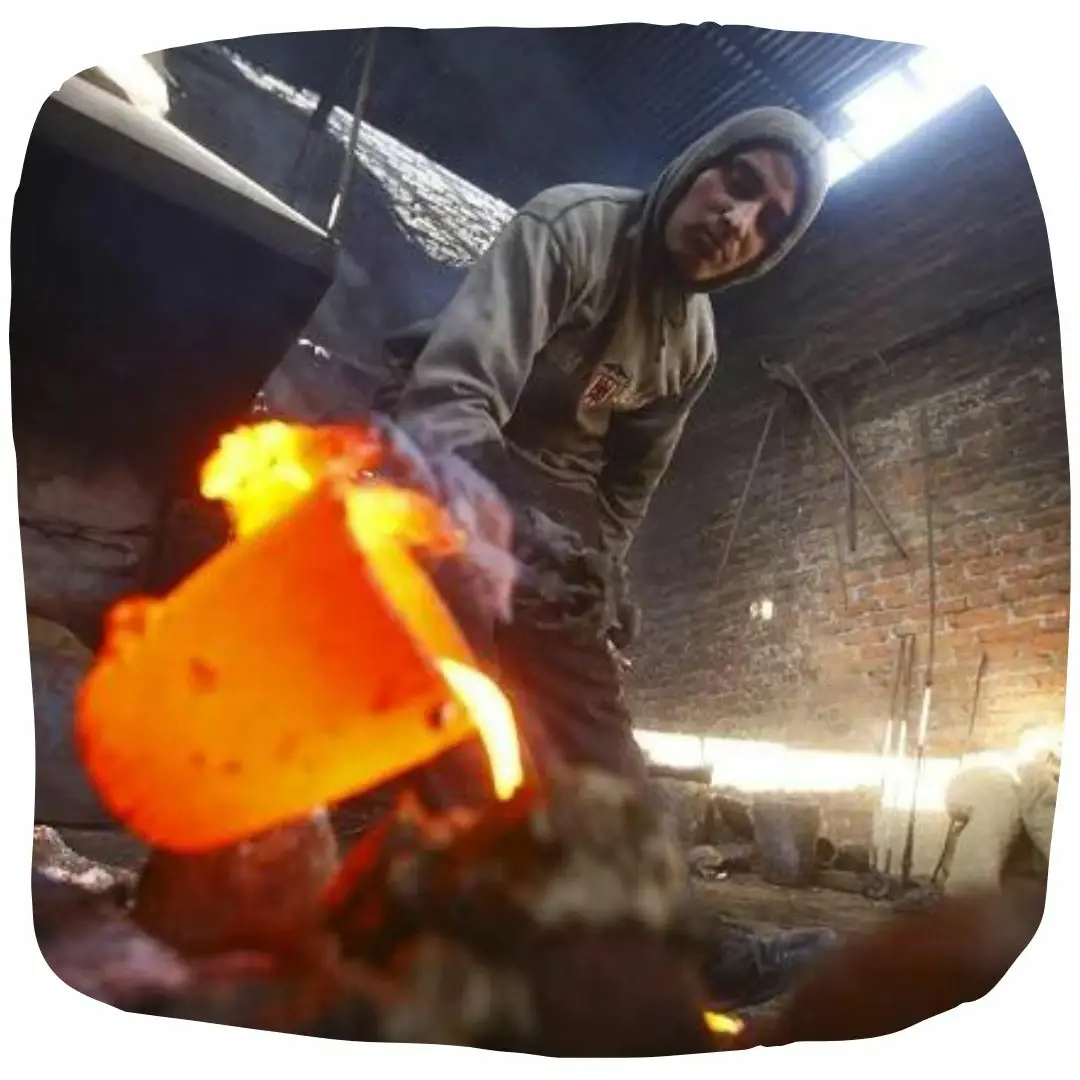
Products related to this item
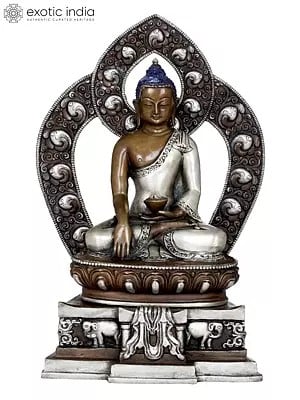
7.70 inch Height x 5.00 inch Width x 3.00 inch Depth
$607.20
Express Shipping
$759 20% off
Includes any tariffs and taxes
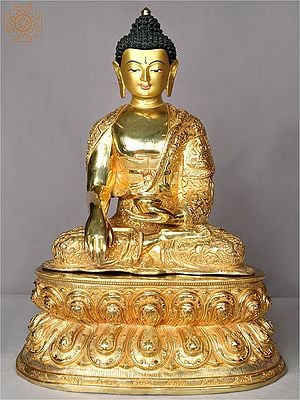
19.00 inch Height X 13.00 inch Width X 10.00 inch Depth
$4617
Includes any tariffs and taxes
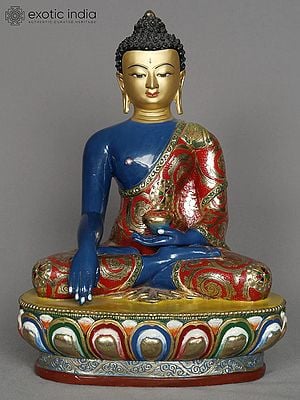
11.5 inch Height X 8 inch Width X 4.5 inch Depth
$863
Includes any tariffs and taxes
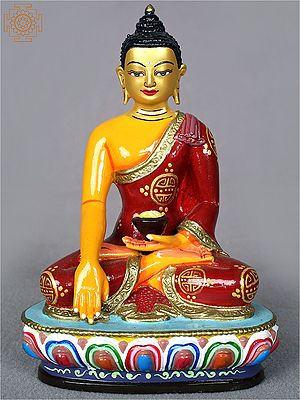
5.50 inch Height X 4.00 inch Width X 2.50 inch Depth
$305
Includes any tariffs and taxes
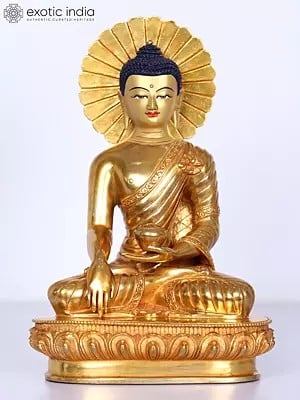
10 inch Height X 7 inch Width X 4 inch Depth
$1392
Sold Out
Includes any tariffs and taxes
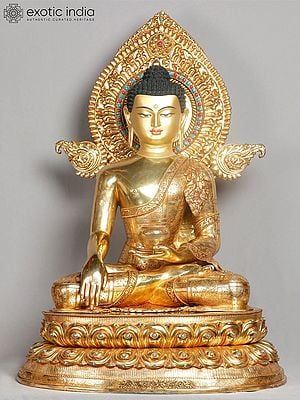
29 inch Height X 20.5 inch Width X 14 inch Depth
$10,143
Includes any tariffs and taxes
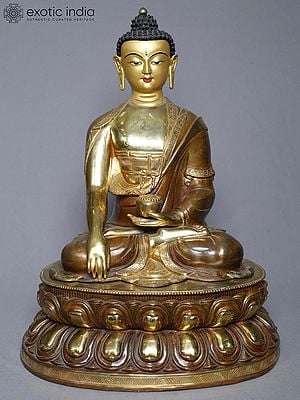
18 inch Height X 14 inch Width X 11 inch Length
$2846
Includes any tariffs and taxes
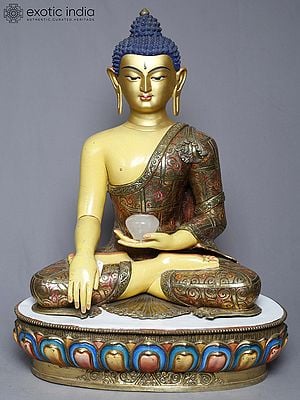
25 inch Height X 19 inch Width X 14 inch Length
$9016
Includes any tariffs and taxes
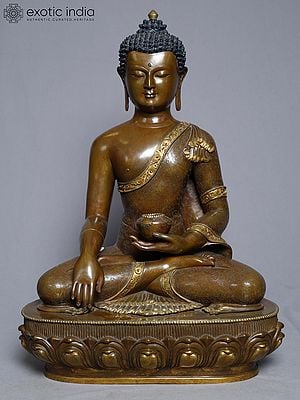
11 inch Height X 9 inch Width X 5 inch Length
$3669
Includes any tariffs and taxes
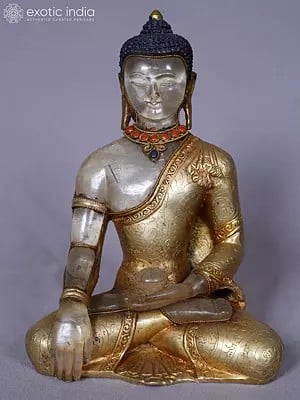
9.5 inch Height X 4.5 inch Width X 6.5 inch Length
$1006
Includes any tariffs and taxes
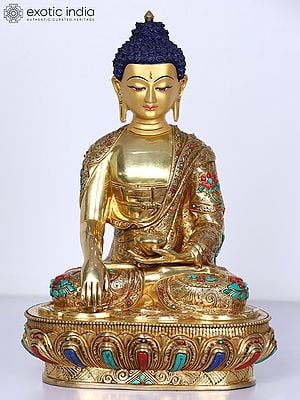
13 inch Height X 9 inch Width X 6 inch Depth
$3554
Includes any tariffs and taxes
13 inch Height X 9 inch Width X 6 inch Depth
$1754
Includes any tariffs and taxes