All orders are fully insured to ensure peace of mind.
100% Handmade
All products are MADE IN INDIA.
An Emblem of Peace and Enlightenment
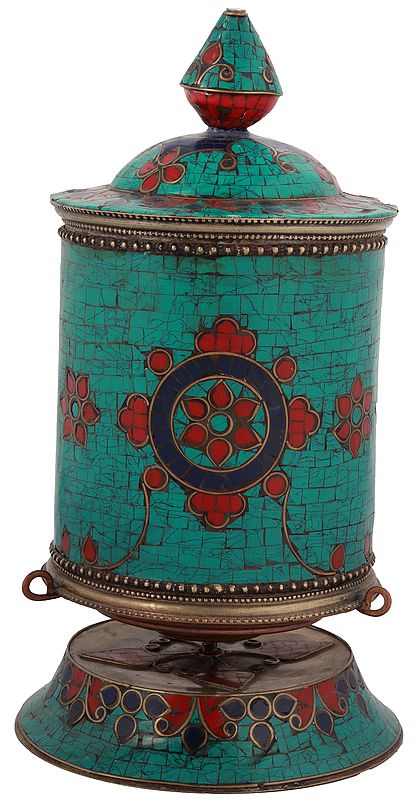
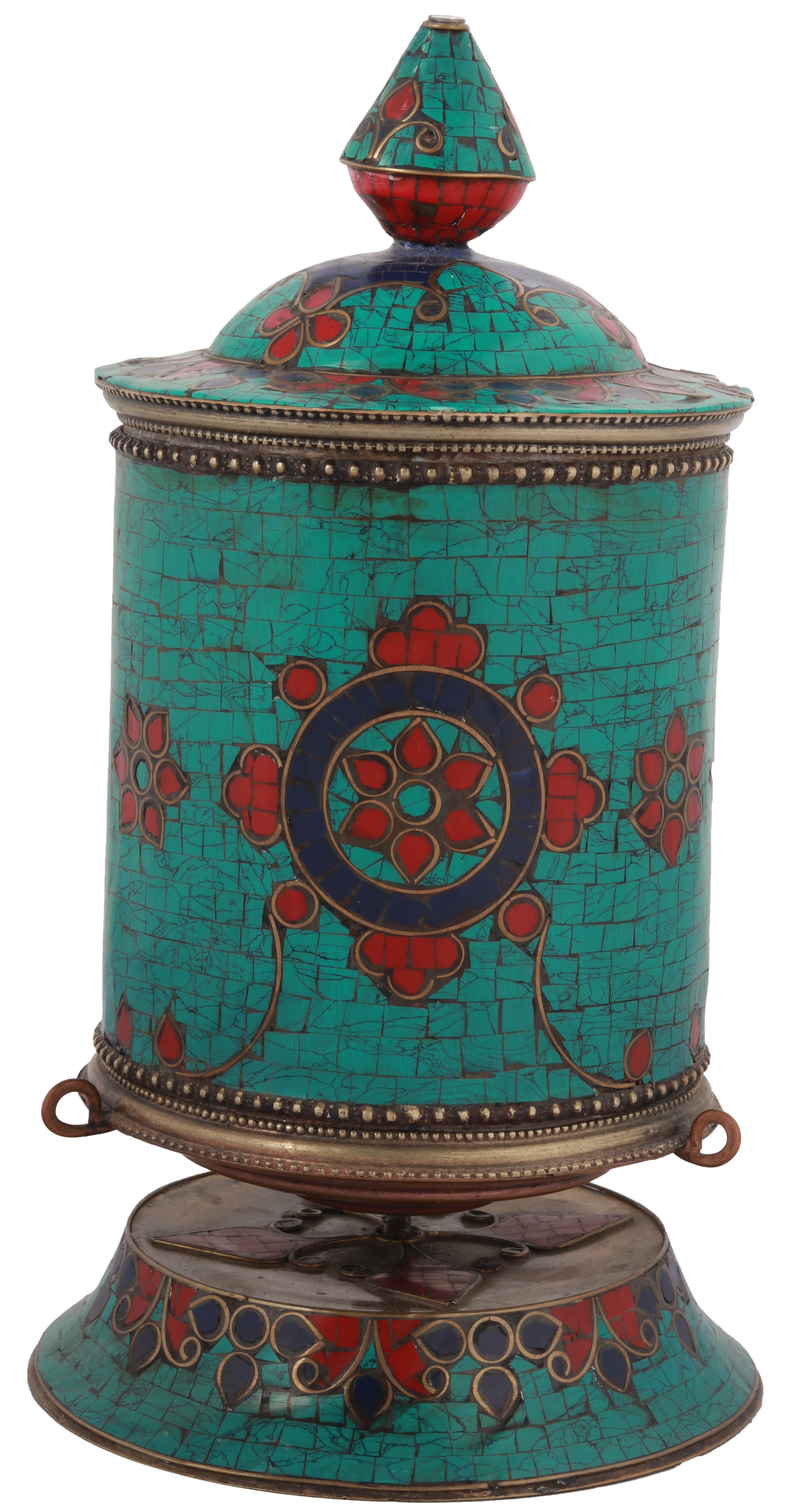
This exquisite Tibetan Buddhist prayer wheel is a testament to the rich artisanal traditions of Nepal. Handcrafted with meticulous care, it embodies a deep spiritual significance, offering a tangible connection to ancient practices and profound philosophies. The vibrant mosaic of turquoise, coral, and lapis lazuli inlay against a backdrop of finely worked brass and copper creates a visually stunning piece that is both sacred and aesthetically captivating.
The prayer wheel is central to Tibetan Buddhism, symbolizing the turning of the Dharma, the teachings of the Buddha. It is believed that spinning the wheel, which typically contains thousands of mantras printed on paper or etched onto metal scrolls, is equivalent to reciting them aloud. Each rotation is said to generate a merit of immense spiritual power, purifying negative karma and accumulating positive merit. The act of spinning is a form of meditation, promoting mindfulness and a sense of inner peace.
Sacred Geometry and Auspicious Symbolism
The decorative motifs adorning this prayer wheel are rich in symbolic meaning within Buddhist cosmology. The central design, reminiscent of a lotus flower, is a powerful symbol of purity, spiritual awakening, and compassion, as the lotus grows from mud but remains unstained. The intricate patterns and the harmonious blend of colors evoke the sacred mandalas used for meditation, which represent the universe and the path to enlightenment. The turquoise, a stone associated with wisdom, healing, and protection, and the deep blue of lapis lazuli, often linked to the heavens and spiritual insight, further enhance the wheel's auspicious qualities.
In Tibetan culture, prayer wheels are not merely objects of devotion but also considered to be powerful conduits of positive energy. They are often placed in monasteries, temples, or even in homes, where the gentle turning can send blessings and good wishes into the world. The legend of the first prayer wheel is attributed to the Bodhisattva Avalokiteshvara, who is said to have devised it as a way to gather merit for all sentient beings.
A Masterpiece of Nepalese Craftsmanship
This particular prayer wheel is a fine example of the skill and dedication of Nepalese artisans. The base, with its intricate detailing and inlaid patterns, provides a stable and elegant foundation for the spinning cylinder. The cylinder itself is a masterpiece of mosaic work, with each tiny piece of stone carefully cut and placed to form a seamless, vibrant surface. The conical finial at the top, also adorned with inlaid stones, adds a touch of spiritual elevation. The use of brass and copper, metals with their own symbolic significance in many cultures, adds a warm, earthy tone that complements the precious stones. Owning this prayer wheel is an opportunity to possess a piece of functional art that carries a profound spiritual legacy, a reminder of the enduring pursuit of peace and enlightenment.
How are Nepalese copper statues made?
Nepalese statues and sculptures are best known for their unique
small religious figures and ritual paraphernalia for over two
thousand years. These are mainly cast in copper alloy. Nepal draws
influences from the artistic styles of Buddhism and Hinduism, and
therefore the sculptors of the country specialize in making the
icons of both these religions. Over the years, Nepalese sculptures
evolved into their own distinctive iconography. Some
characteristic features of these sculptures that differ from other
pieces are exaggerated physical postures, youthful and sensual
features, languid eyes, wider faces having serene expressions, and
ornate flourishes. The Buddhist deity icons of Nepal have
tremendous demand in countries such as China and Tibet for ritual
purposes in their temples and monasteries.
Nepalese statues and sculptures have a high copper content and
therefore develop a slightly reddish patina on the surface as they
age. However, the most unique feature of Nepalese copper statues
is their decorative detailing. The pieces are heavily gilded and
sometimes inlaid with semi-precious stones. This embellishment
protects them from getting tarnished. The traditional lost-wax
method for casting Nepalese copper statues remains the most
practiced technique in Nepal for many centuries. This process
involves many steps and requires skilled artists.
The first step in lost-wax sculpting is to make a wax replica of
the desired Buddhist deity to be cast in copper. This replica is
created by hand and therefore needs excellent artistic skills
otherwise fine features will be lacking.
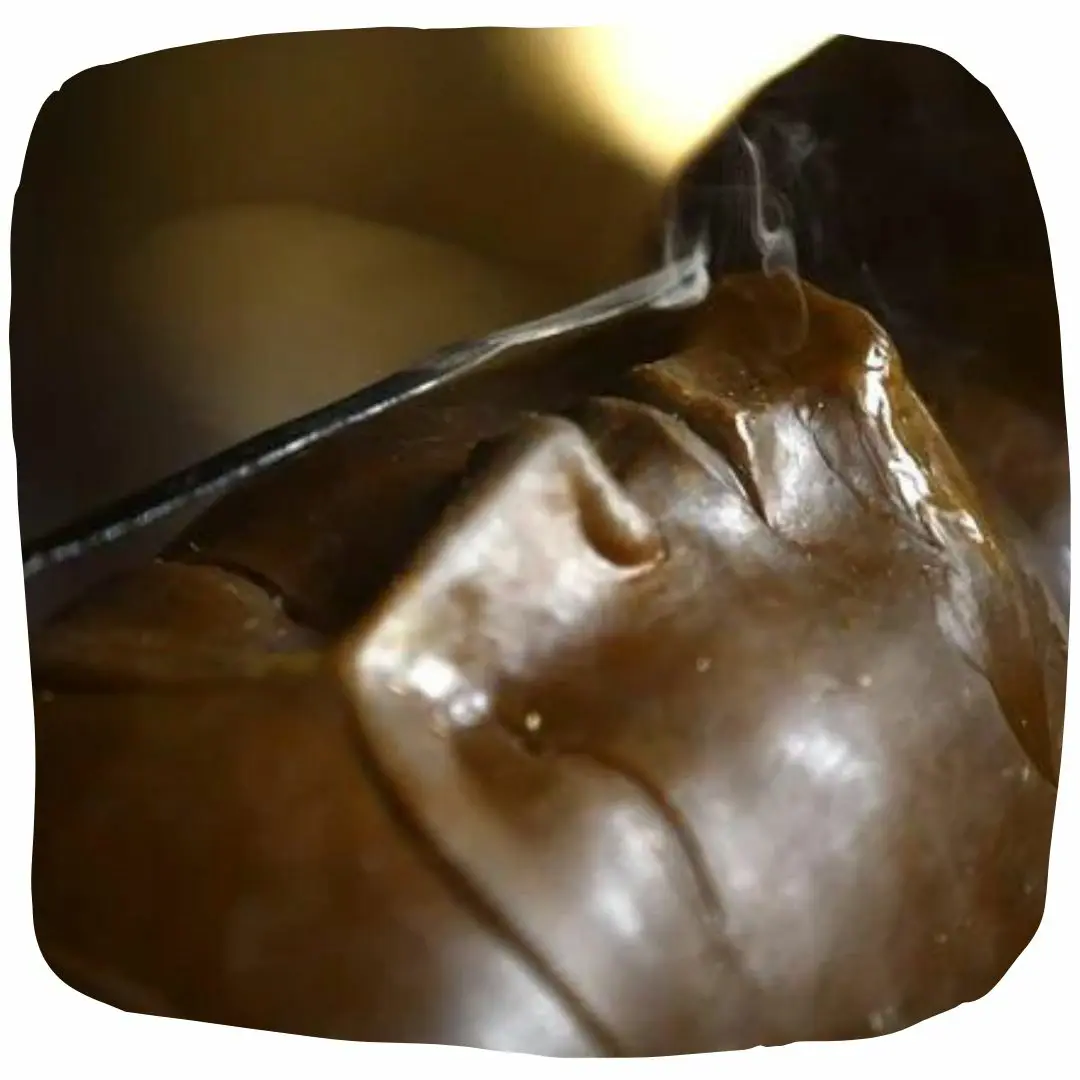
Once the wax replica is made, it is then coated with a special
mixture of clay with a brush. This layer of clay is hardened when
left to dry. A small hole is made on the base of the wax mould so
that the wax flows away when it is heated.
At this stage, a hollow mould in the shape of the deity is
obtained.
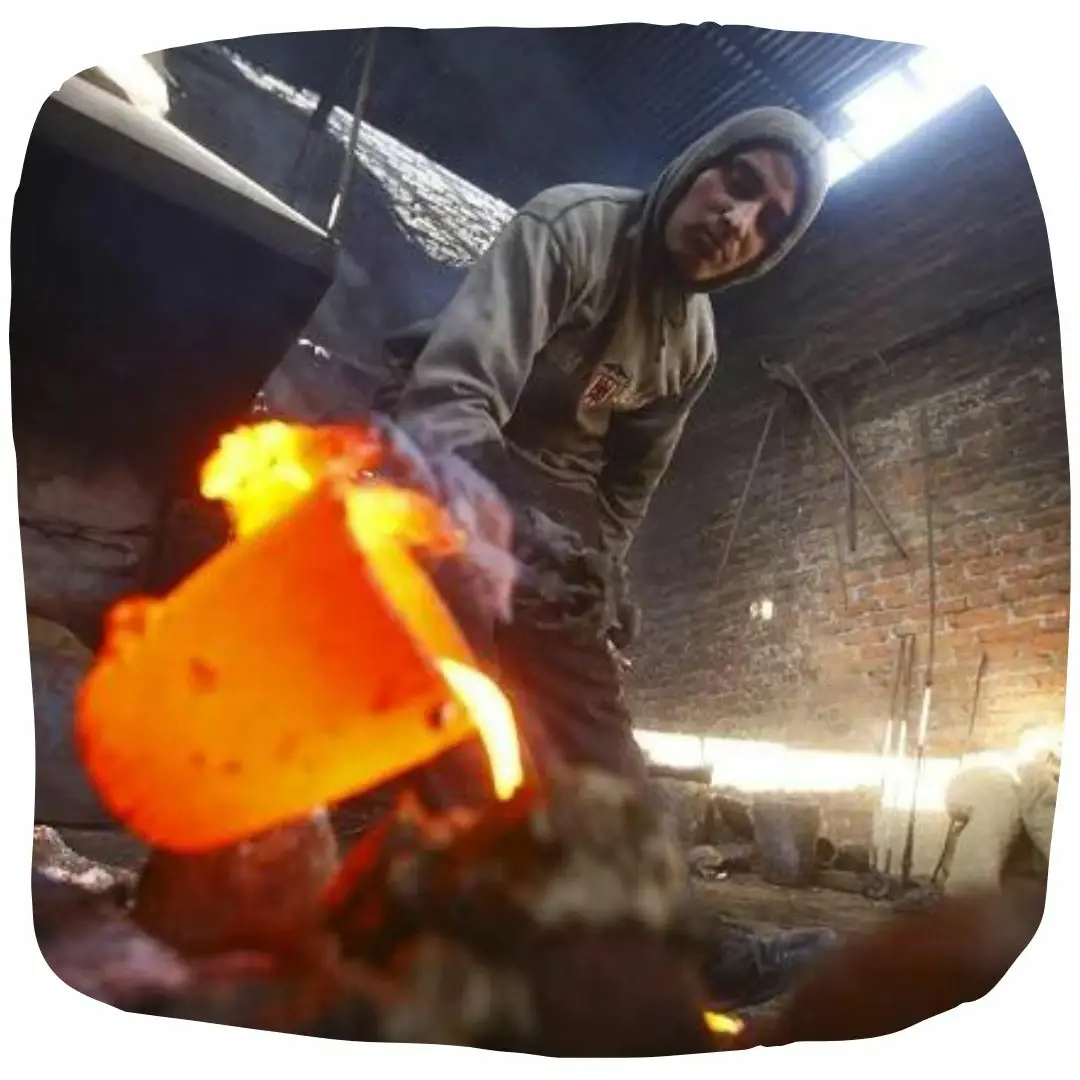
This is the time to pour liquid copper into the hollow mould which
is then allowed to cool and harden inside a container of cold
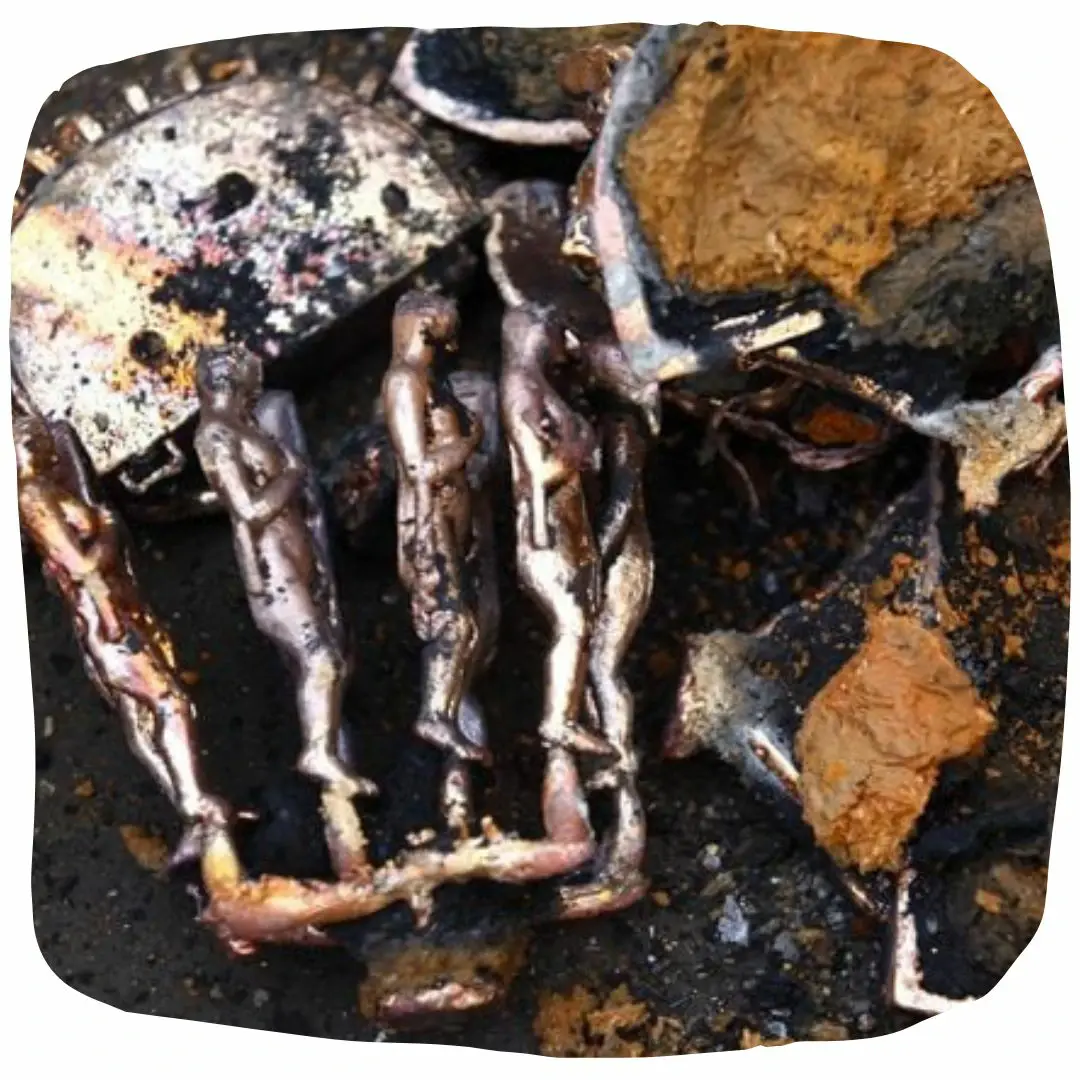
water. When the liquid metal has hardened, the mould is removed
and the statue within is revealed.
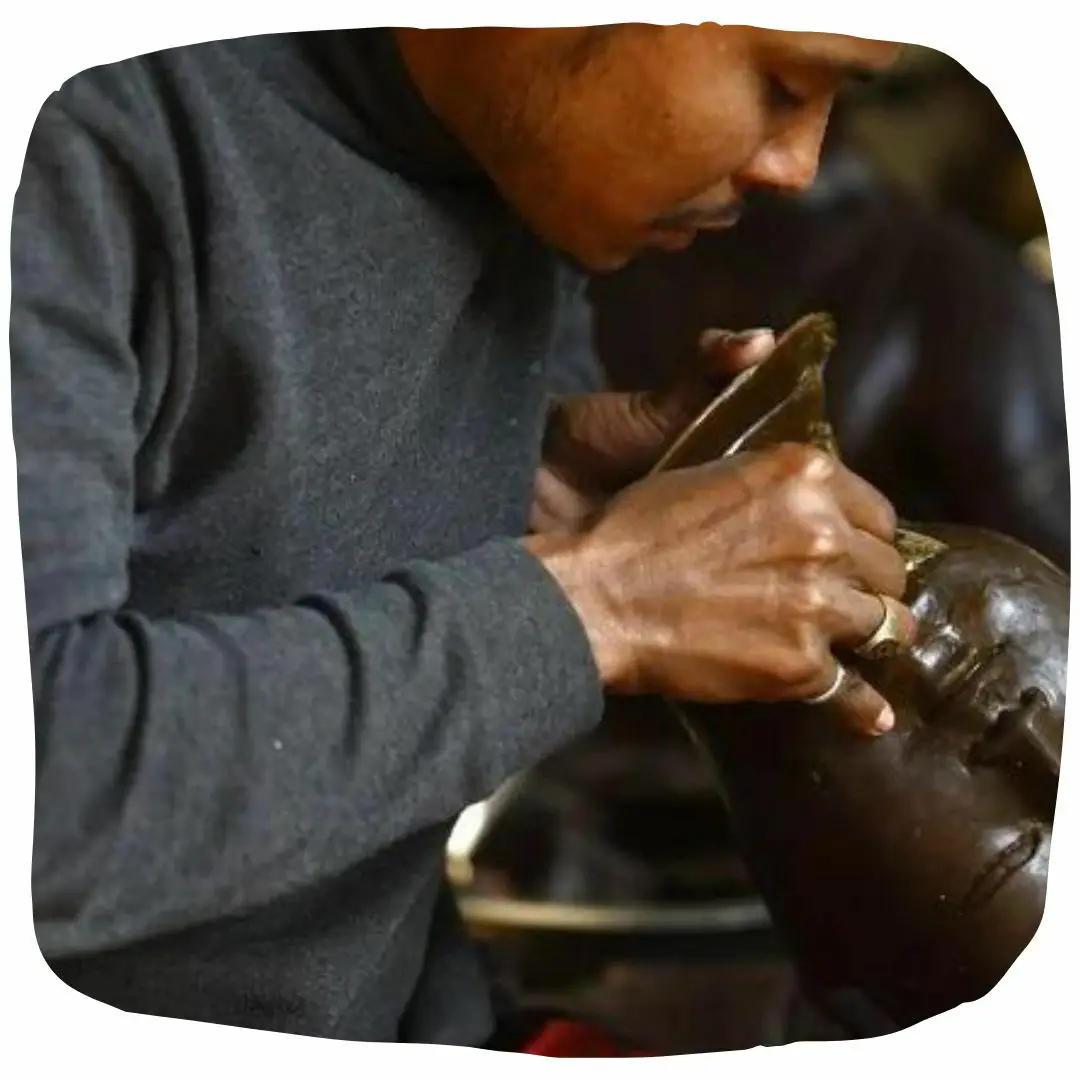
The artist works on the details of the statue using various tools.
It is then polished to get a shiny and lustrous surface.
Now comes the most important part of Nepalese art which is gold
gilding. This is done by the traditional fire gilding method. A
mixture of mercury and 18K gold is applied on the surface of the
statue and heat is applied using a flame torch. The result is that
mercury evaporates along with impurities, leaving a pure 24K gold
finish.
The lost-wax method of sculpting is the most preferred technique
for artists to cast a metallic statue having intricate details.
Since Nepalese copper sculptures require extraneous effort for
giving a majestic look by adding special embellishments, it takes
several weeks to complete one masterpiece. A 24K gold gilded
copper sculpture retains its brilliant luster for many years and
appears as like before. Nepalese sculptures continue to remain one of the finest specimens of the art of the East that have a strong
aesthetic appeal that other sculptures cannot match.
Frequently Asked Questions
Q. Is the statue hollow or solid ?
A. Brass statues are made through a process of clay casting, hence are hollow. Whereas, panchaloha bronze statues are made through a process of lost wax casting, hence they are solid.
Q. Can I return the statue ?
A. Of course you can return a statue. Returns need to be initiated within seven (7) days after delivery. All returned items must be in new and unused condition, with all original tags and labels attached. To know more about our Return Policy, please visit Return Policy.