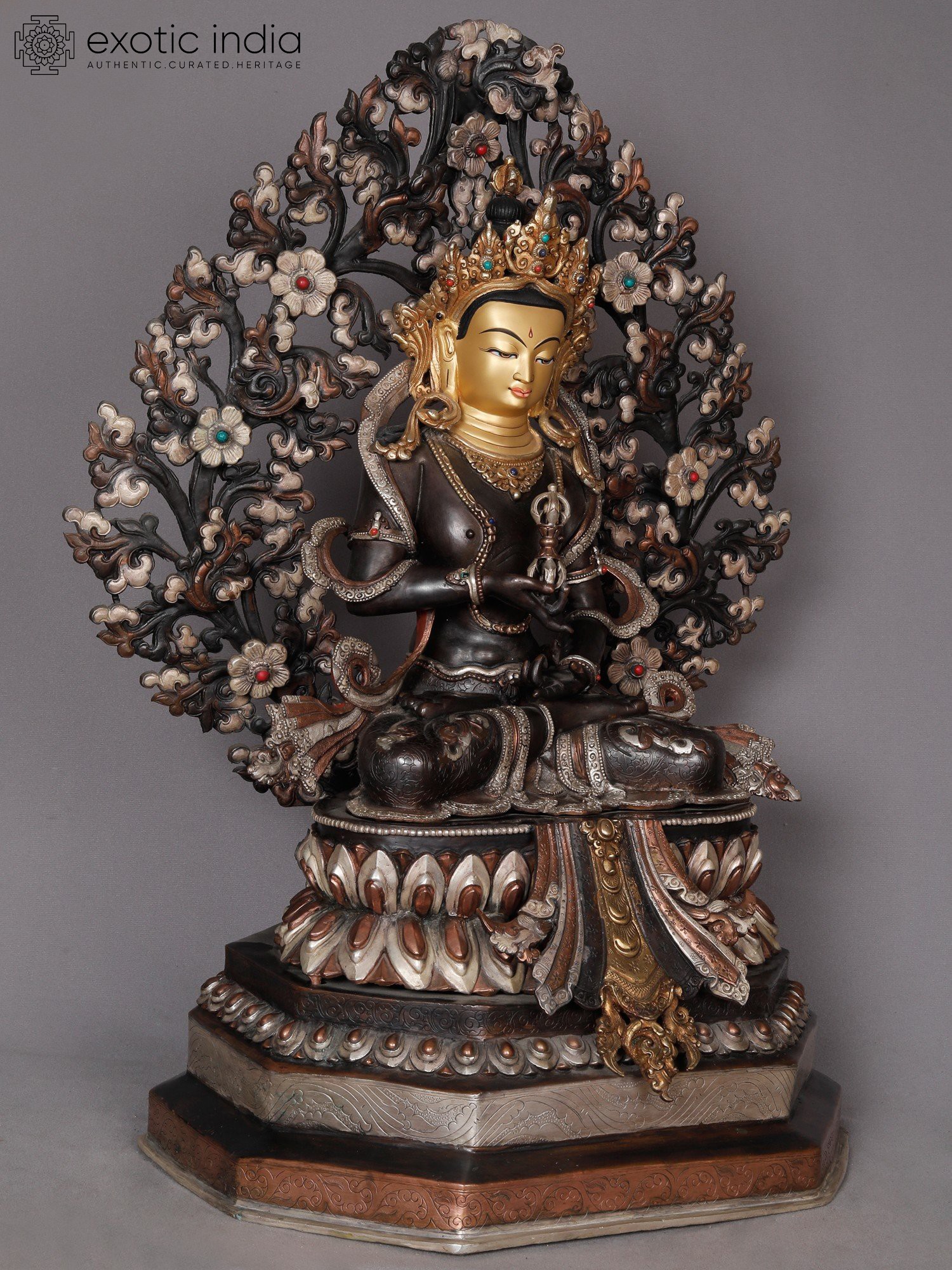
Vajrasattva Bodhisattva Statue: 23" Sculpture from Nepal
$3174
Includes any tariffs and taxes

Only 1 available
Notify me when this item is available
| Specifications |
 |
CAA166 |
 |
Copper With Gold |
 |
Height: 23 inch |
| Width: 17 inch | |
| Depth: 11 inch | |
 |
Weight 12.20 kg |
| About the Item |
|
| Delivery and Return Policies |
 |
Usually ships in 6 days |
 |
Returns and Exchanges accepted within 7 days |
 |
Free Delivery |

Easy Returns

Fully Insured

100% Handmade
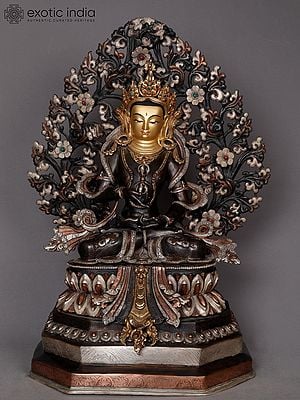
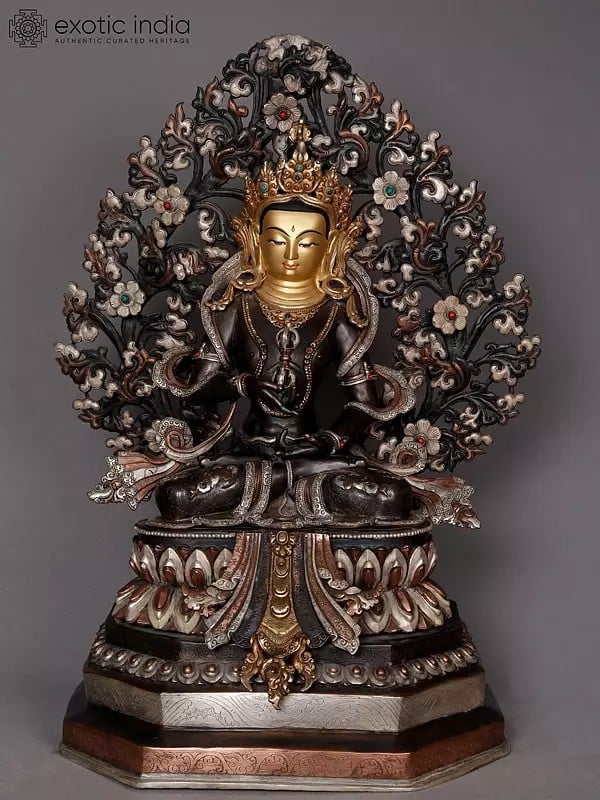
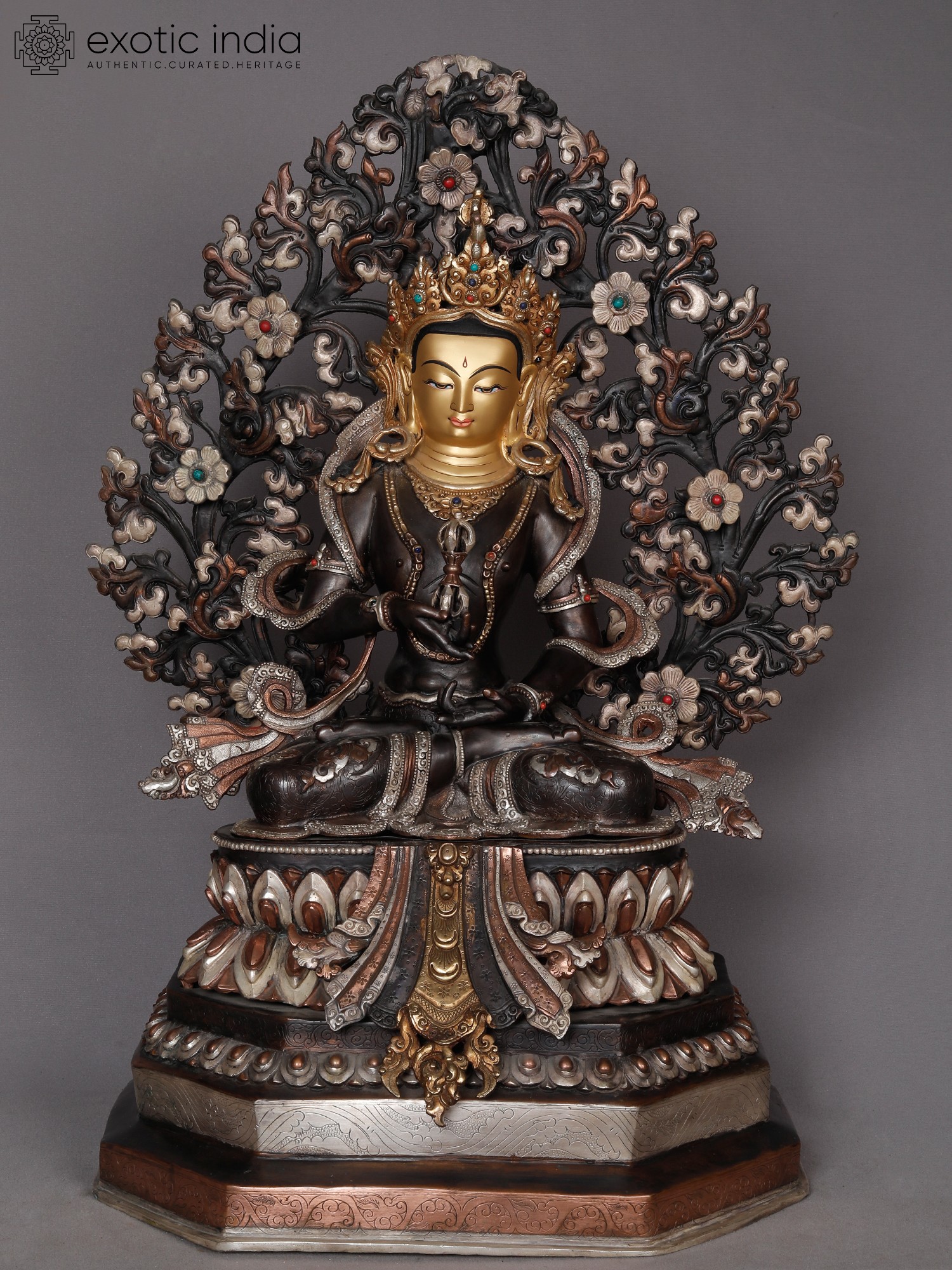
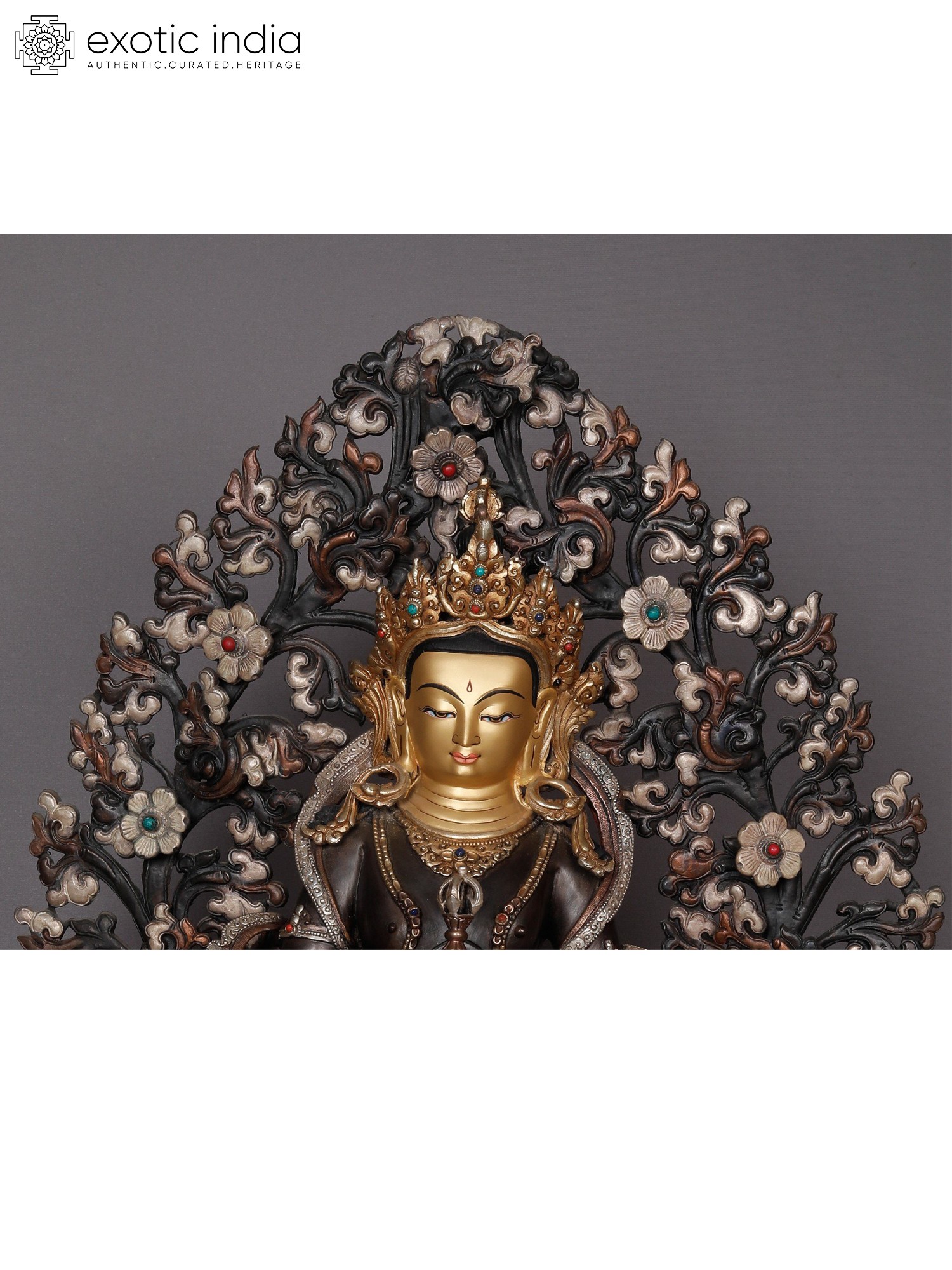
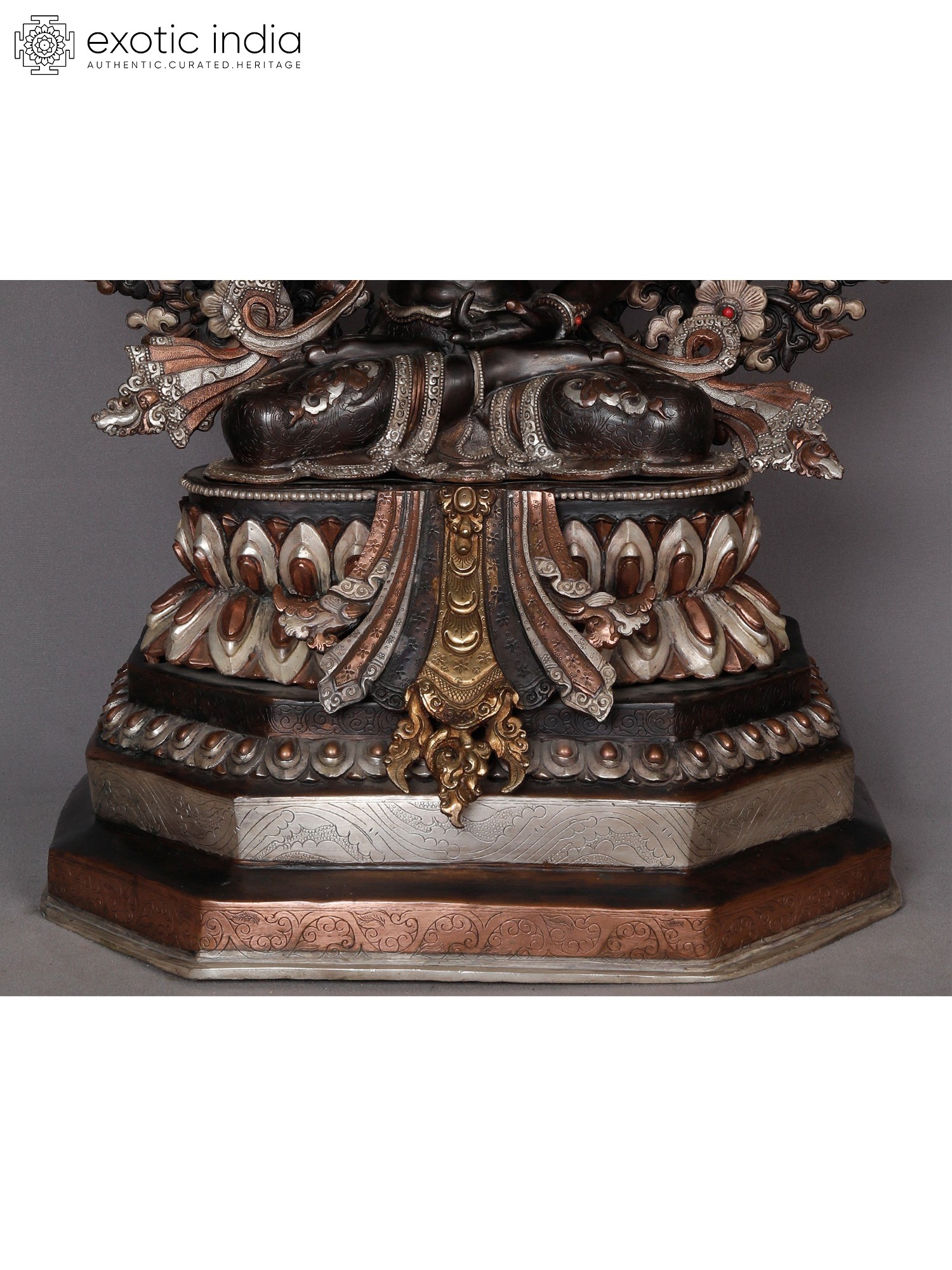
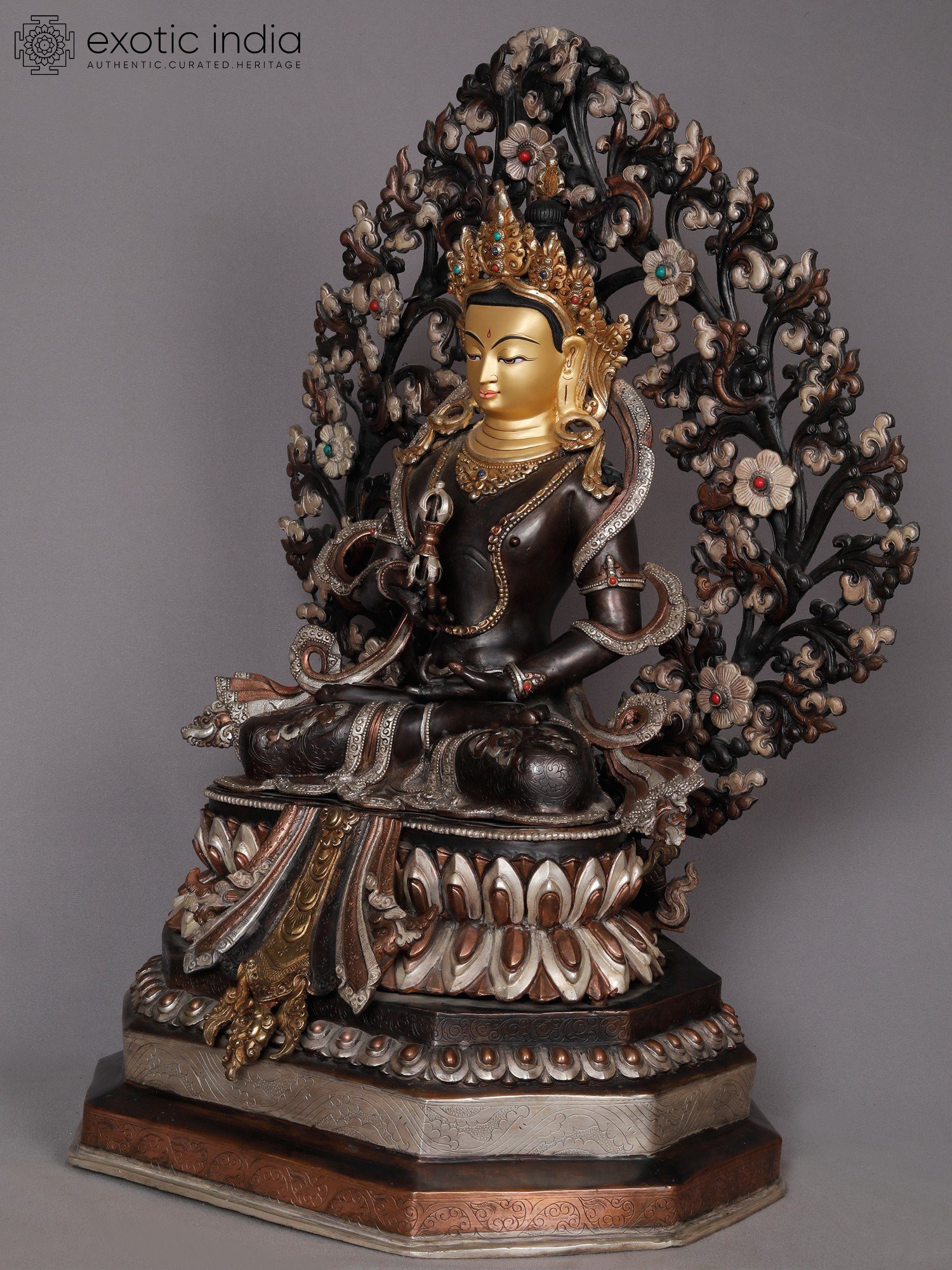
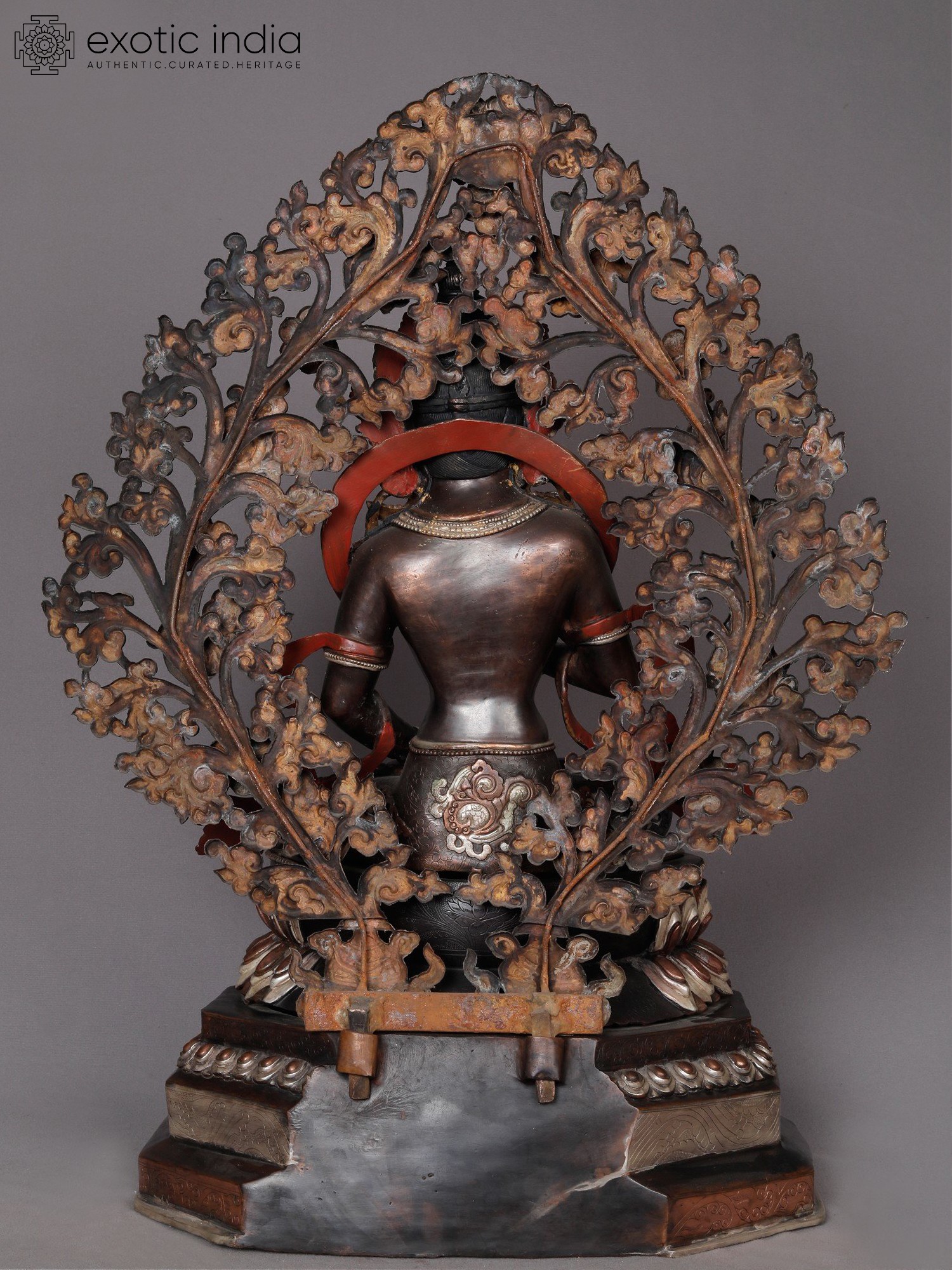
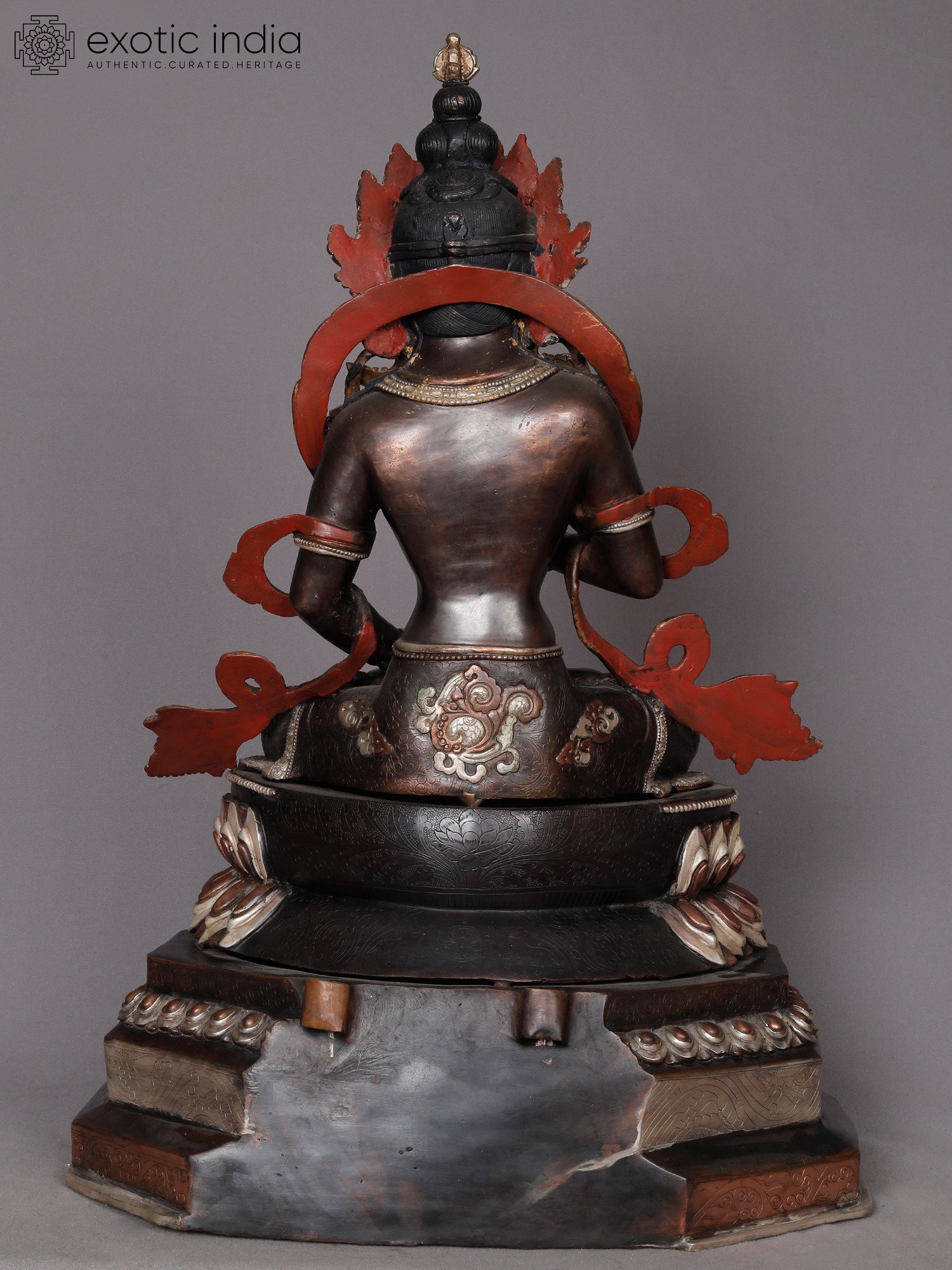
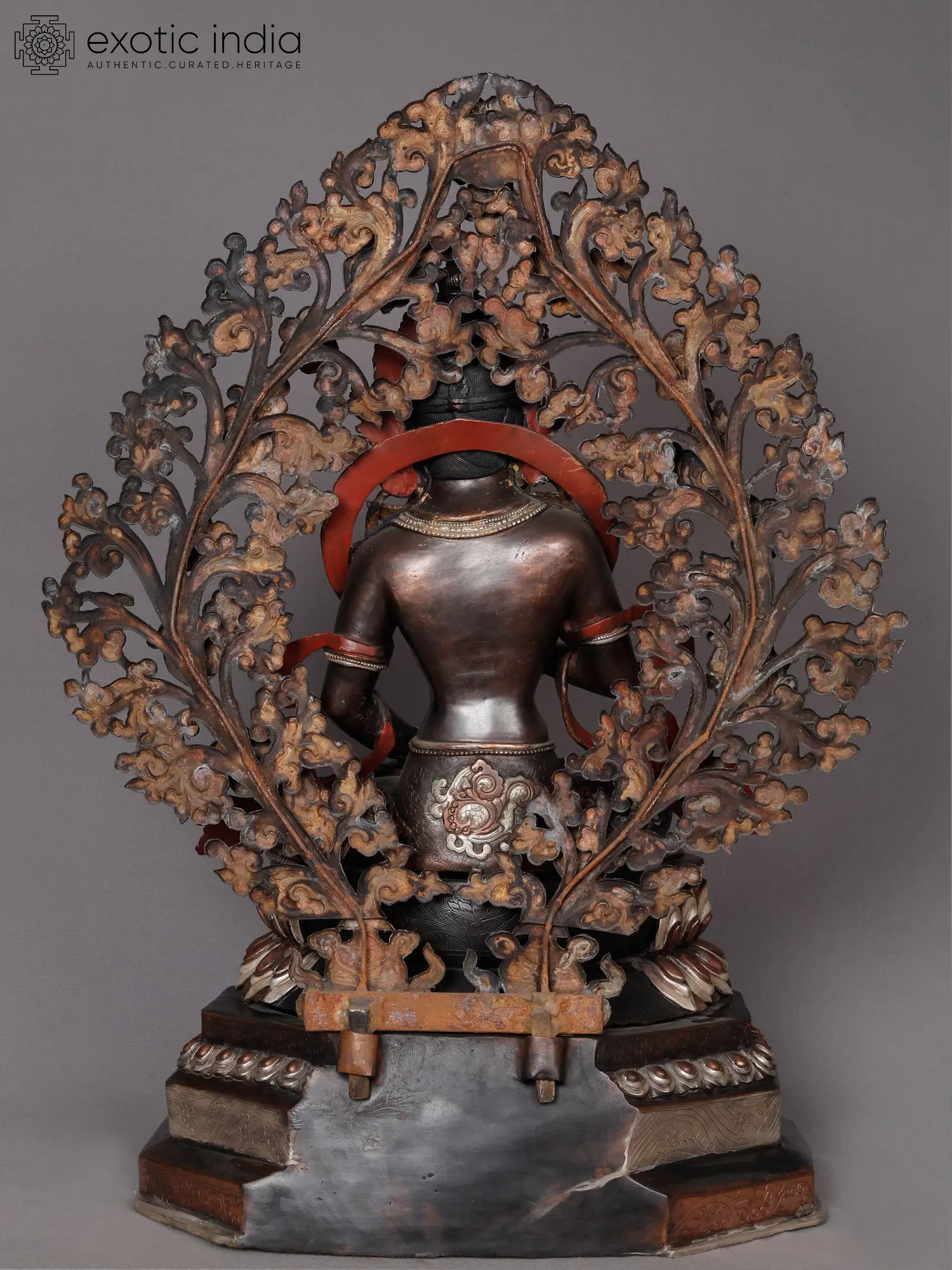
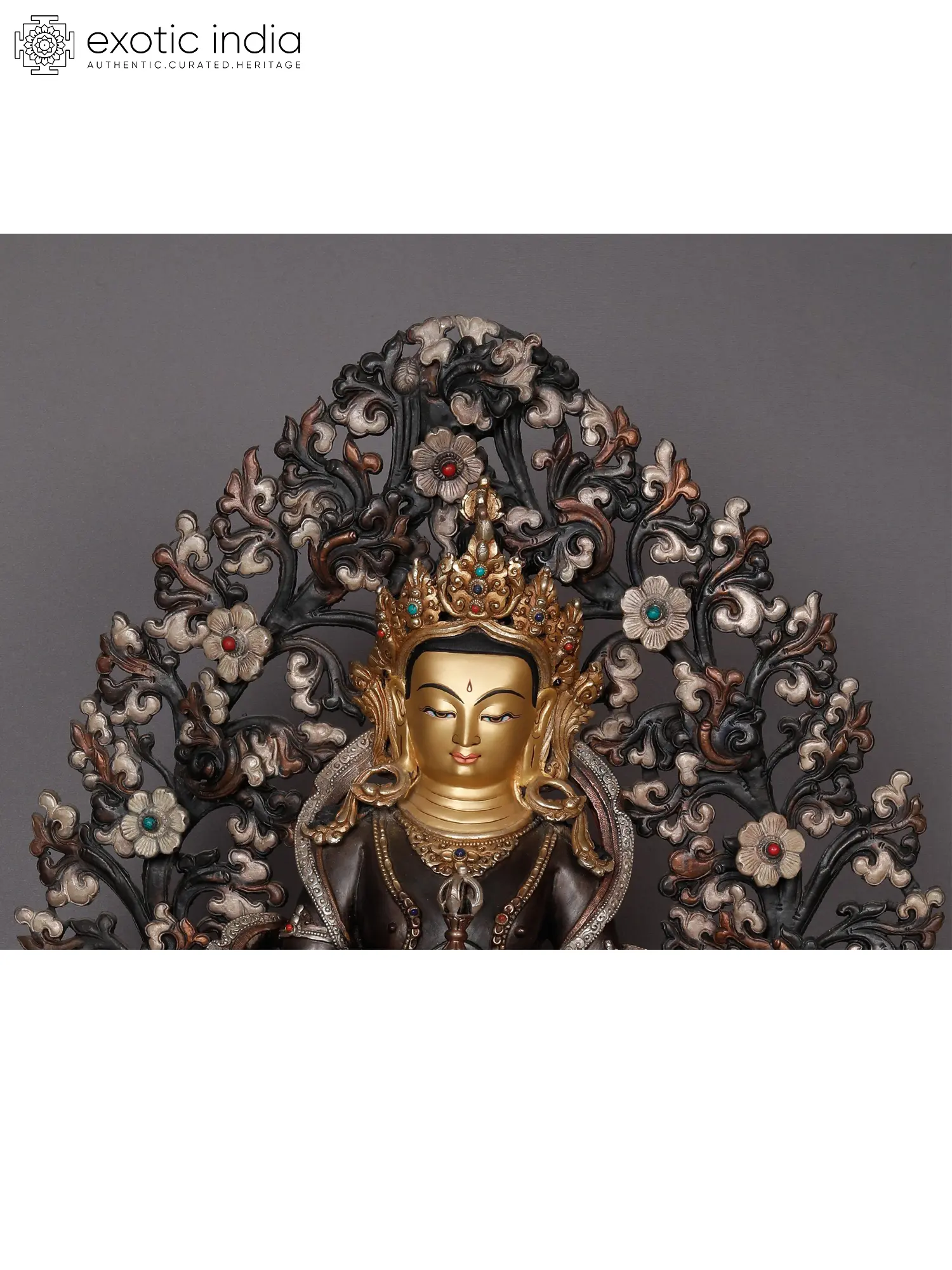
An exemplary artwork from Nepal infused with the beauty of metal sculpting and stone embellishment, this statue of Bodhisattva Vajrasattva is worthy of being revered in a sacred shrine of the deity. The gleaming round visage of Vajrasattva is framed by his crown and dangling earrings and invigorated by his gentle features. Refined work is visible on the flowing clothing and drapery on the statue. The flowers on the tree-shaped aureole of Vajrasattva are decorated with precious stones, which bring an appealing richness to the vision of the Bodhisattva.
Embodiment of Purity and Enlightenment
This magnificent statue portrays Vajrasattva, a central figure in Vajrayana Buddhism, revered as the embodiment of purity, purification, and primordial wisdom. Originating from the skilled artisans of Nepal, this exquisite representation is crafted from copper and adorned with intricate gold detailing, reflecting the sacred traditions of Tibetan Buddhism. Vajrasattva is often depicted as a bodhisattva, a being who has attained enlightenment but chooses to remain in the world to help others achieve liberation. His presence signifies the potential for all beings to reach a state of perfect clarity and spiritual freedom. ––––––––––––––––––Symbolism and Iconography
Vajrasattva is typically shown in a serene, meditative posture, seated on a lotus throne, a symbol of purity that arises unstained from the mud of worldly existence. In this particular rendition, he holds the vajra (a ritual sceptre symbolizing indestructible wisdom) in his right hand and a ghanta (bell, representing the wisdom that perceives emptiness) in his left, held at his heart. These implements are potent symbols of the union of wisdom and compassion, the dual pillars of the path to enlightenment. The elaborate aureole behind him, reminiscent of blooming flora, further enhances the sense of spiritual blossoming and the interconnectedness of all life. The crown and jewels adorning his brow speak to his divine status and his role as a celestial being guiding practitioners. ––––––––––––––––––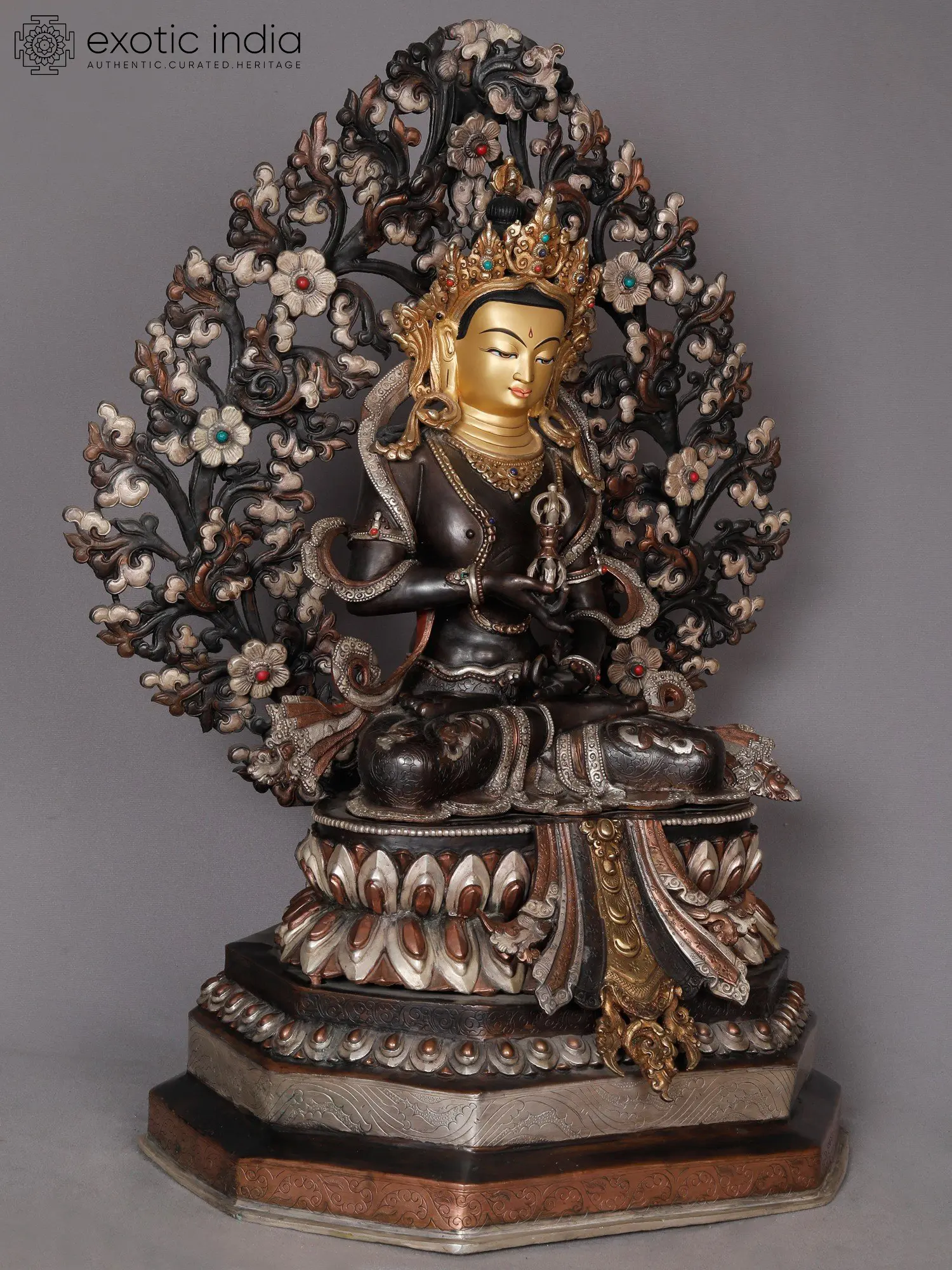
A Legacy of Purification
In Buddhist lore, Vajrasattva is intimately connected with the tantric practice of purification. It is believed that by meditating upon Vajrasattva and reciting his mantra, one can cleanse negative karma, purify defilements, and overcome obstacles on the spiritual path. His teachings emphasize the importance of the Vajrayana path, a rapid and profound method for achieving Buddhahood. This statue serves as a powerful focal point for such meditations, inviting practitioners to connect with Vajrasattva's transformative energy and aspire to the purity he embodies. The detailed craftsmanship, from the serene facial expression to the meticulously rendered robes and ornaments, showcases the deep reverence and artistic skill dedicated to this sacred deity. ––––––––––––––––––A Masterpiece from Nepal
The creation of such a statue is a testament to Nepal's rich heritage in producing sacred Buddhist art. Nepalese artisans have a long-standing tradition of crafting these devotional objects with exceptional precision and spiritual insight. This particular piece, with its substantial presence and the blend of warm gold and rich copper tones, is not merely an artwork but a conduit for spiritual connection. It can serve as a profound centerpiece for a personal altar, a meditation space, or as a distinguished addition to any collection of sacred art, radiating an aura of peace, purity, and profound spiritual aspiration.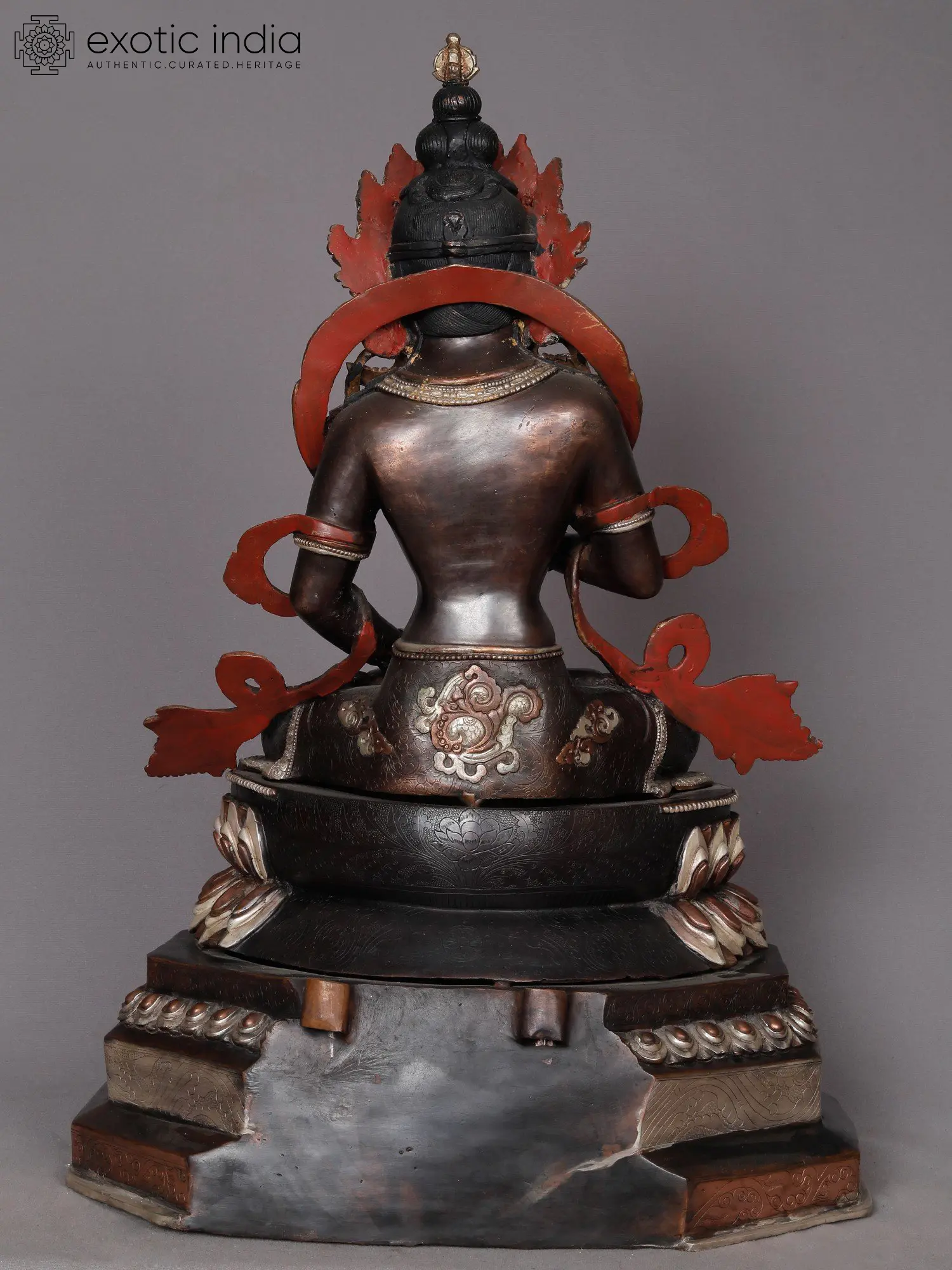
How are Nepalese copper statues made?
Nepalese statues and sculptures are best known for their unique
small religious figures and ritual paraphernalia for over two
thousand years. These are mainly cast in copper alloy. Nepal draws
influences from the artistic styles of Buddhism and Hinduism, and
therefore the sculptors of the country specialize in making the
icons of both these religions. Over the years, Nepalese sculptures
evolved into their own distinctive iconography. Some
characteristic features of these sculptures that differ from other
pieces are exaggerated physical postures, youthful and sensual
features, languid eyes, wider faces having serene expressions, and
ornate flourishes. The Buddhist deity icons of Nepal have
tremendous demand in countries such as China and Tibet for ritual
purposes in their temples and monasteries.
Nepalese statues and sculptures have a high copper content and therefore develop a slightly reddish patina on the surface as they age. However, the most unique feature of Nepalese copper statues is their decorative detailing. The pieces are heavily gilded and sometimes inlaid with semi-precious stones. This embellishment protects them from getting tarnished. The traditional lost-wax method for casting Nepalese copper statues remains the most practiced technique in Nepal for many centuries. This process involves many steps and requires skilled artists.
The first step in lost-wax sculpting is to make a wax replica of the desired Buddhist deity to be cast in copper. This replica is created by hand and therefore needs excellent artistic skills otherwise fine features will be lacking.
Once the wax replica is made, it is then coated with a special mixture of clay with a brush. This layer of clay is hardened when left to dry. A small hole is made on the base of the wax mould so that the wax flows away when it is heated.
Nepalese statues and sculptures have a high copper content and therefore develop a slightly reddish patina on the surface as they age. However, the most unique feature of Nepalese copper statues is their decorative detailing. The pieces are heavily gilded and sometimes inlaid with semi-precious stones. This embellishment protects them from getting tarnished. The traditional lost-wax method for casting Nepalese copper statues remains the most practiced technique in Nepal for many centuries. This process involves many steps and requires skilled artists.
The first step in lost-wax sculpting is to make a wax replica of the desired Buddhist deity to be cast in copper. This replica is created by hand and therefore needs excellent artistic skills otherwise fine features will be lacking.
Once the wax replica is made, it is then coated with a special mixture of clay with a brush. This layer of clay is hardened when left to dry. A small hole is made on the base of the wax mould so that the wax flows away when it is heated.
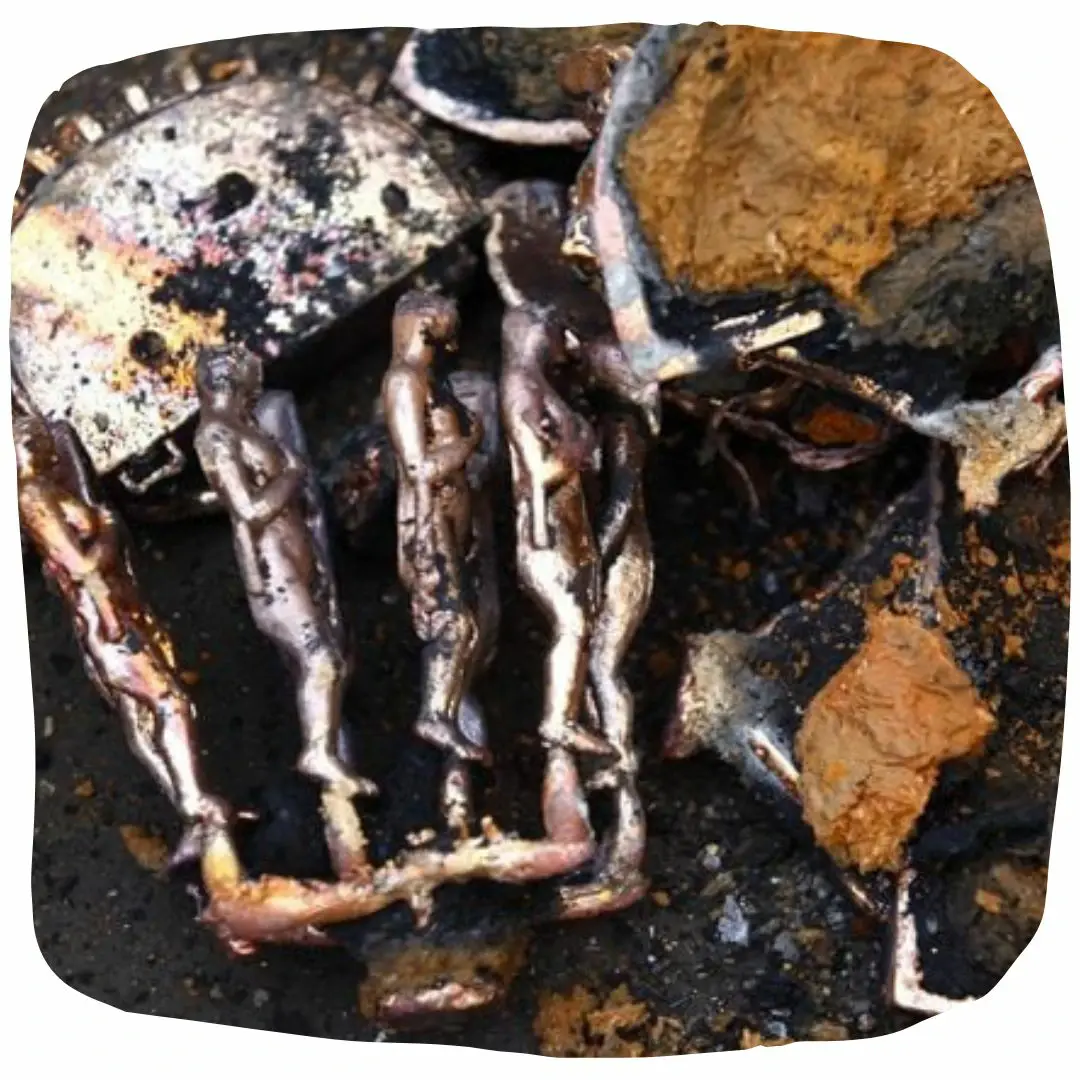
At this stage, a hollow mould in the shape of the deity is
obtained.
This is the time to pour liquid copper into the hollow mould which is then allowed to cool and harden inside a container of cold water. When the liquid metal has hardened, the mould is removed and the statue within is revealed.
This is the time to pour liquid copper into the hollow mould which is then allowed to cool and harden inside a container of cold water. When the liquid metal has hardened, the mould is removed and the statue within is revealed.
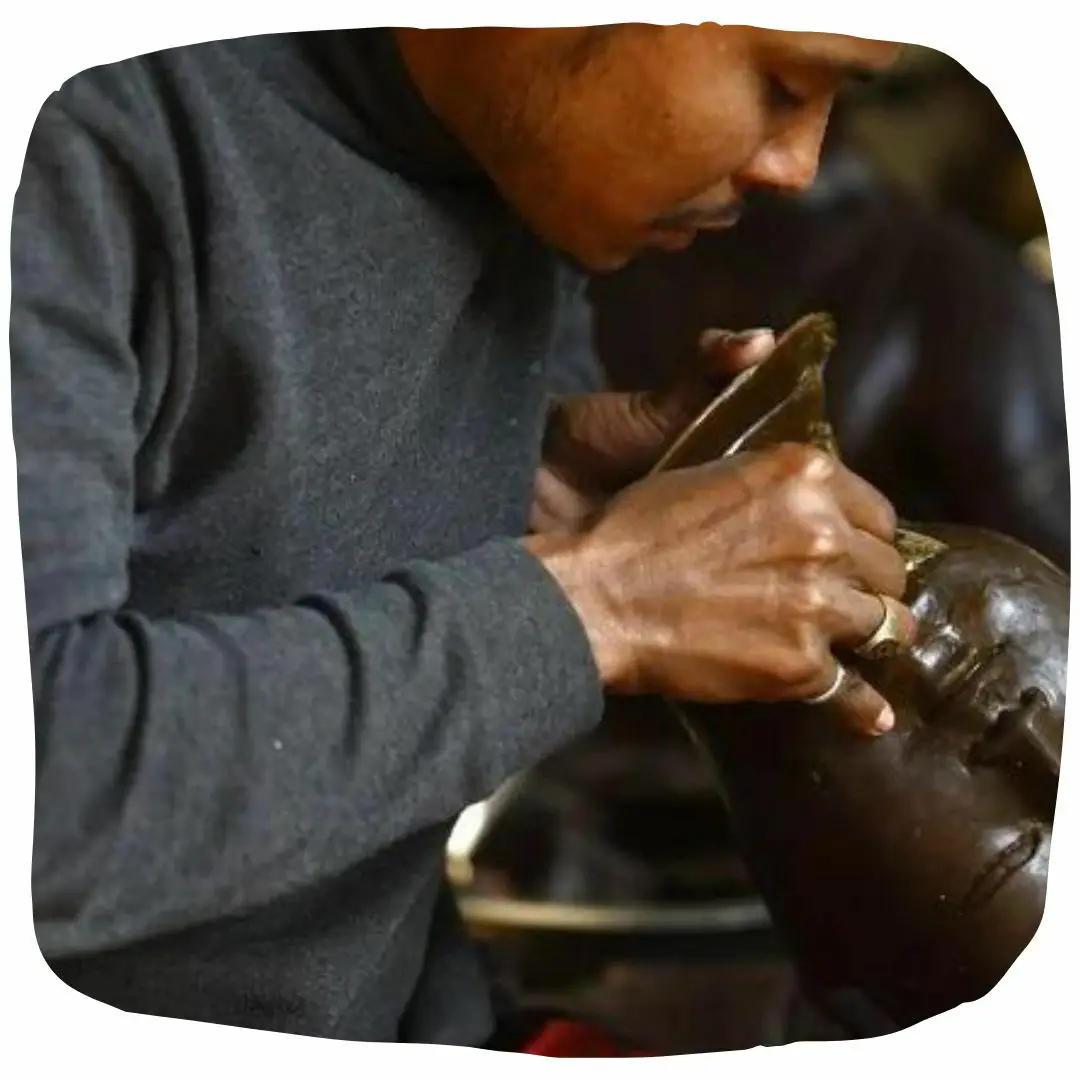
The artist works on the details of the statue using various tools.
It is then polished to get a shiny and lustrous surface.
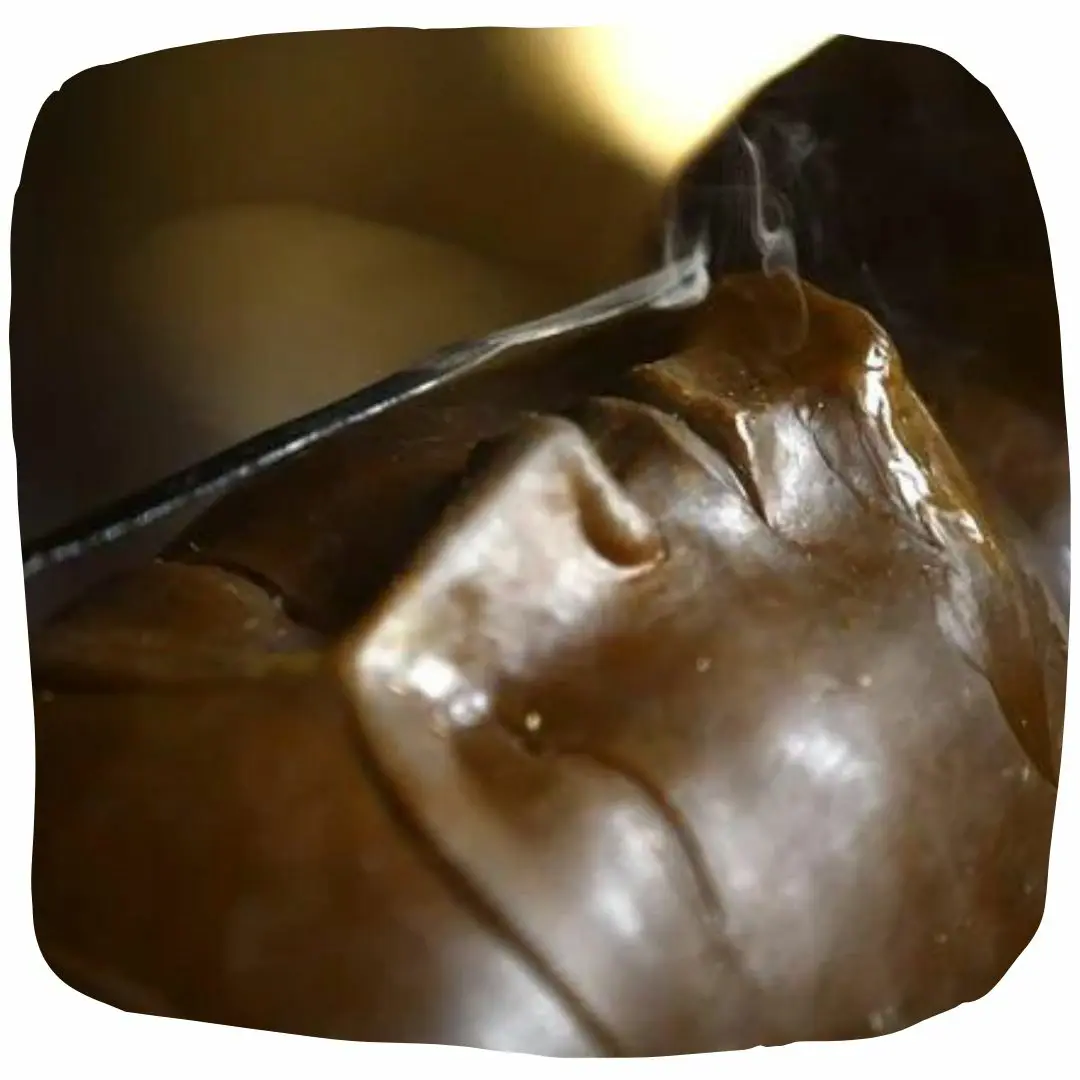
Now comes the most important part of Nepalese art which is gold gilding. This is done by the traditional fire gilding method. A mixture of mercury and 18K gold is applied on the surface of the statue and heat is applied using a flame torch. The result is that mercury evaporates along with impurities, leaving a pure 24K gold finish.
Now comes the most important part of Nepalese art which is gold gilding. This is done by the traditional fire gilding method. A mixture of mercury and 18K gold is applied on the surface of the statue and heat is applied using a flame torch. The result is that mercury evaporates along with impurities, leaving a pure 24K gold finish.
The lost-wax method of sculpting is the most preferred technique
for artists to cast a metallic statue having intricate details. Since Nepalese copper sculptures require extraneous effort for giving a majestic look by adding special embellishments, it takes several weeks to complete one masterpiece. A 24K gold gilded copper sculpture retains its brilliant luster for many years and appears as like before. Nepalese sculptures continue to remain one of the finest specimens of the art of the East that have a strong aesthetic appeal that other sculptures cannot match.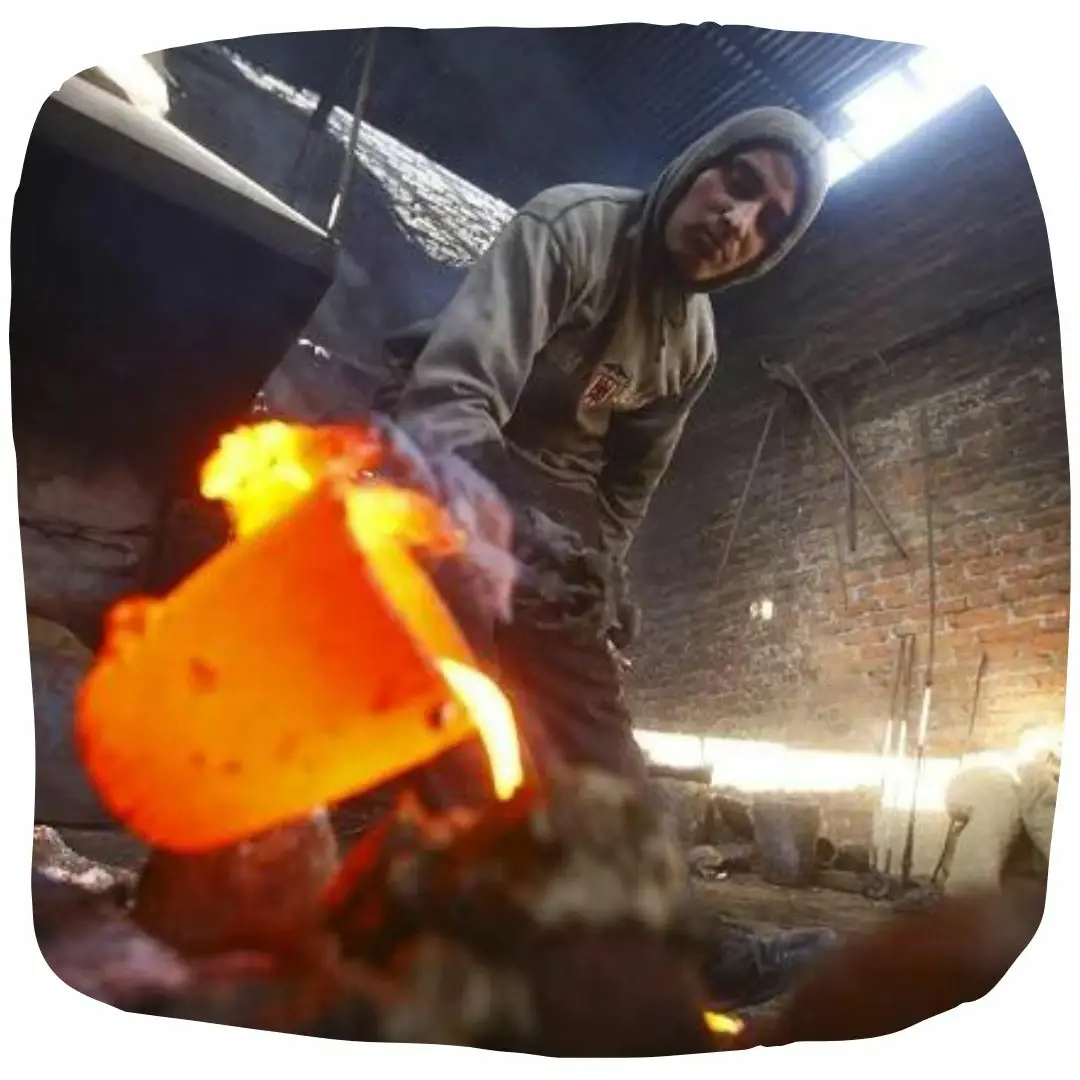
Products related to this item
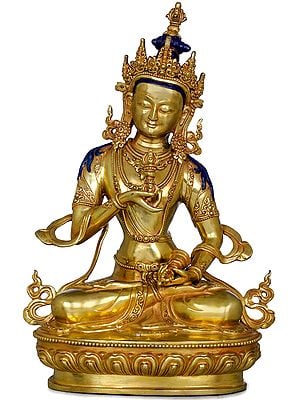
12.70 inch Height x 8.50 inch Width x 5.00 inch Depth
$948.75
Express Shipping
$1265 25% off
Includes any tariffs and taxes
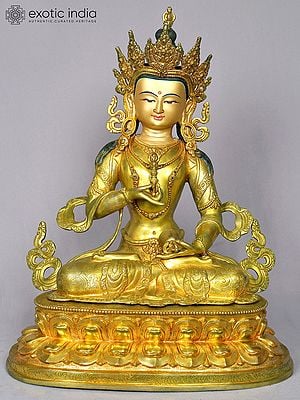
19.00 inch Height X 14.00 inch Width X 9.00 inch Depth
$3519
Includes any tariffs and taxes
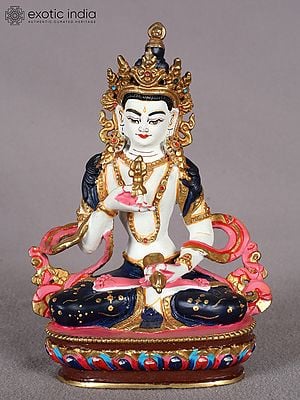
5.50 inch Height X 4.00 inch Width X 2.00 inch Depth
$477
Includes any tariffs and taxes
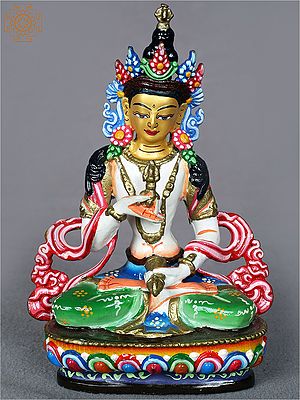
5.50 inch Height X 4.00 inch Width X 2.50 inch Depth
$305
Includes any tariffs and taxes
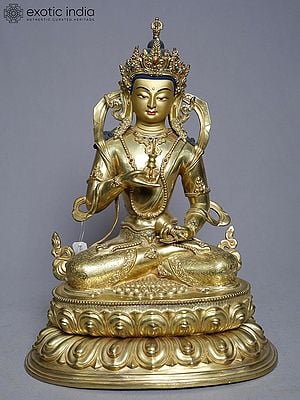
13.5 inch Height X 10 inch Width X 7 inch Length
$2869
Includes any tariffs and taxes
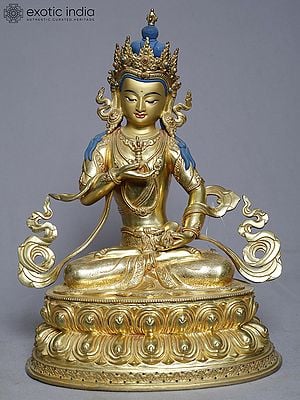
14 inch Height X 11 inch Width X 8 inch Length
$3209
Includes any tariffs and taxes
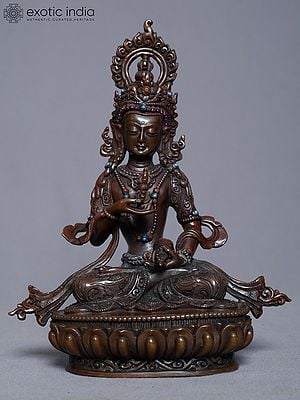
8 inch Height X 8 inch Width X 3 inch Length
$788
Includes any tariffs and taxes
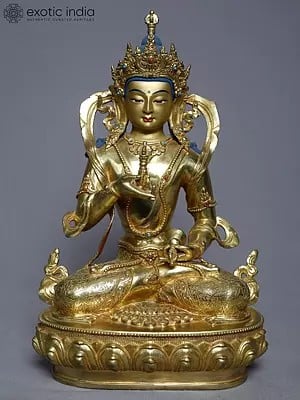
12.5 inch Height X 8 inch Width X 6 inch Length
$1978
Includes any tariffs and taxes
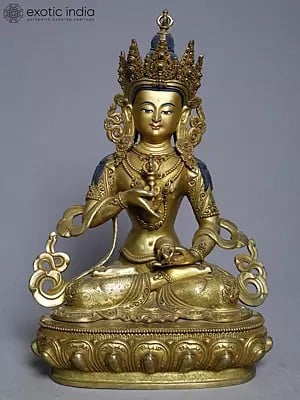
14 inch Height X 9 inch Width X 6 inch Length
$3157
Includes any tariffs and taxes
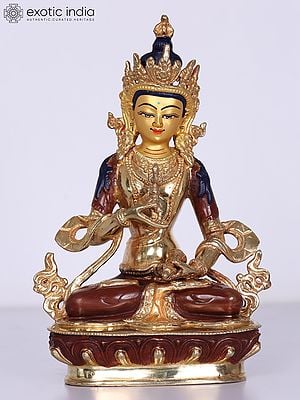
8.5 inch Height X 6 inch Width X 4 inch Depth
$449
Includes any tariffs and taxes
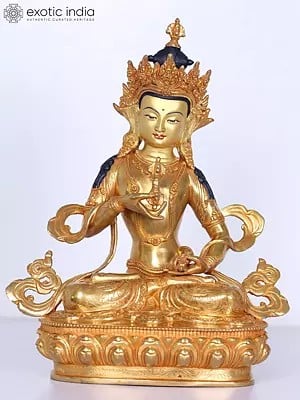
13.5 inch Height X 7 inch Width X 6 inch Depth
$1754
Includes any tariffs and taxes
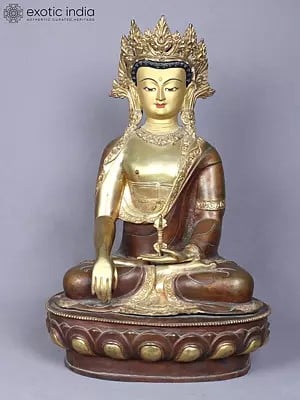
18 inch Height X 11 inch Width X 8.5 inch Length
$2921
Includes any tariffs and taxes