Introduction
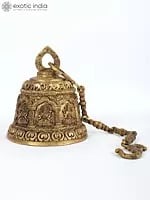
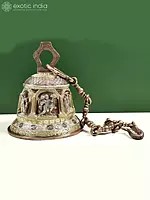
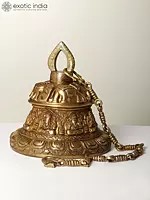
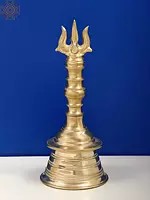
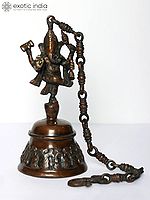
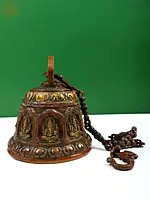
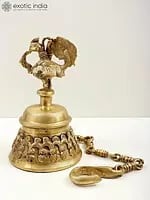
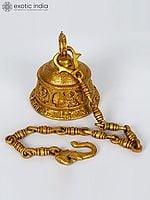
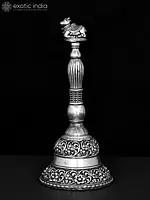
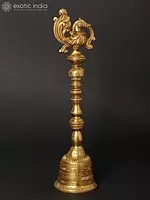
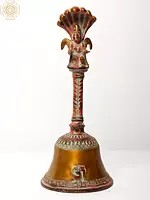
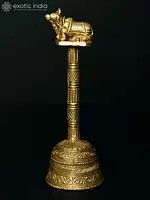
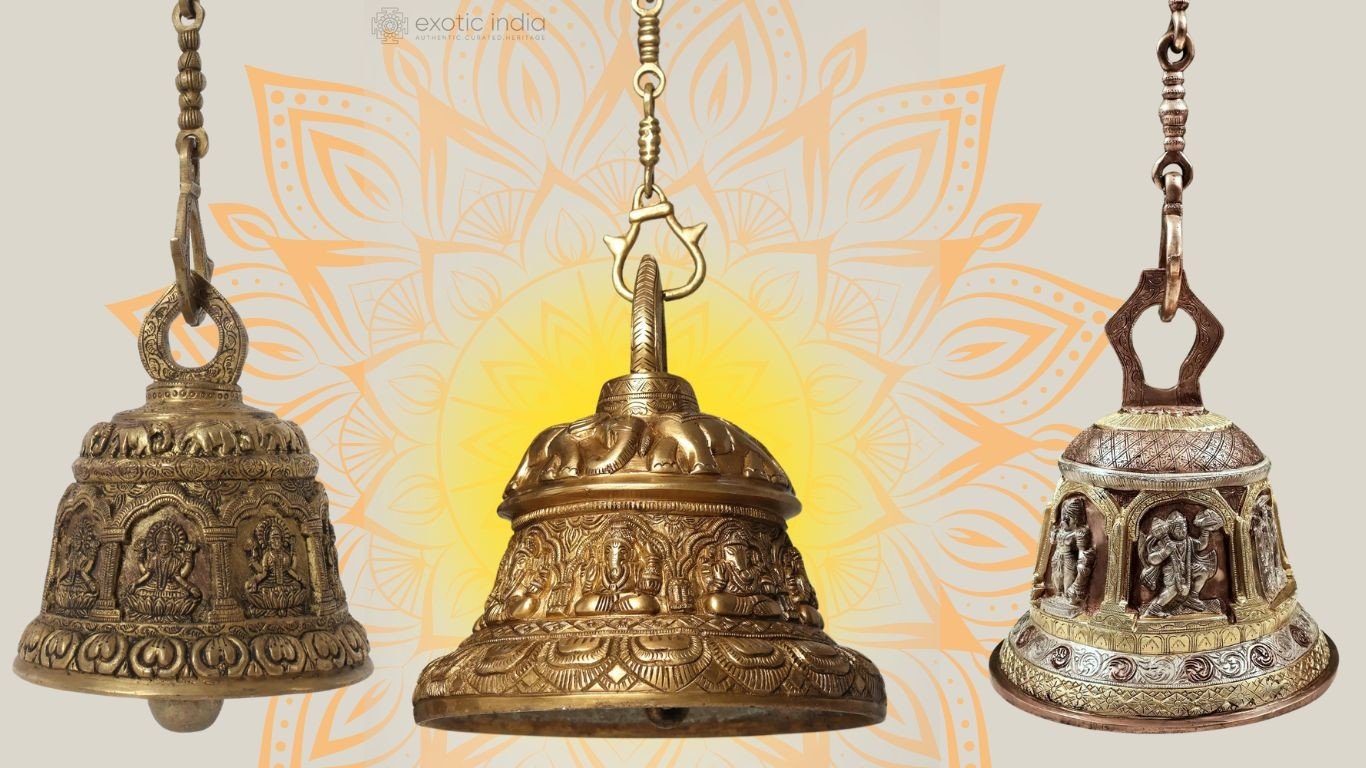
Ghanta is a Sanskrit term for what we know as a ritual bell used in the religious practices of Hinduism. These ritual bells are made out of five to seven auspicious metals related to the planets namely
1. Lead (Saturn)
2. Tin (Jupiter)
3. Iron (Mars)
4. Copper (Venus)
5. Mercury (Mercury)
6. Silver (the Moon)
7. Gold (the Sun).
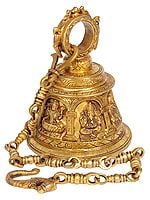
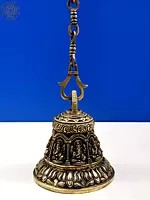
Ghanta is carved with intricate designs and patterns of Hindu idols, a clapper is attached to the Ghanta that creates a high-pitched sound when they are rung. Ghanta plays a major role in Hindu rituals and practices for several years, the ringing of the Ghanta is said to invite positive aura and energies to overcome negative influences. Its sound is thought to purify the environment making it cleanse for the sacred rituals. Some hindu sacred texts justify that the ritual bell is used to honor the Deities to show respect and gesture to their divine presence.
Historical Significance
Ghanta has been significant in Hindu culture for more than thousands of years. Its origin is prominent in the Vedic period and was often associated with auspiciousness. Even in the times of the Upanishads, Ghanta appeared quite frequently in the religious texts, as they were used during the rituals to produce sounds that cleansed the space to enhance the divine energies.
During the archeological findings the presence of Ghanta in temple ruins and artifacts from ancient times, they were found in the temples, caves, and the homes of the devotees. The ritual bells continue to be a common feature in everyday life and part of the Hindu worship practices during festivities, aartis, and other religious ceremonies.
Ghanta showcases a series of cultural significance in various regions of India reflecting their regional traditions. In north India, ghanta is an integral part of their culture, especially during aarti to connect with the deities. South India, especially Tamil Nadu, and Karnataka have large and detailed ritual bells, and their sound is a part of their daily traditional rituals for purification. Ghantas in West India such as Odisha and Bengal are used in temples also the festivities and regional rituals.
Symbolism of the Ghanta
Ghanta is a bell-shaped ritual element that can differ as simple or elaborate ornamented bells, they are slightly cylindrical and that helps them to create clear sounds with vibrations. Ghanta are often made out of metals such as bronze, bronze, and several others as the choice of the metals affects their durability. It has a handle on the top to hang the bell in the desired places and a metal clapper inside the bell that helps to make the ringing sound. Traditional Ghantas are decorated with cultural designs, patterns, and inscriptions that reflect their regional significance.
The Ghanta in Yogic Practices
According to Kundalini Yoga, the sound that the Ghanta produces energizes the spiritual chakras and balances the flow of energies throughout the body. There is a specific amount of times the bell rings depending upon the total number of letters in the Mantras, so the bell should sound 8,16,24 or 32 times.
Variations of the Ghanta
In Indian tradition, there are various types of Ghantas for cultures depending on their cultural preferences. Here are a few types of ghantas that are used across different Indian traditions:
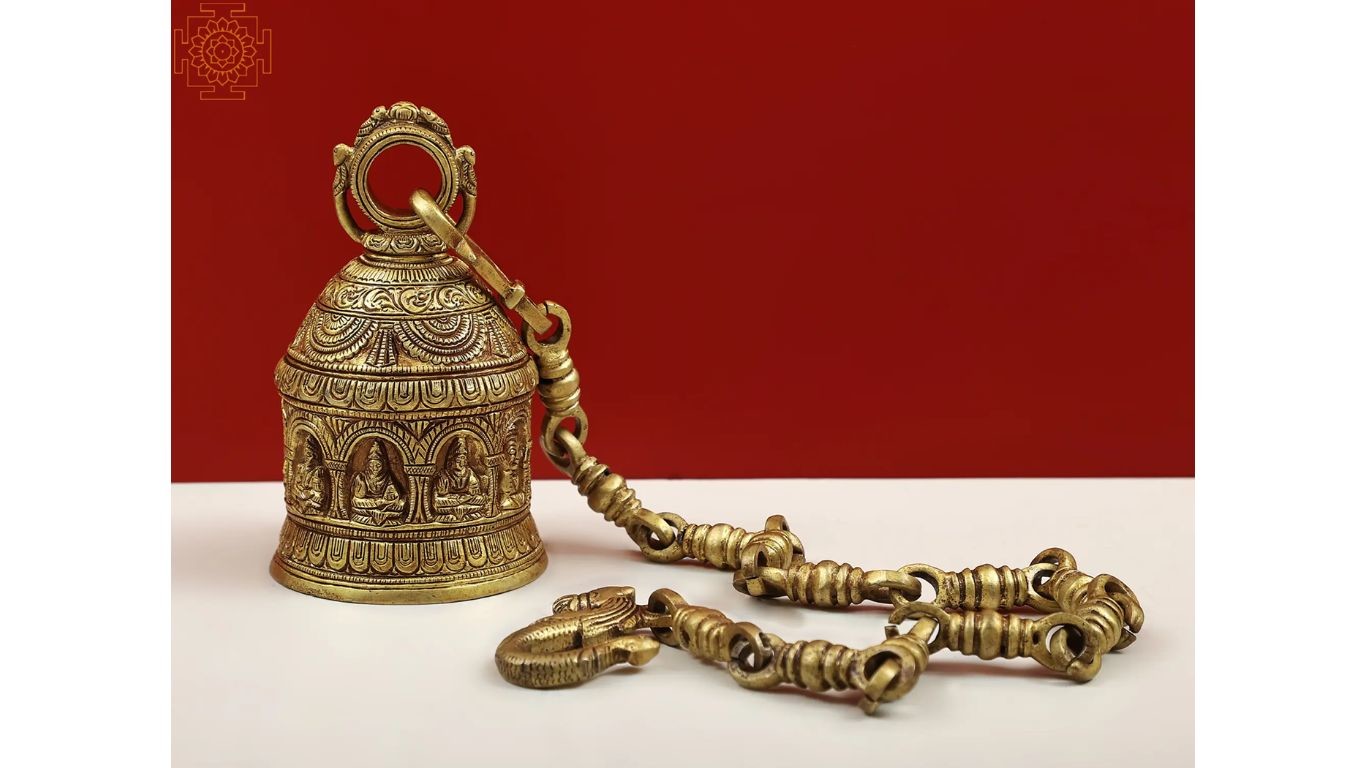
Hindu Ritual Ghantas
🔸Design: The Hindu ghantas are made out of brass or bronze and are typically made of brass or bronze and occur in a variety of sizes from small hand-held bells to large, temple-mounted bells.🔸Purpose: These ritual bells are used in religious rituals, offerings, and ceremonies to signify the beginning or end of a ritual while inviting their divine presence to create a sacred atmosphere.
🔸Characteristics: Often intricately decorated with motifs and symbolic representations of deities, and religious symbols
Jain Temple Ghantas
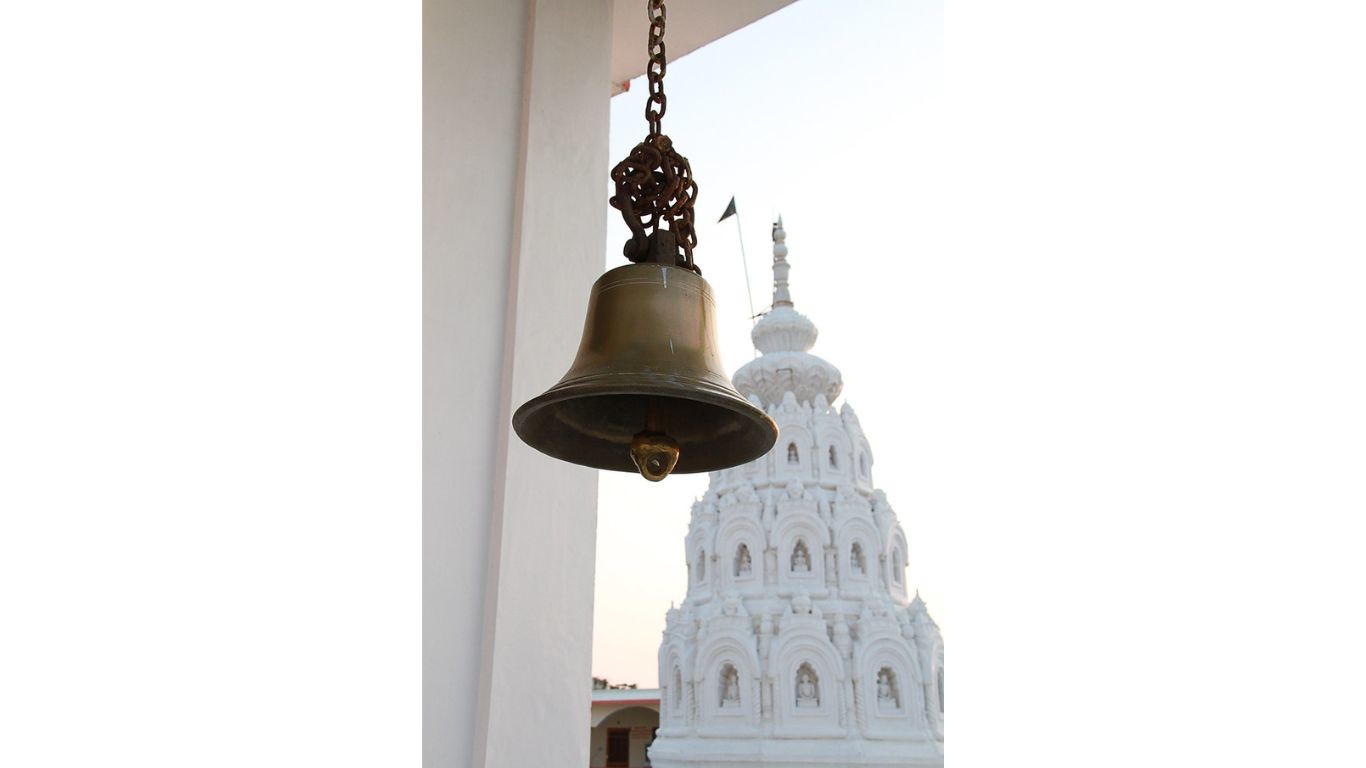
🔸Purpose: Used during Jain rituals and prayers to signify the presence of divine energy and to clean the environment.
🔸Characteristics: They generally showcase features with minimalistic designs and symbolic engravings related to Jain philosophy.
Buddhist Ghantas
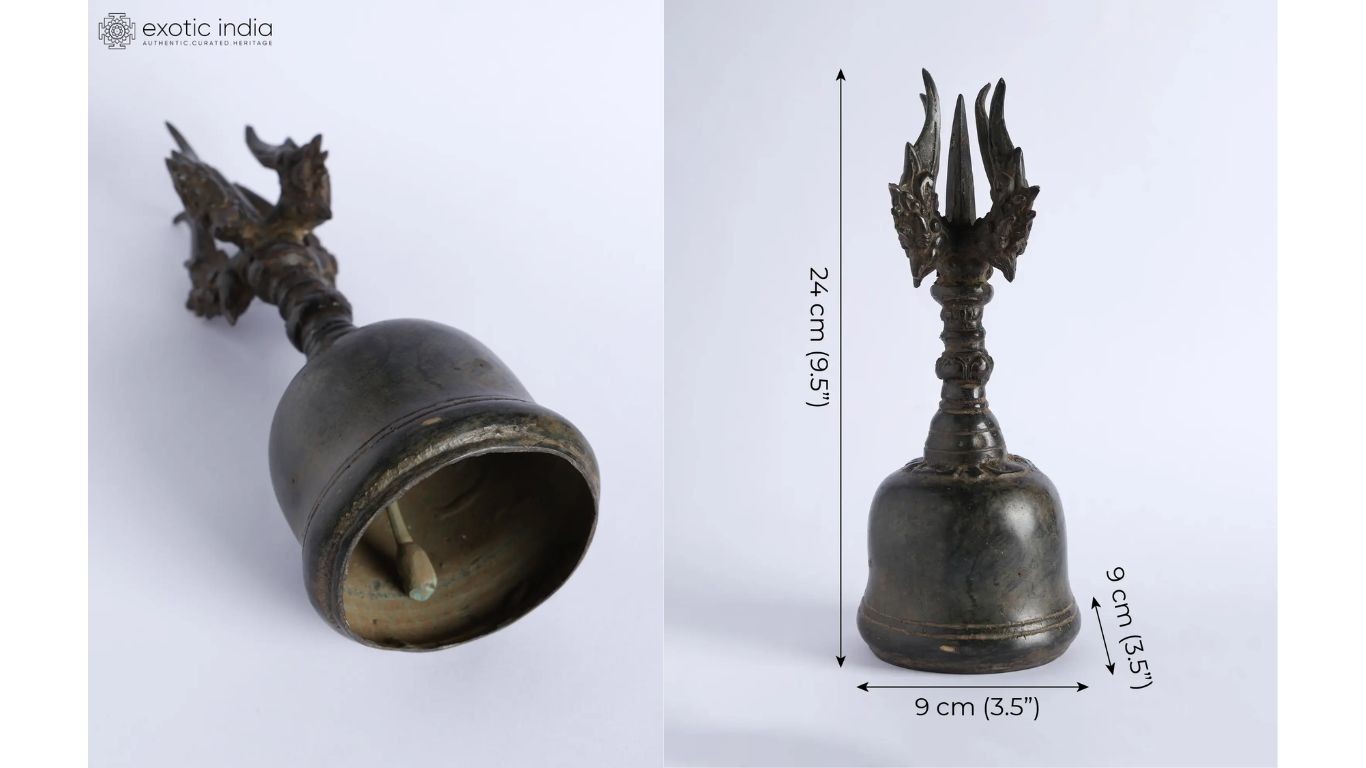
🔸Purpose: In Buddhism, ghantas are used in meditation and rituals to mark the beginning and end of practices while feeling the divine presence during the ceremonies.
🔸Characteristics: Often adorned with symbols like the Dharma wheel or lotus and have a distinctive tone that is considered auspicious.
Conclusion
In Hindu culture, Ghantas play a profound role beyond their basic role of producing sound. They are traditionally used in religious ceremonies and temples to serve multiple purposes. The sound that the Ghantas make is essential to evoke spirituality and holiness. Moreover, the sound of the Ghanta helps the devotees to focus on the sacred silence. In summary, Ghanta has always been an integral part of Hinduism expressing its deep-rooted cultural history that inspires people to this day to make a spiritual connection with the divine.