Tantra can have multiple definitions and meanings. These depend on its purpose of use and how people approach it individually. This is because tantra encompasses a wide range of beliefs and traditions. Hence, different people and cultures interpret it in different ways. The tantric practices developed gradually over several centuries. They first began to be practiced in the 5th and 6th centuries BCE. Many of these complex practices can be traced back to ancient Vedic and non-Vedic traditions.
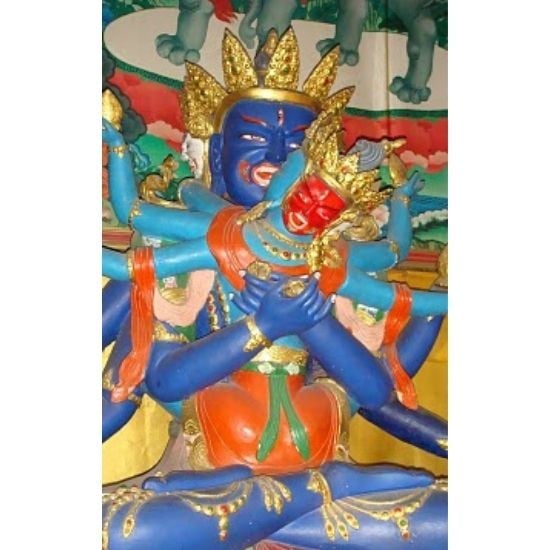
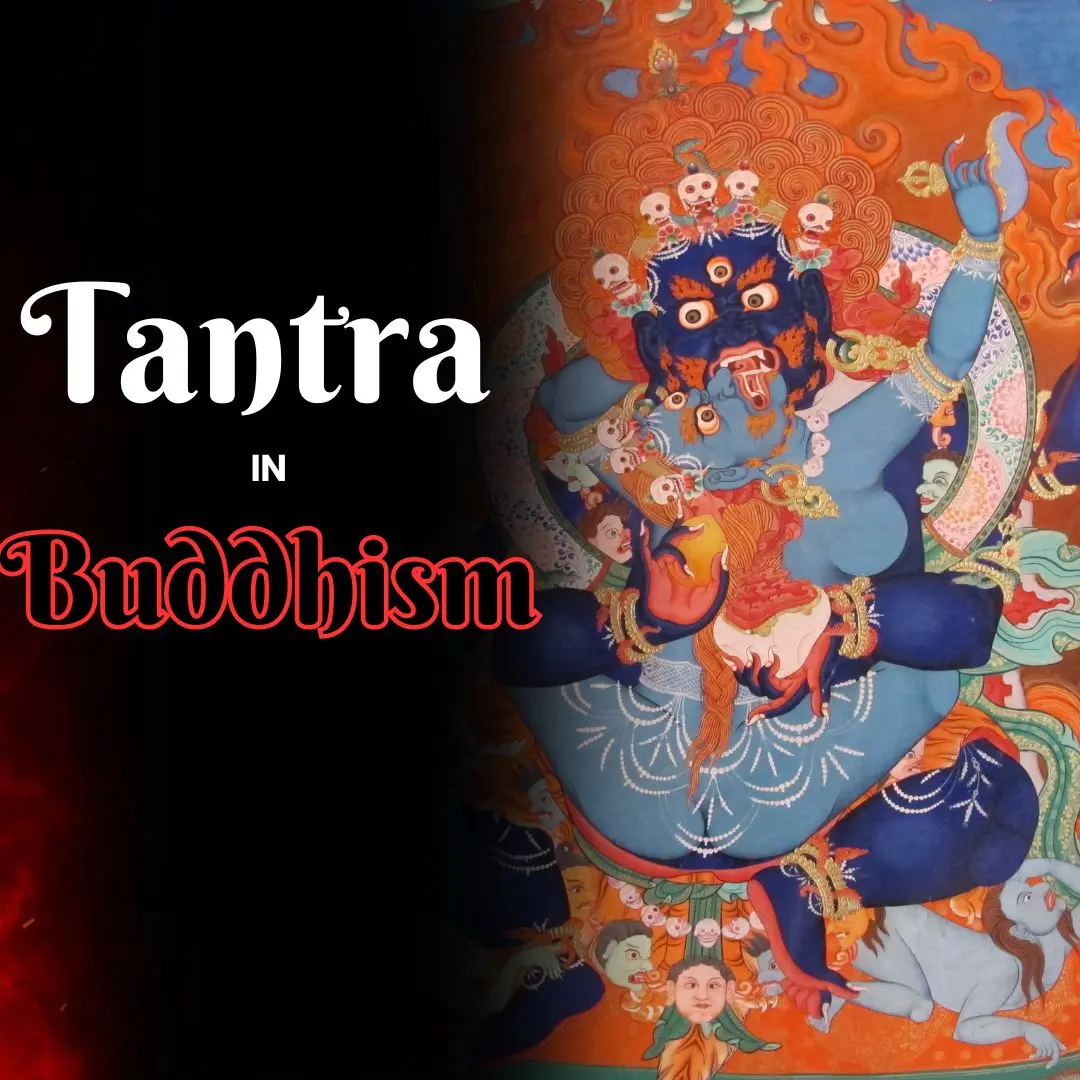
"...The word Tantra itself is derived from the verbal root tan, meaning to \'weave\'...Often the mother is shown in a posture with both legs around the father\'s waist...refer to the union of a lotus and vajra..." Notwithstanding the fact that the Buddha\'s essence is non-polar, Buddhist iconographers use sexual polarity to symbolize the twin concepts of insight and compassion. All goddesses are symbols of insight and the gods represent compassion. The union of compassion and insight symbolizes the non-polarized state of bodhicitta, or the mind of enlightenment, which is represented visually by showing two deities engaged in sexual union.
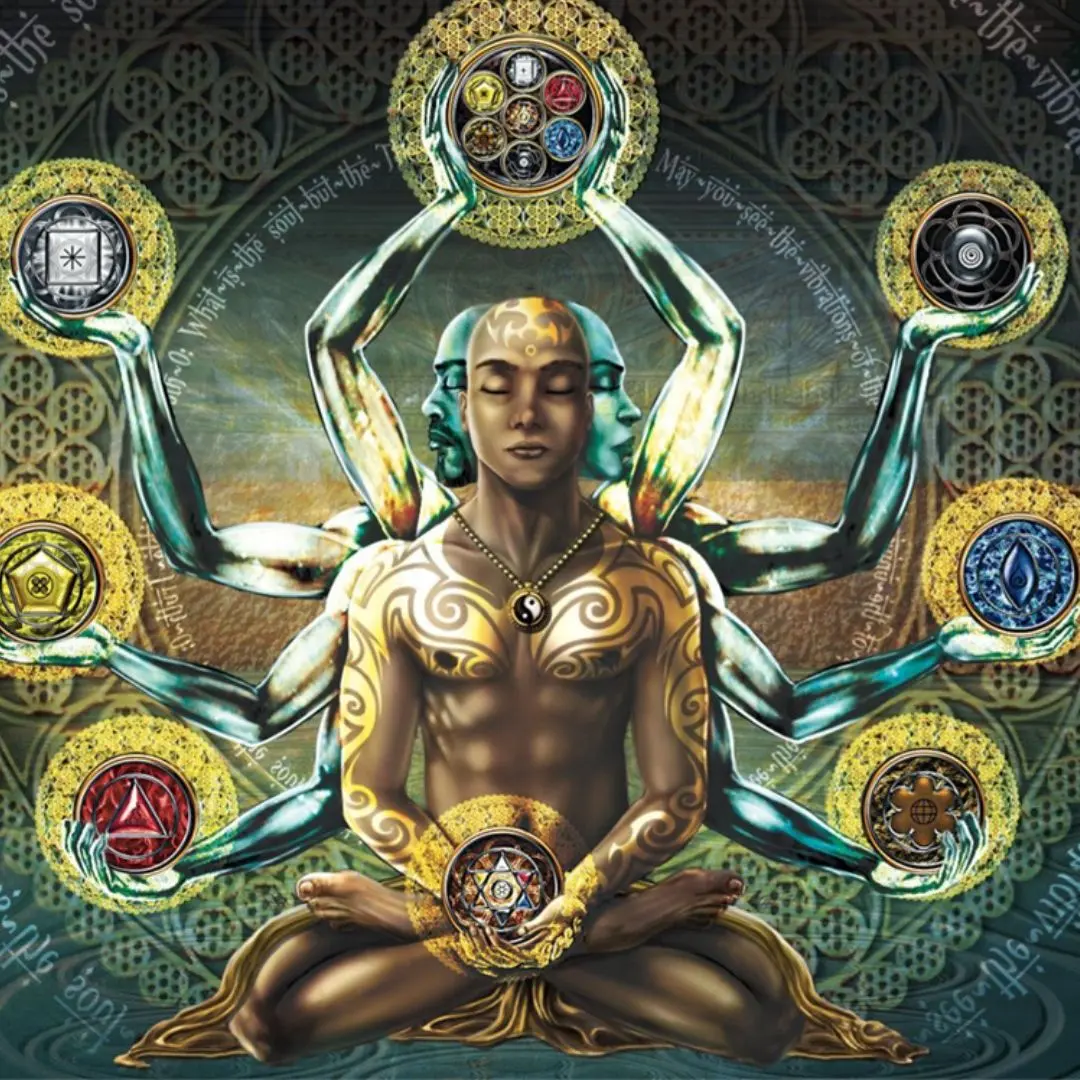
Tantra has developed a system of thought which makes us see the universe as if it were within ourselves, and ourselves as if we were within the universe. Further the forces governing the cosmos on the macro-level are believed to govern the individual in the micro-level. According to tantra, the individual being and universal being are one. Thus all that exists in the universe must also exist in the individual body. One of our major limitations in discovering this essential unity between the microcosm and the macrocosm is that we are accustomed to analyze the world into its separate parts, with the result that we lose sight of those parts\' inter-relationship and their underlying unity. The way to fulfillment is through recognition of our wholeness linking man and the universe. This hence is the broad aim of Tantra art, achieved through visual symbols and metaphors.
Tantra – Spiritual Knowledge of Practical Nature
“Tantra is not a unitary system like the Vedas or any of the Hindu philosophies. It is an accumulation of practices and ideas of the Hindus, since prehistoric times. Its birth is rooted in the Vedas; its development proceeded through the Upanishads, Itihasas, Puranas, and Smritis; and its luxuriant growth has been fostered by Buddhism, various minor Hindu sects, and also foreign influences.”
According to Buddhism beliefs the way to attain nirvana is by realizing one’s Buddha nature and Buddhist Tantra practices enable us to do that. It advocates that enlightenment is not something that resides in the future. In fact, humans are already enlightened. They just need to realize it.
Making use of mantras, mudras, mandalas, imaginations, etc, Tantra allows a person to fast-track the process of attaining enlightenment so that the entire universe can benefit from it. It is a practice that makes complete use of an individual’s power of imagination to harness divine blessings.
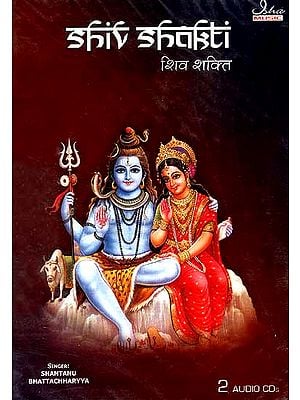
Neither moral nor immoral, Tantra is beyond the \'moral\'.... Suppression is not the way of Tantra. On the contrary, it harnesses the inherent, magnifies it and at times even multiplies, though not without awareness which is the essence of Tantra....Thus, man is the micro-miniaturized form of the cosmos. Summarily, the human body is microcosmic sample of the universe and is thus its representative form....Kundalini, the tool of kindling inherent energies in the Shiva-Shakti myth, is the essence of all Tantrika systems, and even Yoga and Vedic asceticism....\'Mantra\' sacred syllable, spell, or incantation, is divine power clothed in sound....Thus, every \'Mantra\' constantly draws its power from the Timeless Shiva and Shakti.