About the Book
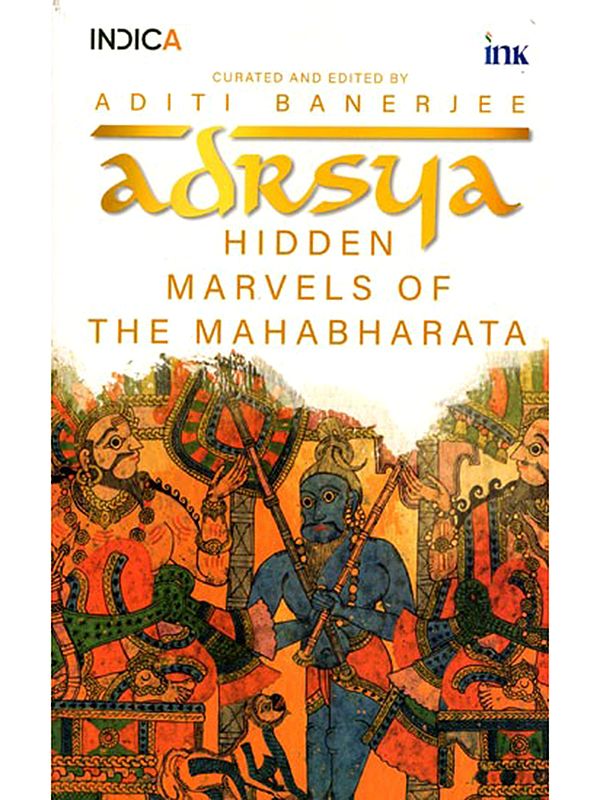
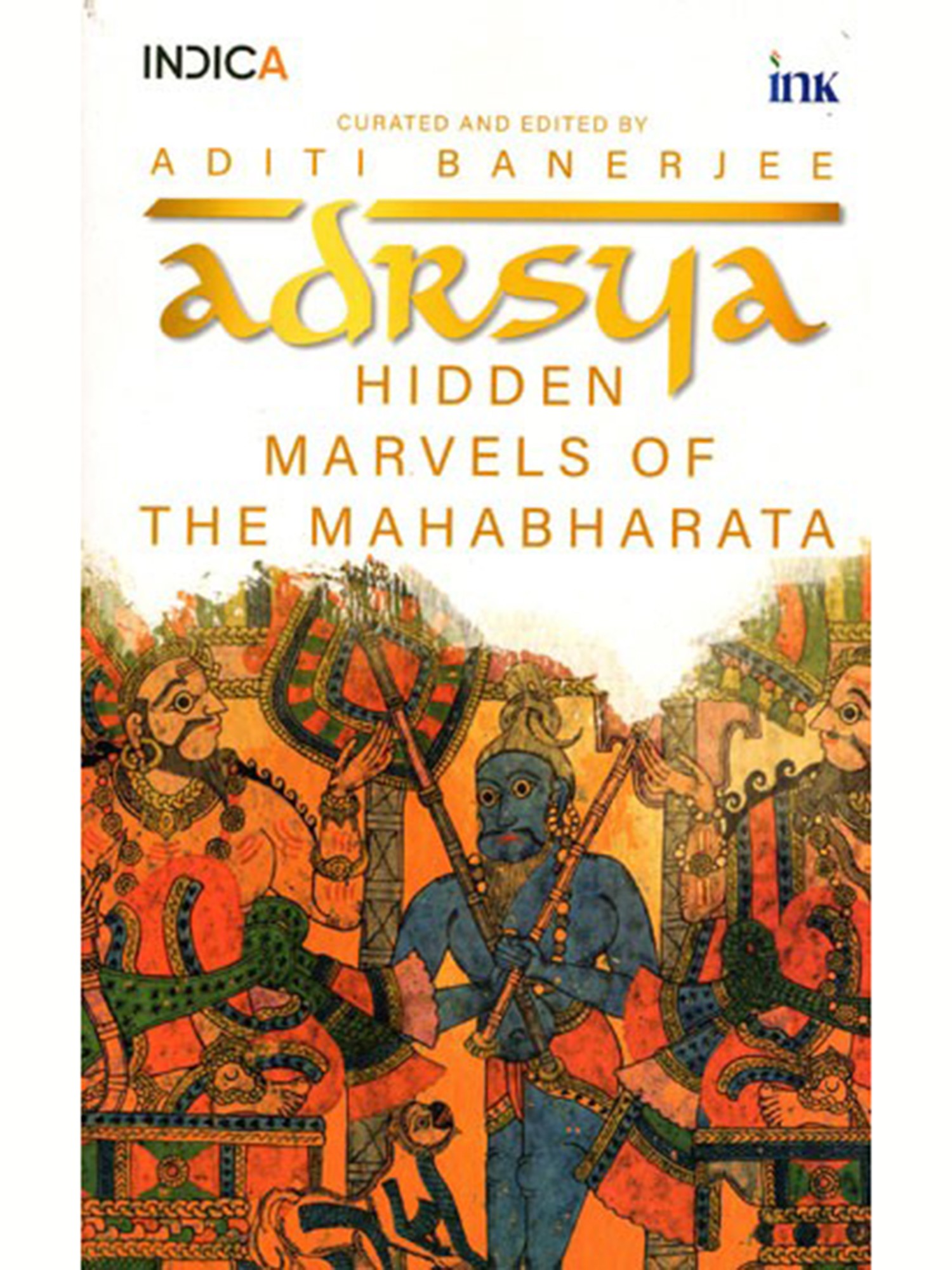
The Mahabharata is a rich and intricate tapestry of captivating stories, featuring a vibrant cast of both divine and mortal characters. Veda Vyasa, an astute observer of human nature and psychology, skillfully crafted portraits of these unforgettable personalities-larger-than-life yet deeply relatable. Each character's journey unfolds in a way that highlights the themes of dharma, which are central to the epic. However, as familiarity with the authentic Itihasas and Puranas has waned, many of these characters have faded from our collective memory and consciousness. Still, the timeless messages and lessons of their stories remain as relevant and essential as ever. Now is the time to rediscover their voices and tales.
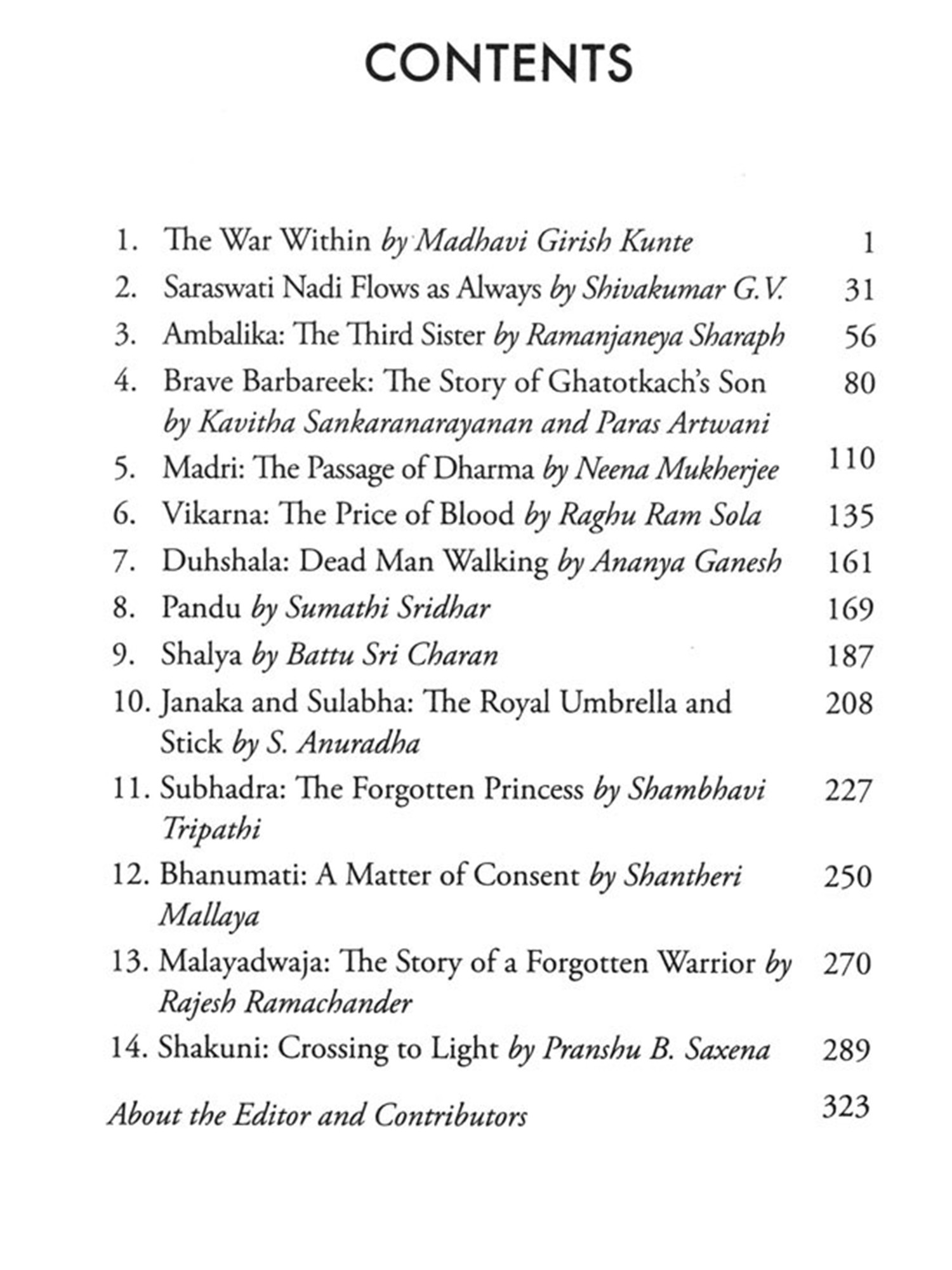
Adrsya: Hidden Marvels of the Mahabharata brings to life the stories of lesser-known characters from the epic-Ambalika, Barbareek, Bhanumati, Duhshala, Janaka, Sulabha, Madri, Malayadwaja, Pandu, Saraswati Nadi, Shakuni, Shalya, Subhadra, and Vikarna. Come, hear their voices once again, and witness how we've breathed new life into their stories.
About the Curated and Edited
Aditi Banerjee is a novelist and a practicing attorney at a Fortune 500 financial services company. She is the author of The Curse of Gandhari (2019), The Vow of Parvati (2022), and Hindu Love Stories: Dharmically Ever After. Her latest book, Kashi: The Valiant History of a Sacred Geography (2024), explores the historical and spiritual significance of Kashi. A devout Hindu, she writes and speaks extensively on Hinduism and the Hindu-American experience.
Aditi holds a J.D. from Yale Law School and an Executive MBA from Columbia University. She is a member of the Indic Academy. In 2019, the Indic Academy sponsored a six-city book-launch tour across India for The Curse of Gandhari. She co-edited Invading the Sacred: An Analysis of Hinduism Studies in America alongside Rajiv Malhotra, and has contributed essays to several influential publications, including The Columbia Documentary History of Religion in America since 1945 (Columbia University Press) and Buddhists, Hindus, and Sikhs in America.