See It In Your Home
“Nourishing
Abundance" - The Small
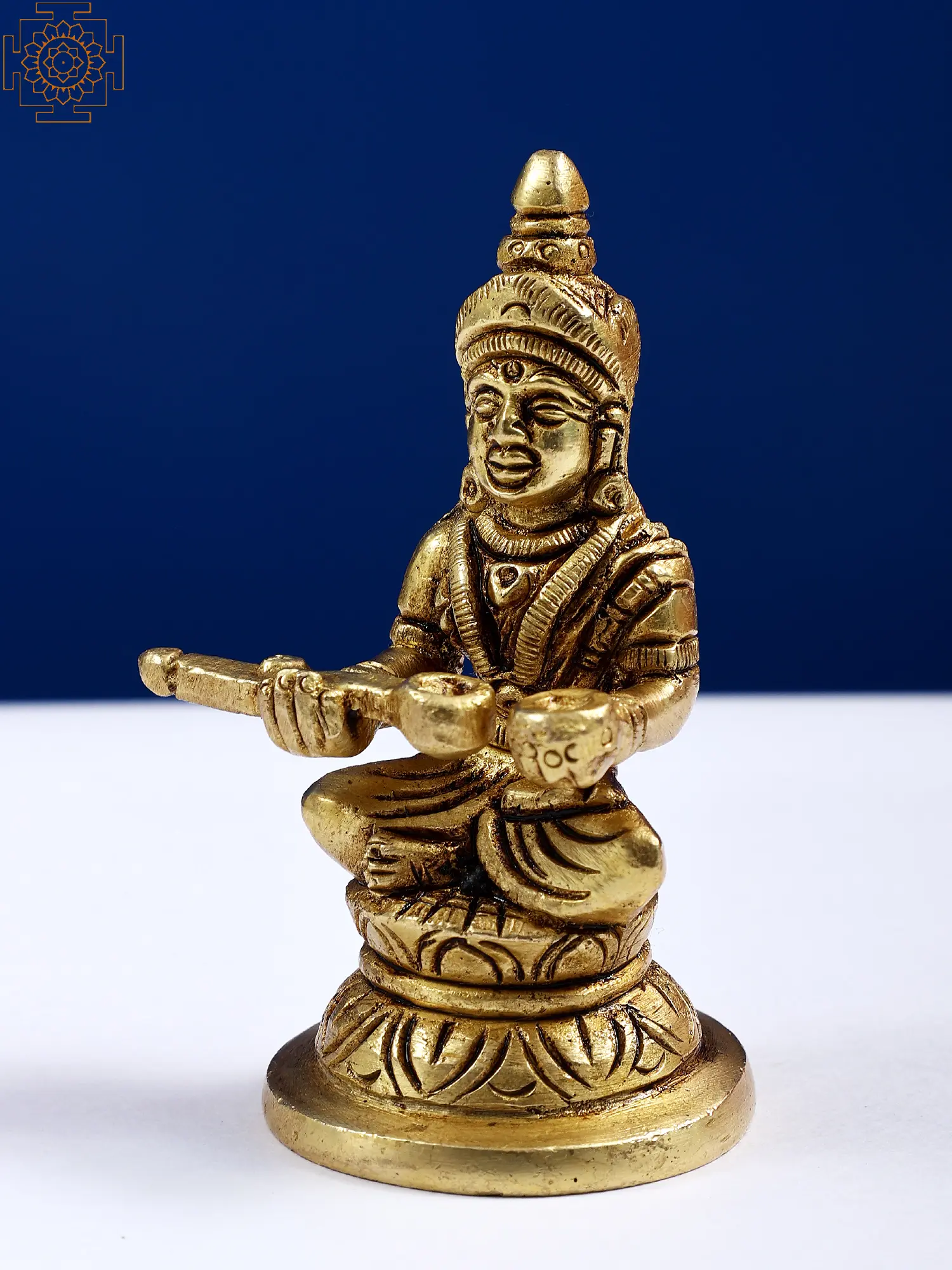
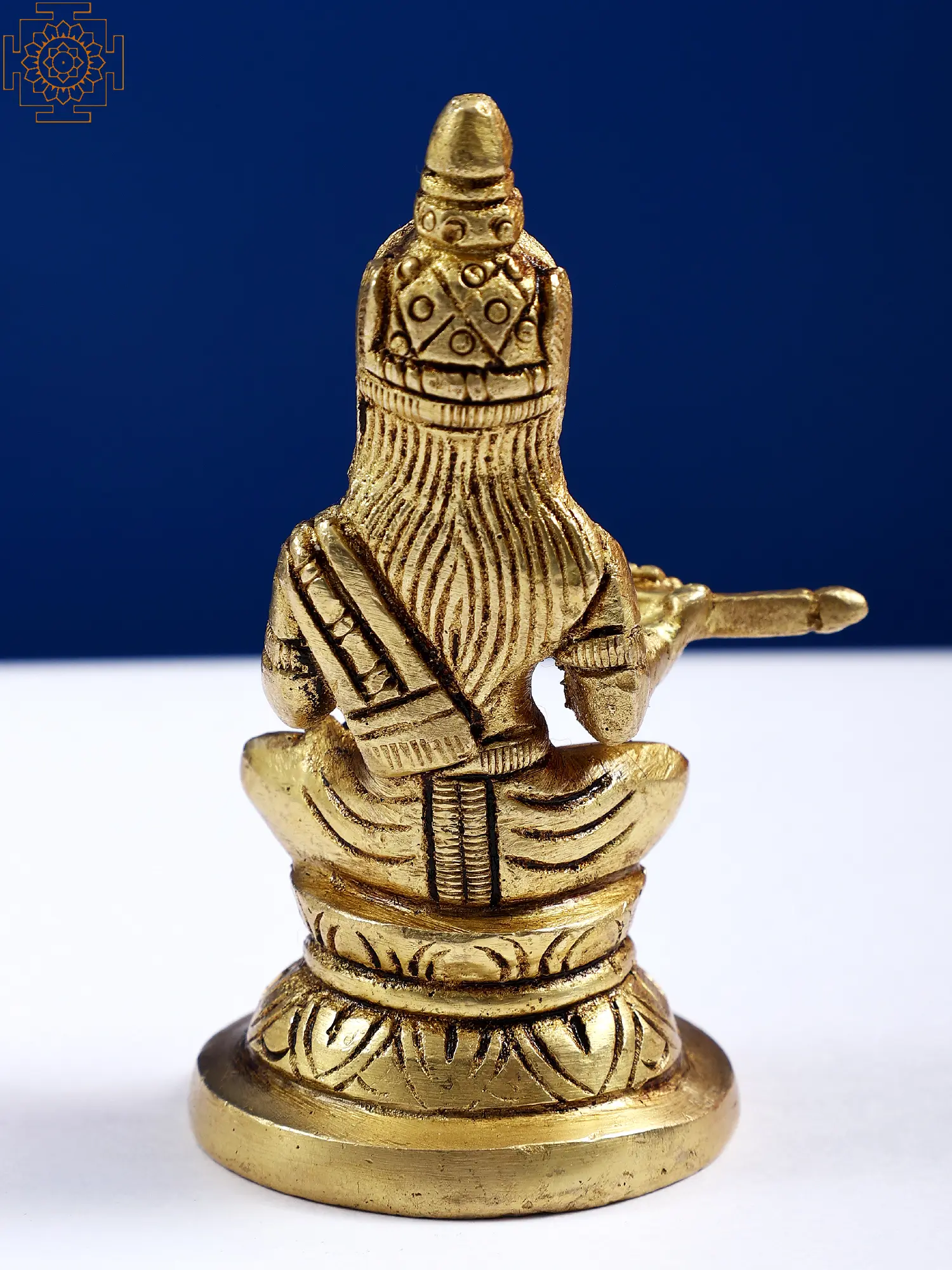
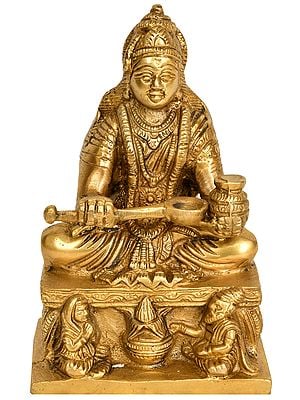
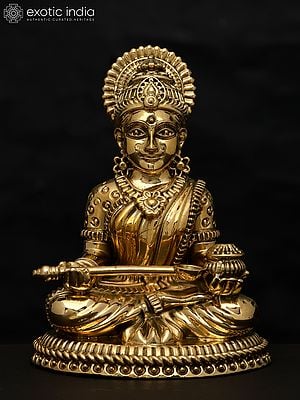
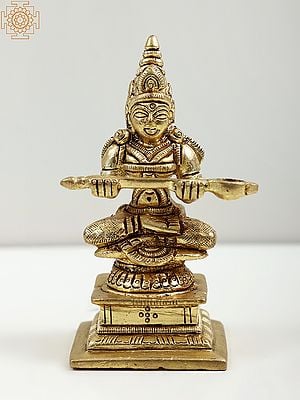
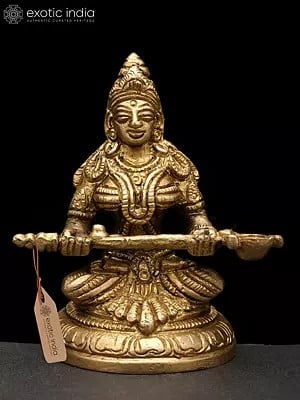
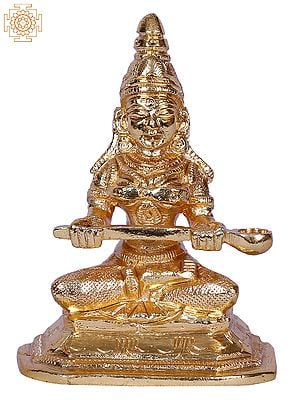
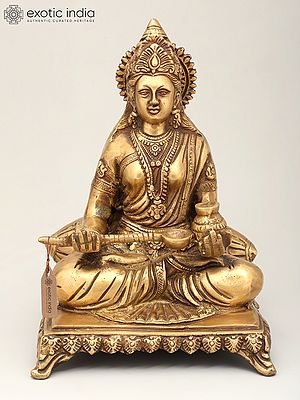
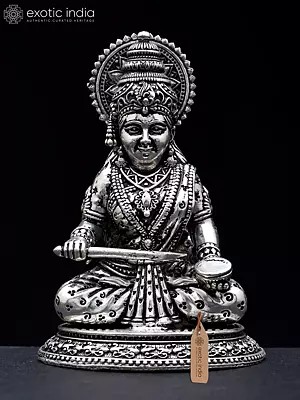
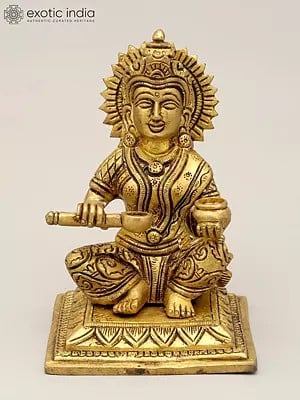
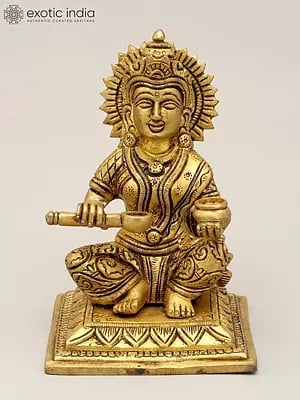
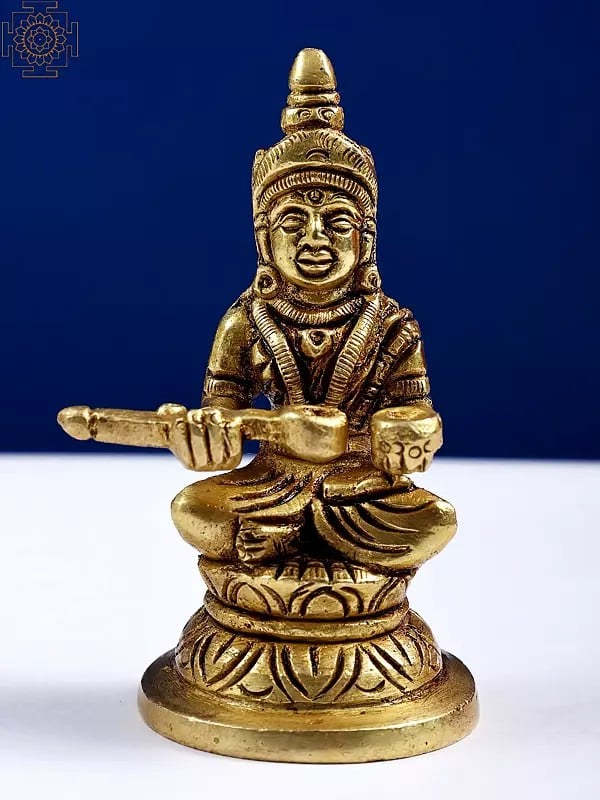
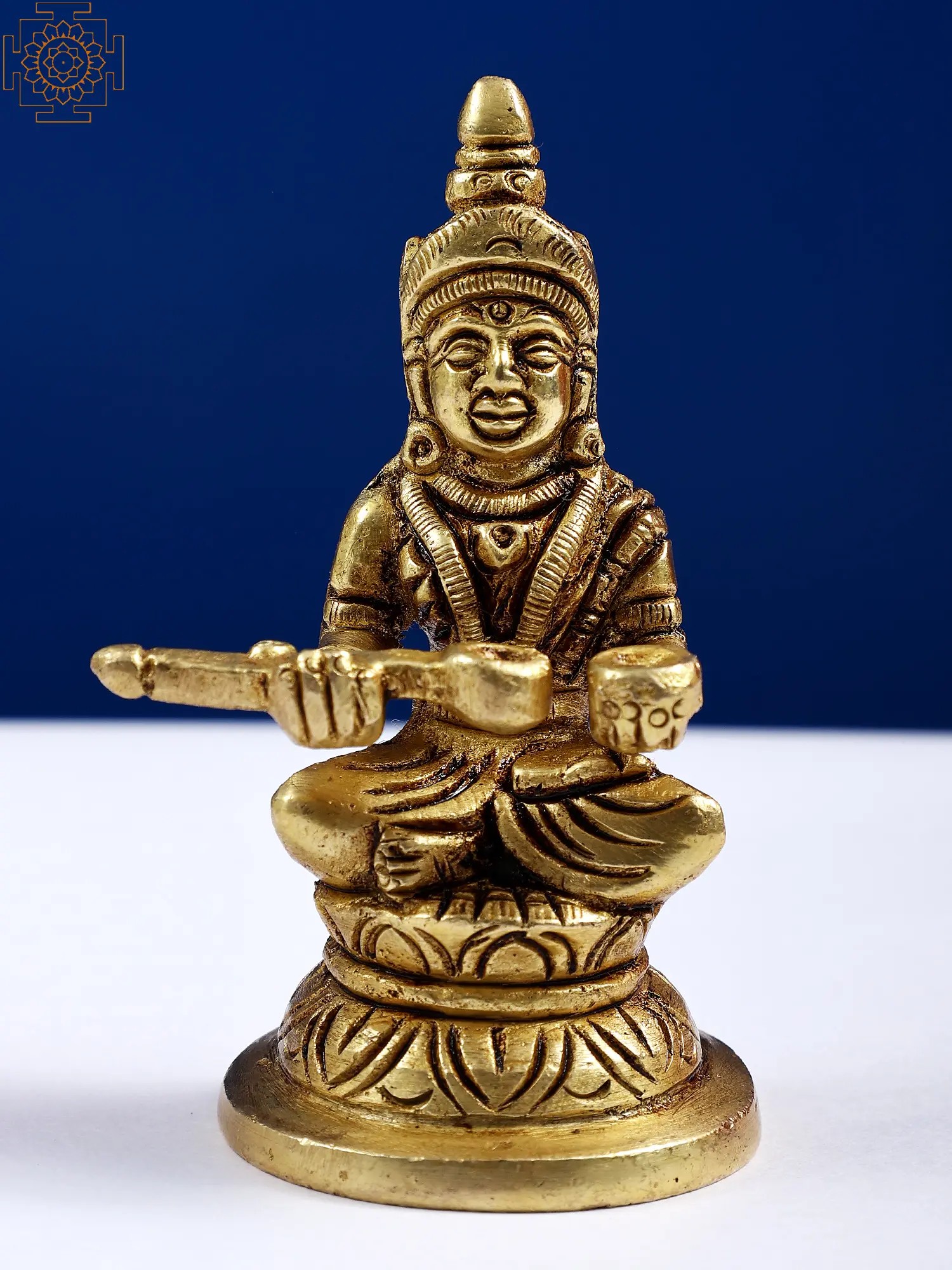
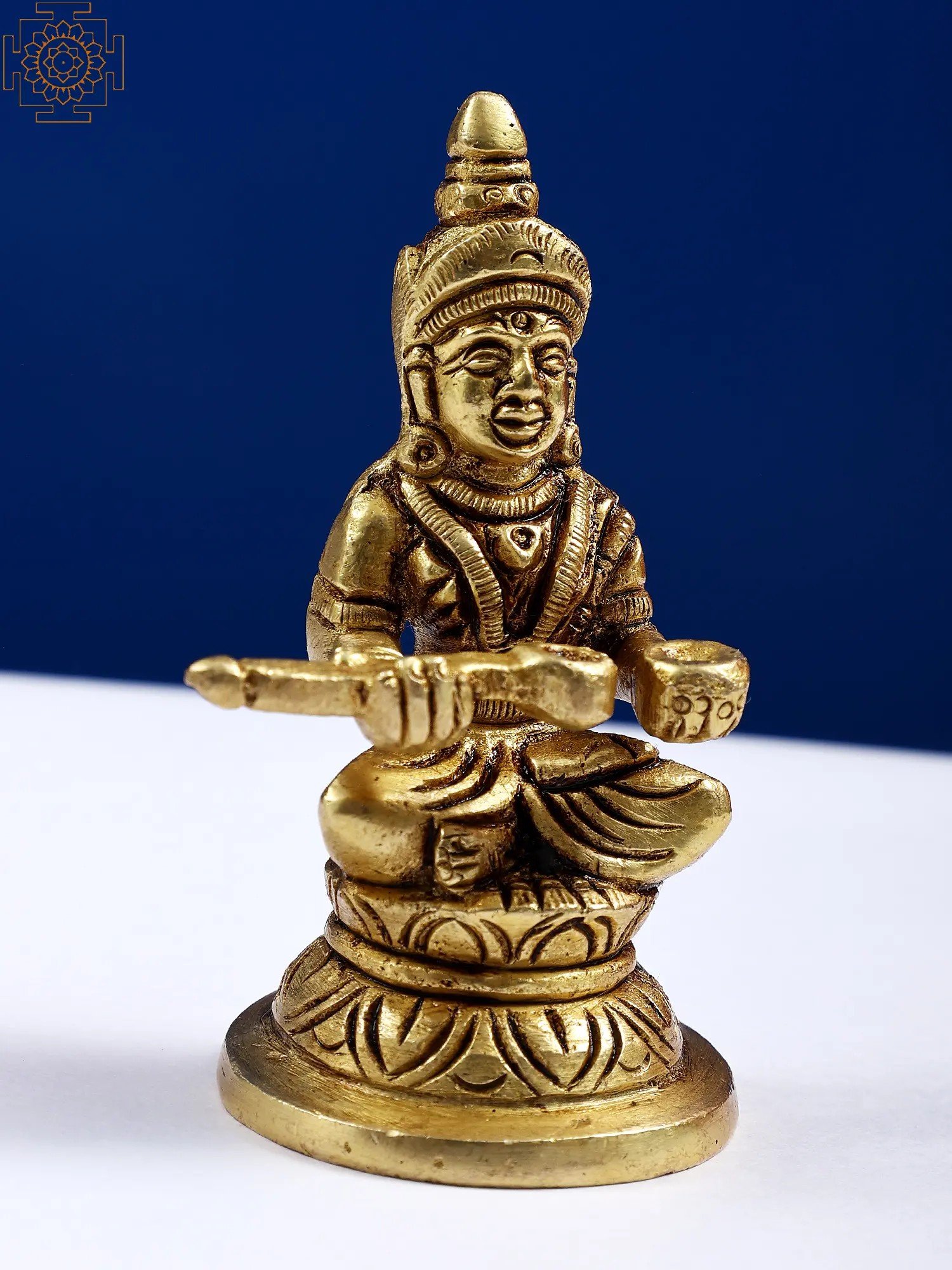
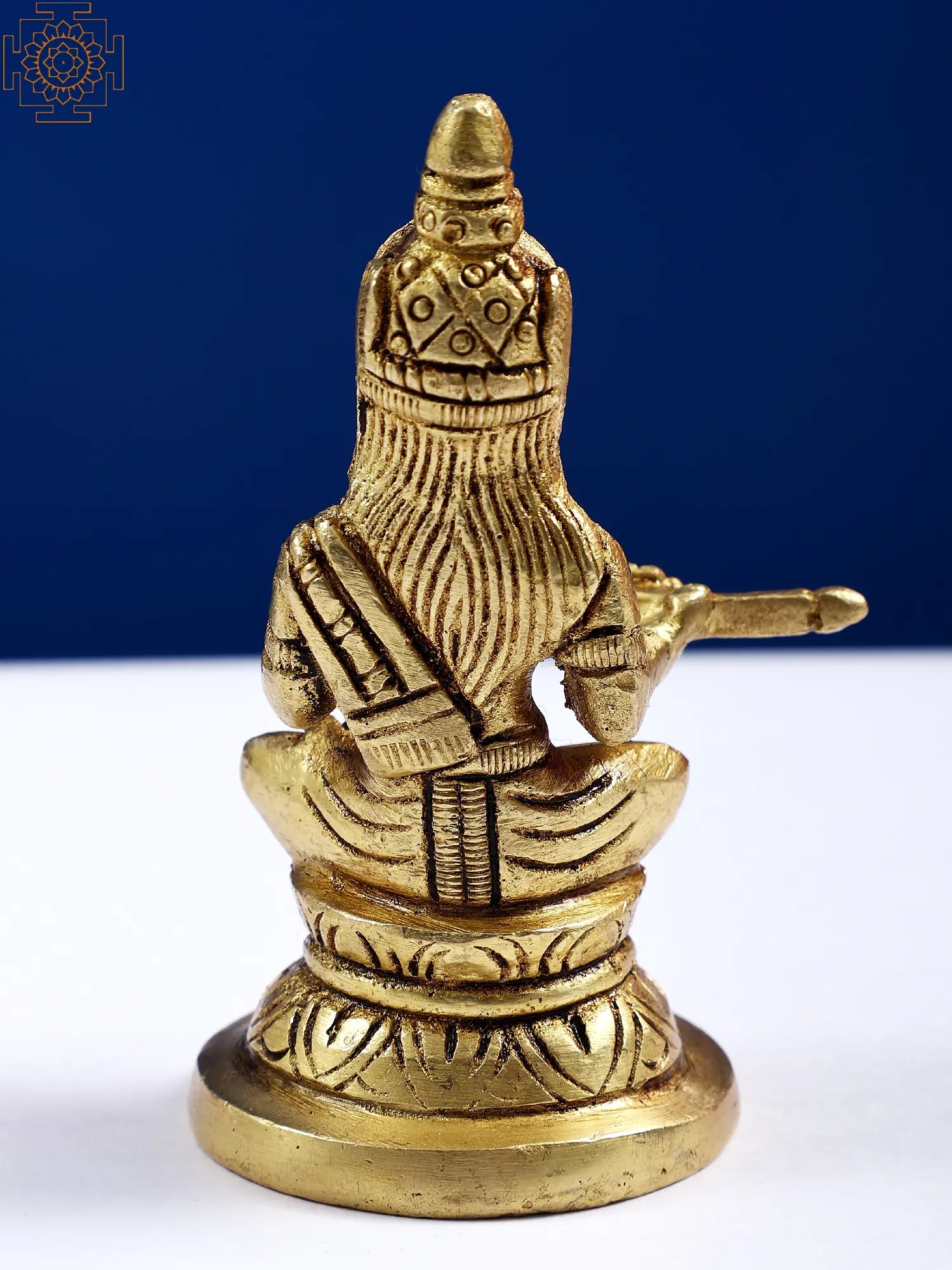
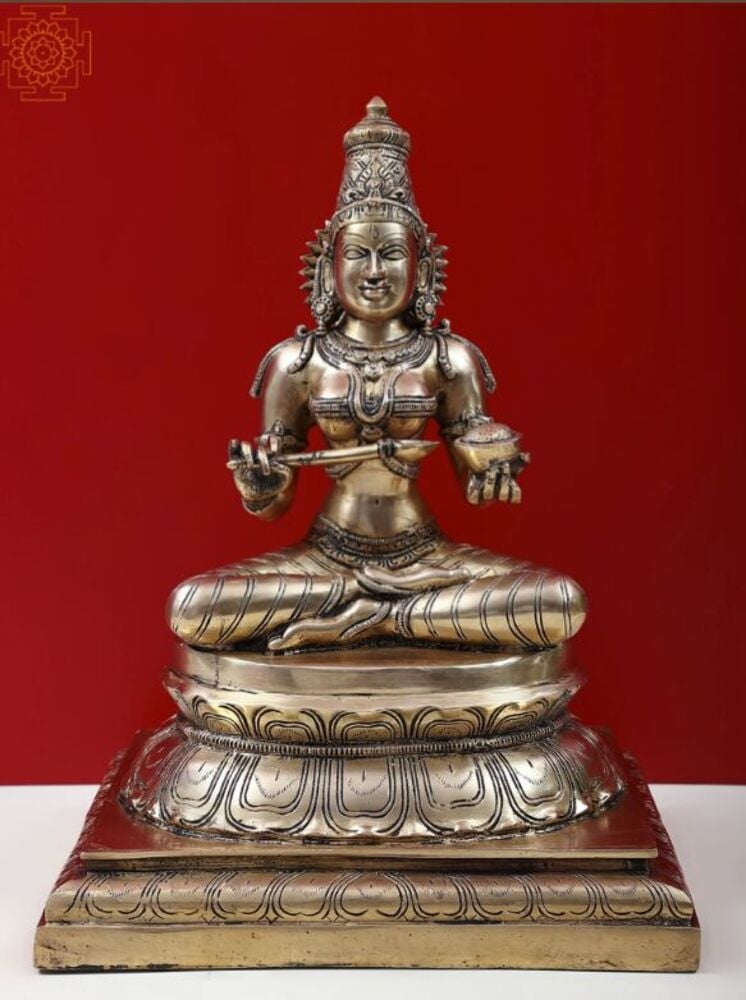
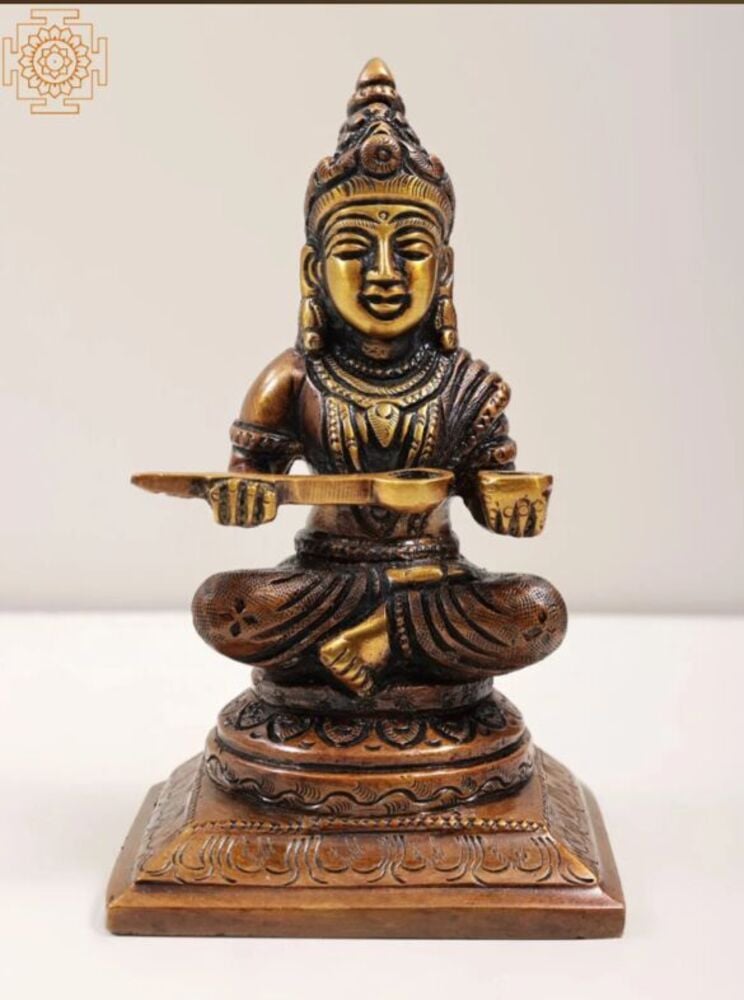
Size Annapurna sculpture, a handmade masterpiece, embodies the goddess of
nourishment and abundance. Crafted in brass, it depicts Annapurna holding a
ladle and a bowl. Her presence symbolizes the cycle of giving and receiving
sustenance. The ladle represents offering sustenance to the world, while the
overflowing bowl signifies the boundless abundance she bestows. As we
contemplate this figure, we're reminded of the interconnectedness of nourishment—both
physical and spiritual, reminding us to cherish and share the blessings we
receive.
A Divine Presence for Your Sanctuary
Invite the blessings of abundance and nourishment into your home with this exquisite small-sized brass statue. This captivating piece depicts Annapurna, the goddess of food and nourishment, a revered deity in Hinduism. Crafted with meticulous care, this handmade statue embodies the grace and benevolence of Annapurna, making it a focal point of devotion and a symbol of prosperity. Its compact size makes it ideal for placement on altars, desks, or any sacred space where you seek her divine presence.
The goddess Annapurna is celebrated in ancient Indian scriptures and tales for her ability to dispel hunger and bring forth plenty. Legend has it that when the universe was threatened by famine, it was the grace of Annapurna that saved humanity. She is often depicted holding a vessel of rice or a ladle, signifying her role as the provider of sustenance. This brass representation captures her serene countenance and generous spirit, inviting peace and well-being into the lives of her devotees. The intricate detailing on the statue, from the delicate ornamentation of her attire to the gentle smile on her face, speaks to the skilled craftsmanship and devotion poured into its creation.The Symbolism of Brass
Brass, an alloy of copper and zinc, has been cherished for centuries in the creation of religious icons and decorative art. Its lustrous golden hue is often associated with wealth, prosperity, and divinity. In Hindu traditions, brass is considered a pure and auspicious metal, believed to hold and radiate positive energy. The enduring nature of brass ensures that this statue will remain a treasured possession for generations, a testament to the timeless significance of Annapurna and the artistry of its makers. The subtle sheen of the brass catches the light, imbuing the statue with a warm and inviting glow, further enhancing its spiritual aura.
This small statue serves as a constant reminder of the fundamental need for sustenance and the importance of gratitude for the blessings we receive. It can be a beautiful and meaningful gift for loved ones, offering them a wish for a life filled with abundance, health, and happiness. Whether you are a devoted follower of the goddess Annapurna or simply appreciate the beauty and spiritual significance of fine devotional art, this brass statue is a remarkable addition to any collection. Its humble yet powerful presence can transform any space into a sanctuary of peace and prosperity.
Feasting with the Divine: The Significance of Goddess Annapurna
in Hindu Culture
Goddess Annapurna is one of the main deities in Hindu culture
and is worshiped by many people around the world. She is
considered one of the manifestations of Goddess Parvati, the
consort of Lord Shiva. There are many temples dedicated to
Annapurna Devi in India such as Annapurna Devi Mandir in
Varanasi, Uttar Pradesh where she is worshiped as the queen of
Varanasi alongside Vishweshwar (Lord Shiva). Thousands and lakhs
of people from different parts of the world visit this temple to
take the blessings of Goddess Annapurna. The appearance of the
Goddess is celebrated as Akshaya Tritiya and on this auspicious
day, people buy gold jewelry. The glories and stories of
Annapurna Devi are mentioned in various Vedic literature such as
the Skanda Purana, the Annapurna Upanishad, and the Linga
Purana.
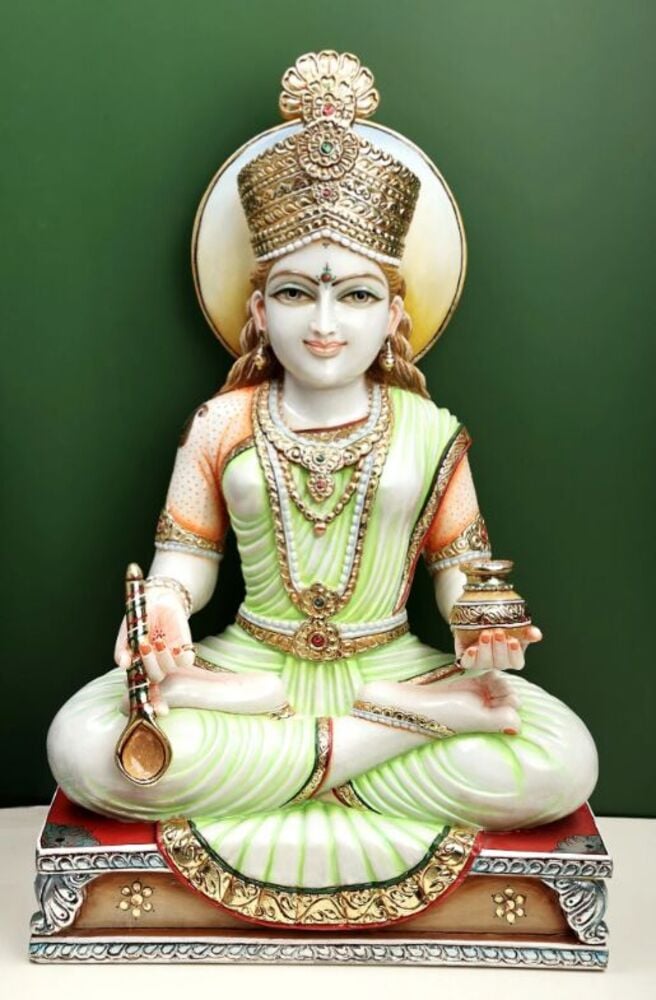
She is depicted as a young, beautiful woman with a bright face.
She typically possesses four hands and has a third eye on her
forehead. She is often portrayed seated on a royal throne,
bedecked with jewels, and wearing a crown with a crescent moon
on her head.
What is Annapurna the goddess of?
The Vedic scriptures mention Goddess Annapurna as the Goddess of
food and nourishment. She is a special form of Parvati who
promised to take care of all living entities on earth by
providing them with sufficient food. Food is necessary for our
growth and development. If you look at the iconography of
Goddess Annapurna, you will find her holding a pot filled with
porridge in one of her hands. Without food, we will not be able
to maintain our bodies, that act like a vehicle to the path of
Godhead (the ultimate goal of human life). The Annapurna
Upanishad also mentions Goddess Annapurna to be the source of
all wisdom. Therefore, being merciful upon all souls, Goddess
Annapurna not only offers nourishment to the body but also
enlightens us to take the shelter of the Supreme Lord Vishnu.
Are Annapurna and Parvati the same?
Yes, Devi Annapurna and Devi Parvati are non-different from each
other. There comes a story in the Vedic literature that
describes how Goddess Parvati took the form of Annapurna to show
her consort Lord Shiva her importance and how the world would
not survive without her offering of food. It is believed that
the Kashi Vishwanath Temple in Varanasi was built by Lord Shiva
in her honor.
What are the benefits of keeping the Annapurna deity at home?
Worshiping Goddess Annapurna is very auspicious both materially
and spiritually. She is extremely kind and compassionate to all
living beings. It is said that if you worship the deity of
Annapurna Devi at home with devotion and sincerity, she will
make sure that your home never goes out of grains. She bestows
good fortune and prosperity on her worshipers and also gives
them spiritual credits by which they can come closer to the
Supreme Lord Vishnu. Thus, when we pray to Goddess Annapurna
with purity, she takes care of our spiritual and material needs.