See It In Your Home
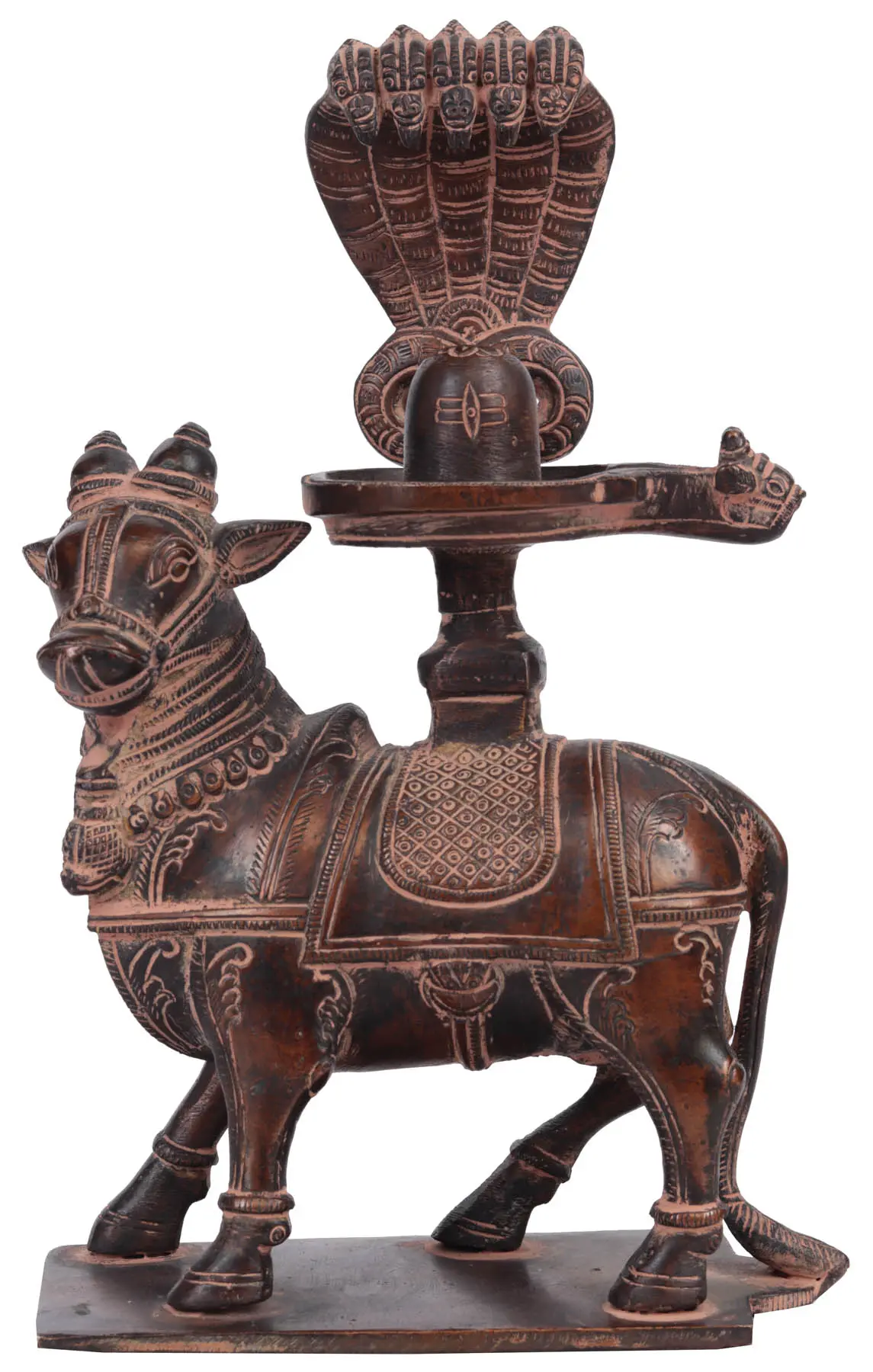
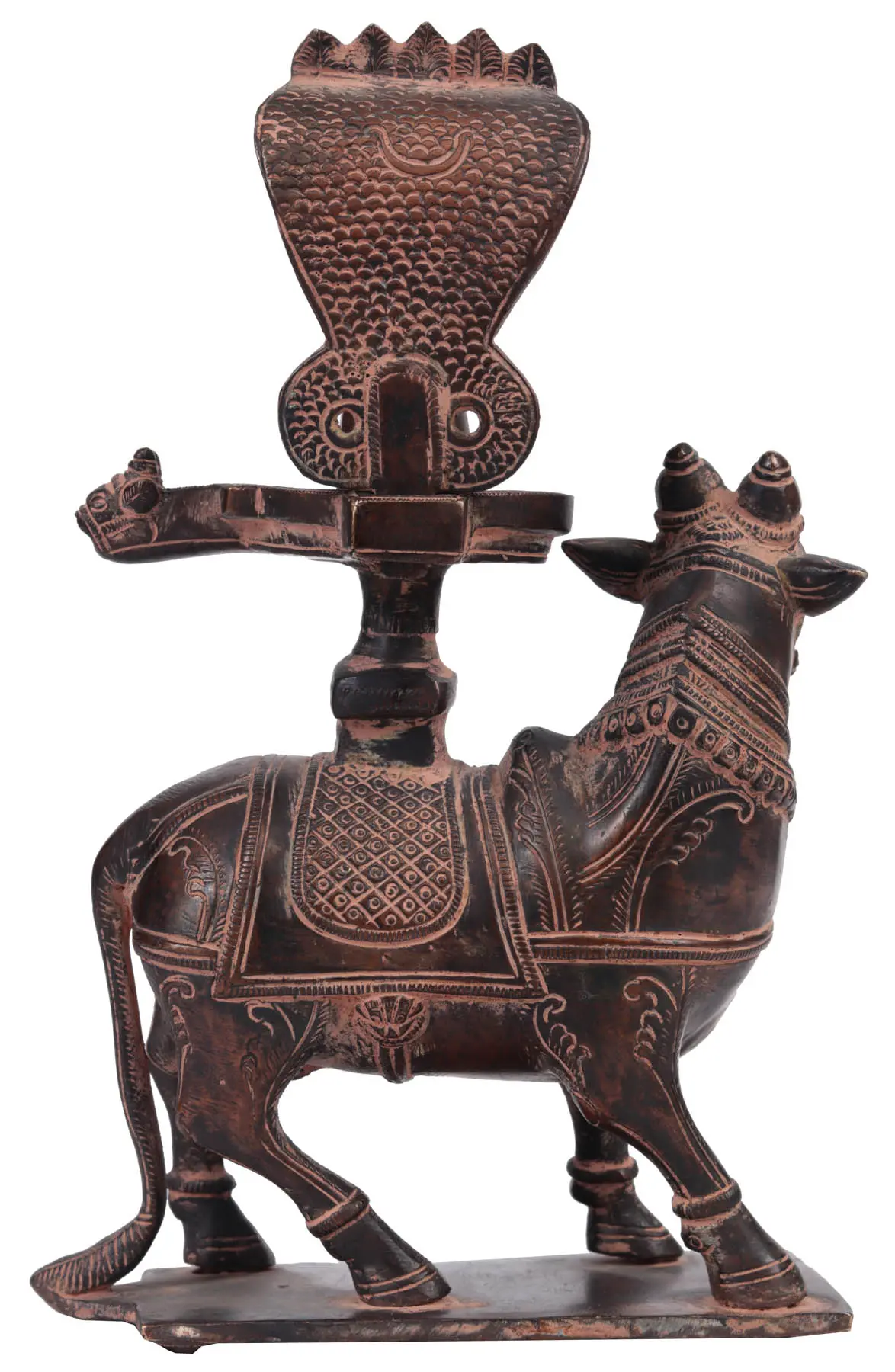
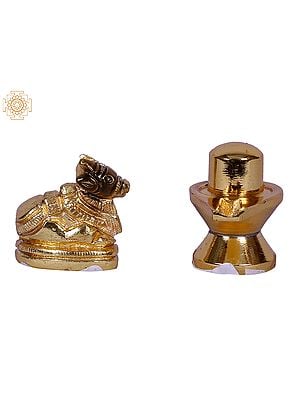
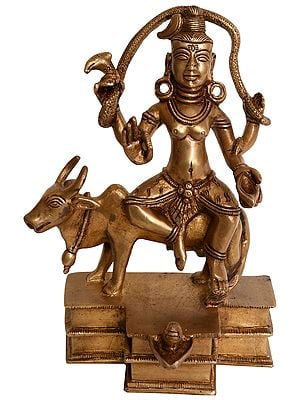
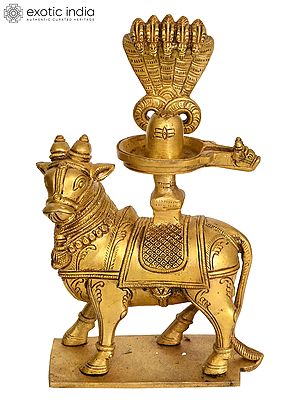
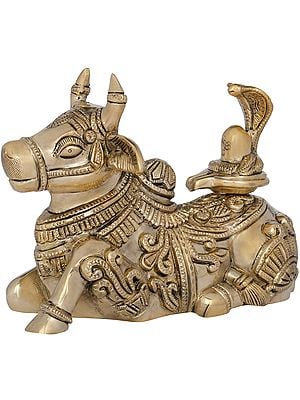
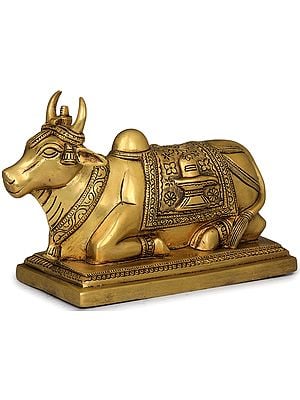
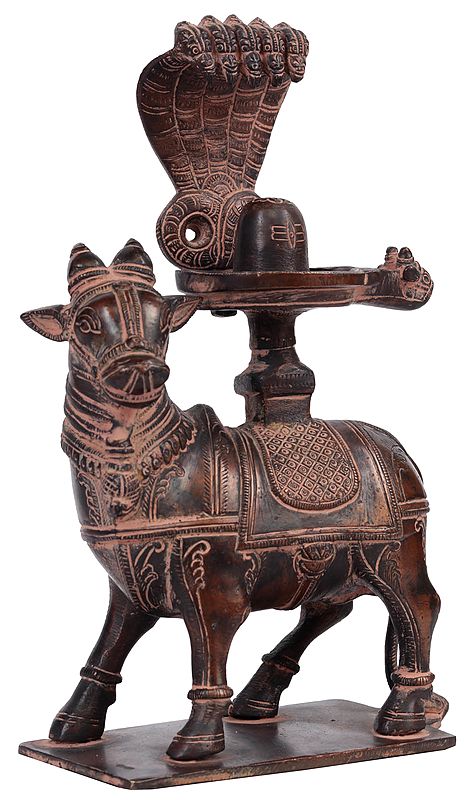
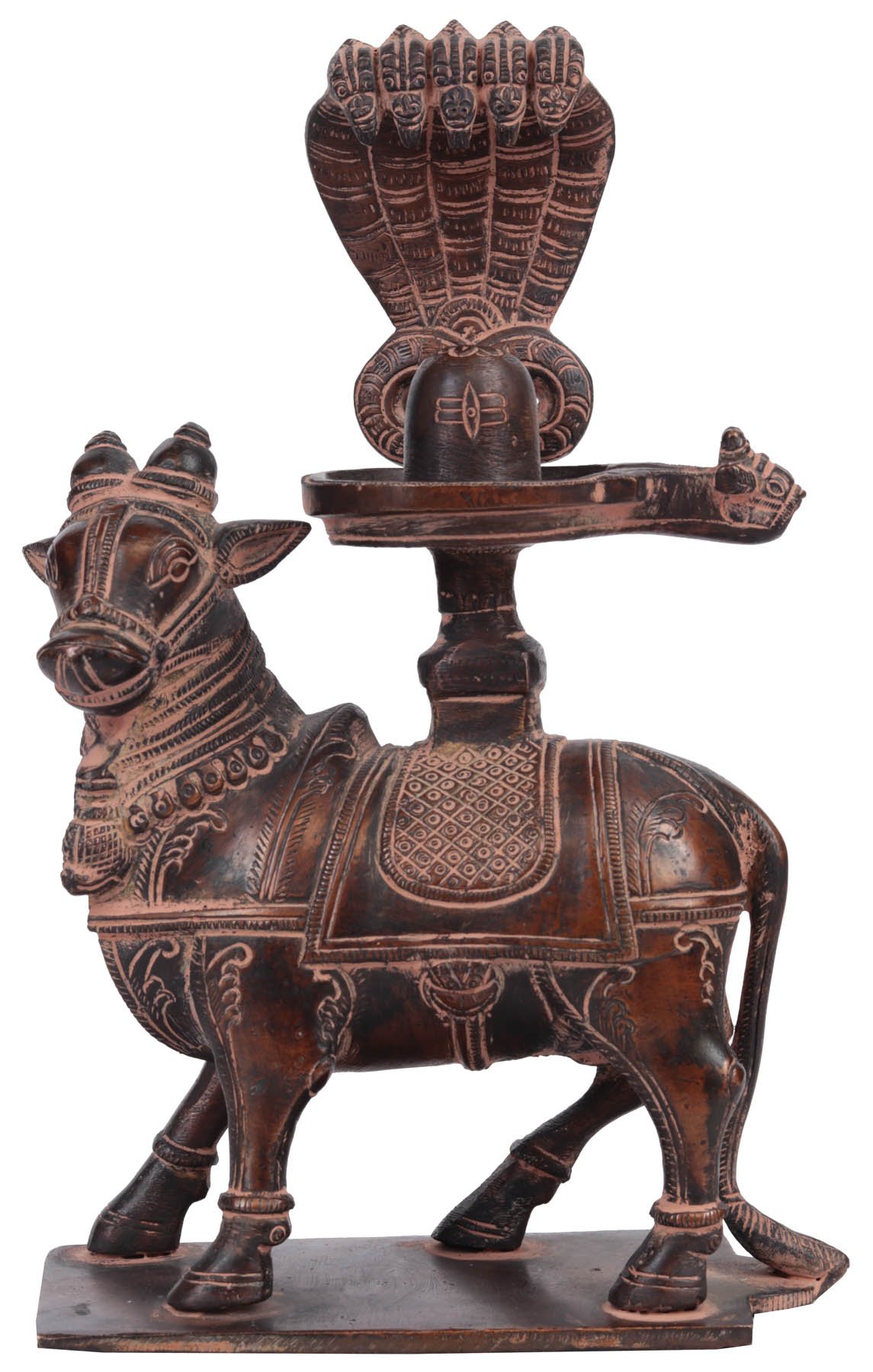
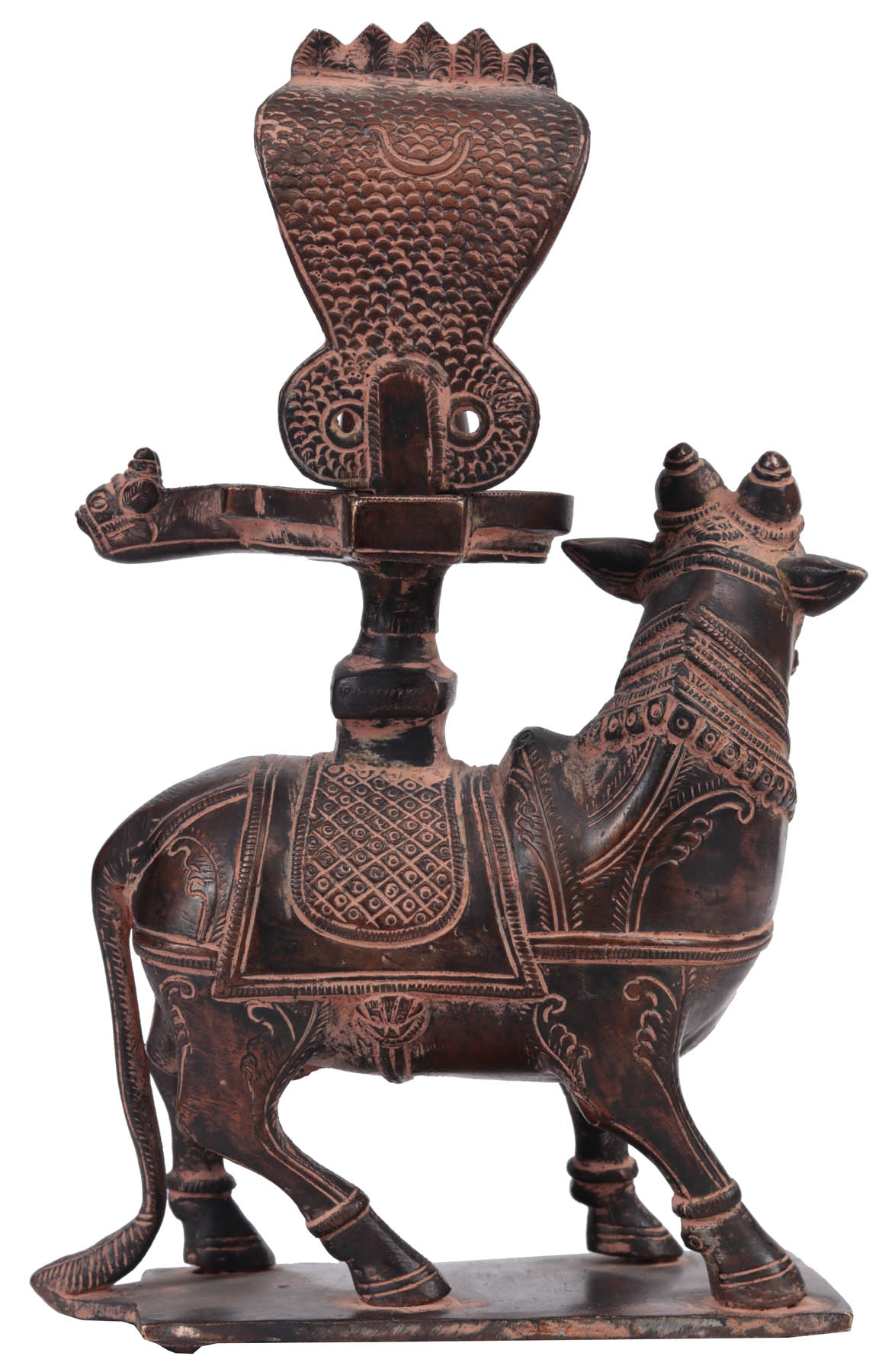
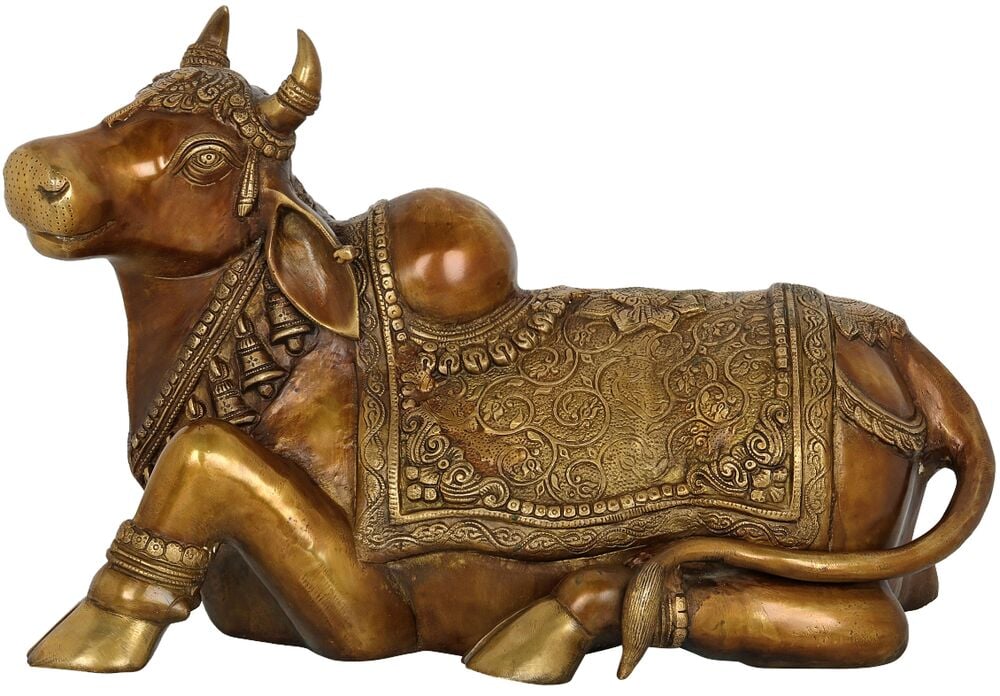
Nandi is Lord Shiva's trusty vahana. A mighty bull, wisdom personified, and with the ability to traverse all three realms of existence, Nandi is depicted with the sacred Shivalinga on His back. Sculpted from brass and given a coppery-coloured finish, this statue would make for a distinctively Oriental addition to your space.
The Devotion of Nandi
This exquisite brass statue captures the profound devotion of Nandi, the sacred bull, to Lord Shiva. Nandi, often depicted as a majestic, white bull, is the vahana (vehicle) and chief Gana (attendant) of Lord Shiva. His unwavering loyalty and steadfast presence symbolize dharma, righteousness, and the ultimate surrender to the divine. In Hindu mythology, Nandi is the gatekeeper of Shiva's abode, Kailasa, and is said to grant passage only to those with pure hearts and true devotion. Possessing this statue is an invitation to invoke these qualities in your own life, fostering a deeper connection to spiritual principles.Embodiment of Auspiciousness
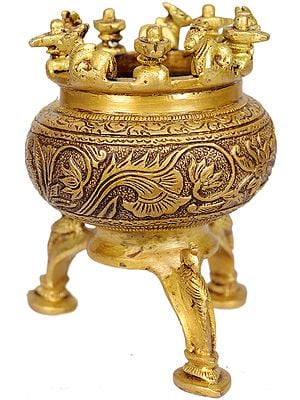
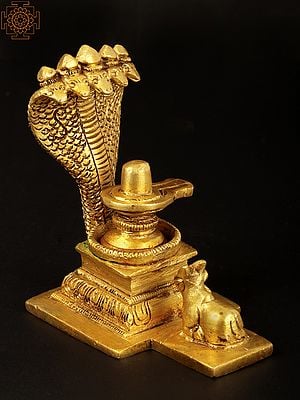
At the heart of this divine composition stands the Shiva Linga, the aniconic representation of Lord Shiva. The Linga is revered as the formless, transcendental reality, the source of all creation and the ultimate dissolution. It is worshipped for its inherent auspiciousness and its power to bestow blessings, remove obstacles, and foster spiritual growth. The multi-headed Naga (serpent) coiled around the Linga represents cosmic energy and protection. The Naga, particularly Shesha, the king of serpents, is eternally associated with Lord Vishnu, and in this context, it signifies the cosmic serpent that supports the universe and the divine consciousness. The presence of the Naga signifies the protective embrace of the divine, safeguarding the devotee and the sacred space.A Ritual for Purity and Grace
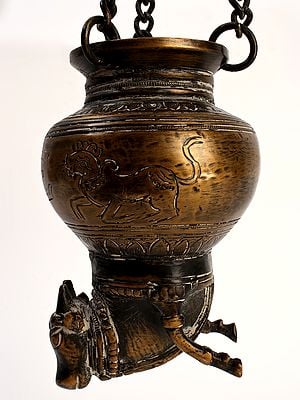
This statue is specifically designed for Abhisheka, the ritualistic pouring of sacred liquids onto a deity or idol. The purpose of Abhisheka is to purify, sanctify, and invoke divine grace. Typically, offerings like water, milk, yogurt, honey, ghee, or even sacred river waters are poured over the Shiva Linga. This act is believed to cleanse the devotee of sins, bestow good fortune, and deepen their spiritual awareness. The intricate detailing of Nandi, adorned with traditional Indian embellishments, speaks to the artistry and reverence with which this piece has been handcrafted. The rich brass material further enhances its divine aura, lending it a timeless and sacred quality. This statue serves as a powerful focal point for your daily prayers and rituals, transforming your sacred space into a sanctuary of devotion and peace.
Nandi: The Symbolic Representation of Strength and Devotion in
Hindu Mythology
Nandi is the guardian deity of Kailash, the abode of Lord Shiva.
The statue of Nandi, the Bull, is generally seen in a sitting
posture on a raised platform with discipline and calmness at the
entrance of the temple of Lord Shiva as the guard or doorman. He
patiently waits for the Lord while gazing at the sanctum,
demonstrating that individual souls should always be focused and
surrendered to the Supreme Lord in all circumstances, without
having any material desires. He symbolizes loyalty, truth, and
righteousness, thus, preserving Dharma. Watchfulness and
virility are the most important qualities of the Bull, that make
him the perfect vaahan for Lord Shiva, the destroyer of the
material world, to ride. The alertness of Nandi tells us the
importance of being in the present moment (mindfulness). He is
the head of all the attendants (Ganas) of Lord Shiva and is also
considered to be the guardian of four-legged animals.
Having a round body, a hump appearing as a huge mountain, and
heavy shoulders signify his strength and capacity to bear a
heavy load. Being very dear to the Lord, the divine Bull is
always decked with fascinating ornaments on his back, neck, and
sharp horns.
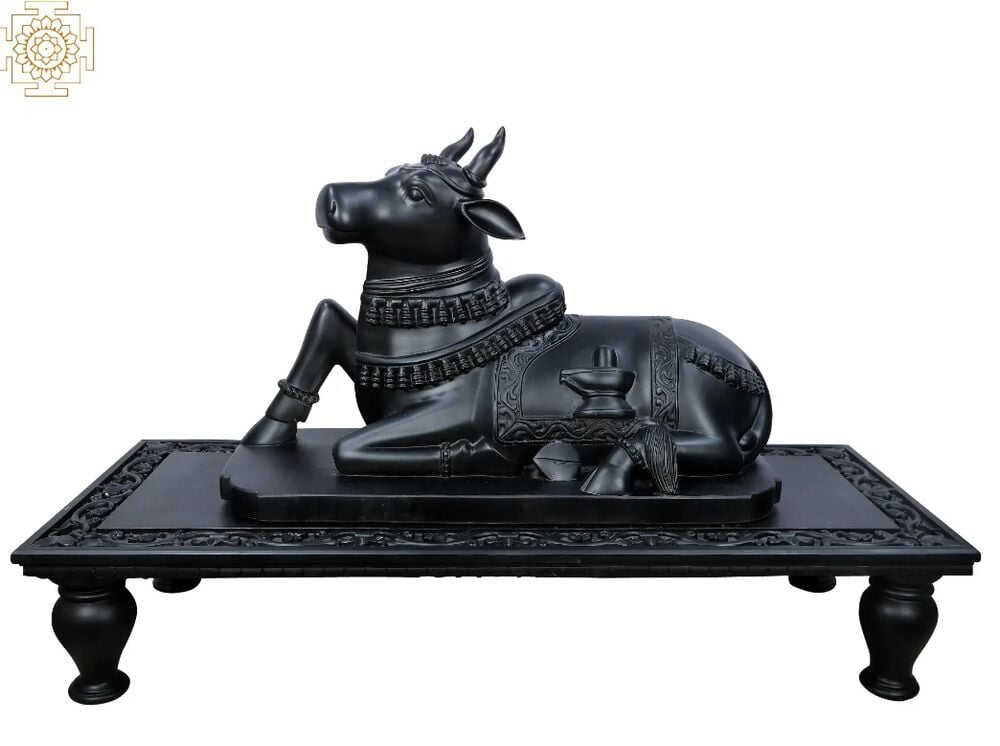
What is the significance of Nandi?
Nandi is the chief of 18 Siddhas and is considered the granter
of boons to the devotees, and also symbolizes justice, faith,
and purity. His mind completely absorbed in the service of
Mahadeva depicts that he is the timeless wisdom and the path to
the Absolute Truth, which means the Guru within. Without the
mercy of the Guru, one cannot receive the grace of the Supreme
Lord. Since Nandi is the eternal servant of Lord Shiva, one who
tries to come closer to Lord Shiva and take his shelter, he
should approach him by pleasing Nandi first.
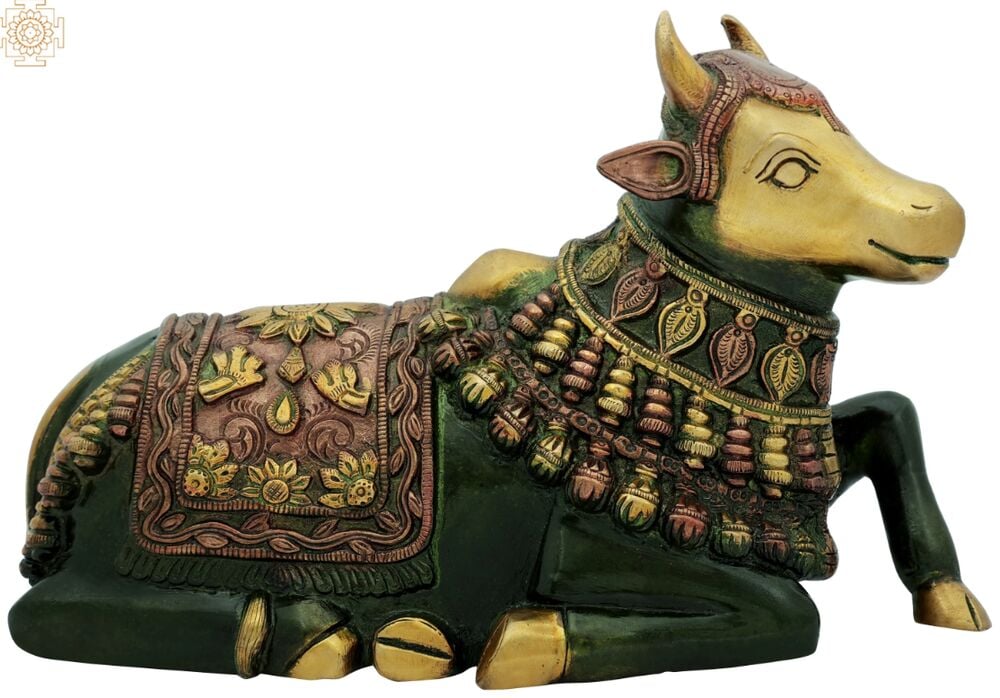
Why does Nandi sit in front of Shivling?
Nandi is always depicted sitting outside the sanctum of Lord
Shiva, facing the Lord. He patiently waits for his master
outside the temple as if ready to serve the Lord whenever he
wants his service. This shows how Nandi always remains absorbed
in the thoughts of Lord Shiva and is eager to please his master.
A practicing devotee can learn from the attitude of Nandi that
the only qualification needed to please the Supreme Lord is his
sincerity and dedication to serve Him in all circumstances.
Is it good to keep Nandi statue at home?
Lord Shiva is very dear to Nandi and similarly, Nandi is very
dear to Lord Shiva. Keeping the statue of Nandi at your home
altar means attracting the mercy of Lord Shiva in your life. It
will bring all fortune and auspiciousness. However, keeping the
statue of Nandi alone may not fulfill the ultimate purpose.
Nandi, being an ardent devotee of Lord Shiva, does not like to
stay in a place where there is no worship of the lord. Thus, if
you want to please Nandi, you should keep his statue along with
the deity of Lord Shiva (Nandi gazing at the lord).
How to keep a Brass statue well-maintained?
Brass statues are known and appreciated for their exquisite beauty and luster. The brilliant bright gold appearance of Brass makes it appropriate for casting aesthetic statues and sculptures. Brass is a metal alloy composed mainly of copper and zinc. This chemical composition makes brass a highly durable and corrosion-resistant material. Due to these properties, Brass statues and sculptures can be kept both indoors as well as outdoors. They also last for many decades without losing all their natural shine.
Brass statues can withstand even harsh weather conditions very well due to their corrosion-resistance properties. However, maintaining the luster and natural beauty of brass statues is essential if you want to prolong their life and appearance.
- The best and simplest way to maintain a brass statue is to clean it at least twice a week using a soft cloth or cotton rag. This will prevent dust from accumulating on the surface. Dusting is especially important for outdoor statues since it is prone to dust accumulation much more than indoors.
- To give a natural shine and luster to the statue, you may apply coconut or olive oil using cotton on every portion. You can use a toothbrush to get to the small crevices but do not be too harsh. This will make the brass statue appear fresh and new with a polished look.
In case you have a colored brass statue, you may apply mustard oil using a soft brush or clean cloth on the brass portion while for the colored portion of the statue, you may use coconut oil with a cotton cloth.
Brass idols of Hindu Gods and Goddesses are especially known for their intricate and detailed work of art. Nepalese sculptures are famous for small brass idols portraying Buddhist deities. These sculptures are beautified with gold gilding and inlay of precious or semi-precious stones. Religious brass statues can be kept at home altars. You can keep a decorative brass statue in your garden or roof to embellish the area and fill it with divinity.