

| Specifications |
 |
Publisher: Shri Lal Bahadur Shastri Rashtriya Sanskrit Vidyapeetha |
| Author Mohan Gupta | |
| Language: English | |
| Pages: 383 (With B/W Illustrations) | |
| Cover: HARDCOVER | |
 |
9x6 inch |
 |
Weight 640 gm |
| Edition: 2025 | |
| ISBN: 9788198642455 | |
 |
HBV857 |
| Delivery and Return Policies |
 |
Ships in 1-3 days |
 |
Returns and Exchanges accepted within 7 days |
 |
Free Delivery |


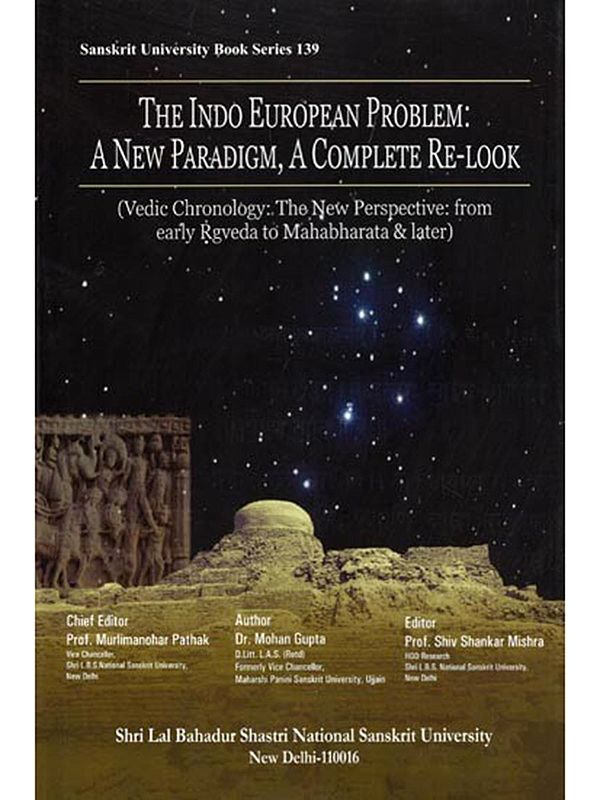
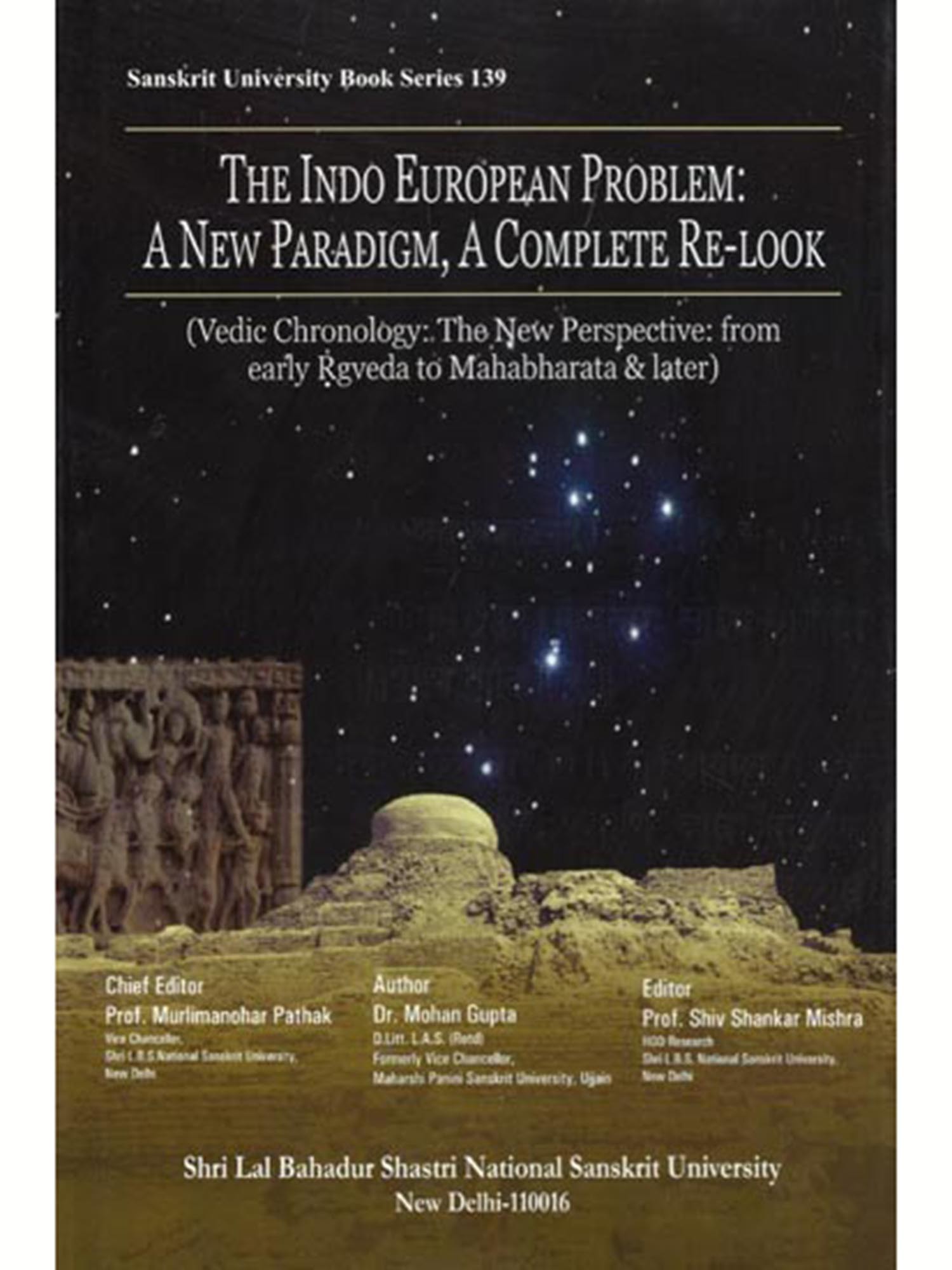
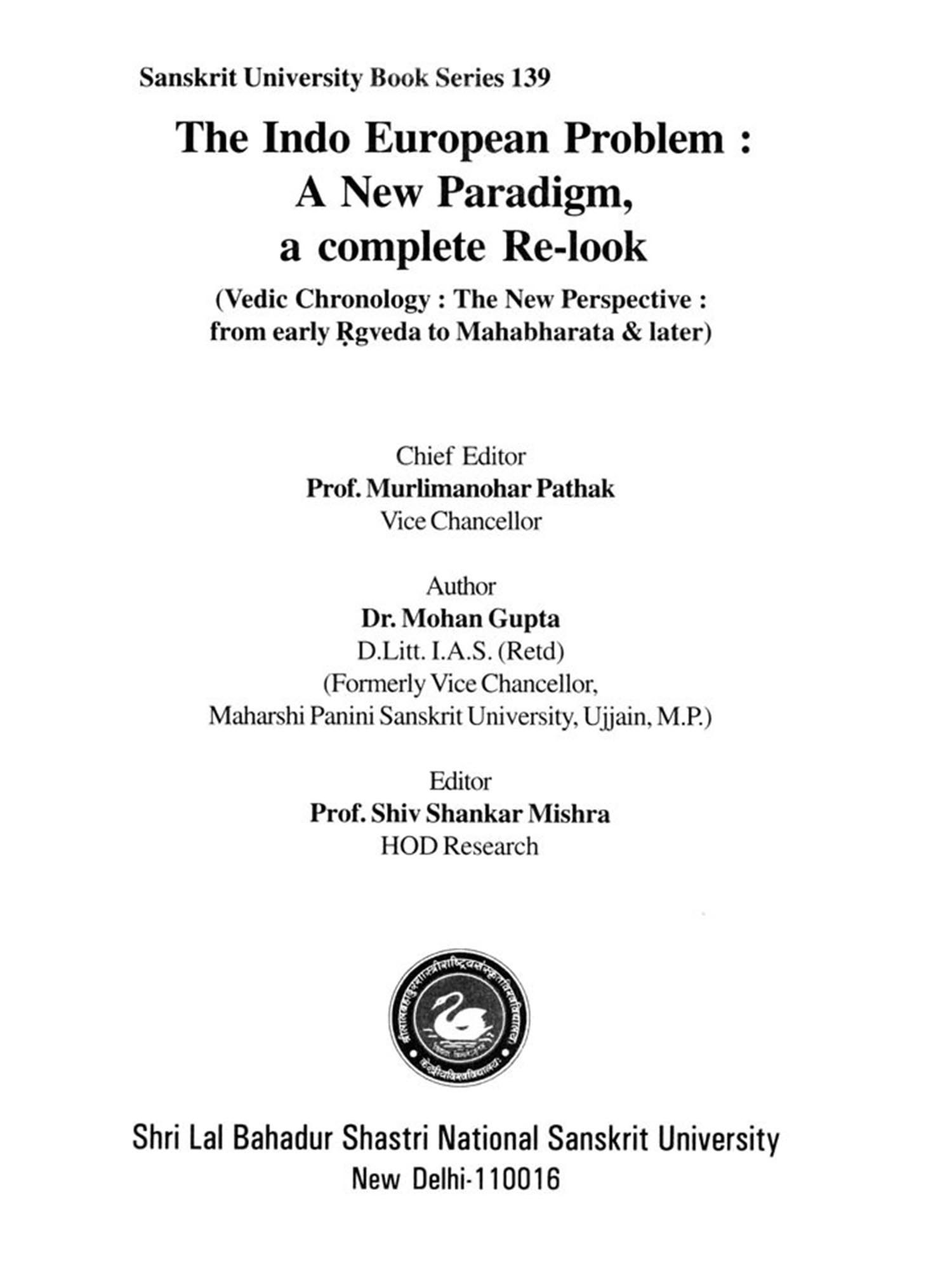
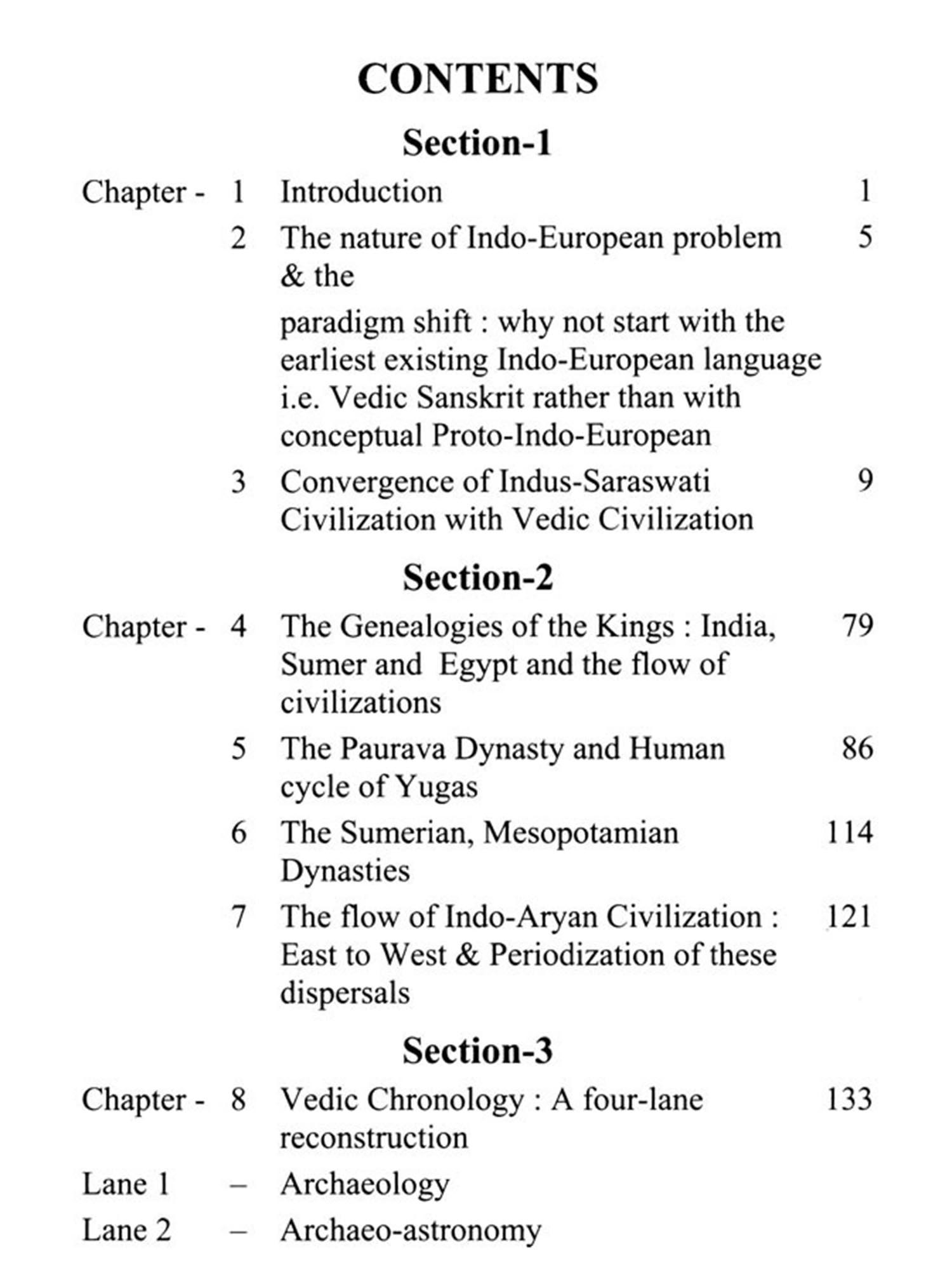
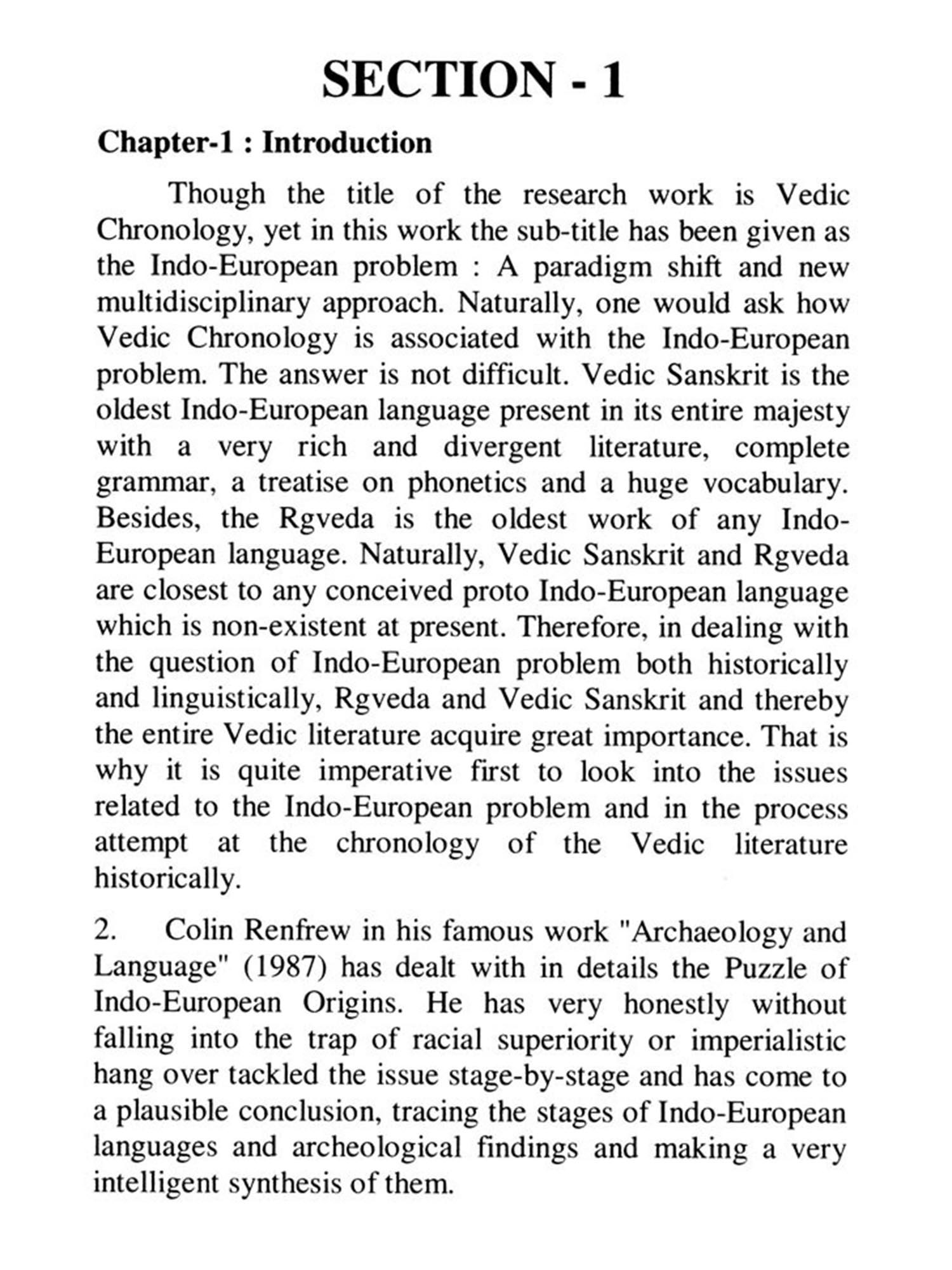
Clash of Civilizations has been a mark of recent centuries. On one hand, the encounter of the East with West opened new vistas of cultural, social and linguistic studies; on the other, it created a plethora of misconstrued notions. With the advent of modern age, Oriental learning assumed new dimensions. The language and cultures of the people of the East were taken up by Western scholars under a Euro-centric discourse.
It is true that Oriental Learning as pursued by the Western scholars provided fresh insights during the eighteenth and the nineteenth centuries, but it is also true that the Western scholars were influenced by wrong notions, prejudices and narrow range of ethical, religious and moral considerations. Biblical Universe was always in the minds of great savants like William Jones, Max Muller and others.
The line of investigation adopted by early Indologists on the History of Sanskrit literature tended to create compartmentalization and dichotomy in a holistic tradition.
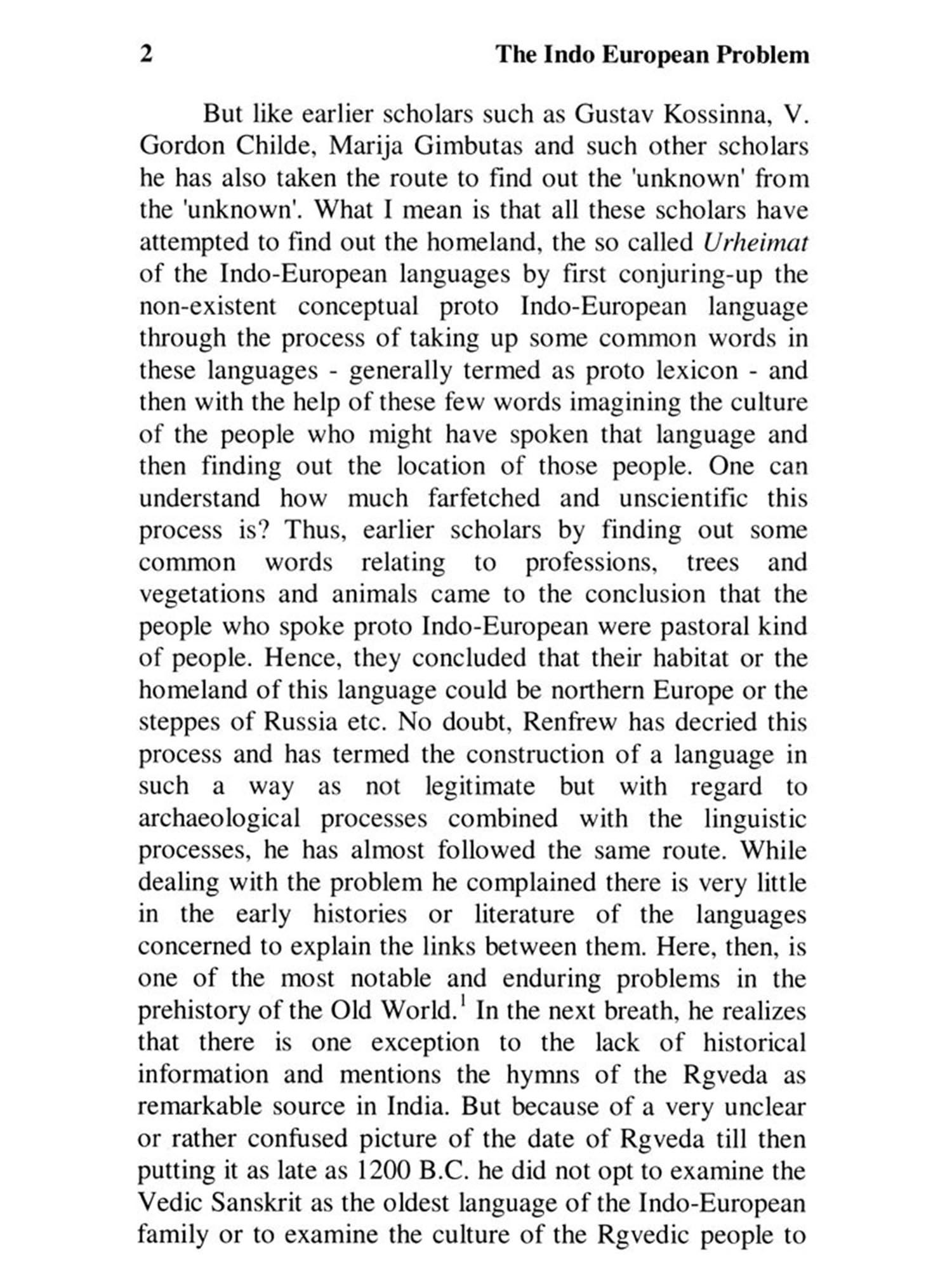
Max Moller proposed the division of Vedic literature into four categories - Samhita, Brahmana, Aranyaka and Upanisad, these also formed four successive ages of historical evolution of Vedic literature for him. With this sweeping generalization and over-simplified design, he tried to determine the chronology of the Rgveda and other Vedic texts fixing the period of the composition of Rgveda around 1200 BC. He was aware of the absurdity of the whole exercise also, and later on opined that the Vedic literature may be even older; and then he declared that no power on earth can determine how old Rgveda is. However, the distorted picture of of Vedic chronology as given by Max Möller earlier continued to be cited in the later works. Traditional view of Veda as a text comprised of Mantra and Brähmana jointly (matra-brahmanayor vedanamadheyaii) whereas some of the well-known Upanisads are in fact parts or section of different Brahmana texts, and some of the Brahmana-texts inseperably linked with the Vedic samhitas. Thus the famous İsavasyopanisad is a part of Yajurveda, and Aitareya Upanisad comes in Aitareya Brahmana.
Even Basham, the author of 'The wonder That was India' finds Rgveda as "the result of an imperfect syncretism of many tribal beliefs and cults". He sees a refrain in the question "Kasmai devaya havisa vidhema" (whom then shall we honour with our oblations? (Basham:238).
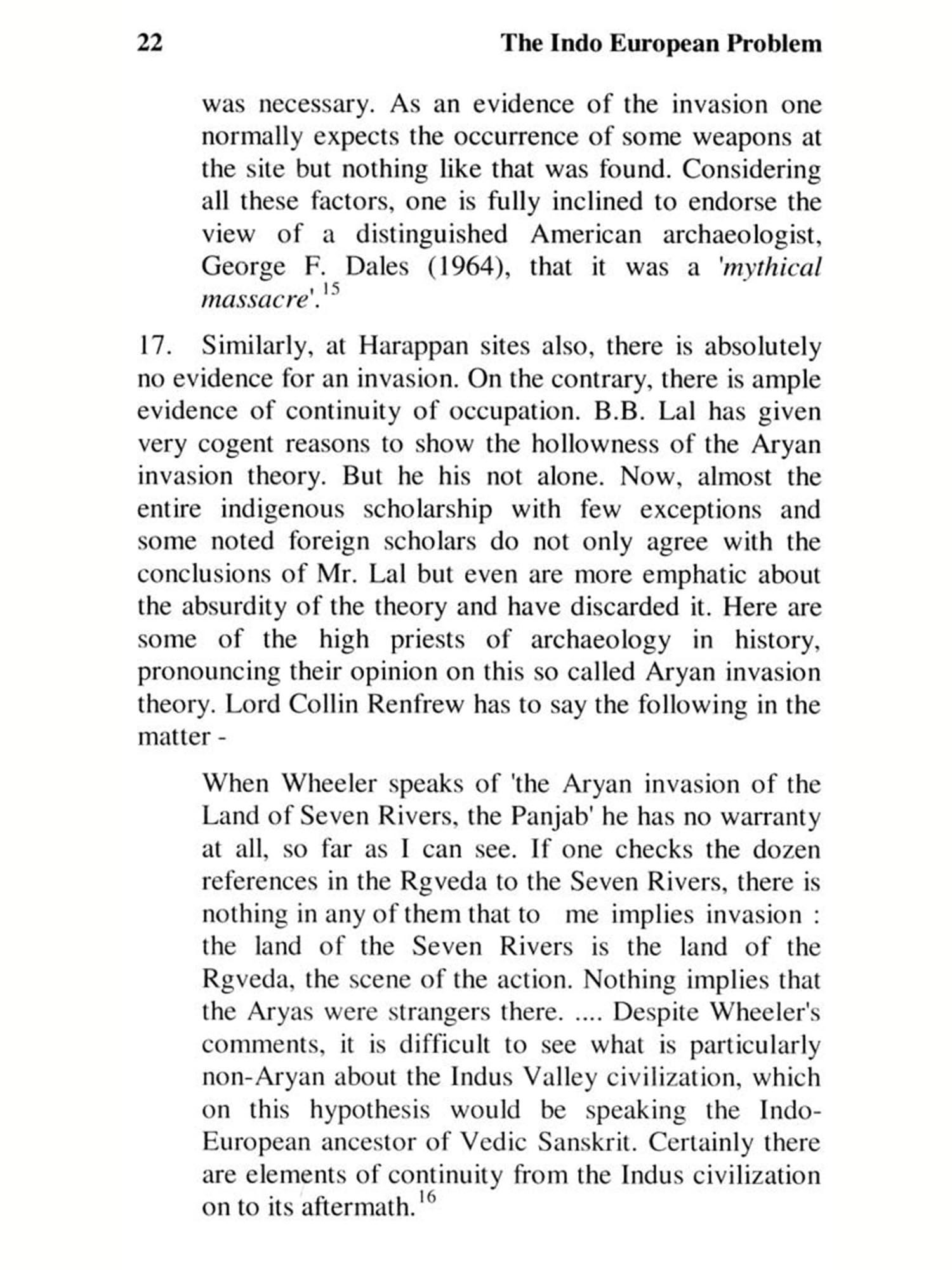
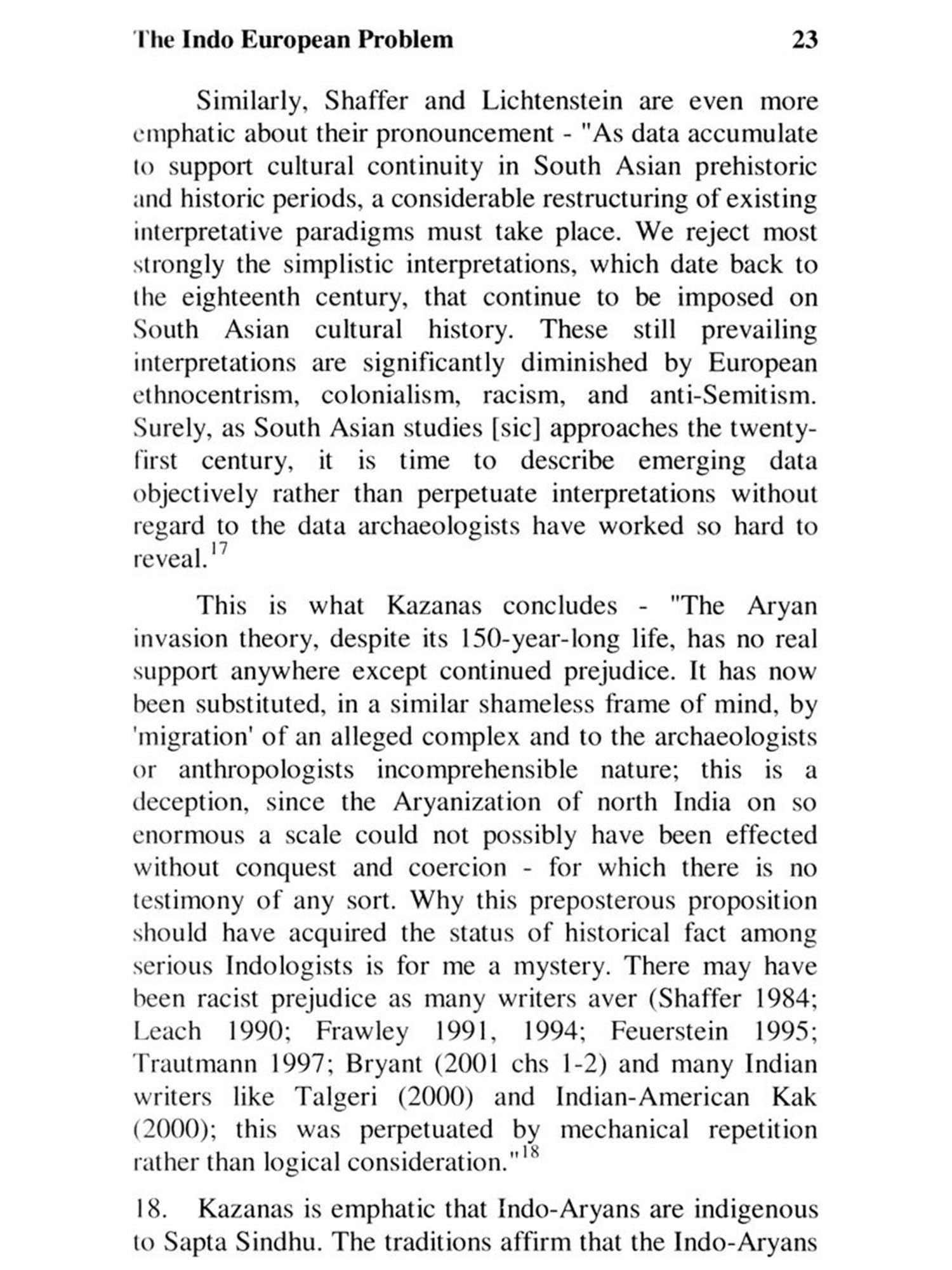
The European Indologists and Orientalists created the myths of Aryan invasion, together with a prejudice for the superiority of Aryan race and biblical notion of language. Bloomfied in his Language reiterated that the Indo-Aryan language was brought in India by a migrant group, which sought to establish its sovereignty and to uproot the Dravidian language.
The proclamations of many of the western researchers were vitiated by the linguistic hegemony and malignant colonial biases, so that their treatment of languages is now called as 'Biblical Orientalism' by some critics. The East India Company also created a discourse under Oriental studies with a colonial bias. This has been termed as the 'Company Orientalism' by some critics.
On the other hand, the possibility of practicing Oriental Learning without the evils of 'Orientalism', continued to be realized in India by the pundits and indigenous scholars. There was a reversal of the process of viewing the Orient as 'other' by the Occident.
Bal Gangadhar Tilak (1856-1920) singularly known as Lokamanya' (a man honored by the people) has been a renowned scholar, great political figure and a national hero. By his exegetical method, he joins the ranks of great Bhasyakaras like Sankara and Ramanuja; and as a researcher, he challenges Western scholars. Despite his involvement in national movement for freedom and being jailed for longed periods, Tilak cast an indelible mark on Indological studies through his publications The Orion or Researches into the antiquity of Vedas (1893), The Arctic Home in the Vedas (1903), Chaldean and Indian Vedas (1917) as well as Vedic Chronology and Vedanga Jyotisa.
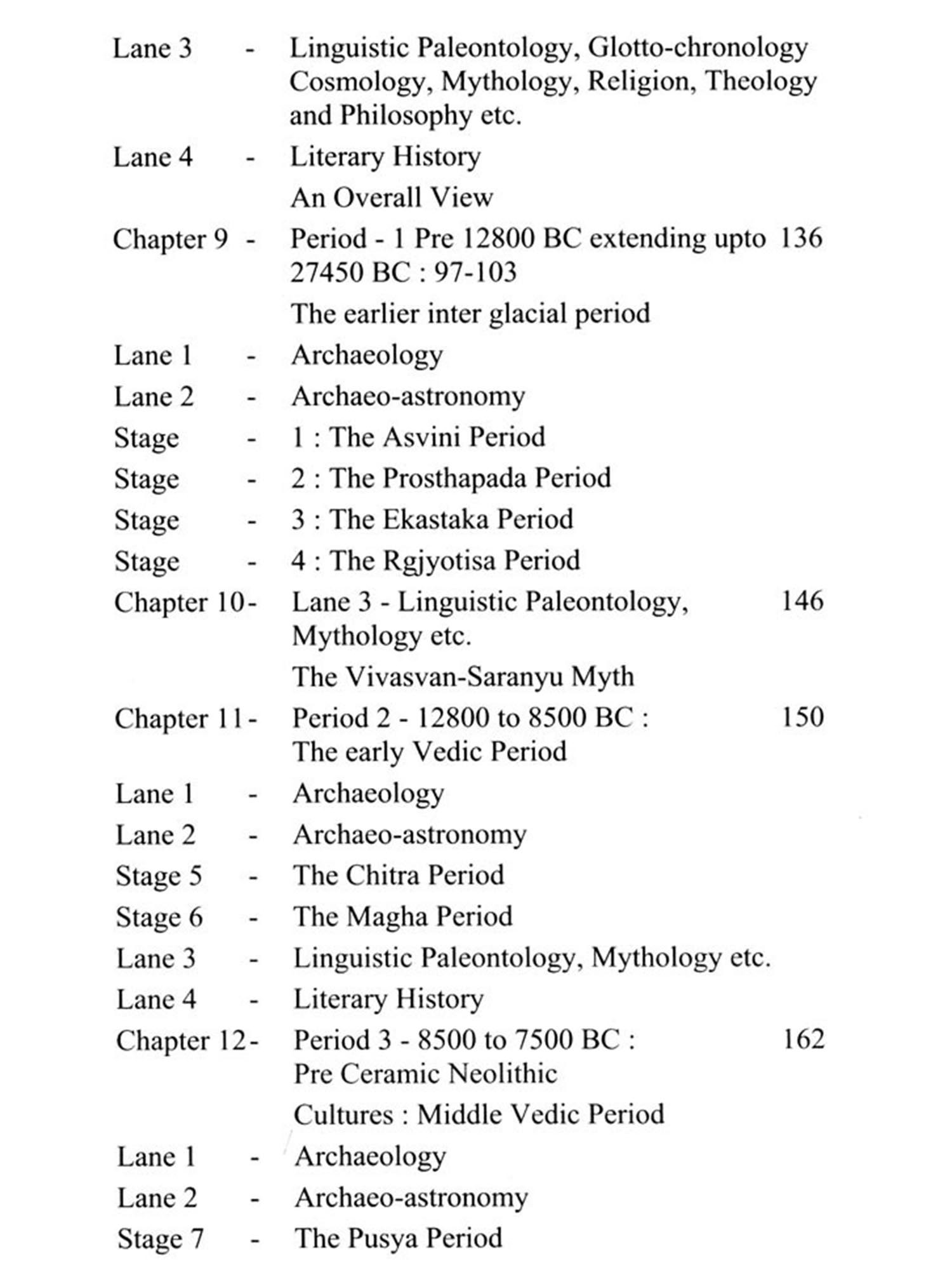
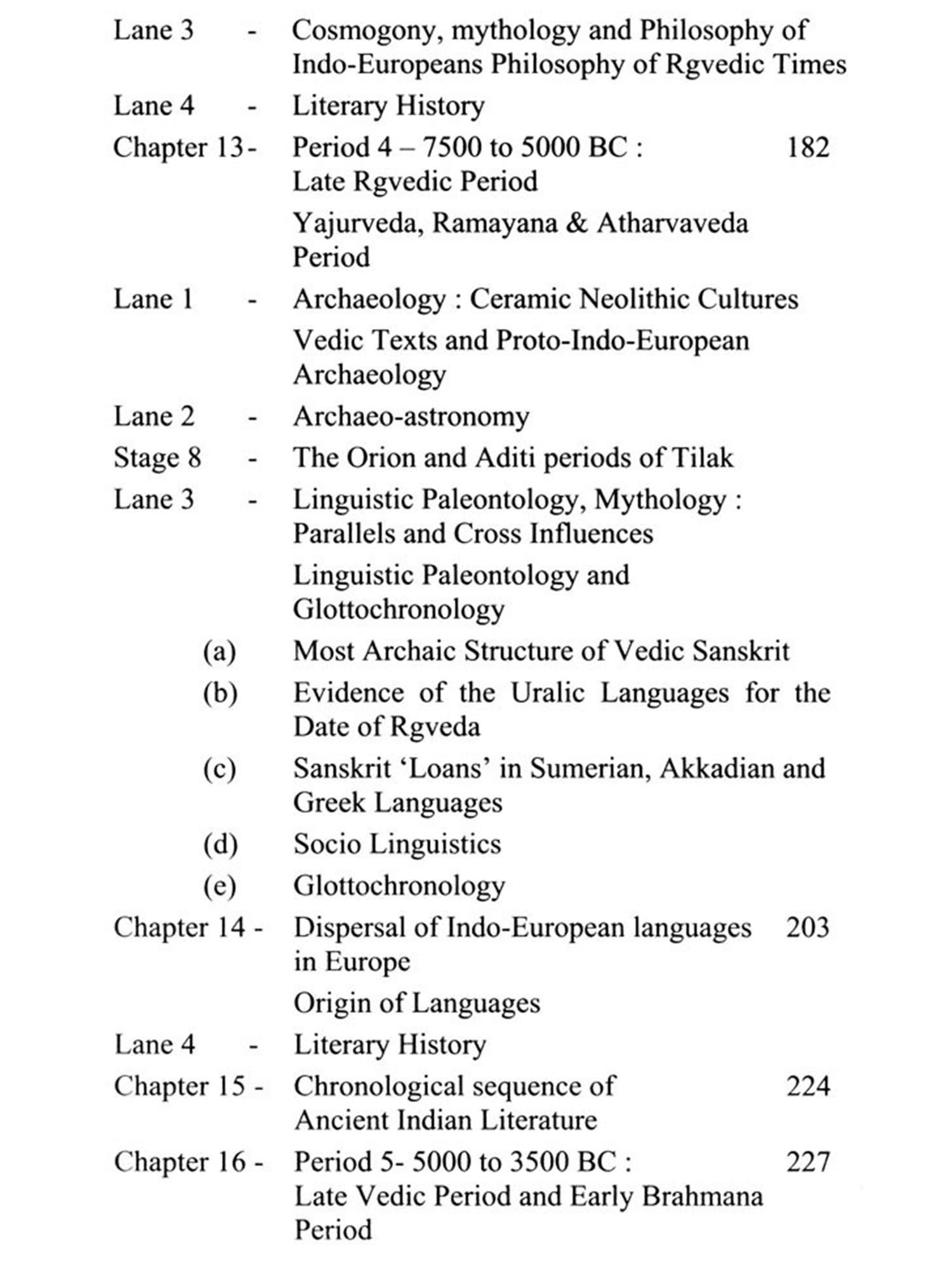
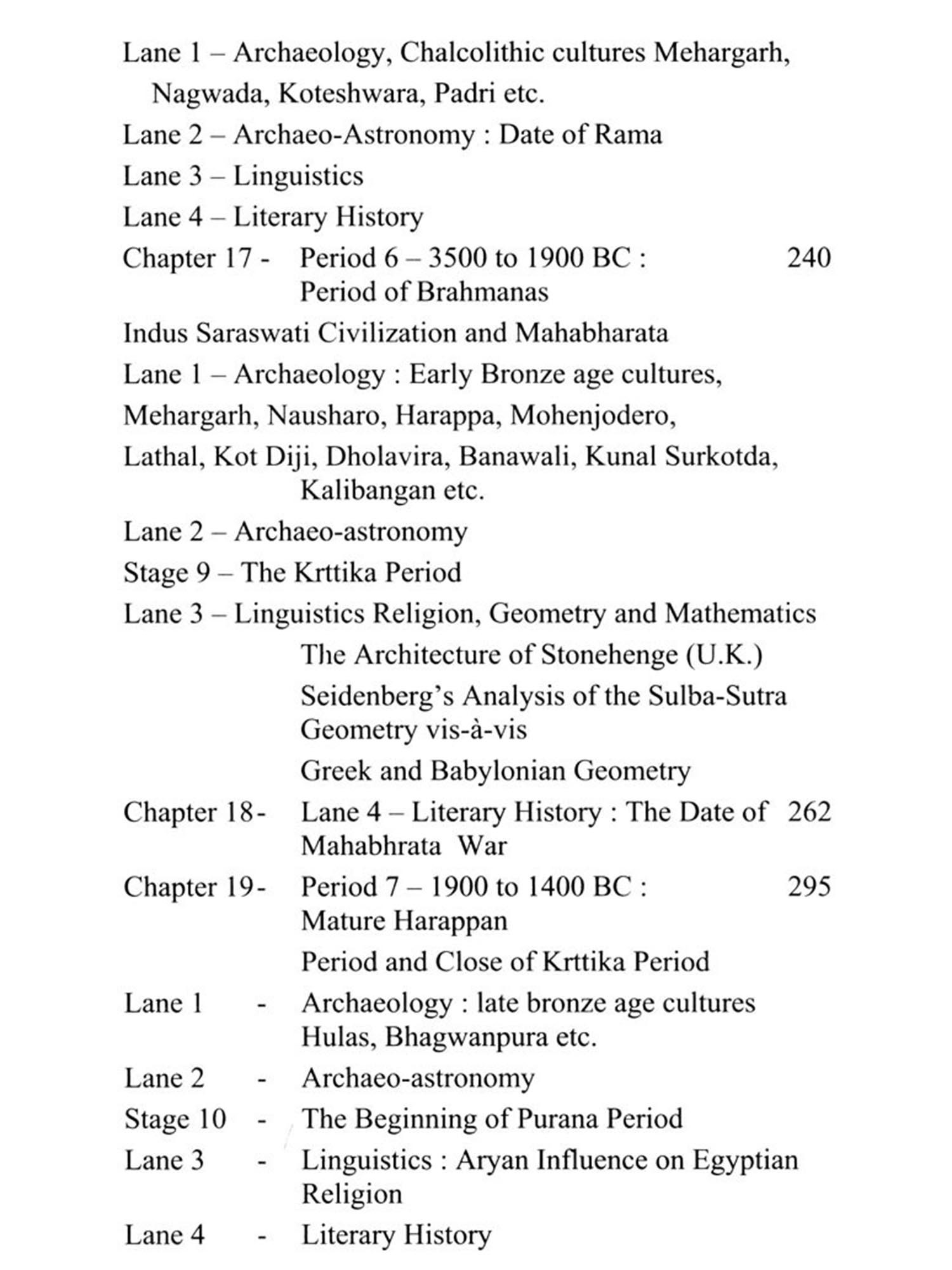
Taking cue from the proclamation of Krsna in Gita proclaiming himself as the Magasirsa month amongst the months of calendar, Tilaka makes an inquiry into the nature of Vedic calendar and builds up his theory of the antiquity of Rgveda in his The Orion or Researches into the antiquity of Vedas. Accordingly, references from Rgveda point out that this Veda cannot be later than 4000 B.C. He also adjusted the oldest period of Aryan civilization roughly between 6000 BC to 4000 BC. He named it as the Aditi period. The next period falling between 4000 BC to 2500 BC was adjusted as the Orion period. The third period is Krttika period extending from 2500 BC to 1400 BC. All the samhitas had been completed during this period.
In his The Arctic Home in the Vedas, Tilak provides references from Rgveda and Avesta to prove that Vedic poets were acquainted with the climatic conditions as prevailing in the arctic region. Tilak could correctly interpret some very abstruse passages from Vedanga Jyotisa also.

Send as free online greeting card