
BOOKS ON VASTU SHASTRA
Master Your Space with Vastu Shastra Books















Filter
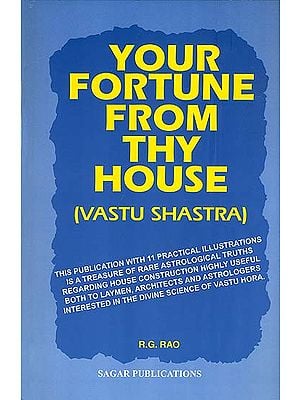
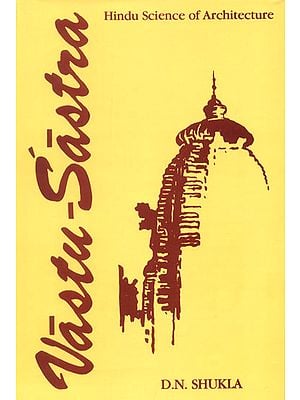
Books on Vastu Shastra
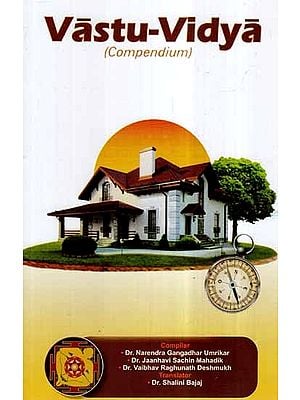
1.) Visvakarma-prakasa of Vasudeva – perhaps earlier than the Matsya Purana (q.v.).
2.) Mayamata – tenth century AD or earlier.
3.) Samarangana-sutradhara of Bhoja – eleventh century AD.
4.) Manasara – the extant version probably dates back to a period between the eleventh century and the fifteenth.
5.) Silparatna – attributed to Srikumara (sixteenth century AD).
6.) Vastu- ratnavali.
7.) Amsumadbheda – attributed to Kasyapa.
8.) Vastusutra-upanisad – attributed to Pippalada, it is the earliest known work on image-making. In six chapters, it deals with stones, compositional diagram, carving disposition of part of the image, the basic emotions connected with images, total composition of the image panel. The metaphysical question of the origin of form and its importance for the attainment of moksa is the central idea.
FAQs
Q1. Which book contains details of vastu shastra?
Some books with chapters on
Vaastu Shastra include
☛ Varahamihira's Brihat Samhita dated to about the sixth
century CE is among the earliest known Indian texts with dedicated chapters
with principles of architecture. For example, (Chapters 53-58) of the Brihat
Samhita is titled "On architecture", and there and elsewhere it discusses
elements of Vastu sastra such as "planning cities and buildings" and
"house structures, orientation, stories, building balconies" along
with other topics.
☛ Mayamata : Mamuni Mayan is a
character in Tamil mythology. The character is regarded to be the mythical
founder of the Vastu Shastra.
☛ Aparajita Vāstu Śastra : The Aparajita Parichha is a 12th-century Sanskrit
text of Bhuvanadeva with major sections on architecture and arts (Kala) including
Jain architecture and arts.
Q2. Is there any science behind vastu shastra?
Vastu Shastra is based on the concept of scientifically combining the five basic elements – earth, water, fire, air, and sky. Vastu principles integrated with architecture boost health, wealth, energy, and prosperity and make the living or working atmosphere serene and enlightened. Vastu Shastra has deeply embedded roots in Indian culture which is related to architectural guidance.
The logic of Vastu- architecture guidance, lies in the basic science of building homes in earlier times when there was no professional architect to tell where the room, roof, bathroom, etc should be. Vastu principles are scientific and include the position in the hemisphere, geographical location, climate, and availability of sunlight. IIT-Kharagpur has introduced Vastu shastra as a part of its architecture curriculum.
Q3. Is vastu mentioned in Vedas?
Vastu is a part of Vedas, which are believed to be four to five thousand years old. Vastu is a section or branch of Yajur Veda. There are four Vedas as per the sacred scriptures of Hindus, which are Rig Veda, Yajur Veda, Sama Veda, and Atharva Veda. A part of Yajur Veda is called Sthapatha Vidya, which means the art of building, which deals with the construction or design of the building.
According
to Vibhuti Chakrabarti, Vastu Vidya is as old as the Vedic period and is linked
to ritual architecture. According to Michael W. Meister, the Atharvaveda
contains verses with mystic cosmogony which provide a paradigm for cosmic
planning, but they did not represent architecture nor a developed practice.
Q4. What should we avoid as per vastu?
Avoid
☛ South-west
facing homes.
☛ The kitchen
should not be in the northeast direction.
☛ Avoid negative
pictures, paintings, and sculptures of animals and birds like pigs, snakes,
donkeys, eagles, owls, bats, vultures, pigeons, and crows.
☛ The constant
dripping of taps.
☛ Using the space
below the stairs as a toilet, store, or kitchen.
☛ The battle scene
of Ramayana and Mahabharata.
☛ Cactus or Thorny
Plants except for Rose.
☛ Pictures of a
tree without flowers or fruit, sinking ship or boat, socks, sword fight
picture, hunting pictures, the image of Indrajal (magic), captured elephants,
and pictures of sad and weeping people.
☛ The Taj Mahal
☛ Terrifying
demons and monsters
☛ Broken idols,
mirrors or glasses, and idols of Gods.
☛ Nataraja, The
image of Shiva as a cosmic dancer
Q5. What are the factors on which vastu is based?
Vastu
shastra (the science of architecture), a traditional Indian system of
architecture is based on
☛ The concept of
scientifically combining the five basic elements – earth, water, fire, air, and
sky – plays a significant role in Vastu.
☛ The direction of
the main entrance, windows, and doors.
☛ Space / Shape -
The shape of the building and its interior layout.
☛ Different colors
are believed to have different energy vibrations.
☛ The direction
and intensity of light.
☛ The shape and
slope of the land on which the building is built.
☛ The geographical
location of the building.
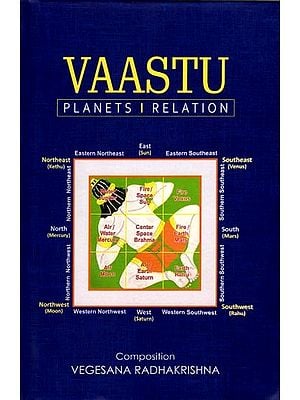
☛ Planetary
positions at the time of construction.
All
above have an impact on the flow of energy in a space/building.



- Exotic India Art Pvt Ltd
A16/1 WAZIRPUR INDUSTRIAL AREA
Delhi 110052
Delhi
India
Tel:+91-8031404444
- Exotic India
2573 Hamline Avenue N Suite A
Roseville, MN - 55113
United States of America
Phone: +1 347 468 7193
- 71/2 Kirti Nagar Main Road
WHS Block 2
Delhi 110015
India
Tel: +91 95991 00764


Visual Search
 Upload an Image


and exclusive offers!