पुराण शब्द ‘पुरा’ एवं ‘अण’ शब्दों की संधि से बना है, जिसका शाब्दिक अर्थ -‘पुराना’ अथवा ‘प्राचीन’ होता है । ‘पुरा’ शब्द का अर्थ है - अनागत एवं अतीत । ‘अण’ शब्द का अर्थ होता है - कहना या बतलाना अर्थात् जो पुरातन अथवा अतीत के तथ्यों, सिद्धांतों, शिक्षाओं, नीतियों, नियमों और घटनाओं का विवरण प्रस्तुत करे। सूर्य की किरणों की तरह पुराण को ज्ञान का स्रोत माना जाता है। जैसे सूर्य अपनी किरणों से अंधकार को हटाकर उजाला कर देता है, उसी प्रकार पुराण अपनी ज्ञानरूपी किरणों से मानव के मन का अंधकार दूर करके सत्य के प्रकाश का ज्ञान देते हैं। सनातनकाल से ही जगत् पुराणों की शिक्षाओं और नीतियों पर ही आधारित है।
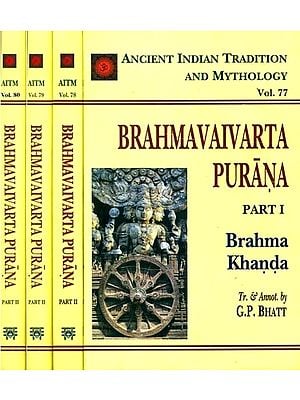
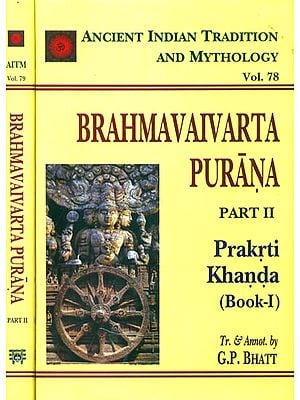
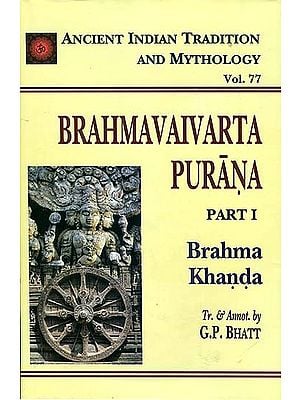
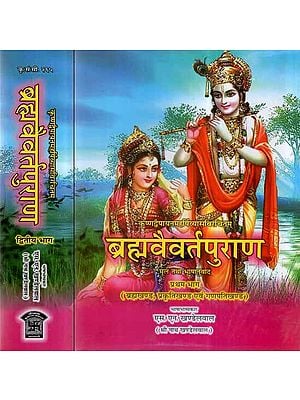
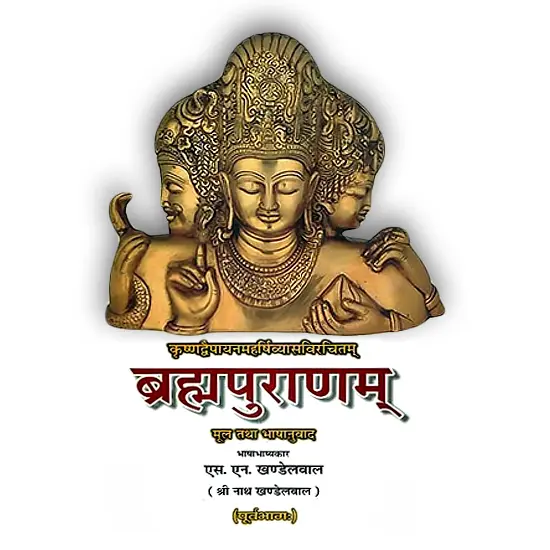
The Brahma Purana (Sanskrit: ब्रह्मपुराण; Brahma-Purana) is one of the eighteen major PURANAS of Vaishnavi Hindu texts. Brahma Purana is a text related to Lord Brahma who is equipped with Rajogun, therefore, this is also known as Rajas Purana.
• Balam Bhatta has refered it as Adi Purana (first Purana) in his commentary on the Mitakshara.
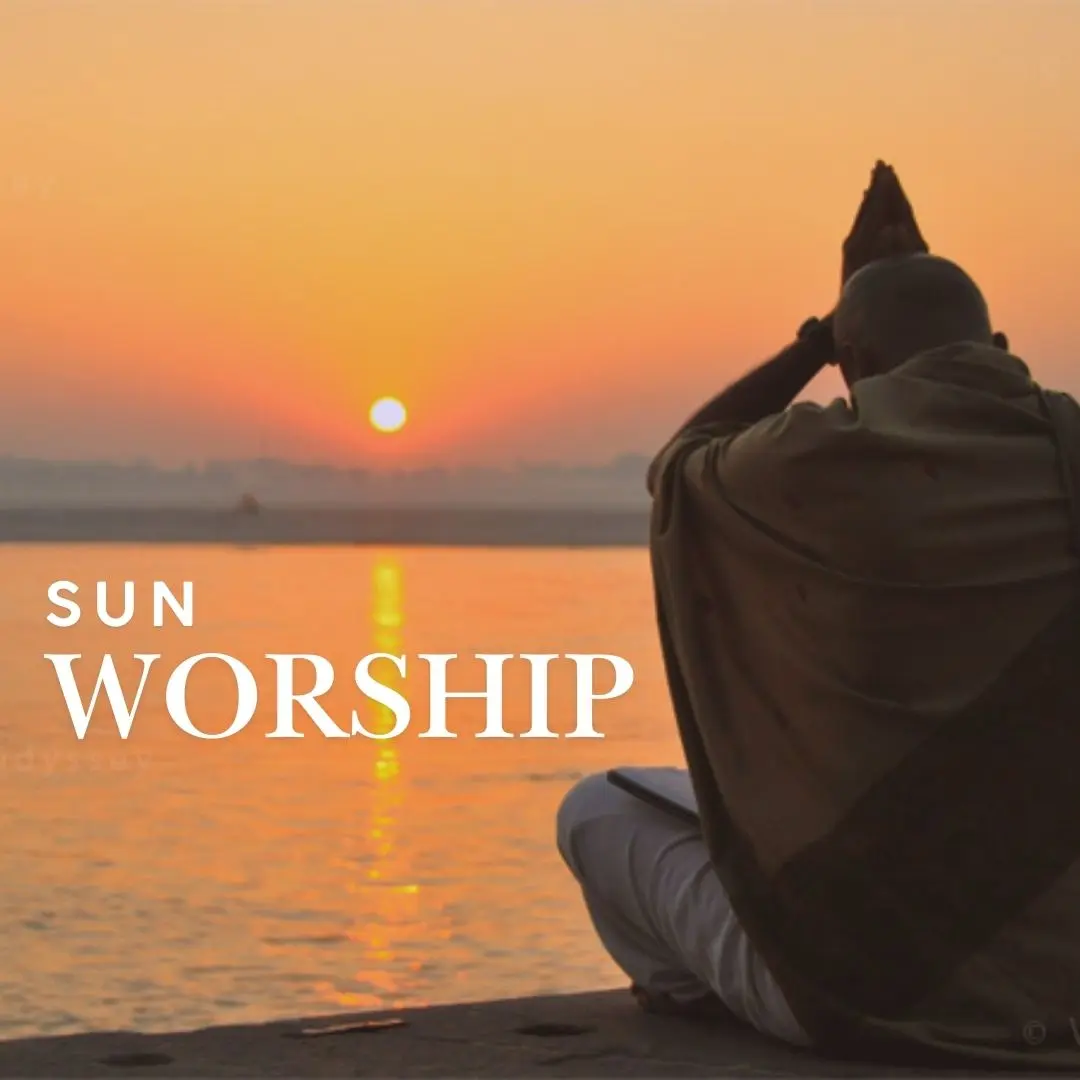
• Also known as Saura Purana, because it includes many essential episodes related to Surya or the Sun God.
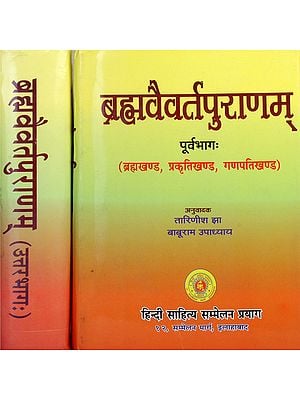
• The text is divided into Purva-Bhaga (former part), Uttara-Bhaga (later part) and a concluding part, known as Brahmottara Purana.
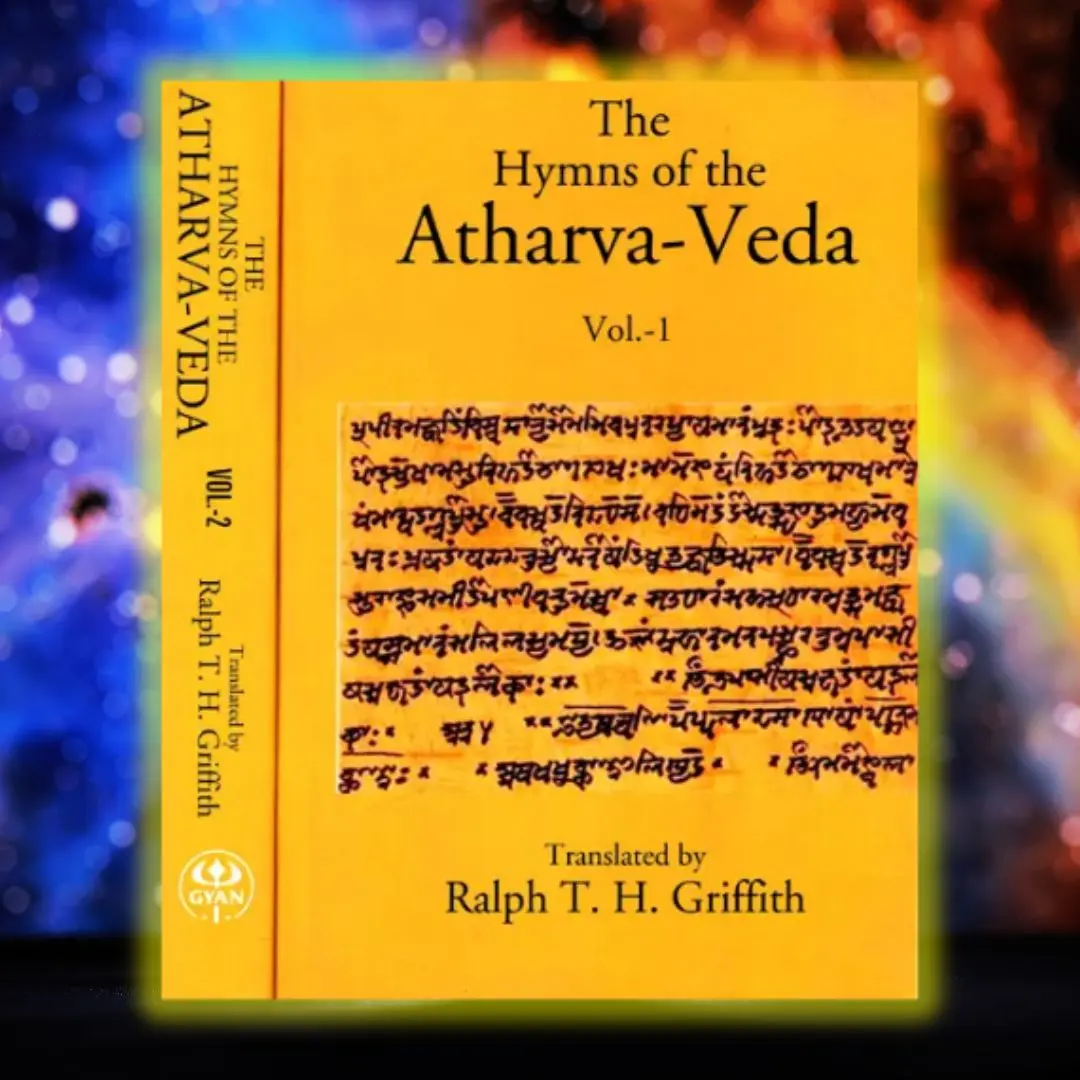
The Vedas mention the word “Surya” or “Suryadev” for the Sun. Surya is the ruling deity of the Sun planet and is responsible for maintaining the working affairs. The Sun is the central cosmos body which sustains all other planets in the universe. The Surya deity is described as a divine person bedecked with shining golden ornaments, riding on a chariot pulled by seven horses. His horses are called “Ketavah” meaning the rays of the Sun.
The Rig Veda, the oldest Vedic literature, mentions Surya as the giver of knowledge, dispelling darkness in one’s life. It is the living force in the whole universe. The moon and all the planets get light from the Sun and shine in the sky. In the Chandogya Upanishad, the Sun is represented as Brahman, the Absolute Truth and the Sun-God is considered the Supreme.
In the Kaliyuga which is the age of hypocrisy and quarrel, to understand the Absolute Truth is not easy unless guided by a bona fide spiritual master. To find a bona fide Guru is in itself a challenging situation. The spiritual master (Guru), the devotees (Sadhu), and the Vedic scriptures (Shastra) are the authoritative sources for gaining spiritual knowledge. The Vedic scriptures, according to the Vedas, are coming directly from the Supreme Lord Himself. They deal with both material and spiritual knowledge and were compiled by Shri Vyasadev around five thousand years ago for the benefit of the rare inquisitive people in this disturbed age of Kali. The general mass of the population is engrossed in gratifying their senses through material pleasure and knows nothing about the ultimate goal of human life.
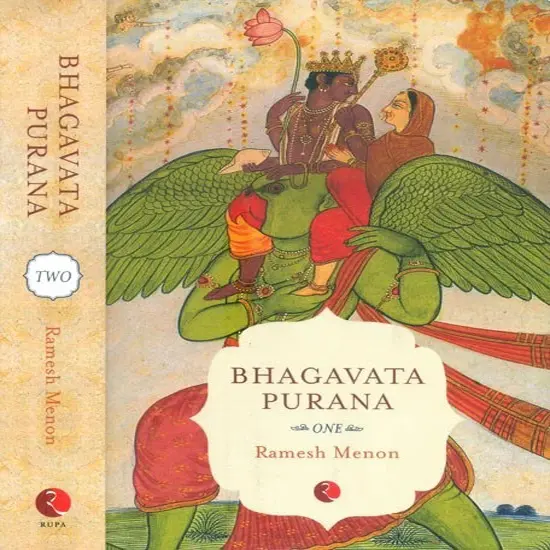
As it goes, the forces of evil, asuras (demons) have defeated the kind devtas (deities) and then ruled the universe. Truth re-emerged as Bhagwan Krishna– first made peace with the demons, got their recognition, and then creatively defeated them, bringing back hope, justice, freedom, and happiness. This Purana is also known as a ‘saptah–vachan-parayan’(a–weeklong-recital-parayan). The date of composition is probably between the eighth and the tenth century CE, but may be as early as the 6th century CE. The origin of Shrimad Bhagwad is even much older.
Email a Friend
Visual Search
Upload an image to find similar items from our collection





 Upload an Image