Showing 1 to 2 of 2 results
Showing 1 to 2 of 2 results
6 January 2022
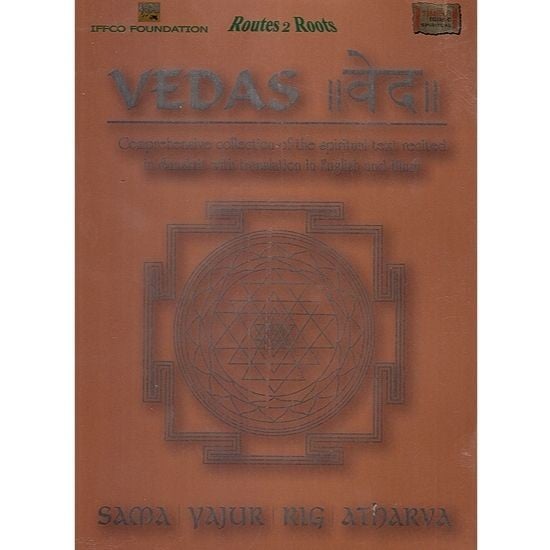
Worship of natural phenomena has dominated Hindu religious practice since its origin. Many natural phenomena are seen to have feminine properties and it is these properties which led to the centralization of goddess worship. Some feminine traits abundant in nature include fecundity, fruitfulness, and fertility present in the earth, mothers and cows. Another feature common in goddess worship is their ability to uphold rta, cosmic order. All these common features of nature are prominent in three of the main goddesses in Vedic literature; Prthivi the earth, Usas the dawn, and Ratri the night.
2 November 2021
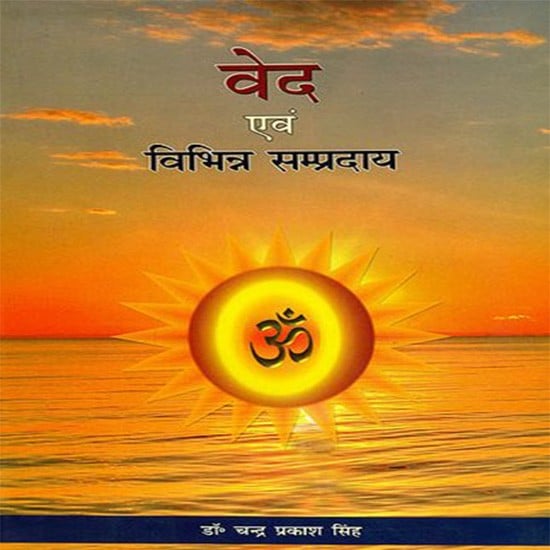
The word ‘Veda’ is derived from the root vid (to know). Also known as Sruti (what is heard), Vedas are a vast body of sacred and esoteric knowledge concerning the eternal spiritual values that have been handed down to posterity by oral tradition. Vedas were revealed to the great ones called rishis (men of wisdom, sages) in the depths of their meditation. The Hindu religious traditions have accorded the Vedas the highest place in its canonical literature. As such, they are revered, as the basic scriptures of Hinduism.
It is difficult to fix the date of the Vedas. The widely accepted period is that of the Harappa-Mohanjo Daro culture (4000 b.c) to a later phase of the Vedic culture. This places the date of Rig Veda, the earliest of the Veda, around 10,000 B.C.
Vedas are groups of mantras and chants containing religious and spiritual insights. They have been mainly utilised in the performance of yagnas and yagas (sacrifices), which were the most common form of early Vedic religion.